

Hose Clamp Pliers
Pay in 3 interest-free payments on purchases from £30-2000 with  . Learn more.
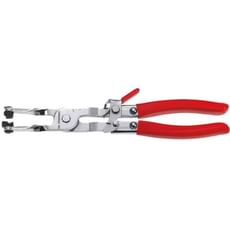
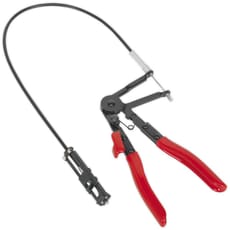
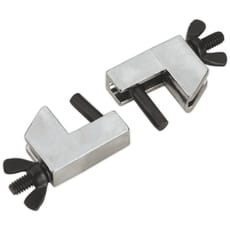
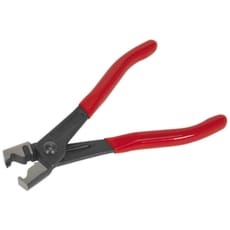
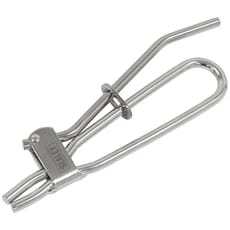
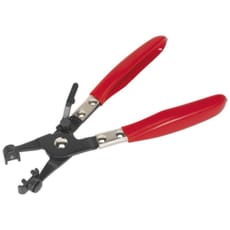
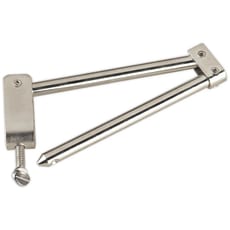
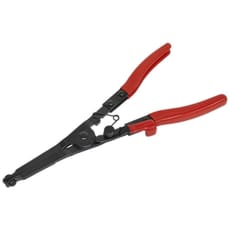

 Loading...
End of content
Error - No more pages to load
About Hose Clamp Pliers
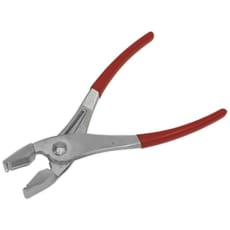
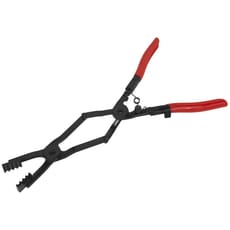
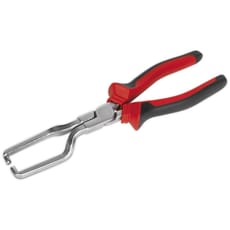
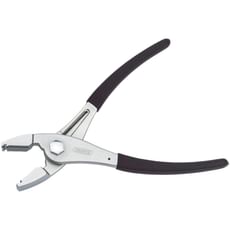
Hose clamp pliers are precision-engineered hand tools designed to simplify the removal and installation of spring-loaded hose clamps across automotive, marine and industrial applications. These specialised tools feature purpose-designed jaws that grip clamp tangs securely, allowing you to compress spring mechanisms and reposition or remove clamps without damaging sensitive hoses or fittings. Whether you're working on vehicle cooling systems, fuel lines, brake assemblies or hydraulic equipment, hose clamp pliers provide the controlled access needed to manipulate clamps in confined spaces where conventional pliers simply cannot operate effectively.
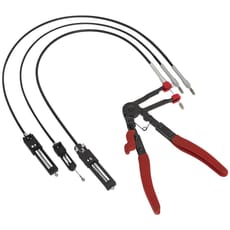
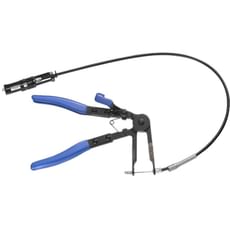
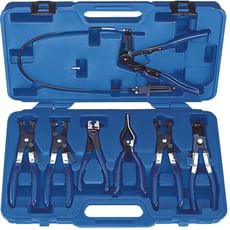
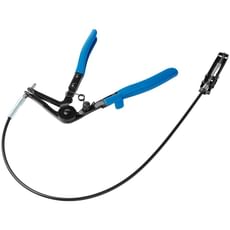
The range at Tooled-Up.com includes various configurations to suit different working environments and clamp types. Straight jaw designs offer maximum force for stubborn clamps in accessible locations, whilst angled and flexible head variants provide the articulation needed to reach awkward orientations deep within engine bays. Cable-type pliers extend your reach by 300-600mm, connecting remote jaws to ergonomic handles through flexible cables—invaluable when working on modern vehicles with densely packed powertrains. Available from leading manufacturers including Sealey, Draper, Facom and Expert by Facom, these tools range from basic two-piece starter sets through to comprehensive professional kits with seven or more specialised pliers covering every common clamp design.
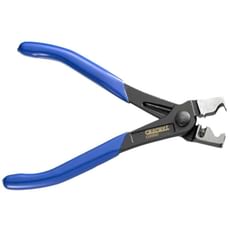
Modern hose clamp pliers are engineered to work with multiple clamp types including constant tension spring clamps, Clic-R and Clic-compatible proprietary systems, worm drive clamps and specialised automotive clips. Professional-grade models incorporate features like ratcheting mechanisms for progressive compression, self-locking jaws that hold clamps closed hands-free, and cushioned grips that reduce fatigue during extended maintenance sessions. Many tradespeople invest in comprehensive sets that cover the full spectrum of clamp sizes and orientations encountered on site, making these tools an essential addition to any serious automotive workshop or well-equipped home garage.
Jargon Buster
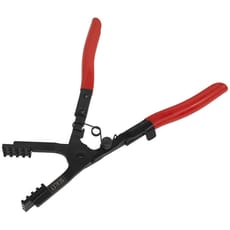
- Spring Clamp: A hose clamp that uses spring tension to maintain constant pressure around a hose connection. Common in automotive cooling systems and requires dedicated pliers with hooked jaws to compress the tangs for removal and installation.
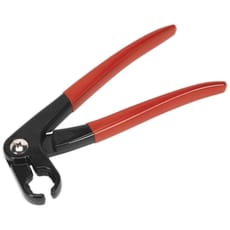
- Clic-R/Clic Clamp: A proprietary single-use clamp system widely used in modern automotive fuel and coolant applications. Requires specific Clic-compatible removal pliers and cannot be reused once removed, making the correct tool essential for professional work.
- Flexible Head Pliers: Hose clamp pliers featuring adjustable or articulating jaw heads that can be angled 45-90 degrees to reach clamps in confined spaces or awkward orientations without requiring straight-line access.
- Cable Extension: A flexible cable attachment connecting plier handles to remote jaws, allowing access to deeply recessed clamps in engine bays where standard pliers cannot physically reach, typically offering 300-600mm of extended access.
- Self-Locking Mechanism: A feature on premium hose clamp pliers that automatically locks the jaws closed on the clamp once compressed, freeing both hands to reposition the hose or remove the clamp entirely from the connection.
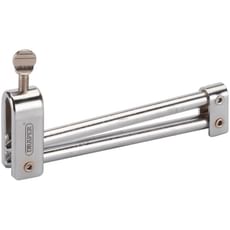
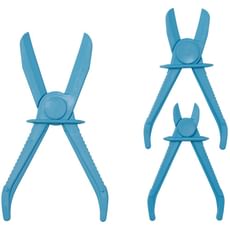
- Pinch-Off Tool: A specialised variant designed to temporarily block fluid flow through flexible hoses during maintenance work, particularly useful when working on brake and fuel systems to prevent fluid loss.
Who Uses Hose Clamp Pliers?
- Motor Vehicle Technicians: Essential for working on cooling systems, fuel lines, brake systems and emission control components across all vehicle types.
- Mobile Mechanics: Require comprehensive sets to address various clamp types across different vehicle makes and models during on-site repairs.
- Plant Fitters and Maintenance Engineers: Use hose clamp pliers for industrial machinery maintenance and hydraulic system servicing.
- Marine Engineers: Need reliable tools for maintaining engine cooling systems and fluid transfer lines on boats and vessels in challenging environments.
- HGV and Commercial Vehicle Technicians: Work with larger diameter hoses and heavy-duty clamps requiring robust professional-grade tools.
- Agricultural Engineers: Maintain fluid systems on tractors, harvesters and irrigation equipment where reliability is critical.
- DIY Enthusiasts: Home mechanics performing their own vehicle maintenance and repairs benefit from proper specialised tools.
- Plumbers and Heating Engineers: Occasionally require hose clamp pliers for specific appliance repairs and system maintenance tasks.
How to Choose the Right Hose Clamp Pliers
Selecting appropriate hose clamp pliers depends on the applications you encounter most frequently. If you primarily work on modern vehicles, prioritise sets that include Clic-compatible pliers, as these proprietary clamps are increasingly common on fuel and cooling systems. For general automotive work, a multi-piece set with both straight and angled configurations provides the versatility needed to access clamps in various orientations throughout the vehicle.
Jaw design is critical for effective operation. Look for hardened steel jaws with precisely machined teeth or grooves that grip clamp tangs securely without slipping under load. Flexible or articulating head designs prove invaluable when working in confined engine bays where straight-line access is impossible. If you frequently work on vehicles with deeply recessed components, consider pliers with cable extensions that can reach 300-600mm into otherwise inaccessible areas behind bulkheads and beneath manifolds.
Handle comfort and mechanism type significantly impact usability during extended jobs. Cushioned grips reduce hand fatigue, whilst ratcheting mechanisms allow you to progressively compress stiff springs with multiple squeezes rather than requiring sustained grip strength. Self-locking designs that automatically hold the clamp compressed free up both hands for repositioning hoses—a considerable advantage when working alone on awkward connections.
Professional tradespeople should prioritise established brands like Sealey, Draper, Facom and Expert by Facom that offer replacement parts and warranty support. For specialist work, consider dedicated pinch-off tools for brake and fuel system maintenance, or specific clip removal sets designed for particular clamp systems. Budget-conscious users can start with a basic two or three-piece set covering the most common clamp types, expanding their collection as specific needs arise through experience.
Popular Accessories
- Replacement Hose Clamps: Stock various sizes of spring clamps, worm drive clamps and jubilee clips for installations and repairs.
- Hose Removal Tools: Specialist picks and scrapers for separating stuck hoses from fittings without causing damage to rubber or metal surfaces.
- Coolant Recovery Systems: Equipment for collecting and storing coolant when working on cooling system clamps to prevent waste and environmental contamination.
- Fluid Catch Trays: Essential for containing spills when removing clamps from pressurised or fluid-filled systems during maintenance.
- Tool Storage Solutions: Dedicated tool rolls or foam inserts for organising multi-piece hose clamp plier sets in toolboxes and service vans.
- Inspection Mirrors and Lights: Help locate hidden clamps in recessed areas before accessing with extended pliers, saving time and frustration.
- Protective Gloves: Chemical-resistant gloves for handling coolant and fuel system components safely in accordance with COSHH regulations.
- Replacement Springs and Jaws: Spare parts for maintaining professional-grade tools in optimal working condition over extended service life.
Safety Information
When using hose clamp pliers, always ensure the system you're working on is depressurised and cooled to safe temperatures—particularly critical when working on cooling systems that can retain dangerous pressure and heat long after engine shutdown. Wear appropriate eye protection as residual fluids may spray when clamps are released, and use chemical-resistant gloves when handling coolant, fuel or hydraulic fluids in accordance with COSHH regulations and HSE guidance.
Inspect hose clamp pliers before each use for worn or damaged jaws that could slip during operation, potentially causing injury or system damage. Ensure clamps are fully compressed and secured before attempting to reposition hoses to prevent sudden spring release that could cause injury. When working with fuel system clamps, maintain adequate ventilation and eliminate ignition sources in accordance with HSE guidance for working with flammable liquids in workshop environments.
Never use makeshift tools or incorrect pliers for hose clamps, as improper tools can damage clamps, hoses and fittings, potentially leading to dangerous fluid leaks in critical systems. Always follow manufacturer instructions for specific clamp types, particularly single-use Clic-R clamps that require dedicated removal tools. Store hose clamp pliers in dry conditions to prevent corrosion that could compromise jaw grip and tool reliability during critical operations.
Frequently Asked Questions
Can I use regular pliers instead of dedicated hose clamp pliers?
Whilst conventional pliers might compress very accessible spring clamps, they lack the specialised jaw profiles and reach needed for most automotive applications. Standard pliers are prone to slipping, can damage clamp tangs, and cannot access recessed locations. Dedicated hose clamp pliers pay for themselves quickly through saved time and prevented damage to expensive components, making them a worthwhile investment for anyone working regularly on vehicles or machinery.
What's the difference between flexible head and cable-type hose clamp pliers?
Flexible head pliers have articulating jaws attached directly to the handles, typically angling 45-90 degrees for improved access in moderately confined spaces. Cable-type pliers feature remote jaws connected via a flexible cable, allowing access to deeply recessed clamps 300-600mm from the handle position. Cable types offer superior reach but require more skill to position accurately, whilst flexible head designs provide better tactile feedback and control.
Do I need different pliers for different clamp types?
Yes, different clamp designs require specific jaw configurations. Spring clamps need pliers with hooked or angled jaws to compress the tangs, Clic-R clamps require special cutting or spreading designs, and pinch clamps need flat-jaw tools. A comprehensive three to five-piece set covers most common automotive clamp types encountered in typical workshop environments, making it a worthwhile investment for regular use rather than purchasing individual tools as needs arise.
How do I maintain hose clamp pliers for long service life?
Clean pliers after each use to remove coolant, oil and debris that can cause corrosion or mechanism binding. Apply a light machine oil to pivot points and springs, and store in a dry location away from moisture. Inspect jaws regularly for wear or damage and replace tools showing significant deterioration. Quality brands like Sealey and Facom available from Tooled-Up offer replacement parts for professional-grade tools, extending their useful working life considerably.
Are budget hose clamp pliers worth buying for occasional DIY use?
For infrequent home mechanics, a basic two-piece set from reputable manufacturers like Draper offers excellent value and will handle most common DIY tasks reliably. However, avoid very cheap unbranded tools which may have poorly hardened jaws that deform under load or mechanisms that fail prematurely. Mid-range options provide the reliability needed for occasional use without the premium cost of professional-grade tooling, making them ideal for home workshops.