

Household and Household Tidy

Pay in 3 interest-free payments on purchases from £20-£3000 with  . Learn more.

 Loading...
End of content
Error - No more pages to load
About Household and Household Tidy
Maintaining a clean and organised environment is fundamental to both domestic comfort and professional efficiency. The Household and Household Tidy category at Tooled-Up.com brings together essential cleaning tools and organisational products designed for tradespeople, facilities managers, and homeowners who demand quality equipment. From high-performance microfibre cloths and heavy-duty sponges to durable entrance matting and robust dustpan and brush sets, this range addresses the practical cleaning challenges encountered across workshops, job sites, commercial premises, and homes.
Whether you're a decorator protecting customers' properties, a facilities manager maintaining commercial standards, or a workshop owner ensuring HSE compliance, effective household tidying requires tools built to withstand regular professional use. The products available from Tooled-Up.com are selected for durability and performance, featuring materials that handle everything from fine sawdust and plaster residue to muddy footprints and liquid spills. Quality cleaning equipment not only maintains appearance but also contributes to workplace safety by preventing slip hazards and keeping traffic routes clear of debris.
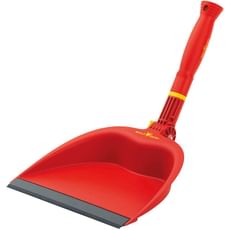
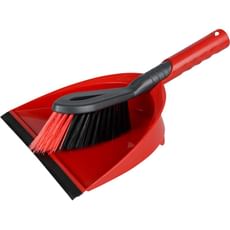
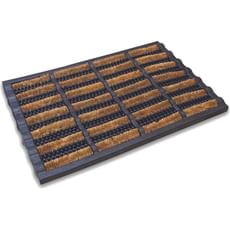
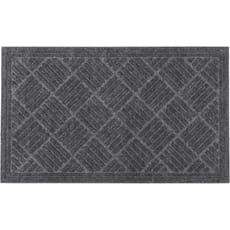
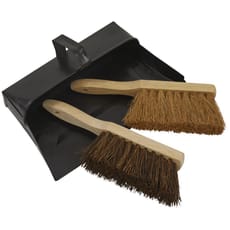
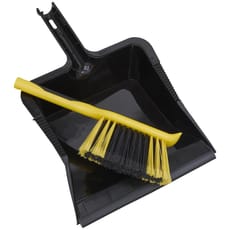
This comprehensive category is organised into specialist subcategories including Cloths & Sponges for versatile cleaning applications, Door Mats to prevent dirt tracking through premises, and Dustpan & Brush sets for efficient debris removal. This structure ensures tradespeople and cleaning professionals can quickly locate the specific products needed to maintain cleanliness standards across any environment, from construction sites to retail premises.
Jargon Buster
- Microfibre Cloth: A synthetic cleaning textile manufactured from ultra-fine fibres (typically polyester and polyamide) that mechanically trap dirt, dust, and moisture more effectively than traditional cotton materials. Microfibre products are reusable, machine-washable, and deliver streak-free results without requiring chemical cleaners, making them economical for professional use.
- GSM (Grams per Square Metre): A measurement indicating the density and quality of cleaning textiles. Higher GSM values denote thicker, more absorbent, and more durable cloths. Professional-grade microfibre typically ranges from 300-400 GSM, whilst standard domestic cloths may be 200-250 GSM.
- Coir Matting: Natural fibre entrance matting manufactured from coconut husks. Coir's coarse, durable texture effectively scrapes dirt and moisture from footwear, making it ideal for external entrances and high-traffic areas. Its natural composition withstands UK weather conditions whilst providing excellent debris removal.
- Anti-Slip Backing: A rubber or PVC coating applied to mat undersides to prevent movement on smooth flooring surfaces. This safety feature is essential for commercial environments and workplace settings, reducing slip hazards and ensuring mats remain securely positioned during use.
- Absorbency Rate: A measure of liquid volume a cloth or sponge can hold relative to its own weight. Products with higher absorbency rates require less frequent wringing during cleaning tasks, improving efficiency for professional cleaners and tradespeople managing large areas.
- Dustpan Comb: An integrated serrated edge on dustpan sets that enables quick bristle cleaning, removing trapped hair, fibres, and debris without manual handling. This feature is particularly valuable for workshop environments where metal filings or fine dust accumulate in brush bristles.
Who Uses Household and Household Tidy?
- Tradespeople: Electricians, plumbers, carpenters, plasterers, and decorators maintaining clean work areas and protecting customers' properties from dust and debris during installations and renovations
- Facilities Managers: Professionals responsible for cleanliness standards in commercial buildings, offices, educational establishments, and public spaces
- Professional Cleaners: Cleaning contractors and operatives requiring reliable, high-performance tools for daily use across multiple sites
- Workshop Owners: Engineers, mechanics, fabricators, and craftspeople maintaining safe, organised workshop environments for compliance and efficiency
- Construction Site Managers: Site supervisors ensuring projects meet HSE cleanliness requirements and maintaining safe traffic routes
- Retail and Hospitality Staff: Shop managers, café owners, restaurant staff, and hotel housekeepers maintaining customer-facing areas to professional standards
- Property Maintenance Teams: Caretakers and maintenance operatives responsible for communal areas in residential blocks, commercial properties, and industrial estates
- Vehicle Fleet Managers: Professionals maintaining cleanliness in commercial vehicles, vans, and transport equipment
- Homeowners and DIY Enthusiasts: Individuals who value durable cleaning equipment for domestic use and home improvement projects
How to Choose the Right Household and Household Tidy
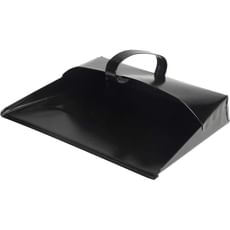
Assess Your Usage Environment: Professional and commercial settings demand heavy-duty products built for frequent use. Tradespeople benefit from commercial-grade microfibre cloths with reinforced stitching, metal dustpans rather than plastic alternatives, and coir or rubber matting for high-traffic entrances. Domestic users may find standard-grade products sufficient for occasional cleaning tasks, though professional equipment offers superior longevity and cost-effectiveness over time.
Match Products to Specific Tasks: Different cleaning challenges require appropriate tools. Microfibre cloths excel at dust capture and polishing applications without chemicals—ideal for electricians and decorators working in occupied properties. Cellulose sponges provide superior liquid absorption for workshop spills. Select dustpan and brush sets with bristle stiffness appropriate to your flooring—softer bristles for indoor surfaces prevent scratching, whilst stiffer versions suit outdoor areas and textured workshop floors.
Consider Size and Coverage: Scale matters for efficiency. Larger cloths (typically 400mm × 400mm or greater) reduce cleaning time across extensive surfaces, whilst compact dustpan sets (approximately 200-250mm width) suit vehicle storage or small workshops. Door matting should provide adequate coverage—ideally allowing three footsteps minimum to maximise dirt removal before entry. For commercial premises, consider mat widths matching door apertures to prevent dirt tracking around edges.
Evaluate Maintenance Requirements: Long-term value depends on maintenance ease. Machine-washable microfibre cloths withstand hundreds of wash cycles when laundered correctly (avoid fabric softeners, which reduce absorbency), offering better hygiene than disposable alternatives. Dustpans with smooth surfaces prevent debris accumulation and simplify cleaning. Mats with removable backing facilitate washing, important for maintaining appearance in customer-facing environments.
Prioritise Safety Features: Workplace safety is paramount. Choose mats with anti-slip backing to comply with HSE slip prevention guidance, particularly important on tiled or polished surfaces. Select non-abrasive cloths for delicate finishes on customer properties. Long-handled dustpan sets (850-1000mm total height) reduce bending strain during extended use—a significant consideration for professional cleaners and site workers. Ensure products meet relevant BS/EN standards where applicable.
Factor in Storage and Portability: Tradespeople working across multiple sites benefit from compact, lightweight cleaning tools that fit within existing storage systems. Products compatible with popular storage solutions from Stanley, DeWalt, or Milwaukee maximise van organisation. Consider wall-mounted holders for workshop-based dustpan and brush sets to keep floor areas clear.
Popular Accessories
- Bucket and Mop Sets: Complement cloths with professional mopping systems for larger workshop floors and commercial areas
- Wet and Dry Vacuum Cleaners: Industrial vacuum systems from Makita, DeWalt, and Milwaukee for thorough debris removal, particularly popular with tradespeople
- Cleaning Solution Dispensers: Spray bottles and applicators for controlled chemical use complying with COSHH regulations
- Protective Rubber Gloves: Various thicknesses available for different applications, from light domestic tasks to heavy-duty professional cleaning
- Waste Bins and Collection Bags: Essential for debris collected with dustpan and brush sets, including heavy-duty rubble sacks for construction waste
- Brooms and Yard Brushes: Larger brushes for extensive floor areas prior to detail work with dustpan sets
- Cleaning Caddies and Organisers: Portable storage solutions including options compatible with Stanley FatMax, DeWalt TSTAK, and Milwaukee PACKOUT systems
- Mat Frames and Recessed Trays: Professional installations for flush-fitting matting in commercial entrances
- Scrubbing Brushes: Specialist brushes for stubborn marks, grout lines, and textured surfaces
- Window Cleaning Tools: Squeegees, scrapers, and extension poles that complement microfibre cloths for glazing work
- Floor Protection: Temporary coverings and ram boards for protecting customers' flooring during trade work
Frequently Asked Questions
How often should professional-use cleaning cloths be replaced?
Quality microfibre cloths withstand 300-500 wash cycles when maintained correctly, typically lasting 6-12 months with regular professional use. Replace cloths when they lose absorbency, develop persistent odours despite washing, or show visible wear such as torn edges or thinning fabric. Wash microfibre separately from cotton materials at 40-60°C without fabric softener, which coats fibres and reduces effectiveness. Sponges require more frequent replacement—every 2-4 weeks for daily professional use—as their porous structure harbours bacteria more readily than microfibre materials.
What's the difference between entrance matting for internal and external use?
External mats are engineered to scrape and remove heavy dirt, mud, and moisture from footwear before building entry. They're manufactured from weather-resistant materials like coir, rubber, or polypropylene with drainage properties to prevent water pooling—essential in the UK climate. Internal mats focus on absorbing residual moisture and capturing fine dust particles that pass external barriers, typically featuring softer, more absorbent textile surfaces that are gentler on indoor flooring. For optimal dirt prevention, professional installations use both types in sequence: external matting for initial scraping, followed by internal absorbent matting for final moisture and dust capture.
Are microfibre cloths effective without chemical cleaning products?
Yes, microfibre cloths are highly effective with water alone for many professional cleaning tasks. The ultra-fine fibres (typically 1/100th the diameter of human hair) mechanically lift and trap dirt, dust, grease, and bacteria without requiring chemical cleaners. This makes them economical, environmentally responsible, and suitable for sensitive environments including schools, healthcare facilities, and occupied domestic properties. However, for disinfection requirements or heavy contamination, appropriate cleaning solutions may still be necessary and must comply with COSHH regulations in professional settings. Different cloth colours can designate specific tasks, preventing cross-contamination between areas.
How should tradespeople maintain door mats to maximise lifespan on job sites?
Regular maintenance significantly extends mat durability in demanding trade environments. Shake out or vacuum mats weekly to remove trapped debris—accumulated grit acts as an abrasive, accelerating wear. Coir mats benefit from periodic beating to dislodge embedded dirt and restore scraping effectiveness. Textile mats can usually be machine washed or hosed down—always verify manufacturer guidelines. Rotate mats periodically to distribute wear evenly across the surface. Allow complete drying before repositioning to prevent mould growth, particularly important in the UK's damp climate. For construction sites, consider protective coverings during heavy trades to prevent damage from sharp materials or excessive contamination.
What dustpan and brush specifications suit professional workshop use?
Workshop environments require robust specifications for durability and efficiency. Choose dustpan widths of at least 300mm to cover larger debris areas in fewer passes, saving time during clean-up. Long-handled sets (approximately 850-1000mm total height) reduce bending strain during frequent use—important for tradespeople sweeping after jobs. Metal dustpans withstand damage from sharp debris like metal filings, screws, and wood splinters better than plastic alternatives. Stiff natural or synthetic bristles suit workshop floors, whilst rubber dustpan edges ensure complete debris pickup on smooth concrete or resin surfaces. Sets with integrated dustpan combs simplify bristle cleaning, removing trapped swarf and fine dust without manual handling.