

Induction Heater Accessories
Pay in 3 interest-free payments on purchases from £30-2000 with  . Learn more.
 Loading...
End of content
Error - No more pages to load
About Induction Heater Accessories
Induction heater accessories are essential components and consumables that enhance the performance, versatility, and operational lifespan of induction heating equipment. Whether you're working with Sealey or Draper induction heaters, the right accessories ensure efficient completion of automotive repair, engineering maintenance, and component removal tasks. These accessories encompass replacement coils in various diameters, specialist coolants formulated for thermal management, and adaptors that expand equipment capabilities without requiring multiple complete units.
Induction heating technology has transformed how professionals approach seized bolt removal, bearing installation, and releasing corroded components through controlled, localised heating. Different applications demand specific coil sizes and configurations to achieve optimal results. The range available at Tooled-Up.com includes direct induction coils in multiple diameters for everything from small precision bearing work to larger applications involving seized suspension bolts and heavily rusted fixings. Compatibility with specific models—including the Sealey VS230, VS240, VS250, and VS260 induction heaters—is crucial when selecting replacement components.
Maintenance accessories, particularly specialist coolants, play a vital role in protecting your investment and ensuring consistent performance. Induction heaters generate substantial heat during operation, and using manufacturer-approved coolant prevents equipment overheating, extends component lifespan, and maintains reliable heating characteristics. Quality accessories from established manufacturers like Sealey and Draper guarantee your induction heating equipment delivers dependable results across demanding workshop environments.
Jargon Buster
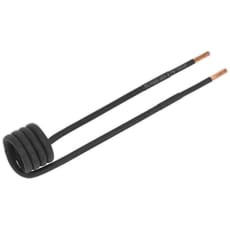
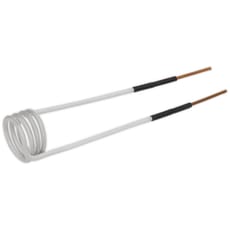
- Direct Induction Coil: The heating element that generates a concentrated electromagnetic field to heat ferrous materials directly. Available in different diameters (typically 15mm to 40mm) to suit various component sizes, from delicate bearings to large stuck bolts and rusted fasteners.
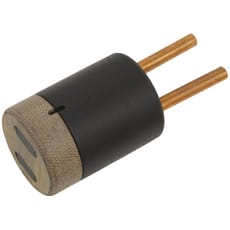
- Induction Adaptor: A connecting component allowing different coil sizes or configurations to be fitted to your induction heater base unit. Adaptors expand equipment versatility and eliminate the need for multiple complete heating systems when working with varied component sizes.
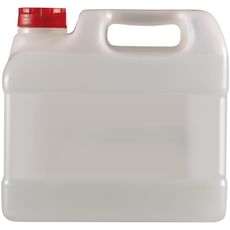
- Coolant System: The liquid cooling mechanism preventing induction heaters from overheating during extended operation. Specialist coolants are specifically formulated to withstand the thermal demands of induction heating equipment, typically supplied in 3-litre containers for convenient refilling.
- Ferrous Materials: Metals containing iron that respond to magnetic induction heating, including steel, cast iron, and most automotive components. Non-ferrous materials like aluminium, copper, and stainless steel cannot be effectively heated using standard induction technology.
- Duty Cycle: The percentage of time an induction heater can operate continuously before requiring a cooling period to prevent damage. Proper coolant maintenance and appropriate accessory selection maximise the duty cycle, particularly important in high-volume workshop environments.
- Heat Penetration: The depth to which induction heating effectively transfers thermal energy into a component. Coil size, power output, and heating duration determine penetration depth—critical for ensuring thorough heating without surface damage to surrounding areas.
Who Uses Induction Heater Accessories?
- Vehicle Mechanics and Technicians: For removing seized bolts, releasing corroded exhaust components, extracting bearings, and freeing rusted fasteners without damaging surrounding parts or requiring excessive force.
- Agricultural Engineers: Working on farm machinery where corrosion, seized fasteners, and heavily rusted components are routine challenges in outdoor and agricultural environments.
- Plant Maintenance Teams: Servicing industrial equipment, removing stuck bearings, dealing with corroded fixings in factory settings, and maintaining production machinery across manufacturing facilities.
- Fabricators and Welders: Requiring controlled, localised heating for fitting bearings, expanding metal components, or releasing seized assemblies during fabrication and assembly work.
- Marine Engineers: Addressing heavily corroded fasteners and components exposed to saltwater environments where traditional removal methods prove ineffective or risk component damage.
- Commercial Vehicle Workshops: Maintaining lorries, buses, and heavy goods vehicles where large, substantially corroded components and heavy-duty fasteners are regularly encountered during servicing.
- MOT Testing Stations: Safely removing seized components during vehicle inspection and repair work without causing collateral damage to surrounding structures or brake components.
- Classic Car Restorers: Requiring careful, controlled heating to remove original fixings without damaging valuable vintage components or affecting the integrity of period metalwork.
How to Choose the Right Induction Heater Accessories
Verify Equipment Compatibility: Always confirm that accessories match your specific induction heater model number. Sealey accessories designed for VS230 and VS250 models differ from those engineered for VS240 equipment, whilst some components like certain coils suit multiple models including the VS260. Using incorrect components risks equipment damage, reduced performance, and potential safety hazards.
Assess Your Application Requirements: Consider the typical size range of components you encounter in daily work. If you regularly alternate between small bearing installation and larger bolt removal tasks, investing in multiple coil sizes with appropriate adaptors provides maximum operational flexibility. Different coil diameters offer varying heat concentration characteristics and penetration depths suited to specific applications.
Select Genuine Manufacturer Parts: Manufacturer-approved accessories ensure correct electrical characteristics, safe operation, and warranty compliance. Aftermarket alternatives may not meet identical specifications and could compromise heating performance, equipment longevity, or operator safety. Tooled-Up stocks genuine Sealey and Draper accessories engineered specifically for their respective equipment ranges.
Maintain Adequate Coolant Inventory: Never compromise on coolant quality or supply levels. Using incorrect fluids, water, or operating with insufficient coolant causes premature failure of expensive induction heater components. Stock sufficient specialist coolant for your operational requirements, particularly in high-demand workshop environments where equipment runs frequently throughout the working day.
Plan for Consumable Replacement: Coils and adaptors are consumable items that degrade through regular use, exposure to extreme temperatures, and physical handling. Maintaining spare coils in your workshop prevents costly downtime when replacement becomes necessary. Consider your usage intensity and typical workload when determining appropriate stock levels of replacement components.
Popular Accessories
- Replacement Induction Coils: Various diameter coils (15mm, 25mm, 40mm) for different heating applications and component sizes across automotive and engineering tasks
- Specialist Induction Heater Coolant: Thermal fluids formulated specifically for induction heating equipment, typically supplied in 3-litre containers for convenient refilling and maintenance
- Coil Adaptors: Connection components allowing multiple coil configurations on compatible heaters, expanding versatility without requiring additional complete units
- Protective Storage Cases: Dedicated cases for transporting and protecting delicate coils and accessories between job sites or within workshop storage
- Heat-Resistant PPE: Specialist gloves and safety glasses designed for safe operation around extreme temperatures and electromagnetic fields
- Bearing Pullers and Extractors: Complementary extraction tools for removing heated bearings and components once induction heating has expanded or released them
- Temperature Indicating Crayons: Thermal monitoring tools for accurately gauging component temperature during heating cycles to prevent overheating damage
- Replacement Power Cables: Spare electrical cables and connections ensuring continued operation if primary cables become damaged through workshop use
Safety Information
Induction heating equipment generates powerful electromagnetic fields and extreme temperatures that present serious hazards if accessories are not maintained properly. Always inspect coils, adaptors, and coolant systems before use, as damaged coils or leaking coolant present risks of equipment failure, overheating, and potential injury. Ensure coolant levels meet manufacturer specifications before each operating session to prevent thermal damage and maintain safe duty cycles.
Never operate induction heating equipment near individuals with pacemakers, implanted defibrillators, or other electronic medical devices, as the electromagnetic field can cause dangerous interference with these life-critical systems. Maintain a minimum safe distance as specified in your equipment manual, and clearly mark areas where induction heating is in progress. Keep the work area clear of flammable materials, aerosols, and combustible liquids, and always wear appropriate PPE including heat-resistant gloves rated for the temperatures involved and safety glasses conforming to BS EN 166 standards.
Only use manufacturer-approved accessories and coolants compatible with your specific equipment model. Substituting incompatible components, using water instead of proper coolant, or fitting incorrect coils can cause electrical faults, thermal runaway, or equipment failure resulting in injury or fire. Regularly inspect coils for cracks, degradation, or damage to insulation, and replace them immediately if defects are detected. Always isolate equipment from the 240v mains supply before changing accessories, refilling coolant, or performing any maintenance work. Follow HSE guidelines regarding electromagnetic field exposure limits in workplace environments, particularly in confined spaces or areas with multiple heating units operating simultaneously.
Frequently Asked Questions
Can I use different brands of accessories with my induction heater?
It's strongly recommended to use manufacturer-approved accessories designed specifically for your equipment model. Sealey accessories are engineered for Sealey heaters with precise electrical and mechanical specifications, whilst Draper accessories suit Draper equipment. Using incompatible components risks equipment damage, invalidates warranties, and creates potential safety hazards including electrical faults and overheating. Always verify model compatibility before purchasing replacement parts, and check that coil reference numbers match your heater's specification.
How often should I replace induction heater coolant?
Coolant levels should be checked before each day's work and topped up as needed to maintain optimal performance. Complete coolant replacement depends on usage intensity but typically ranges from every 6-12 months in professional workshop environments with regular use. If coolant appears discoloured, contaminated with debris, has reduced significantly in level, or the equipment displays overheating warnings, replace it immediately with the specific coolant recommended by your equipment manufacturer. Never substitute automotive antifreeze or water for specialist induction heater coolant.
Why do I need different sized coils for my induction heater?
Different coil diameters provide optimal heating efficiency for various component sizes and applications. Smaller 15mm coils concentrate electromagnetic energy effectively on small bearings, precision components, and delicate fasteners, whilst larger 40mm coils are necessary for bigger applications like suspension bolts, large bearings, or heavily corroded fixings. Using appropriately sized coils ensures efficient heating, reduces operation time, minimises energy consumption, and prevents unnecessary thermal exposure to surrounding components that could cause collateral damage.
Are induction heater coils universal across different models and power ratings?
No, coils must match both the physical connection type and electrical specifications of your specific induction heater model. The Sealey VS230, VS240, VS250, and VS260 models each have designated accessories, although some components are cross-compatible across certain models. Using incorrect coils causes poor heating performance, potential equipment damage, or dangerous electrical faults. Always verify model compatibility information provided with accessories and check your equipment manual before purchasing replacement coils to ensure correct specification matching.
What causes induction coils to fail prematurely?
Common failure causes include insufficient coolant levels causing overheating and thermal stress, physical damage from rough handling or dropping, operating equipment beyond the recommended duty cycle without cooling periods, and using inappropriate power settings for the application that overload the coil. Exposure to extreme workshop conditions, contamination of electrical connections, and repeatedly heating components beyond recommended temperatures also accelerate degradation. Regular inspection, proper coolant maintenance, following manufacturer duty cycle guidelines, and careful handling significantly extend coil lifespan. Keep spare coils in stock to minimise downtime when replacement becomes necessary during busy workshop periods.