

Industrial Cleaners
Pay in 3 interest-free payments on purchases from £30-2000 with  . Learn more.
 Loading...
End of content
Error - No more pages to load
About Industrial Cleaners
Industrial cleaners are professional-grade cleaning solutions engineered to tackle the demanding challenges faced in workshops, factories, construction sites, and commercial premises. Unlike household cleaners, these formulations are specifically developed to remove stubborn contaminants including heavy oils, greases, adhesive residues, carbon deposits, and industrial grime that accumulate on machinery, tools, vehicles, and work surfaces. From rapid-dry cleaning sprays that allow immediate continuation of work to heavy-duty degreasers that cut through thick petroleum-based substances, these products deliver the performance that tradespeople and maintenance professionals depend on daily.
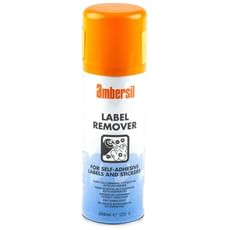
The range available at Tooled-Up.com includes specialist solutions from trusted manufacturers including ROCOL, Ambersil, Jeyes Fluid, Ronseal, and Rust-Oleum. These brands have developed formulations for specific applications: anti-static foaming cleaners for sensitive electronic equipment, label removers for adhesive residues, pre-paint cleaners for surface preparation, and general-purpose industrial cleaners for everyday workshop maintenance. Whether you're preparing surfaces before coating, maintaining production equipment, or cleaning tools between jobs, selecting the appropriate industrial cleaner ensures effective results whilst protecting the integrity of the materials you're working with.
Modern industrial cleaners are supplied in various formats to suit different working environments and applications. Aerosol sprays provide precision application and convenience for spot cleaning or hard-to-reach areas, whilst ready-to-use liquid formulations offer economy for larger-scale cleaning tasks. Many feature fast-acting ingredients that break down contaminants quickly, with some rapid-dry formulations evaporating within seconds to minimise downtime. Foaming action cleaners are particularly effective on vertical surfaces, clinging longer to penetrate stubborn deposits more thoroughly than standard liquid cleaners.
Jargon Buster
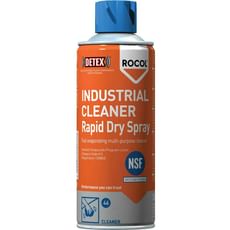
- Rapid-Dry Formulation: A cleaning solution containing volatile solvents that evaporate quickly after application, typically within seconds or minutes. This leaves no residue and allows immediate continuation of work without extended waiting times, making them ideal for time-sensitive applications or when equipment needs to return to service quickly.
- Anti-Static Properties: Formulations designed to prevent the build-up of static electricity during and after cleaning. This is particularly important when working with sensitive electronic equipment, circuit boards, or in environments where static discharge could cause damage, data loss, or ignition of flammable substances.
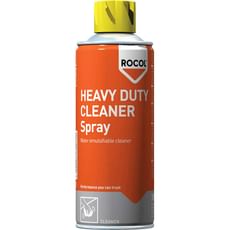
- Heavy-Duty Degreaser: An industrial-strength cleaning solution specifically formulated to break down and remove thick oils, greases, lubricants, and petroleum-based substances from machinery, engines, driveways, and work surfaces. These typically contain powerful solvents and surfactants that emulsify stubborn contaminants.
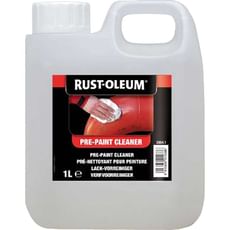
- Pre-Paint Cleaner: A specialist preparation product that removes contaminants, silicones, oils, waxes, and residues from surfaces before painting, powder coating, or applying protective finishes. Proper use ensures optimal adhesion and prevents defects such as fisheyes or poor coverage.
- COSHH Compliance: Products that meet the Control of Substances Hazardous to Health regulations, the UK's legal framework governing the safe use, storage, handling, and disposal of cleaning chemicals in workplace environments. Compliance includes providing safety data sheets and appropriate hazard labelling.
- Foaming Action: A cleaning method where the solution expands into foam upon application, allowing it to cling to vertical and overhead surfaces longer than standard liquids. This extended contact time allows active ingredients to penetrate and break down contaminants more effectively.
Who Uses Industrial Cleaners?
Industrial cleaners are essential maintenance products for a diverse range of trades and professional users, including:
- Automotive technicians and mechanics maintaining workshops, engines, gearboxes, and vehicle components
- Manufacturing and factory maintenance teams keeping production machinery and equipment operational
- Plant operators and engineers maintaining industrial equipment, hydraulic systems, and facilities
- Electricians and sparkies requiring anti-static cleaners for sensitive electrical work and control panels
- Building contractors and site workers cleaning tools, equipment, and machinery between jobs
- Painters and decorators preparing surfaces for professional finishes and ensuring proper coating adhesion
- Facilities management teams maintaining commercial premises, industrial estates, and retail properties
- Agricultural engineers and farm maintenance personnel cleaning tractors, harvesters, and equipment
- Marine and aviation maintenance professionals requiring specialist cleaning solutions for critical applications
- Vehicle body shops and restoration specialists preparing surfaces for paintwork and refinishing
- Caretakers and maintenance staff responsible for industrial building upkeep and general cleanliness
- DIY enthusiasts tackling demanding home improvement, restoration, and automotive maintenance projects
How to Choose the Right Industrial Cleaners
Selecting the appropriate industrial cleaner requires careful consideration of several factors to ensure effective results and safe application:
Application Surface: Identify what you're cleaning, as different formulations are optimised for specific materials. Heavy-duty degreasers may damage painted surfaces, soft metals like aluminium, or certain plastics. Pre-paint cleaners are gentler than general degreasers but still effective at removing contaminants. Always verify compatibility before use and test on an inconspicuous area if uncertain.
Contaminant Type: Match the cleaner to the substance you're removing. Heavy oils and greases require degreasers with powerful solvents, whilst adhesive residues need specialist label removers. Carbon deposits may require foaming cleaners that provide extended contact time, whilst general workshop grime can be tackled with multipurpose industrial cleaners.
Drying Time Requirements: If you need to continue work immediately or return equipment to service quickly, rapid-dry formulations are essential. These typically evaporate within seconds to minutes, leaving no residue. For less time-sensitive applications, standard cleaners may offer better value whilst still delivering excellent results.
Format and Application Method: Aerosol sprays offer precision, convenience, and excellent penetration into tight spaces, making them ideal for spot cleaning and maintenance work. Ready-to-use liquids are economical for larger-scale cleaning tasks and can be applied with cloths, brushes, or spray bottles depending on the application.
Special Properties: Consider whether you need anti-static properties when working with electronics, foaming action for vertical surfaces and overhead applications, or specific safety features for food preparation areas or enclosed spaces with limited ventilation. Some applications may require biodegradable or low-VOC formulations.
Health and Safety Compliance: Ensure products meet COSHH regulations and HSE guidelines for your working environment. Check that appropriate safety data sheets are available and review any required personal protective equipment (PPE) recommendations. Consider whether the product is suitable for your workspace ventilation conditions.
Economy and Coverage: Evaluate the coverage rates and dilution ratios where applicable. Concentrated formulations may offer better long-term value for regular cleaning tasks, whilst ready-to-use products provide convenience for occasional applications or when precise mixing isn't practical.
Popular Accessories
- Disposable cleaning cloths, industrial wipes, and lint-free rags for applying and removing cleaning solutions
- Chemical-resistant gloves in various materials (nitrile, neoprene, butyl) providing appropriate protection when handling industrial cleaners
- Trigger spray bottles and pump dispensers for decanting and controlled application of liquid cleaners
- Brushes, scrubbing pads, and abrasive pads in various grades for agitating stubborn contaminants
- Safety goggles, face shields, and protective eyewear protecting against splashes during application
- Spill containment trays, drip pans, and absorbent materials for collecting run-off during cleaning operations
- Protective aprons and chemical-resistant coveralls preventing contamination of clothing and skin
- Ventilation masks, respirators, and filtration equipment for use in poorly ventilated areas
- Chemical storage cabinets and COSHH storage solutions ensuring safe, compliant storage of cleaning products
- Spray nozzle attachments, extension wands, and detailing brushes for reaching awkward areas
- Parts washing tanks and dip baskets for immersion cleaning of components and small parts
Safety Information
Industrial cleaners contain powerful chemicals that require responsible handling and use to ensure worker safety. Always read product labels and safety data sheets thoroughly before use, paying particular attention to hazard warnings, first aid measures, and recommended precautions. Many industrial cleaners are classified as irritants, harmful, or flammable, and may cause adverse effects if inhaled, ingested, or allowed prolonged skin contact.
Work in well-ventilated areas whenever possible, particularly when using aerosol products or working with volatile solvents. Where adequate natural ventilation isn't available, use appropriate respiratory protection as recommended by the manufacturer's safety data sheet. Always wear suitable PPE including chemical-resistant gloves appropriate to the specific cleaner being used and eye protection to prevent splashes reaching eyes.
Store industrial cleaners in their original labelled containers in a cool, dry location away from sources of ignition, as many formulations are flammable or contain flammable propellants. Keep products securely stored out of reach of children and away from food, drink, and animal feedstuffs. Never mix different cleaning products unless specifically instructed by the manufacturer, as dangerous chemical reactions or toxic fumes may occur. Dispose of empty containers and waste materials in accordance with local authority regulations and environmental guidelines.
Ensure your use of industrial cleaners complies with COSHH regulations, which require employers to assess risks, implement appropriate control measures, and provide adequate training and information to workers. Maintain suitable first aid facilities including eyewash stations where splashes may occur, and ensure emergency procedures are established should accidental exposure occur. Keep emergency contact numbers readily available and ensure workers know how to access safety data sheets when needed.
Frequently Asked Questions
Can I use industrial cleaners on all surfaces?
No, different cleaners are formulated for specific materials and applications. Heavy-duty degreasers may damage painted surfaces, certain plastics, or soft metals like aluminium. Some cleaners can cause discolouration or surface etching on sensitive materials. Always check the product label for compatibility information and manufacturer recommendations. When working with unfamiliar materials, test the cleaner on an inconspicuous area first to ensure it doesn't cause damage or discolouration.
How do rapid-dry cleaners work so quickly?
Rapid-dry industrial cleaners typically use volatile solvents with low boiling points that evaporate quickly at room temperature. These formulations dissolve and lift contaminants, then flash off within seconds to minutes without leaving residue. The fast evaporation rate is particularly useful in production environments, workshops, and service applications where you can't afford downtime waiting for surfaces to dry before continuing work or reassembly.
What's the difference between anti-static and standard industrial cleaners?
Anti-static cleaners contain special additives that neutralise static electricity and prevent its build-up during and after cleaning. This is crucial when working with sensitive electronic components, circuit boards, or in environments where static discharge could cause equipment damage, data corruption, or ignition of flammable substances. Standard cleaners may actually generate static during use, making them unsuitable for electronics work. Tooled-Up stocks dedicated anti-static formulations from brands like Ambersil specifically designed for electronic equipment maintenance.
Are concentrated or ready-to-use cleaners better value?
This depends on your usage patterns and requirements. Concentrated cleaners require dilution with water before use but typically offer better value for regular or large-scale cleaning tasks, as one container yields multiple applications. They also reduce packaging waste and transport costs. Ready-to-use formulations come pre-diluted at the correct strength and offer convenience for occasional use, smaller jobs, or when precise mixing isn't practical. Consider your storage space, frequency of use, and whether you have facilities for safe dilution when making your choice.
Do I need special storage facilities for industrial cleaners?
Industrial cleaners must be stored in accordance with COSHH regulations and manufacturer guidelines. Most require cool, dry storage away from direct sunlight, heat sources, and incompatible materials. Flammable cleaners may require fire-resistant storage cabinets, particularly in commercial premises or where larger quantities are stored. Always keep products in their original containers with intact labels, ensure storage areas are secure and properly ventilated, and maintain appropriate segregation between different chemical types. Consult the safety data sheets for specific storage requirements for each product.