

Industrial Metal Benders
Pay in 3 interest-free payments on purchases from £30-2000 with  . Learn more.
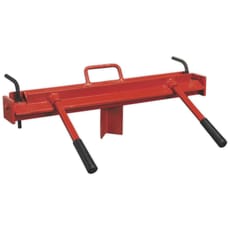
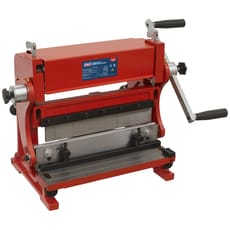
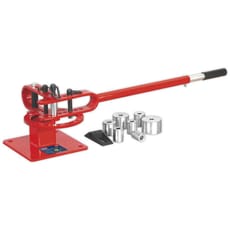
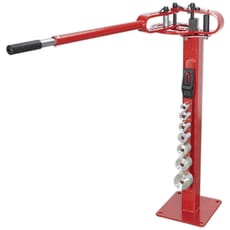
 Loading...
End of content
Error - No more pages to load
About Industrial Metal Benders
Industrial metal benders are indispensable workshop tools engineered to shape, fold, and bend sheet metal and metal profiles with precision and repeatability. These robust machines enable tradespeople and fabricators to create accurate bends, folds, and curves in materials including mild steel, aluminium, copper, brass, and galvanised sheet without resorting to expensive external fabrication services. From compact bench-mounted sheet metal folders to heavy-duty floor-standing conduit benders and versatile 3-in-1 machines that combine multiple functions, industrial metal benders provide the mechanical advantage necessary to work with materials that would prove impossible to shape manually.
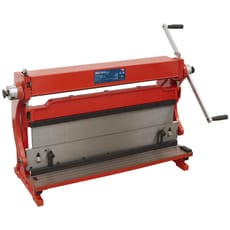
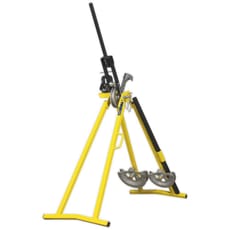
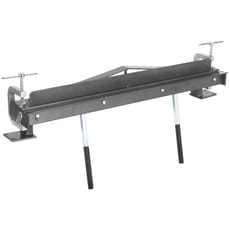
Tooled-Up.com stocks industrial metal benders from Sealey in various configurations to suit different workshop environments and metalworking applications. Bench-mounted and vice-mounted models deliver space-saving solutions for smaller workshops, whilst floor-mounting options provide the stability required for larger-scale projects. Multi-function machines such as 3-in-1 sheet metal machines combine folding, bending, and shearing capabilities within a single compact unit, making them particularly valuable where workshop space is limited but versatility remains essential. Specialised conduit benders cater specifically to electrical installation work, producing clean, consistent bends in metallic and plastic conduit.
These professional-grade tools are built to withstand the rigours of regular commercial use, featuring heavy-duty construction, precision-engineered components, and ergonomic operating mechanisms. Whether fabricating custom flashings, forming brackets, creating enclosures, or bending conduit for electrical installations, industrial metal benders deliver consistent, repeatable results that meet professional standards. The range available from Tooled-Up includes models capable of handling strips up to 760mm wide, with varying thickness capacities to accommodate different materials and project requirements.
Jargon Buster
- Folding Capacity: The maximum thickness of sheet metal (measured in millimetres or gauge) that the bender can successfully fold or bend. This varies considerably by material type, with softer metals like aluminium permitting greater thickness than harder materials such as mild steel or stainless steel.
- Bending Angle: The maximum angle through which the machine can bend material, typically ranging from 0° to 135°. Many machines feature adjustable angle stops for precise, repeatable bends at common angles including 45° and 90°, essential for consistent production work.
- Working Width: The maximum width of material (measured in millimetres) that can be accommodated between the machine's jaws or clamping bars. Workshop models commonly range from 305mm to 760mm, with wider capacities suited to larger fabrication projects.
- 3-in-1 Machine: A multi-function sheet metal machine combining three operations in one unit: folding (bending), rolling (creating curves and cylinders), and shearing (cutting). This versatility makes them exceptionally popular in fabrication workshops where floor space is at a premium.
- Bench Mounting vs Floor Mounting: Bench-mounted models bolt directly to a workbench or sturdy surface, conserving floor space, whilst floor-mounting machines stand independently. Floor models typically handle heavier-duty work and accommodate larger materials with greater stability.
- Back Gauge: An adjustable stop or guide that ensures consistent positioning of the workpiece, enabling repeatable bends at identical distances from the material's edge. Essential for production runs requiring multiple identical components.
Who Uses Industrial Metal Benders?
Industrial metal benders serve a diverse range of trades and industries where precision metalworking is required:
- Sheet Metal Fabricators: Creating custom components, enclosures, brackets, and assemblies from flat stock materials
- Roofers and Cladding Specialists: Forming custom flashings, trims, corner pieces, and weatherproofing details on site or in the workshop
- Electricians and Electrical Contractors: Bending metallic and plastic conduit for electrical installations, particularly with specialised conduit benders including A-frame models
- HVAC Engineers: Creating ductwork transitions, fittings, grilles, and custom ventilation components for heating and air conditioning systems
- Automotive Body Shops: Fabricating repair panels, mounting brackets, and custom bodywork modifications for vehicle restoration and repair
- General Engineers and Maintenance Fitters: Producing brackets, machine guards, repair components, and adaptors for industrial equipment
- Agricultural and Farm Workshop Operatives: Repairing and fabricating equipment parts, guards, and custom fittings for agricultural machinery
- Metal Artists and Sculptors: Creating decorative metalwork, architectural features, and artistic installations requiring precise bends and curves
- Signage Manufacturers: Forming metal sign trays, three-dimensional lettering, and display structures
- DIY Enthusiasts and Hobbyists: Undertaking home improvement projects, classic vehicle restoration, and general metalworking tasks
How to Choose the Right Industrial Metal Benders
Material Type and Thickness: Identify the materials you'll work with most frequently. Different metals possess varying malleability—aluminium bends considerably more easily than mild steel, whilst stainless steel requires significantly more force. Check the machine's folding capacity for your specific material type. Most specifications reference mild steel capacity, so adjust expectations accordingly for harder or softer materials.
Working Width Requirements: Measure the typical width of materials you'll be bending. Standard workshop models offer widths from 305mm to 760mm. Whilst larger capacity provides versatility for bigger projects, it also demands more workshop space and comes at higher cost. Match the capacity to your actual needs rather than automatically choosing the largest available option.
Mounting Configuration: Consider your workshop layout and available space carefully. Bench-mounted models conserve floor space and work well for lighter-duty applications, but require a robust mounting surface capable of withstanding operational forces. Vice-mounting options offer portability and flexibility but typically feature limited capacity. Floor-standing models provide maximum stability and capacity for heavy-duty work but require dedicated floor space with level, stable surfaces.
Multi-Function vs Dedicated Machines: 3-in-1 machines combining folding, rolling, and shearing offer excellent value for workshops handling varied metalworking tasks. However, dedicated single-function machines often provide superior performance and capacity for specific operations. Assess whether versatility or specialised capability matters more for your typical workload and project requirements.
Build Quality and Durability: Industrial metal benders represent a significant investment that should deliver years of reliable service. Look for heavy-duty construction featuring cast iron or welded steel frames, precision-machined components, and smooth operating mechanisms. Well-engineered angle stops, back gauges, and depth stops improve accuracy and repeatability whilst reducing setup time.
Adjustability and Precision Features: Features including adjustable angle stops, back gauges, and depth stops enable accurate, repeatable work essential for production runs. If your projects demand tight tolerances and consistent results, prioritise machines with these precision features alongside clear measurement scales and positive locking mechanisms.
Popular Accessories
Enhance your metal bending capabilities with these complementary products and accessories:
- Engineers' Squares and Protractors: For verifying bend angles and ensuring accurate setup before commencing production runs
- Digital Angle Finders: Providing precise angle measurements for complex bending operations and quality control verification
- Sheet Metal Cutting Tools: Including tin snips, aviation snips, nibblers, and powered shears for preparing materials before bending
- Deburring Tools: Removing sharp edges and burrs from cut metal before bending prevents tool damage and ensures safe handling throughout the fabrication process
- Workbenches and Workshop Furniture: Sturdy mounting platforms providing solid foundations for bench-mounted models
- Measuring and Marking Tools: Steel rules, combination squares, scribe tools, and centre punches for accurate layout work and material preparation
- Cutting Fluids and Lubricants: Maintaining smooth operation of moving parts and extending component lifespan
- Work Gloves: Cut-resistant gloves protect hands when handling sharp metal edges and corners
- Vice Grips and Clamps: Securing workpieces during complex or compound bending operations
- Storage Solutions: Tool cabinets and organisers for keeping accessories, measuring tools, and spare components near your metal bender
Safety Information
Personal Protective Equipment: Always wear appropriate PPE including safety glasses or goggles to protect against metal fragments and sharp edges, and cut-resistant gloves when handling sheet metal. Steel toe-capped boots provide essential protection should heavy materials be dropped. Avoid loose clothing, jewellery, ties, or dangling items that could become caught in moving parts during operation.
Machine Setup and Mounting: Ensure bench-mounted or vice-mounted machines are securely fastened before commencing work. An inadequately secured bender can shift during operation, causing injury or producing poor results. Floor-standing models should be positioned on level, stable surfaces with adequate clearance around all sides for safe material handling and operator movement.
Material Handling: Sheet metal edges are extremely sharp and can cause serious cuts and lacerations. Handle materials carefully, particularly after cutting operations. Be mindful of the weight of larger sheets—enlist assistance for heavy or awkwardly sized pieces to prevent strain injuries. Follow HSE guidelines for manual handling to minimise risk.
Operating Procedures: Keep hands and fingers clear of pinch points during bending operations. Never attempt to adjust material positioning whilst applying force to the operating handle. Allow the machine to come to a complete stop before making adjustments. Follow HSE guidelines for manual handling and repetitive operations to minimise strain injuries from prolonged use.
Maintenance and Inspection: Regularly inspect machines for worn components, loose fixings, or damage that could compromise safety or performance. Keep operating mechanisms properly lubricated according to manufacturer specifications. Report or repair any defects immediately before continuing use. Disconnect from power sources (where applicable) before performing maintenance.
Frequently Asked Questions
What thickness of metal can industrial metal benders handle?
Capacity varies by model and material type. Most workshop metal benders handle mild steel from 0.8mm to 2mm thickness, with greater capacity available for softer materials like aluminium. The Sealey range at Tooled-Up includes models suitable for materials up to 1.25mm (18 gauge) mild steel. Always check specific machine specifications and remember that bending capacity decreases with harder materials and increases with softer ones. Stainless steel typically requires 30-40% more force than mild steel of equivalent thickness.
Do I need a floor-standing or bench-mounted metal bender?
This depends on your workshop space and typical workload requirements. Bench-mounted models suit workshops with limited floor space and lighter-duty applications. They require a robust mounting surface capable of withstanding operational forces without movement. Floor-standing models offer greater stability for heavier work and larger materials but require dedicated floor space. Consider material size, bending frequency, thickness capacity requirements, and available workshop area when choosing between configurations.
Can one machine bend different types of metal?
Yes, industrial metal benders can work with various materials including mild steel, aluminium, copper, brass, and galvanised steel. However, bending capacity varies significantly by material hardness and ductility. A machine rated for 1.5mm mild steel might handle 2.5mm aluminium comfortably but struggle with 1mm stainless steel due to its greater hardness. Always reference capacity specifications for your specific material type rather than assuming equivalent performance across different metals.
What's the advantage of a 3-in-1 sheet metal machine?
3-in-1 machines combine folding, rolling, and shearing functions in a single compact unit, offering excellent value and space efficiency for workshops handling varied metalworking tasks. Instead of purchasing three separate machines, you gain multiple capabilities within one footprint. This versatility particularly benefits smaller workshops, mobile services, or operations where space is limited but diverse fabrication capability is required. They're ideal for low to medium volume production across different operations.
How accurate are industrial metal benders for repeat production work?
Quality industrial metal benders equipped with adjustable angle stops and back gauges deliver excellent repeatability for production runs. Once set up correctly with proper calibration, they can produce consistent bends within 1-2 degrees across multiple pieces. Accuracy depends on proper machine setup, material consistency, operator technique, and the quality of the machine's construction. Models with clear angle scales, positive stops, and well-maintained components enable precise, repeatable bending suitable for professional applications and batch production.