

Industrial Pipe Benders

Pay in 3 interest-free payments on purchases from £20-£3000 with  . Learn more.
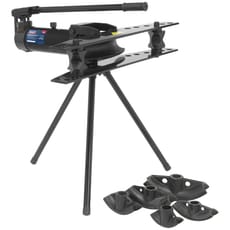
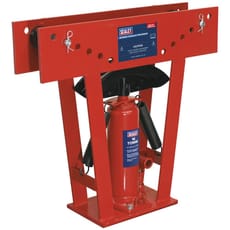
 Loading...
End of content
Error - No more pages to load
About Industrial Pipe Benders
Industrial pipe benders are heavy-duty hydraulic machines engineered to bend metal pipes and tubes with precision and consistency, eliminating the need for manual force or external heat sources. These robust tools are essential for professional tradespeople working with pipework on a regular basis, from installing commercial heating systems to fabricating custom exhaust systems or constructing structural frameworks. Unlike lighter-duty manual pipe benders, industrial models feature powerful hydraulic systems capable of handling larger diameter pipes and thicker wall materials, making them indispensable for demanding professional and industrial applications.
The industrial pipe benders available at Tooled-Up.com are built to professional standards, featuring sturdy fabricated steel construction and reliable hydraulic mechanisms that deliver consistent, accurate bends time after time. Most industrial models come with interchangeable formers and dies to accommodate various pipe diameters, typically ranging from 13mm up to 51mm or beyond depending on the model. Many units feature robust floor-standing frames for stability during operation, whilst the hydraulic action—often ranging from 10 to 12 tonnes of force—ensures smooth, kink-free bends that maintain the structural integrity of the pipe wall.
Whether you're working with steel, copper, aluminium or stainless steel pipework, an industrial pipe bender provides the control and power needed to create precise angles from 0° to 180° or more. These machines significantly reduce project time compared to manual bending methods whilst delivering professional results that meet industry standards. The hydraulic operation means considerably less physical strain on the operator, making them ideal for high-volume work or projects requiring multiple bends throughout the day.
Jargon Buster
- Hydraulic Ram: The pressurised piston system that provides the bending force, powered by pumping a hydraulic handle to build pressure within the cylinder, typically measured in tonnes.
- Former (or Die): The curved metal template around which the pipe is bent, available in different radii to suit various pipe diameters and wall thicknesses, often supplied in sets.
- Bend Radius: The measurement of the curve's tightness when bending pipe, typically expressed as a multiple of the pipe diameter (e.g., 2D radius means the centreline radius is twice the pipe diameter).
- Wall Thickness: The measurement of the pipe wall from inside to outside diameter, critical for determining whether a pipe can be bent without collapsing or kinking during the bending process.
- Former Shoe: The supporting component that holds the pipe against the former during the bending process, preventing distortion or flattening of the pipe profile.
- Return Spring: The mechanism that automatically returns the hydraulic ram to its starting position after releasing pressure, ready for the next bend without manual intervention.
Who Uses Industrial Pipe Benders?
Industrial pipe benders are essential tools for a wide range of trades and industries:
- Plumbers and heating engineers installing central heating systems, underfloor heating, and commercial pipework installations
- Gas fitters working with steel and copper gas supply lines requiring precise, code-compliant bends
- Mechanical engineers fabricating hydraulic and pneumatic systems in industrial manufacturing settings
- Vehicle mechanics and exhaust specialists creating custom exhaust systems and fuel lines
- Fabricators and metalworkers constructing frameworks, barriers, handrails and structural pipework
- Agricultural engineers building and repairing machinery and irrigation systems on farms
- HVAC installers working with refrigeration lines and air conditioning pipework in commercial properties
- Maintenance teams in factories, workshops, and industrial facilities requiring on-site pipe bending capabilities
- Construction contractors working on commercial projects with extensive pipework requirements
- Motorsport fabricators creating roll cages and custom chassis components
How to Choose the Right Industrial Pipe Bender
Selecting the appropriate industrial pipe bender for your needs requires consideration of several important factors:
Pipe Diameter Range: Determine the maximum and minimum pipe sizes you'll be working with regularly. Industrial models typically handle pipes from 13mm up to 51mm or larger external diameter, so ensure the bender accommodates your most common pipe sizes. Check that the appropriate formers are included or available separately from the manufacturer.
Material Types: Different metals have varying bend characteristics. Softer materials like copper and aluminium bend more easily than steel or stainless steel. Ensure your chosen bender has sufficient hydraulic capacity for the hardest material you'll work with, particularly if dealing with thick-walled steel pipe. Stainless steel typically requires 20-30% more force than mild steel.
Hydraulic Capacity: Look for the tonnage rating, which indicates the bending force available. Higher tonnage provides more power for larger diameter pipes and harder materials. Industrial models from brands like Sealey typically offer between 10 and 15 tonnes of hydraulic pressure, suitable for most professional applications.
Portability vs Stability: Consider whether you need a portable unit for site work or a floor-standing model with a robust stand for workshop use. Models with fabricated steel stands offer greater stability for precision work and can handle heavier pipes, whilst portable units provide flexibility for working in different locations.
Former Configuration: Check what size formers are included as standard and whether additional sizes are readily available. Some models use a quick-change system for swapping formers, which speeds up work when bending multiple pipe sizes on the same project. Tooled-Up stocks models with comprehensive former sets included.
Build Quality: Industrial pipe benders take significant strain during operation, so robust construction is essential. Look for heavy-gauge steel frames, quality hydraulic components with integral pumps and reservoirs, and well-machined formers that will maintain accuracy over time. Features like externally mounted return springs indicate quality engineering.
Popular Accessories
To maximise the versatility and effectiveness of your industrial pipe bender, consider these complementary products:
- Additional formers and dies in various sizes to extend the range of pipe diameters you can bend
- Heavy-duty pipe cutters for preparing pipes to the correct length before bending
- Deburring tools to clean cut pipe ends and remove sharp edges
- Hydraulic oil for maintaining the hydraulic system and ensuring smooth operation
- Angle finders and protractors for marking accurate bend positions
- Engineer's squares and measuring tapes for precise pipe layout work
- Pipe supports and vices for holding pipes securely during measurement and preparation
- Penetrating oil to assist with removing and replacing formers and adjustment bolts
- Heavy-duty work gloves for handling metal pipes and operating hydraulic equipment
- Workshop stand wheels or castors for mobile workshop stands, allowing easier repositioning
Safety Information
Industrial pipe benders involve significant hydraulic pressure and heavy materials, making proper safety practices essential:
Personal Protective Equipment: Always wear appropriate PPE including safety boots with steel toe caps, heavy-duty work gloves to protect against sharp pipe edges, and safety glasses to guard against metal fragments. The HSE recommends suitable protective equipment whenever operating hydraulic machinery in professional environments.
Hydraulic System Safety: Never exceed the rated capacity of the bender or attempt to bend pipes larger than the specified maximum diameter. Inspect hydraulic hoses and connections regularly for signs of wear or leakage. Release hydraulic pressure fully before attempting to remove or adjust formers. Only use the recommended hydraulic oil specified by the manufacturer to maintain system integrity.
Secure Setup: Ensure the pipe bender is positioned on level, stable ground or properly secured to its stand before operation. Check that all fixing bolts are tight and the former is correctly seated in its mounting. Keep the work area clear of obstructions and ensure adequate space around the machine for the full length of pipes being bent.
Pipe Handling: Long sections of pipe can be heavy and awkward to manoeuvre safely. Use proper manual handling techniques and seek assistance with particularly long or heavy pipes. Ensure pipes are correctly positioned in the former before applying pressure to prevent slippage or unexpected movement that could cause injury.
Regular Maintenance: Keep the equipment clean and well-maintained. Check hydraulic fluid levels regularly and inspect all moving parts for wear. Follow the manufacturer's maintenance schedule to ensure safe, reliable operation throughout the working life of the equipment.
Frequently Asked Questions
What's the difference between an industrial pipe bender and a manual pipe bender?
Industrial pipe benders use hydraulic power to generate significantly greater bending force, allowing them to handle larger diameter pipes, thicker walls, and harder materials than manual benders. Whilst manual benders rely entirely on your physical strength and are best suited to smaller copper or aluminium pipes up to about 22mm, industrial hydraulic models can typically bend steel pipes from 13mm up to 51mm diameter or more. The hydraulic action also produces smoother, more consistent bends with less risk of kinking or collapse, making them essential for professional applications.
Can I bend stainless steel pipe with an industrial pipe bender?
Yes, industrial hydraulic pipe benders are designed to handle stainless steel, which is harder and more spring-resistant than mild steel. However, you'll need to ensure your bender has sufficient hydraulic capacity for the diameter and wall thickness you're working with, as stainless steel requires approximately 20-30% more bending force than mild steel of the same dimensions. Always check the manufacturer's specifications for material compatibility and maximum capacities before attempting to bend stainless steel.
How do I prevent pipes from collapsing or kinking during bending?
Kinking occurs when the pipe wall thickness is insufficient for the bend radius being attempted, or when the pipe isn't properly supported during bending. Ensure you're using the correct former size for your pipe diameter—the former radius should be appropriate for the wall thickness. Position the pipe correctly in the former and ensure the former shoe properly supports the pipe throughout the bend. For thin-walled pipes, you may need to use a mandrel or sand-filling technique, though most industrial applications use schedule 40 or heavier pipe that bends cleanly with proper technique.
Do I need different formers for different materials?
The same former can typically be used for different materials of the same diameter, as the former size is matched to the pipe's outside diameter rather than the material composition. However, different materials may require different minimum bend radii to prevent distortion—copper can accept tighter bends than stainless steel, for example. Check the pipe manufacturer's specifications for minimum bend radius recommendations for the specific material and wall thickness you're using to ensure optimal results.
How often should I service the hydraulic system on my pipe bender?
For professional use, inspect the hydraulic system monthly, checking for leaks, worn hoses, and adequate fluid levels. Change the hydraulic oil annually or after approximately 500 hours of use, whichever comes first. Clean external surfaces regularly to prevent dirt entering the system, and bleed any air from the hydraulic circuit if you notice spongy or inconsistent operation. Store the bender with the ram retracted to protect seals when not in use. Following these maintenance practices will ensure reliable performance and extend the working life of your equipment considerably.