

Infrared Heaters
Pay in 3 interest-free payments on purchases from £30-2000 with  . Learn more.






 Loading...
End of content
Error - No more pages to load
About Infrared Heaters
Infrared heaters provide an exceptionally efficient heating solution for workshops, garages, warehouses, construction sites and outdoor working areas throughout the UK. Unlike conventional convection heaters that simply warm the air, infrared technology emits radiant heat that directly warms objects, people and surfaces in its path – working in much the same way as sunlight heats the earth. This direct heating method makes infrared heaters particularly effective in draughty environments, open-sided structures and poorly insulated spaces where traditional heating systems prove wasteful and ineffective.
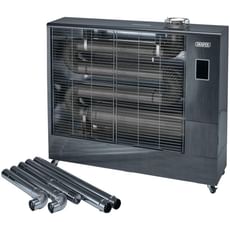
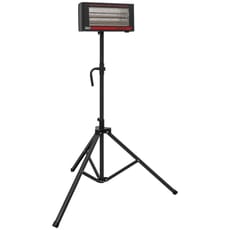
The selection at Tooled-Up.com includes industrial diesel-powered infrared heaters from trusted brands like Sealey and Draper, delivering powerful outputs ranging from 11.6kW up to 19.8kW for large-scale heating applications. Electric infrared heaters are also available in various configurations including wall-mounted quartz models, cabinet heaters, halogen units and modern carbon fibre heaters. Many units feature flexible deployment options with wall mounting brackets or tripod stands, allowing precise positioning of heat exactly where it's needed on site. Diesel infrared heaters are particularly popular for construction and agricultural settings where mains electricity may be limited, whilst electric models excel in workshops and smaller enclosed spaces requiring clean, emission-free operation.
Whether you need instant warmth for outdoor site work, spot heating for vehicle repairs, or consistent background heat in a draughty workshop, infrared heating technology delivers rapid warmth with minimal energy waste. The direct heating method means you feel the benefit immediately – crucial when working in cold UK winter conditions where traditional heating systems can take hours to warm a space adequately. This immediate response, combined with superior energy efficiency in challenging environments, makes infrared heaters an essential piece of kit for tradespeople across multiple industries.
Jargon Buster
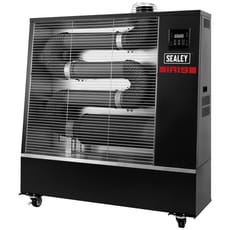
- Far Infrared (FIR): A longer wavelength infrared radiation that produces gentle, even heat distribution across larger areas. Diesel heaters typically use far infrared technology, making them ideal for maintaining comfortable temperatures in large spaces without creating uncomfortable hot spots.
- Short Wave Infrared: Higher intensity infrared radiation that produces immediate, intense heat over shorter distances. Perfect for spot heating applications where workers need rapid warmth in specific zones rather than overall space heating.
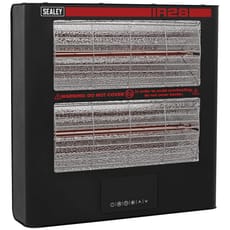
- Quartz Heater: Uses a quartz tube containing a heating element that emits infrared radiation when connected to a 240v supply. These electric heaters are popular for workshops due to their instant heat output, robust construction and low maintenance requirements.
- Carbon Fibre Element: Modern heating element technology that offers improved energy efficiency and longer lifespan compared to traditional wire elements. Produces consistent infrared heat with lower surface temperatures for enhanced safety in occupied workspaces.
- kW Rating: Kilowatt output indicating the heater's power and heating capacity. A 13kW industrial diesel heater can effectively heat approximately 130-180 square metres, whilst smaller 1-2kW electric units suit workshop corners or individual workstations.
- Flue Kit: Exhaust system for diesel infrared heaters that safely vents combustion gases outside the heated space. Essential for indoor use to maintain air quality and comply with HSE workplace guidelines.
Who Uses Infrared Heaters?
Infrared heaters are essential equipment for a wide range of trades and industries throughout the UK:
- Construction workers and site managers heating temporary structures, drying plaster and concrete, and providing warmth in partially completed buildings
- Motor mechanics and vehicle technicians requiring spot heating in garages and workshops, particularly for paint drying and working under vehicles
- Agricultural and farming professionals heating barns, livestock buildings, machinery stores and outdoor working areas
- Warehouse and logistics operations providing zone heating in loading bays, dispatch areas and large storage facilities
- Manufacturing facilities maintaining comfortable working temperatures in high-ceilinged production areas where conventional heating proves inefficient
- Plant hire companies offering temporary heating solutions for events, marquees and construction projects
- Facilities management teams supplementing heating in churches, village halls, workshops and community buildings
- Outdoor events and hospitality venues providing warmth in smoking areas, beer gardens and covered outdoor spaces
- DIY enthusiasts and home workshop users heating garages, garden workshops and hobby spaces cost-effectively
How to Choose the Right Infrared Heaters
Selecting the appropriate infrared heater depends on several key factors specific to your working environment and heating requirements:
Power Source: Diesel infrared heaters offer portability and high output without requiring mains electricity, making them ideal for construction sites and agricultural settings. Electric models suit workshops and spaces with reliable 240v supply, offering cleaner operation with no emissions or refuelling requirements. Consider running costs – diesel units consume approximately 1-2 litres per hour depending on output, whilst electric models draw 1-3kW from the mains.
Heat Output and Coverage: Calculate your space size and insulation quality to determine required kW rating. Industrial diesel heaters ranging from 13kW to 19kW can heat 130-200 square metres effectively, whilst smaller electric quartz heaters (1.2-2.8kW) provide targeted spot heating for individual work areas. Remember that infrared heats objects rather than air, so coverage depends on line-of-sight and positioning rather than cubic capacity.
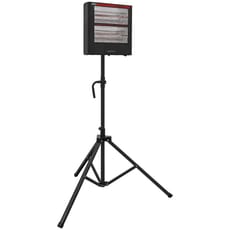
Mounting and Positioning: Wall-mounted infrared heaters save floor space and direct heat downwards where needed, perfect for permanent workshop installations. Tripod-mounted and portable models offer flexibility to reposition heat as work locations change throughout the day. Cabinet heaters provide directed heat in a compact housing, whilst halogen heaters on stands excel for temporary site heating applications where mobility is essential.
Indoor vs Outdoor Use: For enclosed spaces, ensure adequate ventilation and consider flue kits for diesel models to comply with HSE regulations and building standards. Far infrared diesel heaters with proper flue systems are safe for semi-enclosed spaces when correctly installed. Electric models work well indoors but check IP ratings if using in damp conditions. Short wave quartz heaters are particularly effective in draughty or semi-outdoor environments where conventional heating would be completely ineffective.
Safety Features: Look for built-in tip-over protection, overheat cutouts and flame failure devices on diesel models. Quality brands like Sealey and Draper incorporate safety guards around heating elements and thermal cutouts that meet UK electrical standards. Consider units with adjustable thermostats to prevent overheating and reduce energy consumption during extended operation.
Popular Accessories
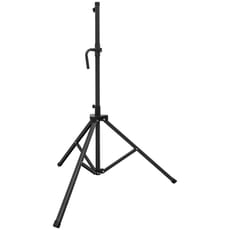
- Tripod stands for portable positioning of infrared quartz heaters at optimal working heights
- Flue kits and extension pipes for diesel heaters to safely vent exhaust gases in various building configurations
- Wall mounting brackets for permanent installation of electric infrared heaters in workshops and garages
- Thermostats and timer controls for automated temperature management and improved energy efficiency
- Diesel fuel storage containers and fuel pumps for convenient refuelling of industrial heaters
- Heavy-duty extension leads rated for high wattage heating appliances (13A minimum with thermal cutout protection)
- Heat deflectors and guards to direct infrared heat away from sensitive equipment or materials
- RCD protection devices for additional electrical safety when using portable electric heaters on site
Safety Information
Infrared heaters require careful operation to ensure workplace safety and comply with UK health and safety regulations:
Ventilation Requirements: Diesel infrared heaters consume oxygen and produce combustion gases. Always ensure adequate ventilation or fit appropriate flue kits when using in enclosed or semi-enclosed spaces. The HSE recommends minimum ventilation rates of 5 litres per second per kW of heater output. Never operate diesel heaters in fully sealed environments as this creates serious carbon monoxide risks.
Clearance Distances: Maintain minimum clearances around all infrared heaters – typically 1 metre from combustible materials for electric models and 2-3 metres for high-output diesel units. Check manufacturer specifications as requirements vary by model and output. Never position heaters where they could be knocked over or where flammable materials, liquids or gases might accumulate.
Electrical Safety: Electric infrared heaters should be connected to properly earthed 240v supplies with appropriate circuit protection. Use suitable rated extension leads and avoid daisy-chaining multiple extensions together. Outdoor or damp location use requires IP-rated models and RCD protection. Inspect cables regularly for damage and replace immediately if worn or frayed.
Fuel Handling: Store diesel fuel in approved containers away from heat sources and ignition risks. Refuel diesel heaters only when cool and in well-ventilated areas. Use proper funnels to avoid spills and keep absorbent materials nearby for cleanup. Follow COSHH regulations for fuel storage on construction sites and ensure appropriate fire extinguishers are readily available.
Personal Protection: The heating elements and guards on infrared heaters reach extremely high temperatures during operation. Avoid direct contact and allow adequate cooling time before moving or adjusting units. When working near high-output heaters, be aware that prolonged exposure to intense infrared radiation can cause skin discomfort – position heaters to provide warmth without creating uncomfortably hot zones in occupied areas.
Frequently Asked Questions
Are infrared heaters more economical than conventional fan heaters?
Yes, particularly in draughty or poorly insulated spaces. Infrared heaters warm objects and people directly rather than heating air that escapes through gaps and ventilation. You feel the warmth immediately without waiting for air temperature to rise, meaning shorter operating times and reduced energy consumption. In typical workshop conditions, infrared heating can reduce energy costs by 30-50% compared to convection heating, making them considerably more cost-effective for many applications.
Can I use diesel infrared heaters indoors?
Yes, but only with proper ventilation or fitted flue kits that vent combustion gases outside. Far infrared diesel heaters with appropriate flue systems are widely used in warehouses, workshops and construction sites across the UK. Always ensure compliance with HSE guidelines and building regulations. For fully enclosed spaces without adequate ventilation, electric infrared heaters available from Tooled-Up are the safer and more practical choice.
How quickly do infrared heaters warm a space?
Infrared heaters provide almost instant warmth – you'll feel the radiant heat within seconds of switching on. However, they work differently to convection heaters: rather than raising overall air temperature, they warm surfaces and objects in their direct path. This means immediate comfort for workers in the heated zone, though the ambient air temperature may remain cooler. This characteristic makes them ideal for spot heating and outdoor working areas where heating the air would be impossible.
What's the difference between quartz, halogen and carbon fibre infrared heaters?
These terms refer to the heating element technology. Quartz heaters use a tungsten filament inside a quartz tube, producing intense short-wave infrared heat ideal for workshops. Halogen heaters use halogen gas-filled tubes for efficient, bright heat output. Carbon fibre elements are newer technology offering longer lifespan, lower surface temperatures and improved energy efficiency. All three types produce effective infrared heat – your choice depends on application, budget and desired heat intensity.
Do infrared heaters need regular maintenance?
Electric infrared heaters require minimal maintenance – periodic cleaning of reflectors and guards, plus inspection of cables and connections. Diesel models need more attention: regular cleaning of the combustion chamber, checking and cleaning flue systems, inspecting fuel filters and lines, and ensuring proper ignition system function. Always follow manufacturer service schedules and keep diesel heaters clean to maintain efficiency and safety. Annual professional servicing is recommended for industrial diesel units used extensively on commercial sites.