

Injection & Sensor Tools
Pay in 3 interest-free payments on purchases from £30-2000 with  . Learn more.
 Loading...
End of content
Error - No more pages to load
About Injection & Sensor Tools
Injection and sensor tools are specialised diagnostic and repair equipment designed for modern vehicle fuel and engine management systems. These precision instruments enable automotive technicians and mechanics to work safely and effectively on fuel injectors, oxygen sensors, and related components that are critical to engine performance, emissions control, and fuel efficiency. From cleaning diesel injector seats to removing stubborn oxygen sensors and diagnosing electrical faults in fuel injection systems, these tools are essential for maintaining and repairing petrol and diesel engines to manufacturer specifications.
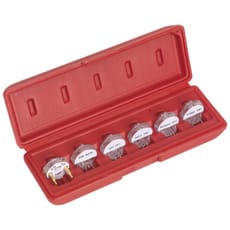
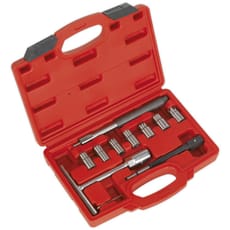
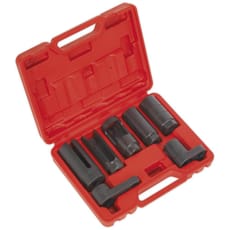
The category encompasses a range of specialist equipment including diesel injector seat cleaner sets, oxygen sensor wrench sets, and noid light testing kits. Injector seat cleaning tools allow technicians to remove carbon deposits and prepare surfaces for proper seal installation, preventing compression leaks and ensuring optimal injector performance. Oxygen sensor wrenches provide the correct size and offset needed to access sensors in tight exhaust manifold locations, whilst noid light sets enable quick diagnosis of fuel injector pulse signals without the need for expensive diagnostic equipment. Professional-grade tools available from Tooled-Up.com are manufactured to withstand the demanding conditions of workshop environments, with brands like Sealey offering comprehensive sets engineered to work with the tight tolerances and high-pressure systems found in modern fuel injection technology.
Jargon Buster
- Diesel Injector Seat: The precision-machined recess in the cylinder head where the fuel injector nozzle sits. This area must be perfectly clean and smooth to ensure proper sealing and prevent combustion gases from escaping.
- Oxygen Sensor (Lambda Sensor): An emissions control device fitted in the exhaust system that monitors oxygen levels in exhaust gases, allowing the engine management system to adjust the fuel-air mixture for optimal combustion and emissions control.
- Noid Light: A diagnostic tool that plugs into a fuel injector harness connector to visually indicate whether the ECU (Engine Control Unit) is sending electrical pulse signals to operate the injector. Essential for quickly identifying electrical faults in fuel injection systems.
- Injector Pulse: The electrical signal sent from the engine control unit to open and close fuel injectors at precise intervals. Problems with pulse signals result in poor running, misfires, or non-starting conditions.
- Common Rail: A modern diesel fuel injection system where fuel is stored at high pressure in a rail and distributed to individual injectors electronically, allowing for precise control of injection timing and quantity.
- Boss Thread: The threaded hole in the exhaust manifold or pipe where oxygen sensors are installed. These can become corroded or damaged, making sensor removal challenging without specialist tools.
Who Uses Injection & Sensor Tools?
- Automotive Technicians and Mechanics: Professional workshop staff carrying out diagnostics, servicing, and repairs on petrol and diesel vehicles
- Mobile Mechanics: Independent technicians providing on-site vehicle repairs and maintenance services
- MOT Testing Stations: Workshops diagnosing and repairing emissions-related faults to achieve MOT compliance
- Agricultural Engineers: Specialists maintaining and repairing diesel engines in farming equipment and machinery
- HGV and Commercial Vehicle Technicians: Mechanics working on heavy goods vehicles with diesel injection systems
- Plant Mechanics: Engineers servicing construction equipment and plant machinery with diesel engines
- Enthusiast DIYers: Home mechanics undertaking their own vehicle maintenance and repairs to save on garage costs
- Classic Car Restorers: Specialists working on fuel injection systems in modern classic vehicles
How to Choose the Right Injection & Sensor Tools
Selecting appropriate injection and sensor tools depends on the types of vehicles and systems you typically work with. Consider whether you primarily service petrol or diesel vehicles, as this determines whether diesel injector cleaning tools are essential for your toolkit. Most professional workshops benefit from having both diesel injector seat cleaner sets and oxygen sensor wrench sets, as these cover the most common fuel system and emissions repairs.
Tool quality is paramount when working with precision injection components. Look for sets manufactured from hardened steel that can withstand the forces required to remove seized sensors or clean carbon-encrusted injector seats without damaging threads or sealing surfaces. The comprehensive Sealey sets stocked at Tooled-Up offer excellent value whilst maintaining professional quality standards suitable for daily workshop use.
Compatibility is another crucial consideration. Oxygen sensor wrenches come in various sizes and offset configurations to suit different vehicle makes and sensor locations. A comprehensive seven-piece set ensures you have the correct tool for most applications, from easily accessible sensors to those buried deep within exhaust manifolds. Similarly, noid light sets should include multiple connectors to suit different injector types across various vehicle manufacturers.
For diagnostic work, noid light sets provide an affordable entry point into fuel injection system troubleshooting without requiring expensive scan tools. These are particularly valuable for mobile mechanics or those just establishing their automotive business. However, they complement rather than replace full diagnostic equipment for comprehensive fault finding. Consider portability and storage if you work across multiple sites—many professional-grade sets come in organised carry cases that protect tools and keep everything together, essential for mobile work or maintaining tool accountability in busy workshop environments.
Popular Accessories
- Diesel Injector Removal Tools: Slide hammers and puller sets for extracting seized or stubborn injectors
- Injector Copper Washers: Replacement sealing washers in various sizes for diesel injectors
- Oxygen Sensor Sockets: Individual replacement sockets in common sizes for specific applications
- Thread Repair Kits: HeliCoil or TimeSert sets for repairing damaged oxygen sensor boss threads
- Anti-Seize Compound: High-temperature copper or ceramic-based paste to prevent sensor and injector seizure
- Penetrating Oil: Products like WD-40 Specialist or Plus Gas for loosening corroded sensor threads
- Diagnostic Code Readers: OBD-II scanners for reading engine fault codes related to injection and sensor issues
- Multimeters: Essential for testing electrical signals to injectors and sensors
- Injector Leak-Off Test Kits: For diagnosing faulty diesel injectors through fuel return measurement
Safety Information
Working with fuel injection systems requires careful attention to safety due to the extremely high pressures involved, particularly in diesel common rail systems which can operate at over 2,000 bar. Always depressurise fuel systems completely before disconnecting any components, following manufacturer procedures. Diesel fuel under high pressure can penetrate skin and cause serious injury requiring immediate medical attention.
When working on hot engines or exhaust systems, allow adequate cooling time before attempting oxygen sensor removal to avoid burns. Exhaust components can remain dangerously hot for extended periods after engine shutdown. Always wear appropriate PPE including safety glasses, as carbon deposits can flake off during injector seat cleaning, and heat-resistant gloves when handling exhaust components.
Ensure adequate ventilation when working with fuel systems, as diesel and petrol vapours are harmful when inhaled and highly flammable. Keep fire extinguishers readily accessible and eliminate all ignition sources from the work area. Follow COSHH regulations when handling fuels and cleaning solvents, and dispose of contaminated materials according to HSE environmental guidelines.
When using thread cutting or cleaning tools in injector seats or sensor bosses, take care to prevent metal swarf from entering combustion chambers or exhaust systems. Use compressed air or vacuum equipment to remove debris thoroughly, and ensure any protective blanking is in place to prevent foreign object damage to engines.
Frequently Asked Questions
What size oxygen sensor socket do I need for my vehicle?
Oxygen sensor sizes vary between manufacturers, but the most common sizes are 22mm and 7/8 inch (approximately 22.2mm). Some vehicles use smaller 12mm or 14mm sensors. A comprehensive oxygen sensor wrench set like the Sealey seven-piece set covers multiple sizes and offset configurations, ensuring you have the correct tool regardless of vehicle make or sensor location. The offset design allows access in confined spaces where standard sockets cannot reach.
How often should diesel injector seats be cleaned?
Diesel injector seats should be cleaned whenever injectors are removed for replacement or servicing. Carbon build-up on seating surfaces prevents proper sealing, leading to compression loss, poor starting, rough running, and potential head gasket failure. Even if injectors are being replaced under warranty, always clean the seats thoroughly before installation to ensure the new components seal correctly and perform to specification.
Can I diagnose fuel injector problems without expensive diagnostic equipment?
Yes, noid lights provide an affordable method for testing whether fuel injectors are receiving electrical pulse signals from the ECU. By plugging a noid light into the injector harness connector and cranking the engine, you can quickly determine if the control circuit is functioning. However, whilst noid lights confirm the presence of electrical signals, they don't measure fuel pressure, injector spray patterns, or flow rates, so full diagnostics may still require additional equipment for comprehensive fault finding.
Why won't my oxygen sensor come out?
Oxygen sensors frequently seize due to extreme heat cycles, corrosion, and carbon build-up in exhaust systems. The best approach is to warm the engine to operating temperature (making the exhaust manifold warm but not dangerously hot), apply penetrating oil, and allow it to soak for 15-30 minutes. Use a proper oxygen sensor socket with a cut-out for the cable, which provides better grip and leverage than standard spanners. If the sensor remains stuck, carefully apply additional heat with a heat gun whilst avoiding damage to surrounding components and wiring.
Are injection and sensor tools vehicle-specific?
Most injection and sensor tools are designed to be universal, covering a wide range of vehicle makes and models. Oxygen sensor wrenches come in various sizes to suit different sensor dimensions, whilst diesel injector seat cleaners are sized according to standard injector bore specifications. However, some specialist vehicles or manufacturers may require specific tools. Comprehensive sets available at Tooled-Up.com provide multiple sizes and configurations to handle the majority of applications encountered in professional workshop environments.