

Inserts
Pay in 3 interest-free payments on purchases from £30-2000 with  . Learn more.



 Loading...
End of content
Error - No more pages to load
About Inserts
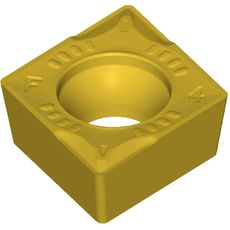
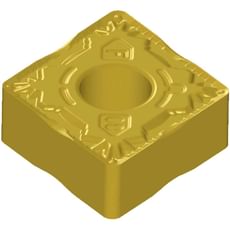
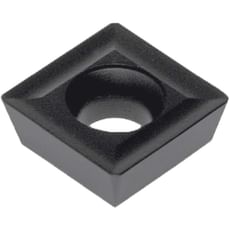
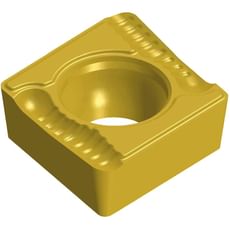
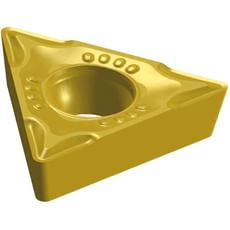
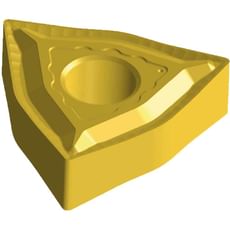
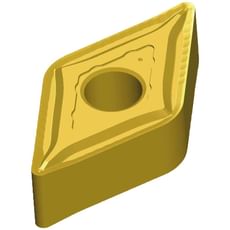
Lathe tool inserts are precision-engineered cutting components designed to fit into indexable turning tools, providing a cost-effective and efficient solution for metalworking operations. Unlike traditional brazed or ground tools, these carbide or coated carbide tips can be quickly replaced when worn, eliminating the need for regrinding and significantly reducing downtime in engineering workshops. Available in various geometries to suit different turning, facing, threading, grooving, and milling applications, inserts represent the modern standard for professional metalworking on lathes and milling machines of all sizes.
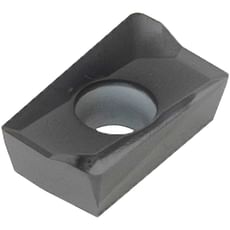
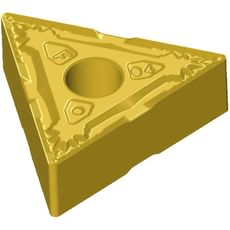
The product range at Tooled-Up.com consists of high-quality Sealey indexable turning tool sets in both 8mm and 10mm shank sizes, alongside comprehensive replacement insert tip sets. Additionally, Sirius carbide inserts are available in bulk packs of ten, covering turning operations (CCGT, CCMT, CNMG formats), milling applications (APHT, APKT formats), and both internal and external threading (16IR, 16ER formats). These tools are ideal for professional engineering workshops, tool rooms, and serious hobbyist metalworkers who demand reliable, repeatable performance from their cutting tooling.
The indexable system offers excellent value, as you only replace the small carbide insert rather than the entire tool holder, making it an economical choice for both production environments and one-off projects. Whether you're working with steel, aluminium, brass, or other machinable materials, having the right inserts is essential for achieving quality surface finishes, maintaining dimensional accuracy, and maximising productivity across turning, milling, and threading operations.
Jargon Buster
- Indexable Insert
- A replaceable cutting tip that can be rotated or "indexed" to present a fresh cutting edge, typically featuring multiple usable corners before disposal is necessary, maximising economy and tool life.
- Carbide
- An extremely hard material composed of tungsten carbide particles, used as the base material for most modern cutting inserts due to its wear resistance and ability to maintain sharp edges at elevated temperatures.
- Insert Geometry
- The shape and angle configuration of an insert, including factors like nose radius, rake angle, and relief angle, which determine its cutting characteristics and suitability for specific operations such as turning, facing, or threading.
- Coating
- A thin layer of material (such as titanium nitride or titanium carbonitride) applied to insert surfaces to improve wear resistance, reduce friction, and extend tool life when machining demanding materials.
- Shank Size
- The cross-sectional dimension of the tool holder (typically 8mm, 10mm, or larger), which must match your lathe's tool post capacity and the scale of work being undertaken.
- Chip Breaker
- A specially designed groove or pattern on the insert's top surface that controls chip formation, helping to break long, stringy swarf into manageable pieces for improved safety and chip evacuation.
Who Uses Inserts?
Lathe and milling tool inserts are essential equipment for a wide range of metalworking professionals and enthusiasts:
- Engineering Machinists – producing precision components in job shops and production facilities
- Model Engineers – hobbyists working on miniature engines, locomotives, and mechanical models
- Tool and Die Makers – creating custom tooling, moulds, and precision fixtures
- Maintenance Fitters – repairing or fabricating replacement parts on-site in industrial settings
- Agricultural Engineers – manufacturing or repairing farm machinery components
- Automotive Restoration Specialists – producing hard-to-find parts for classic vehicles
- Educational Institutions – technical colleges and universities teaching machining skills
- Prototyping Workshops – creating one-off components for product development
- General Fabricators – metalworkers requiring occasional lathe turning or milling capabilities
How to Choose the Right Inserts
Shank Size Compatibility: Ensure the tool holder size matches your lathe's tool post capacity. Smaller bench lathes typically use 8mm shanks, whilst larger machines accommodate 10mm or greater. Check your machine's specifications before purchasing to guarantee proper fitment and rigidity during cutting operations.
Operation Type: Consider whether you need inserts for external turning, facing, internal boring, threading, milling, or grooving. Tooled-Up stocks complete indexable sets that typically include various insert geometries to cover the most common operations, providing excellent value for workshops requiring versatility. For specific operations, individual insert packs offer economical replenishment.
Material Being Machined: Different insert grades and coatings are optimised for specific materials. General-purpose carbide inserts handle most common metals including mild steel, aluminium, and brass, whilst specialised coatings extend tool life when working with harder or more abrasive materials.
Insert Format: Understanding insert designation codes helps select the correct replacement tips. CCMT and CCGT inserts suit general turning, CNMG provides robust cutting for heavier work, APHT and APKT formats handle milling operations, whilst 16ER and 16IR inserts are specifically designed for external and internal threading respectively.
Insert Economy: Look for inserts with multiple cutting edges that can be indexed when one edge becomes worn. This maximises value and reduces replacement frequency, particularly important for professional workshops managing tooling costs. Bulk packs of ten inserts offer better value than individual purchases for high-volume users.
Set versus Individual Inserts: For new setups or comprehensive tooling requirements, complete indexable turning tool sets offer better value than purchasing individual holders separately. Once you've established your preferred holder collection, replacement insert tip sets and bulk packs allow economical refreshing of worn tools.
Popular Accessories
- Torx Keys and Screwdrivers – for securely tightening insert clamping screws to manufacturer specifications
- Cutting Fluid and Coolant – improves surface finish, extends insert life, and aids chip evacuation during machining
- Tool Post Systems – quick-change tool posts allow rapid insert holder changes and repeatable tool height settings
- Digital Callipers and Micrometers – for verifying dimensions and ensuring accuracy in turned or milled components
- Chip Brushes – for safely clearing swarf from the work area without contacting moving parts
- Tool Storage Cases – organised storage protecting inserts and holders from damage and contamination
- Insert Shims – for fine-tuning tool height when necessary to achieve centreline cutting position
- Spare Insert Screws – replacement fasteners for insert clamping systems
Safety Information
Personal Protective Equipment: Always wear appropriate safety glasses or a full face shield when operating lathes or milling machines, as flying chips and swarf can cause serious eye injuries. Avoid loose clothing, jewellery, and ties that could become entangled in rotating components. Keep long hair secured and contained at all times.
Insert Installation: Ensure inserts are properly seated in their pockets and securely clamped before starting the machine. Loose inserts can be ejected at high velocity, causing injury or damage. Check clamping screws are tightened to the correct torque specification using appropriate Torx keys or screwdrivers.
Chip Handling: Never attempt to remove chips or swarf whilst the machine is running. Stop the lathe or mill completely before clearing the work area. Use brushes or chip hooks rather than hands to remove sharp metal chips, which can cause deep cuts and serious lacerations.
Speed and Feed Rates: Operate within the recommended cutting parameters for your insert grade and workpiece material. Excessive speeds or feeds can cause catastrophic insert failure, creating dangerous projectiles and potentially damaging your workpiece or machine tool.
HSE Guidelines: Familiarise yourself with Health and Safety Executive guidance on machinery operation, particularly document INDG229 covering safe use of metalworking machinery in UK workshops.
Frequently Asked Questions
How many cutting edges does a typical insert have?
Most triangular or square inserts feature multiple usable cutting edges – typically three or four corners that can be indexed as each edge becomes worn. This means a single insert effectively provides three or four separate tools, offering excellent economy compared to solid tool bits that require regrinding. Round inserts used for some applications may offer even more indexing positions.
What's the difference between 8mm and 10mm turning tool sets?
The measurement refers to the cross-sectional size of the tool holder shank. 8mm sets suit smaller bench lathes and miniature work, whilst 10mm holders provide greater rigidity for larger machines and heavier cutting operations. Always match the shank size to your lathe's tool post capacity and the scale of work you typically undertake to ensure optimal performance and tool life.
Can I use turning inserts for milling operations?
No – turning inserts and milling inserts are designed for fundamentally different cutting actions. Turning inserts work with continuous cutting on rotating workpieces, whilst milling inserts handle interrupted cuts on rotating cutters. The Sirius range available at Tooled-Up includes dedicated milling inserts (APHT and APKT formats) specifically engineered for milling applications with appropriate edge geometry and strength.
How often do inserts need replacing?
Insert life varies considerably depending on material being cut, cutting parameters, and insert quality. Signs that an insert needs indexing or replacement include poor surface finish, increased cutting forces, unusual noise or vibration, and visible edge wear or chipping. Many machinists index to a fresh edge after each major project or when finish quality begins to deteriorate, ensuring consistent results.
Are bulk packs of inserts better value than complete tool sets?
For initial setup, complete indexable turning tool sets provide better value as they include tool holders, multiple insert types, removal tools, and storage cases. Once you've established which insert formats you use most frequently, bulk packs of ten replacement inserts offer economical replenishment for production environments or busy workshops. Hobbyists may find smaller replacement tip sets more suitable for occasional use.