

Inspection Lights
Pay in 3 interest-free payments on purchases from £30-2000 with  . Learn more.
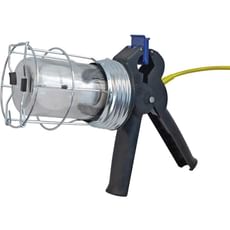
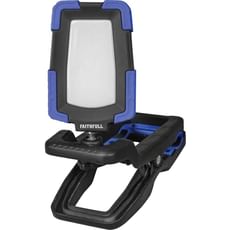
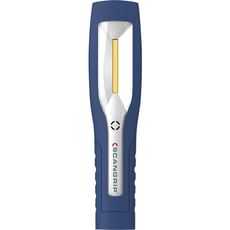
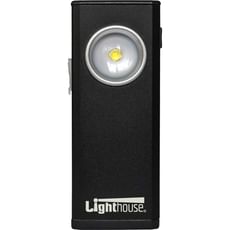
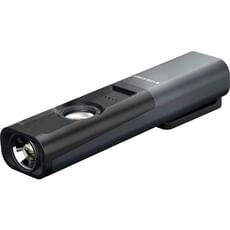
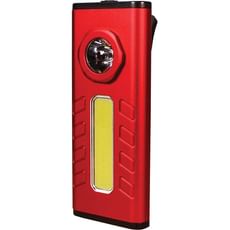
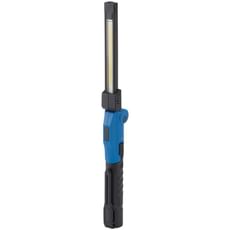
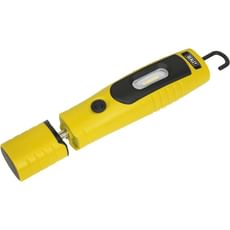
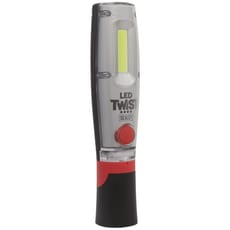
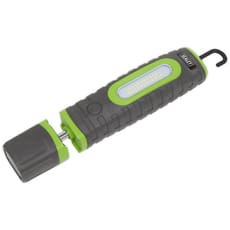
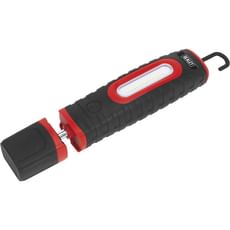
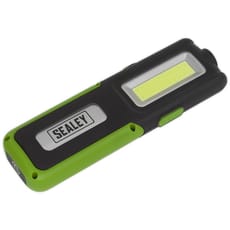
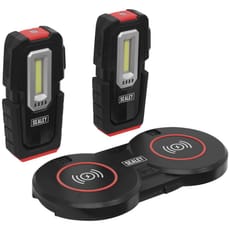
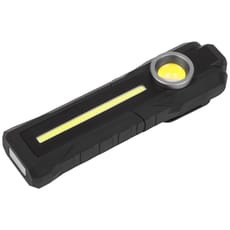
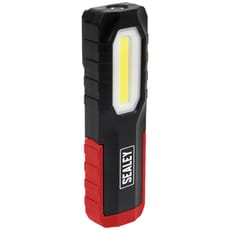
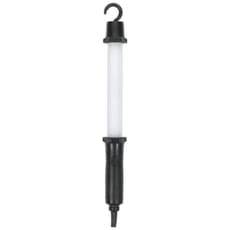
 Loading...
End of content
Error - No more pages to load
About Inspection Lights
Inspection lights are indispensable illumination tools engineered to deliver bright, focused lighting in confined spaces, under vehicles, inside machinery, and other hard-to-reach areas where standard lighting proves inadequate. Whether working under a car bonnet, inspecting electrical installations, or navigating a dark loft space, a quality inspection lamp provides the visibility needed to work safely and accurately. Modern inspection lights have evolved dramatically from traditional bulky work lights, now featuring energy-efficient LED technology, rechargeable lithium-ion batteries, and innovative mounting options including magnetic bases, adjustable hooks, and flexible positioning arms.
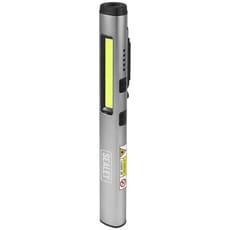
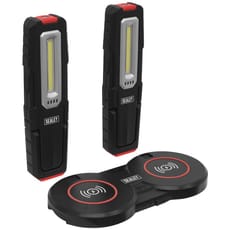
Tooled-Up.com stocks a comprehensive range including everything from compact COB LED pen lights that slip easily into a pocket to powerful rechargeable inspection lamps delivering up to 1000+ lumens of output. With magnetic mounting options, flexible positioning arms, folding designs, and various charging solutions including USB compatibility, today's inspection lights are engineered for maximum versatility on the job. Leading manufacturers like Sealey, Draper, and Scangrip offer professional-grade options built to withstand the rigours of daily workshop and site use, whilst brands like Lighthouse and Faithfull provide excellent value alternatives for DIY enthusiasts and occasional users.
Many modern inspection lights feature advanced functionality such as multiple brightness settings, focused beam and flood light modes, battery level indicators, and USB charging compatibility. Slimline designs allow access to the tightest spaces, whilst robust construction ensures durability in demanding workshop environments. Whether you need a simple under-bonnet light or a professional-grade rechargeable inspection system compatible with existing cordless tool platforms like the Bosch Professional 12V range, selecting the right illumination tool will transform how efficiently and safely you can complete detailed work in poorly lit conditions.
Jargon Buster
- COB LED (Chip-on-Board LED): A LED technology where multiple LED chips are packaged together to create a single, powerful light source. COB LEDs provide exceptionally bright, uniform illumination with excellent colour rendering, making them ideal for inspection work where detail visibility is crucial.
- SMD LED (Surface-Mounted Device LED): Individual LED components mounted directly onto the circuit board of the light. SMD LEDs are typically arranged in arrays to provide broad, even lighting coverage across a wider area than traditional bulbs.
- Lumen Output: The measurement of total visible light emitted by a source. Higher lumen ratings indicate brighter lights – a basic inspection light might offer 100-200 lumens, whilst professional models can deliver 1000+ lumens for demanding applications.
- IP Rating (Ingress Protection): A standardised rating that indicates protection against dust and water ingress. For example, IP54 means protected against dust and water splashes, making the light suitable for workshop environments.
- Li-ion (Lithium-ion) Battery: Rechargeable battery technology offering excellent power-to-weight ratio, minimal memory effect, and consistent performance throughout the discharge cycle. Most modern cordless inspection lights use Li-ion batteries.
- Colour Temperature (Kelvin): Describes the colour appearance of the light, measured in Kelvin (K). Cool white (5000-6500K) provides bright, daylight-like illumination ideal for detailed inspection work, whilst warm white (3000-4000K) is easier on the eyes for extended use.
Who Uses Inspection Lights?
Inspection lights are indispensable tools across numerous trades and applications:
- Motor Vehicle Technicians and Mechanics: Essential for under-bonnet work, undercarriage inspections, and diagnosing issues in engine bays and wheel arches
- Electricians: Vital for illuminating consumer units, back boxes, loft spaces, and other areas where mains lighting is unavailable during installation and fault-finding
- Plumbers and Heating Engineers: Critical for working under sinks, behind radiators, in airing cupboards, and inspecting pipework in confined spaces
- Building and Construction Professionals: Used for site work in properties without power, inspecting cavity walls, and working in unlit areas
- Agricultural and Plant Mechanics: Necessary for maintaining and repairing tractors, combines, and heavy machinery in field conditions
- MOT Testers and Vehicle Inspectors: Required for thorough vehicle underside examinations and brake inspections
- Marine Engineers: Invaluable for engine room work and inspecting below-deck areas on boats and ships
- DIY Enthusiasts and Homeowners: Useful for home repairs, car maintenance, loft inspections, and general household tasks in poorly lit areas
How to Choose the Right Inspection Lights
Power Source and Runtime
Decide between rechargeable models offering cordless convenience and 240v mains-powered options providing unlimited runtime. Rechargeable Li-ion lights are ideal for mobile work but consider battery capacity and charging time. USB-rechargeable models offer flexibility, whilst some professional lights use interchangeable batteries compatible with existing cordless tool platforms. The Bosch Professional range, for example, integrates with their 12V system, allowing tradespeople to share batteries across multiple tools.
Brightness and Beam Pattern
Match lumen output to your application – 100-300 lumens suits general inspection work, whilst 500-1000+ lumens is necessary for large areas or detailed examination. Consider whether you need a focused beam for precision work or wide flood illumination for broader coverage. Many premium models from Scangrip and Sealey offer switchable modes for versatility.
Mounting and Positioning Options
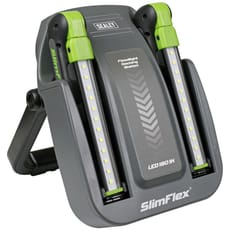
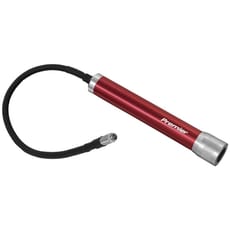
Magnetic bases provide hands-free convenience on ferrous metal surfaces like vehicle panels and machinery. Hanging hooks, fold-out stands, and flexible arms allow positioning in various orientations. Compact pen lights and slimline designs access tight spaces that bulkier units cannot reach. Products like the Draper 36 SMD LED magnetic inspection lamp combine powerful illumination with versatile mounting options.
Durability and Build Quality
Professional users should prioritise robust construction with impact-resistant housings and adequate IP ratings for workshop environments. Rubberised grips prevent slipping, whilst quality brands available from Tooled-Up offer superior longevity compared to budget alternatives. Look for aluminium bodies and reinforced lenses on models destined for daily professional use.
Additional Features
Consider multiple brightness settings for battery conservation, battery level indicators to prevent unexpected power loss, and adjustable colour temperature if working with different materials. Some models include built-in power banks for charging mobile devices – useful on remote sites.
Popular Accessories
- Replacement Batteries: Spare battery packs for extended working time away from charging facilities
- USB Charging Cables: Additional cables for charging in vehicles or from power banks
- Mains Adapters: UK 3-pin charging adapters for workshop-based charging stations
- Protective Cases: Storage pouches and cases to protect lights during transport and storage
- Extension Leads: For 240v mains-powered trailing lights requiring additional reach
- Magnetic Mounts: Additional magnetic accessories for positioning on metal surfaces
- Diffuser Attachments: To soften harsh direct light for close-up detailed work
- Tool Storage Solutions: Foam inserts for van racking or toolbox organisation, including DeWalt TSTAK, Milwaukee PACKOUT, or Makita MakPac systems
Safety Information
Always check that rechargeable lights are switched off before charging to prevent potential damage. Use only the manufacturer's recommended charger and ensure mains-powered units are equipped with proper UK 13A plugs conforming to BS1363 standards. When working in hazardous environments such as those containing flammable vapours or dust, ensure your inspection light has appropriate ATEX certification for explosive atmosphere use.
Avoid looking directly at high-output LED lights, particularly COB units delivering 500+ lumens, as prolonged exposure can cause temporary vision impairment. When working under vehicles, ensure adequate support with axle stands – never rely solely on a jack. For electrical work, always isolate circuits at the consumer unit before using inspection lights in proximity to live conductors, following IET Wiring Regulations (BS 7671).
Be mindful of heat generation – whilst LED technology runs cooler than traditional bulbs, high-output units can still become warm during extended use. Allow adequate cooling time before storing. Ensure inspection lights used on construction sites comply with HSE guidance for temporary lighting, particularly regarding cable management and protection against mechanical damage. When using 240v trailing lights, always inspect cables for damage before use and protect leads from crushing or sharp edges.
Frequently Asked Questions
What's the difference between COB and SMD LED inspection lights?
COB (Chip-on-Board) LEDs provide a single, intensely bright light source delivering focused, powerful illumination ideal for detailed inspection work. SMD (Surface-Mounted Device) LEDs typically feature multiple individual LED points creating broader, more diffused coverage. COB lights generally offer higher lumen output from a compact unit, whilst SMD arrays provide wider beam spread. For concentrated work like engine diagnostics, COB is preferable; for general workshop tasks, SMD offers better all-round visibility.
How long do rechargeable inspection lights typically run between charges?
Runtime varies considerably depending on battery capacity, lumen output, and brightness settings. Compact pen lights might offer 2-4 hours on maximum brightness, whilst professional rechargeable inspection lamps with larger Li-ion batteries can deliver 6-12 hours or more. Many models feature multiple brightness modes – selecting lower output significantly extends runtime. Premium units like Bosch Professional and Scangrip models often provide 8+ hours on medium settings, making them suitable for full working days.
Are magnetic bases strong enough to hold inspection lights on vertical surfaces?
Quality inspection lights with neodymium magnets can securely attach to vertical ferrous metal surfaces, though holding power depends on magnet size and light weight. Compact lights under 200g typically hold well vertically, whilst heavier units may require horizontal or angled placement. Always test the hold before releasing the light completely. Some premium models feature rubberised magnetic pads that improve grip and protect paintwork on vehicles. Magnetic strength diminishes on painted surfaces compared to bare metal.
Can I use standard inspection lights in damp or wet conditions?
This depends on the light's IP (Ingress Protection) rating. Lights rated IP54 or higher offer splash resistance suitable for damp workshop environments, whilst IP65+ units provide protection against water jets and are appropriate for outdoor or wet conditions. Basic inspection lights without adequate IP ratings should be kept dry. Always check manufacturer specifications – using non-protected lights in wet conditions risks electric shock with 240v mains-powered units or damage to rechargeable batteries and electronics.
What brightness level do I need for automotive inspection work?
For general under-bonnet and interior vehicle work, 300-500 lumens provides adequate illumination. Detailed engine diagnostics and undercarriage inspections benefit from 500-800 lumens, whilst professional MOT bay work may require 1000+ lumens for thorough examination of brake components and suspension. Consider lights offering multiple brightness settings for versatility – high output for detailed inspection and lower settings for general visibility, which also conserves battery life during extended diagnostic sessions.