

Inspection & Pick Up Tools

Pay in 3 interest-free payments on purchases from £20-£3000 with  . Learn more.
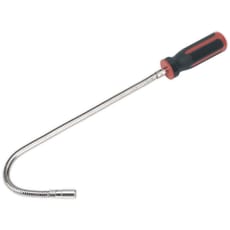
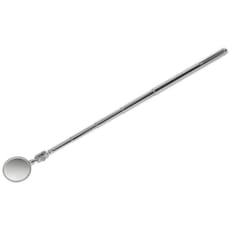
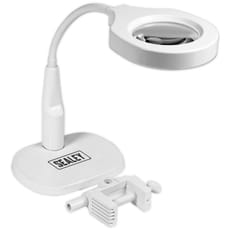
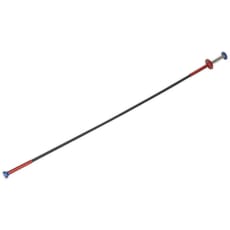


 Loading...
End of content
Error - No more pages to load
About Inspection & Pick Up Tools
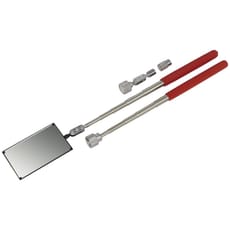
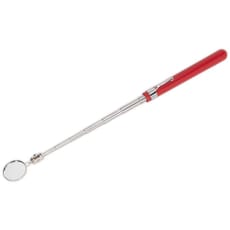
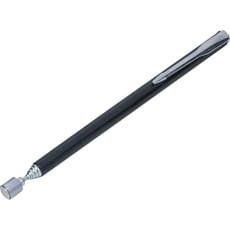
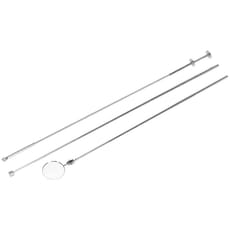
Inspection and pick up tools are essential problem-solvers for tradespeople and DIY enthusiasts who regularly face the challenge of retrieving dropped items from awkward spaces or examining hard-to-reach areas. This versatile category encompasses specialised equipment designed to save time, reduce frustration, and maintain productivity on site. From magnetic retrievers that can fish out dropped sockets from engine bays to telescopic inspection mirrors that provide visual access around corners and behind fixtures, these tools address everyday problems that can otherwise bring work to a frustrating halt.
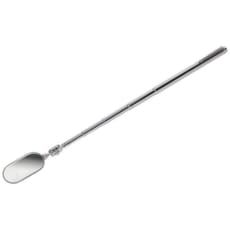
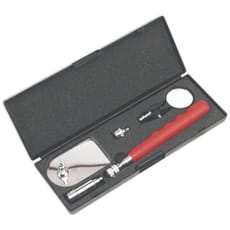
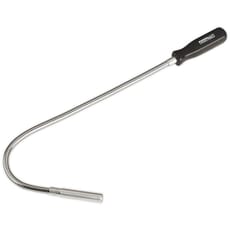
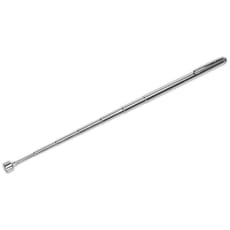
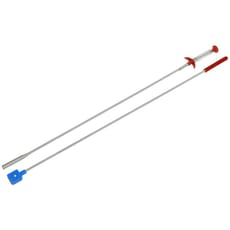
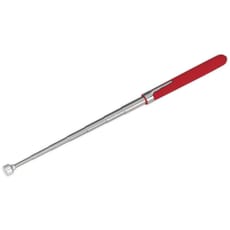
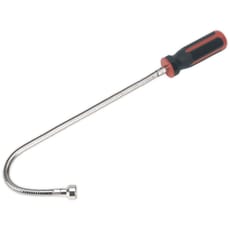
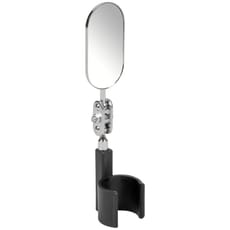
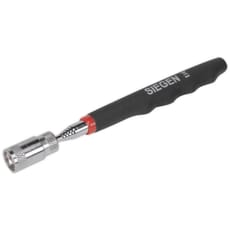
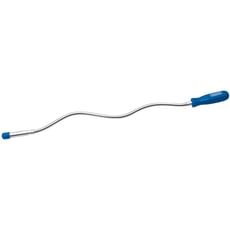
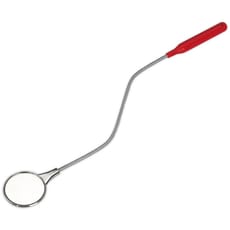
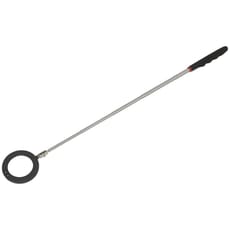
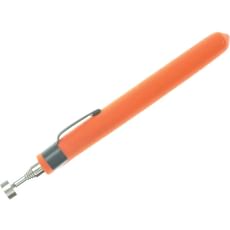
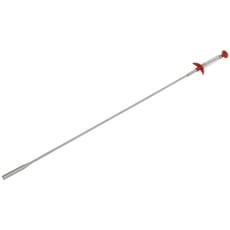
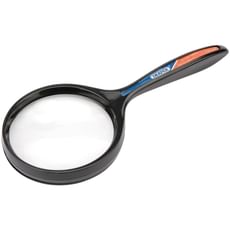
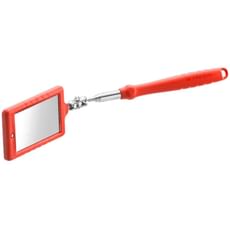
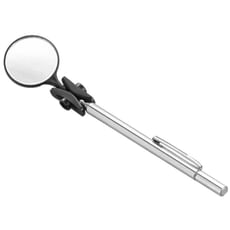
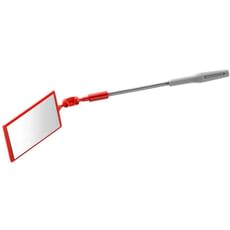
The range available from Tooled-Up.com includes magnetic pick up tools for retrieving ferrous metal objects, claw pick up tools with flexible grabbing mechanisms for non-magnetic items, inspection mirrors for visual examination of concealed areas, magnifying glasses for detailed inspection work, and various magnets for holding, organising, and retrieving metal components. Whether you're a mechanic working beneath a vehicle, an electrician checking behind wall cavities, a plumber inspecting pipework in confined spaces, or a DIY enthusiast tackling home maintenance, these tools help you work smarter and avoid costly delays caused by dropped fixings or inaccessible components.
Modern inspection and pick up tools combine robust construction with practical design features such as telescopic handles that extend your reach, LED illumination for dark spaces, articulating heads that pivot to multiple angles, and ergonomic grips for comfortable operation. Many professionals keep several of these tools in their everyday toolkit, recognising that the modest investment pays for itself many times over by preventing the need to dismantle equipment, abandon expensive fixings, or waste valuable time on site. Professional-grade options from brands including Stanley, Bahco, and Knipex deliver the durability required for daily trade use.
Jargon Buster
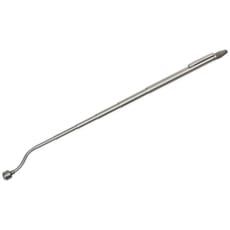
- Telescopic Handle: An extendable shaft that allows the tool to reach greater distances, typically featuring a twist-lock or push-button mechanism to secure the desired length. Common on both pick up tools and inspection mirrors, with extensions ranging from pocket-sized to over one metre.
- Neodymium Magnet: A type of rare-earth magnet offering exceptional holding strength relative to its size. These powerful magnets are commonly used in professional-grade magnetic pick up tools and can lift several kilograms of ferrous metal whilst remaining compact and lightweight.
- Articulating Head: A pivoting or rotating mechanism at the tool's end that allows positioning at various angles, particularly useful on inspection mirrors for viewing around corners, behind obstacles, and into confined spaces.
- Ferrous Metal: Iron-containing metals that are attracted to magnets, including steel, iron, and some stainless steel grades. Magnetic pick up tools only work with ferrous materials; non-magnetic items require claw-style tools instead.
- Claw Mechanism: A spring-loaded gripping system with flexible prongs that can grasp non-magnetic objects when the tool's plunger is pressed, releasing them when the plunger is released. Essential for retrieving aluminium, plastic, and non-magnetic stainless steel items.
- LED Illumination: Battery-powered lighting integrated into inspection tools to illuminate dark spaces such as engine bays, roof voids, behind wall cavities, or inside cabinets, eliminating the need for separate torches.
Who Uses Inspection & Pick Up Tools?
Inspection and pick up tools are invaluable across numerous trades and industries:
- Motor Mechanics and Vehicle Technicians: Retrieving dropped bolts, washers, and sockets from engine compartments and inspecting hard-to-reach components beneath vehicles
- Electricians: Examining wiring in ceiling voids, retrieving dropped fixings from electrical enclosures, inspecting connections behind fixtures, and checking work in consumer units
- Plumbers and Heating Engineers: Inspecting pipework behind walls, retrieving dropped compression fittings and washers, examining joints in confined spaces beneath floors and in ceiling voids
- Joiners and Carpenters: Picking up dropped screws and nails from machinery, inspecting alignment in tight spaces, examining detailed joinery work, and retrieving fixings from floor cavities
- HVAC Engineers: Inspecting ductwork and ventilation systems, retrieving tools from plant rooms, examining equipment installations in ceiling spaces
- Manufacturing and Assembly Workers: Retrieving dropped components from machinery, inspecting assembly quality, preventing production line stoppages caused by lost fixings
- Agricultural and Plant Engineers: Working on large machinery where dropped items can fall deep into engine compartments or undercarriages
- DIY Enthusiasts: Home maintenance, vehicle repairs, and renovation projects where items inevitably fall into awkward locations behind appliances, down cavities, or into drainage areas
- Marine Engineers: Working in the confined spaces of boat engine compartments and bilges where dropped items are particularly difficult to retrieve manually
How to Choose the Right Inspection & Pick Up Tools
Consider the Working Environment: Determine the typical distances you need to reach. Telescopic tools extend from pocket-sized lengths of 150mm to over one metre, with longer tools better suited for mechanics and automotive work, and shorter ones ideal for electronics or precision engineering. Consider whether you need a rigid or flexible shaft – rigid shafts offer more precise control and stability, whilst flexible versions can navigate around obstacles and into curved spaces.
Material Compatibility: Identify whether you primarily handle ferrous metals (requiring magnetic pick up tools) or non-magnetic materials such as aluminium, brass, plastic, or austenitic stainless steel fixings (requiring claw-style tools). Many professionals carry both types to cover all eventualities on site, ensuring they're never caught out by dropped non-magnetic components.
Lifting Capacity: Magnetic pick up tools range from lightweight versions lifting 500g to heavy-duty models capable of 20kg or more. Choose based on the typical weight of items you retrieve – mechanics may need higher capacity for heavy sockets and spanners, whilst electronics work requires only minimal lifting force. Neodymium magnets provide superior lifting power in more compact designs compared to ceramic magnets.
Illumination Requirements: If you frequently work in poorly lit areas such as beneath vehicles, inside cabinets, in roof spaces, or behind wall-mounted fixtures, prioritise inspection mirrors and pick up tools with integrated LED lighting. Battery-powered illumination eliminates the need for separate torches and keeps both hands available for work, significantly improving visibility and safety in confined spaces.
Mirror Size and Magnification: Inspection mirrors come in various head sizes from 25mm diameter to over 100mm. Smaller mirrors navigate tighter spaces such as inside engines or electrical enclosures but provide a more limited view, whilst larger versions offer better visibility in more open areas like ceiling voids and underfloor spaces. Some mirrors incorporate magnification for detailed inspection work, though these typically have smaller viewing areas.
Build Quality and Durability: Professional-grade tools from brands like Stanley, Bahco, and Knipex feature stainless steel construction, comfortable cushioned grips, and robust locking mechanisms that withstand daily site use and the inevitable knocks of working in confined spaces. Budget options may suffice for occasional DIY use but often lack the durability, secure locking mechanisms, and reliable magnets required for trade applications.
Handle Comfort and Control: For frequent use, ergonomic grips with cushioned sections reduce hand fatigue and provide better control in awkward positions. Knurled or textured handles prevent slipping when working with oily or wet hands, common in automotive and plumbing applications.
Popular Accessories
- LED Torches and Work Lights: Complement inspection mirrors by providing additional illumination in dark workspaces, engine bays, and roof voids
- Tool Tethers and Lanyards: Prevent dropping tools when working at height, above machinery, or in awkward positions where retrieval would be difficult
- Parts Trays and Magnetic Bowls: Keep retrieved fixings organised and secure, preventing them being dropped again during reassembly work
- Borescopes and Endoscopes: Digital inspection cameras with LCD screens or smartphone connectivity for detailed visual examination where mirrors cannot reach or angles are impossible
- Replacement Batteries: For LED-equipped inspection tools to ensure continuous operation without interruption on site
- Tool Belts and Pouches: Keep inspection and pick up tools readily accessible whilst working, reducing time spent returning to toolboxes
- Work Gloves: Protect hands when retrieving items from tight spaces with sharp edges, hot surfaces, or rough materials
- Workshop Magnets: Larger stationary magnets for parts organisation, holding materials during fabrication, and keeping fixings secure on metal surfaces
- Anti-Fog Spray: Prevents condensation on inspection mirror surfaces when moving between different temperature environments
- Microfibre Cleaning Cloths: Keep mirror surfaces clean and clear for optimal visibility during inspection work
Safety Information
Magnetic Field Awareness: Strong neodymium magnets can potentially affect pacemakers, implantable cardioverter defibrillators (ICDs), and other medical devices. Individuals with such devices should maintain appropriate distances and consult medical professionals before using powerful magnetic tools. Keep magnetic pick up tools away from mechanical watches, magnetic storage media, and sensitive electronic equipment.
Pinch and Crush Hazards: The strong attraction force of powerful magnets can cause pinching injuries when they snap together unexpectedly or attract to nearby metal surfaces. Handle heavy-duty magnetic tools carefully, especially around metal workbenches, vehicle bodies, and steel structures. Keep fingers clear of the magnetic head when approaching ferrous surfaces.
Working at Height: When using inspection mirrors or pick up tools at height, on ladders, or above machinery, ensure you maintain three points of contact and stable positioning. Consider using tool tethers to prevent dropping tools onto people or equipment below, in accordance with HSE guidance for working at height.
Sharp Edges and Confined Spaces: Take care when reaching into confined spaces, behind panels, or into machinery where sharp edges, hot surfaces, or moving parts may be present. Wear appropriate work gloves and ensure machinery is isolated before reaching into equipment. Never assume a space is safe simply because it appears accessible.
Electrical Safety: When using metal pick up tools around live electrical equipment, ensure power is isolated first. Metal shafts can conduct electricity if they contact live terminals. When working in electrical enclosures, follow safe isolation procedures and use appropriate personal protective equipment.
Tool Condition: Regularly inspect telescopic mechanisms for secure locking, check that magnets remain firmly attached, and ensure mirrors are crack-free and securely mounted. Damaged tools may fail during use, potentially causing dropped items or injury. Replace worn or damaged tools rather than continuing to use compromised equipment.
Frequently Asked Questions
What's the difference between neodymium and ceramic magnets in pick up tools?
Neodymium (rare-earth) magnets offer significantly greater holding power in a smaller, lighter package compared to traditional ceramic magnets. A neodymium magnetic pick up tool might lift 5kg whilst being half the weight and size of a ceramic equivalent. For professional use, neodymium tools provide better reach, reduced fatigue during extended use, and superior performance, though they command a higher price. Ceramic magnets remain adequate for light DIY applications where maximum lifting capacity isn't critical. Browse the selection at Tooled-Up.com to compare different magnet types and lifting capacities.
Can magnetic pick up tools damage electronic components or mobile phones?
Modern electronics including smartphones are generally resistant to the magnetic fields produced by handheld pick up tools, as they contain no moving magnetic storage media like old floppy disks or cassette tapes. However, strong magnets can potentially affect pacemakers, mechanical watches with balance wheels, and some older equipment with magnetic sensors. Exercise caution around sensitive equipment and maintain reasonable distances. The magnetic field strength drops rapidly with distance from the magnet, so keeping tools 100-200mm away from sensitive devices provides good protection.
Why won't my magnetic pick up tool attract stainless steel screws?
Not all stainless steel grades are magnetic. Austenitic stainless steels (the most common type, including 304 and 316 grades used for corrosion resistance) contain high levels of nickel and chromium that make them non-magnetic. Ferritic and martensitic stainless steels are magnetic. For non-magnetic stainless fixings, aluminium components, brass fittings, or plastic items, you'll need a claw-style pick up tool instead. Many tradespeople carry both types to handle any material they encounter on site.
How do I prevent condensation fogging my inspection mirror?
When moving from cold outdoor conditions into warm spaces (or vice versa), mirrors can fog due to condensation forming on the cooler surface. Professional mechanics often apply a thin film of washing-up liquid, commercial anti-fog spray, or even a light coating of shaving foam (wiped clean) to mirror surfaces before use. This prevents moisture from forming droplets by creating a hydrophilic surface. Allow mirrors to acclimatise to temperature changes when possible, store them in the working environment, and wipe clean with a microfibre cloth before use for optimal visibility.
What length of pick up tool or inspection mirror should I choose?
Consider your most common applications when selecting length. Motor mechanics typically benefit from 600-900mm telescopic tools for engine bay access and undercar work. Electricians working in domestic properties often prefer 300-600mm tools for ceiling void access and behind consumer units. Electronics technicians may only need 150-300mm pocket tools for working inside equipment. Rather than compromising with one intermediate size, many professionals at Tooled-Up invest in multiple lengths or choose telescopic models that extend when needed but remain compact for storage in toolboxes and transport in vans.