

Insulation Tape
Pay in 3 interest-free payments on purchases from £30-2000 with  . Learn more.
 Loading...
End of content
Error - No more pages to load
About Insulation Tape
Insulation tape, widely known as electrical tape, is an indispensable product for electricians, maintenance engineers, and DIY enthusiasts working on electrical installations and repairs. Manufactured primarily from flexible PVC (polyvinyl chloride), this specialised tape provides essential electrical insulation for wire connections, cable joints, and terminations in domestic and commercial settings. Beyond its primary electrical function, insulation tape proves invaluable for cable bundling, colour-coding circuits, protecting exposed wiring, and creating weather-resistant seals in challenging environments. The flame-retardant properties and dielectric strength of quality electrical tape make it a critical safety product for any work involving 240v mains electricity or low-voltage circuits.
The range available at Tooled-Up.com includes professional-grade PVC insulation tape from established manufacturers including Faithfull, Sealey, Sirius, and Unibond. These trusted brands produce tapes that comply with BS EN 60454 standards, ensuring reliable performance across typical UK temperature ranges from -18°C to +105°C. Available in single rolls for occasional repairs or convenient multi-packs for busy tradespeople, the selection caters to professional electricians working to IET Wiring Regulations, facilities maintenance teams, automotive technicians, and home improvers tackling electrical projects.
Modern insulation tapes feature advanced adhesive formulations that bond strongly to cable insulation, metal conductors, and themselves when wrapped in overlapping layers. The conformable nature of quality PVC tape allows it to stretch and mould around irregular shapes, tight corners, and cable junctions, ensuring complete coverage without gaps that could compromise electrical safety. Premium products also demonstrate excellent resistance to moisture ingress, UV degradation, and mechanical abrasion, making them suitable for both indoor installations and temporary outdoor applications throughout the UK climate.
Jargon Buster
- PVC Insulation Tape
- Polyvinyl chloride tape specifically engineered to provide electrical insulation on cables and connections. Features flame-retardant properties and dielectric strength sufficient to prevent current leakage, meeting UK safety standards for electrical work.
- Dielectric Strength
- The maximum voltage that insulation tape can withstand before electrical breakdown occurs. Quality electrical tape typically offers dielectric strength between 4,000 and 7,000 volts per layer, providing substantial safety margins for 240v domestic installations.
- Conformability
- The tape's ability to stretch and adapt to irregular surfaces, corners, and cable joints. High conformability ensures complete coverage without voids or gaps that could compromise electrical insulation and safety.
- Adhesion Strength
- The bonding force of the tape's adhesive backing to cables, terminals, and itself when wrapped in multiple layers. Measured in ounces per inch width, strong adhesion prevents unwrapping over time or in variable temperatures.
- Temperature Rating
- The operational temperature range within which the tape maintains its insulating properties and adhesive strength. UK working environments typically demand tape rated from at least -10°C to +80°C for reliable year-round performance.
- Flame Retardant
- A critical safety characteristic ensuring the tape will not support combustion if exposed to electrical arcing or heat sources. All quality electrical tapes must meet BS EN standards for flame retardancy to comply with UK electrical regulations.
Who Uses Insulation Tape?
- Electricians and Electrical Contractors: Professional sparkies rely on insulation tape daily for domestic rewiring, commercial installations, testing and inspection work, and emergency electrical repairs across all sectors.
- Maintenance Engineers: Facilities management teams and maintenance technicians use electrical tape for equipment repairs, cable management systems, temporary fixes, and routine electrical maintenance in commercial and industrial premises.
- Automotive Mechanics: Motor trade professionals depend on insulation tape for vehicle wiring repairs, protecting connections from moisture and vibration, and maintaining electrical systems in cars, vans, and commercial vehicles.
- HVAC Engineers: Heating, ventilation, and air conditioning specialists need quality tape for securing and insulating thermostat wiring, control circuits, and electrical connections in climate control systems.
- IT and Network Installers: Data centre technicians and audiovisual installers use electrical tape for cable management, bundling network cables, colour-coding circuits, and securing low-voltage connections in server rooms.
- Agricultural Workers: Farmers and agricultural contractors use specialised silage tape for repairing bale wrap and sheeting, alongside standard electrical tape for farm equipment maintenance and outdoor electrical repairs.
- DIY Enthusiasts: Home improvers need reliable insulation tape for domestic electrical repairs, appliance maintenance, lighting installations, and general household projects involving 240v circuits.
- Events and Theatre Technicians: Entertainment industry professionals use electrical tape for securing lighting cables, marking stage positions, cable management, and temporary installations at venues and outdoor events.
How to Choose the Right Insulation Tape
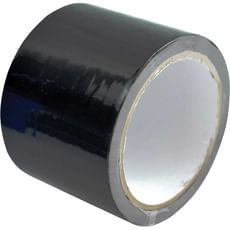
Application Type: Consider whether you're performing electrical insulation, cable bundling, temporary repairs, or specialised tasks. Standard PVC electrical tape suits most domestic 240v applications, whilst specialised products like Faithfull's 75mm wide silage tape serve agricultural repair work. For professional electrical installations, always select tape meeting BS EN 60454 standards to ensure regulatory compliance and electrical safety.
Voltage Rating and Dielectric Strength: Verify the dielectric strength matches your application requirements. Domestic UK installations operating at 240v require tape rated to at least 600 volts, though professional-grade options offering 7,000v protection provide additional safety margins. Never compromise on voltage rating when working with mains electricity or use substandard tape on live electrical circuits.
Temperature Performance: UK weather conditions vary considerably, so select tape rated for your specific working environment. Indoor applications typically require -10°C to +80°C performance, whilst outdoor installations, engine bays, or industrial settings benefit from extended temperature ranges (-18°C to +105°C). Agricultural and industrial users should prioritise higher temperature tolerances for demanding conditions.
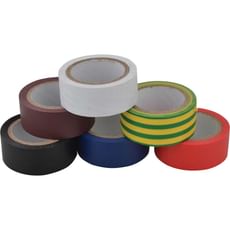
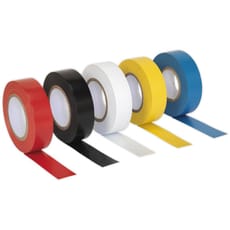
Colour Coding Requirements: Black tape remains the most popular choice for general electrical work, but multi-coloured packs enable circuit identification and phase marking. Professional electricians often use different colours to distinguish between live, neutral, and earth connections, or to identify specific circuits in complex installations, proving invaluable during future maintenance and troubleshooting work.
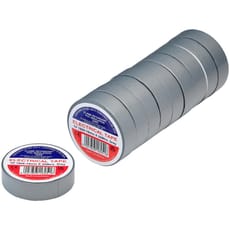
Pack Size and Value: Single rolls suit occasional DIY use and emergency repairs, whilst multi-packs from brands like Sealey and Unibond offer superior value for tradespeople and busy commercial sites. Consider your usage frequency—professional electricians typically prefer 10-packs to ensure they never run short during critical jobs or when working on large installations.
Brand Quality and Consistency: Established manufacturers like Faithfull, Sealey, and Sirius produce tape to consistent specifications with reliable adhesion, conformability, and insulating properties. Professional-grade tape from reputable suppliers stocked at Tooled-Up ensures compliance with UK electrical regulations and provides peace of mind on safety-critical applications where substandard materials could pose serious risks.
Popular Accessories
- Wire Strippers and Cable Cutters: Essential preparation tools for removing cable insulation and cutting wires to length before applying insulation tape, available from premium brands including Knipex, Wiha, and Wera.
- Voltage Testers and Multimeters: Critical safety equipment for confirming circuits are completely isolated before carrying out any electrical repairs requiring insulation tape, preventing potentially fatal electric shocks.
- Cable Ties and Fixing Clips: Complementary products for securing bundled cables after wrapping with electrical tape, creating neat, professional installations that comply with BS 7671 wiring regulations.
- Heat Shrink Tubing: Alternative or supplementary insulation method providing more permanent, weatherproof protection for cable joints and terminations, particularly valuable for outdoor or high-moisture environments.
- Self-Amalgamating Tape: Specialist waterproof tape that bonds to itself without adhesive, ideal for high-voltage applications, outdoor cable repairs, and creating weatherproof seals on awkward connections.
- Tool Pouches and Belts: Convenient storage solutions from Snickers and Scruffs for carrying tape rolls alongside other electrical tools and equipment on site, keeping essentials within easy reach.
- Cable Markers and Identification Labels: Professional circuit documentation products for compliance with BS 7671 wiring regulations and creating clear, permanent records of electrical installations.
- Junction Boxes and Cable Connectors: Proper termination accessories that work alongside insulation tape to create safe, compliant permanent electrical connections in domestic and commercial installations.
Safety Information
Electrical Safety Protocol: Always isolate electrical circuits at the consumer unit or distribution board before commencing any work requiring insulation tape. Use a proper voltage tester or multimeter to confirm circuits are completely dead—never rely on visual inspection or light switches alone. Insulation tape should only be used on low-voltage domestic circuits (240v maximum) and must never substitute for proper cable connectors, terminal blocks, or junction boxes in permanent installations. Ensure all electrical work complies with BS 7671 (IET Wiring Regulations) and Part P of Building Regulations where applicable in England and Wales.
Application Standards: When wrapping cable joints, connections, or exposed conductors, apply insulation tape with 50% overlap between wraps, stretching slightly to activate the adhesive and ensure proper conformability around the cable. Use at least two complete layers to achieve adequate electrical insulation and protection. Never apply tape to damp, greasy, or dirty surfaces, as contamination severely compromises adhesion and electrical safety. Replace any deteriorating tape immediately if you notice cracking, unwrapping, loss of flexibility, or discolouration during routine inspection.
Professional Requirements: Qualified electricians must ensure all materials used, including insulation tape, meet current UK standards and regulations for the specific application. Whilst tape provides effective temporary insulation, proper heat shrink tubing, crimped connectors, or approved terminal blocks offer more robust long-term solutions for permanent installations. The HSE recommends regular inspection of temporary repairs to ensure they haven't degraded over time. Store insulation tape in cool, dry conditions away from direct sunlight and heat sources to maintain adhesive properties and prevent premature deterioration.
Frequently Asked Questions
Can I use insulation tape on live electrical circuits?
No, never apply insulation tape to live circuits under any circumstances. Always isolate power at the consumer unit, lock off if possible, and verify the circuit is dead using a voltage tester before commencing work. Working on live circuits poses serious risk of electric shock, burns, and death, and is illegal for most applications under UK electrical safety regulations. Even qualified electricians require specific authorisation, training, and safety procedures for live working.
How long does electrical tape last once applied?
Quality PVC insulation tape typically maintains its electrical and physical properties for 3-5 years when applied correctly in indoor domestic environments at stable temperatures. Outdoor applications, high-temperature locations, or areas with significant UV exposure may reduce this lifespan considerably. Regularly inspect taped connections for signs of deterioration including unwrapping, cracking, brittleness, or discolouration, and replace any degraded tape immediately to maintain electrical safety standards.
What's the difference between insulation tape and duct tape?
Insulation tape is specifically manufactured for electrical applications with flame-retardant PVC and dielectric properties to prevent current flow and resist electrical breakdown. Duct tape completely lacks these crucial safety features and should never be used on electrical circuits or connections. Whilst both products adhere to surfaces, only proper PVC electrical tape meets BS EN standards for voltage resistance and fire safety required for electrical work in the UK.
Can I use black insulation tape outdoors permanently?
Standard PVC electrical tape works outdoors for temporary applications but UV exposure and moisture gradually degrade the material and adhesive. For permanent outdoor electrical connections, always use weatherproof junction boxes with proper cable glands and IP-rated enclosures, supplemented with self-amalgamating tape or heat shrink tubing for superior moisture protection. Never rely solely on insulation tape to protect outdoor electrical connections from direct water ingress regardless of tape quality.
How many layers of insulation tape do I need for 240v circuits?
Apply a minimum of two complete layers with 50% overlap for adequate insulation on domestic 240v circuits, stretching the tape slightly during application to ensure proper conformability and adhesive activation. Professional installations often use three layers for additional safety margins. However, remember that insulation tape provides temporary protection—proper cable connectors, terminal blocks, or junction boxes within appropriate enclosures remain the safest solution for permanent electrical installations complying with BS 7671.