

Internal Sockets

Pay in 3 interest-free payments on purchases from £20-£3000 with  . Learn more.
 Loading...
End of content
Error - No more pages to load
About Internal Sockets
Internal sockets, also known as internally threaded resin sockets or sleeve anchors, are specialist fixings designed to create secure, load-bearing threaded anchor points in solid substrates such as concrete, brick, stone, and masonry. These precision-engineered components consist of a cylindrical sleeve with internal threads that accept standard bolts, allowing for adjustable, removable, or replaceable fixings in situations where traditional anchor systems may not be suitable. Internal sockets are particularly valuable when working with resin anchoring systems, as they provide a permanent threaded insert that can accommodate multiple bolt sizes and allow for future maintenance or adjustment without disturbing the anchor itself.
The range at Tooled-Up.com predominantly features products from Rawlplug, a trusted name in professional fixings and fasteners, with options available in both A2 and A4 stainless steel, as well as zinc-plated variants. These materials offer excellent corrosion resistance for both internal and external applications, making them ideal for demanding construction environments and long-term installations. Internal sockets are typically used in conjunction with chemical resin anchoring systems, where the socket is placed into a pre-drilled hole, resin is injected around it, and once cured, provides an incredibly strong and durable fixing point that can withstand significant tensile and shear loads.
Whether you're a structural engineer specifying fixings for critical applications, a general builder installing heavy equipment, or a facilities manager maintaining industrial machinery, internal sockets provide a professional, reliable solution for creating adjustable anchor points in solid substrates. Their versatility makes them essential for applications ranging from structural steel fixings and balustrade installations to machinery mounting and facade anchoring systems, particularly where future access or component replacement is anticipated.
Jargon Buster
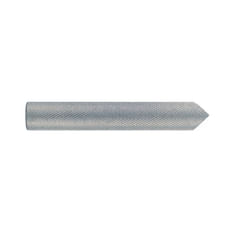
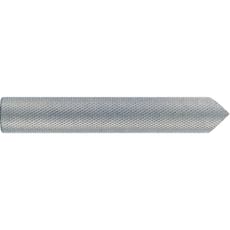
- Internally Threaded Socket – A cylindrical sleeve with threads on the inside surface, designed to accept standard bolts. The external surface is typically knurled or textured to key into resin or grout for maximum pull-out resistance.
- A2 and A4 Stainless Steel – Corrosion-resistant steel grades commonly used in fixings. A2 (also called 304 or 18/8 stainless) suits most internal applications, whilst A4 (316 grade) offers superior resistance to chlorides and is specified for marine and coastal environments.
- Resin Anchoring System – A chemical fixing method where two-part polyester or epoxy resin is injected into a drilled hole, bonding the anchor to the substrate material. Offers exceptional load-bearing capacity and is ideal for cracked or hollow base materials.
- Pull-Out Resistance – The maximum tensile force an anchor can withstand before being extracted from the substrate. This critical specification determines the socket's suitability for load-bearing applications.
- Embedment Depth – The minimum depth the internal socket must be installed into the base material to achieve its rated load capacity, typically specified in millimetres according to substrate type and strength.
- Thread Profile – The size and pitch of the internal threads, specified in metric (M8, M10, M12, etc.) or imperial measurements, which must match the bolt or threaded rod being used.
Who Uses Internal Sockets?
- Structural Engineers – Specifying fixings for steel frame connections, beam-to-masonry attachments, and critical load-bearing applications
- General Builders and Contractors – Installing heavy equipment, securing structural elements, and creating adjustable fixing points in renovation and new-build projects
- Facade Engineers and Cladding Specialists – Mounting curtain walling systems, architectural features, and external cladding to concrete and masonry substrates
- Steelwork Fabricators – Creating connection points for structural steelwork to concrete foundations and walls
- Mechanical and Electrical Engineers – Mounting heavy machinery, plant equipment, HVAC systems, and electrical distribution boards
- Facilities and Maintenance Managers – Installing and maintaining industrial equipment where regular access or adjustment may be required
- Shopfitters and Retail Installers – Securing racking systems, shelving, and display fixtures to solid floors and walls
- Civil Engineering Contractors – Installing infrastructure fixings for bridges, tunnels, and public works projects
How to Choose the Right Internal Sockets
Material Selection: Choose A2 stainless steel for internal applications and standard external use where corrosion resistance is required. Specify A4 grade stainless steel for coastal locations, marine environments, or areas exposed to de-icing salts and chlorides. Zinc-plated options offer economical protection for less demanding internal applications.
Thread Size and Type: Select the socket thread size to match your bolt or threaded rod specification. Common metric sizes include M8, M10, M12, M16, and M20. Ensure compatibility with your chosen fastener and verify that the thread pitch matches UK and European standards (coarse thread is most common for construction applications).
Load Requirements: Calculate the expected tensile and shear loads for your application and select sockets rated appropriately. Consult manufacturer load tables and consider safety factors, especially for critical structural applications. Always verify embedment depth requirements to achieve rated capacity.
Substrate Condition: Internal sockets used with resin anchoring systems perform well in cracked concrete and can accommodate variations in hole diameter, making them more forgiving than mechanical anchors. However, substrate strength remains critical—always verify the base material meets minimum compressive strength requirements.
Installation Environment: Consider temperature extremes, chemical exposure, and moisture levels when selecting materials. A4 stainless steel excels in aggressive environments, whilst standard grades suit controlled conditions. Some applications may require specific certifications or approvals for fire resistance or seismic performance.
Accessibility and Maintenance: One key advantage of internal sockets is the ability to remove and replace bolts without disturbing the anchor. Choose this system when future adjustment, maintenance access, or component replacement is anticipated.
Popular Accessories
- Chemical Resin Anchoring Systems – Two-part polyester or epoxy resin cartridges (typically from Fischer or Rawlplug) specifically designed for bonding internal sockets into drilled holes
- Dispensing Guns – Manual or pneumatic applicators for accurately injecting resin into prepared holes
- Static Mixing Nozzles – Disposable nozzles that blend the two resin components during application for consistent curing
- SDS Drill Bits – Percussion drill bits in appropriate diameters for preparing clean, accurate holes in masonry substrates
- Hole Cleaning Equipment – Blow pumps, wire brushes, and vacuum equipment for removing dust and debris to ensure proper resin adhesion
- Matching Bolts and Washers – Stainless steel or zinc-plated bolts in corresponding grades and thread sizes, with appropriate washers
- Torque Wrenches – For applying correct tightening torque without over-stressing the anchor or substrate
- Thread Cleaning Tools – Taps and thread chasers for clearing resin from internal threads before bolt installation
Safety Information
When installing internal sockets with chemical resin systems, always work in well-ventilated areas as uncured resin produces strong fumes that can cause respiratory irritation. Wear appropriate PPE including safety glasses, nitrile gloves, and respiratory protection when working overhead or in confined spaces. Consult COSHH data sheets for specific resin products and follow manufacturer guidance on skin contact and ventilation requirements.
Ensure correct PPE is worn when drilling, including hearing protection, safety goggles, and dust masks rated FFP2 or higher to protect against respirable crystalline silica from concrete and masonry. Always verify that no embedded services (electrical cables, water pipes, or gas lines) are present before drilling by using appropriate detection equipment.
For structural and load-bearing applications, installation should be carried out by competent persons following manufacturer specifications and relevant British and European standards. Never exceed rated load capacities, and always apply appropriate safety factors. Regular inspection and maintenance of fixings is recommended for critical applications, particularly where dynamic loads or vibration are present. When working at height, ensure full compliance with HSE working at height regulations and use appropriate access equipment and fall protection systems.
Frequently Asked Questions
What's the difference between A2 and A4 stainless steel internal sockets?
A2 stainless steel (304 grade) offers good corrosion resistance for most internal and general external applications. A4 stainless steel (316 grade) contains additional molybdenum, providing superior resistance to chlorides, making it essential for coastal environments, marine applications, or areas exposed to de-icing salts. For typical construction projects away from aggressive environments, A2 grade provides excellent performance at a lower cost.
Can internal sockets be used in cracked concrete?
Yes, when used with appropriate chemical resin anchoring systems, internal sockets perform reliably in cracked concrete. The resin fills voids and bonds to the substrate, distributing loads effectively even in compromised base materials. This makes them superior to mechanical expansion anchors in situations where substrate cracking is present or anticipated. Always consult manufacturer load ratings specific to cracked concrete applications.
How deep should I drill for internal socket installation?
Drilling depth depends on the socket length, thread size, and required load capacity. As a general rule, drill approximately 10-15mm deeper than the socket length to accommodate resin displacement and prevent the socket bottoming out. Always refer to manufacturer specifications for exact embedment depths required to achieve rated load capacities in your specific substrate type and strength class.
How long does resin take to cure before the socket can be loaded?
Curing time varies with resin type and ambient temperature. Fast-cure polyester resins may achieve working strength in 20-45 minutes at 20°C, whilst epoxy systems might require several hours. Cold temperatures significantly extend curing times, whilst heat accelerates the process. Never apply load to the fixing before the manufacturer's specified cure time has elapsed, and consider extended cure times for full load capacity in critical applications.
Can I reuse the internal socket if I need to remove the bolt?
Yes, this is one of the primary advantages of internal sockets available from Tooled-Up.com. Once installed and cured, the socket provides a permanent threaded anchor point that accepts standard bolts which can be removed and replaced as needed. This makes them ideal for applications requiring maintenance access, seasonal equipment changes, or future modifications. Ensure threads remain clean and undamaged for optimal bolt engagement.