

Irrigation Systems

Pay in 3 interest-free payments on purchases from £20-£3000 with  . Learn more.
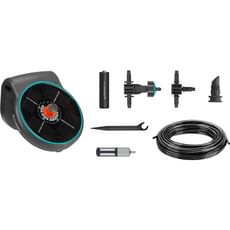
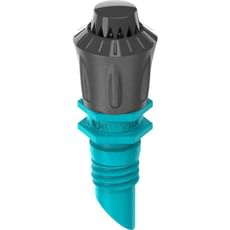
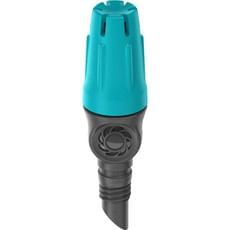
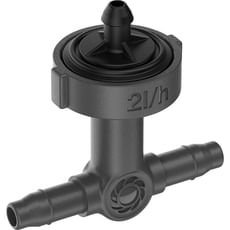
 Loading...
End of content
Error - No more pages to load
About Irrigation Systems
Irrigation systems provide an efficient and professional approach to garden watering, delivering precise amounts of water directly to plants whilst minimising waste and manual labour. These automated solutions consist of interconnected components including supply pipes, drippers, sprinklers, connectors, and control units that work together to maintain healthy lawns, borders, vegetable patches, and commercial landscaping projects throughout the growing season. Whether you're a professional landscaper managing multiple sites or a keen gardener wanting to automate watering during the summer months, a properly configured irrigation system can dramatically reduce water consumption whilst improving plant health and growth.
Modern irrigation systems have evolved into sophisticated yet accessible solutions, with professional-grade options from manufacturers like Gardena and Hozelock offering modular designs that adapt to virtually any garden layout. These systems range from simple drip lines connected to an outdoor tap through to fully automated setups with programmable controllers, pressure regulators, and zone-specific watering patterns. The Gardena Micro Drip System and Pipeline System, alongside the Hozelock Easy Drip and Micro System, represent the most popular professional approaches, each offering comprehensive component ranges that ensure compatibility and reliable performance. The flexibility of contemporary systems means you can start with a basic irrigation kit and expand gradually, adding components like adjustable drippers for containers, spray nozzles for borders, or pop-up sprinklers for lawn areas as your requirements develop.
The selection at Tooled-Up.com includes complete irrigation kits containing all essential components for immediate installation, alongside individual system elements for creating bespoke solutions. Professional landscapers and groundskeepers can specify precise configurations for commercial projects, whilst allotment holders and home gardeners benefit from the same professional-grade components scaled to domestic applications. From greenhouse cultivation and hanging basket maintenance to large-scale horticultural operations, modern irrigation systems deliver consistent results with minimal intervention, making them indispensable tools for anyone serious about efficient water management.
Jargon Buster
- Drip Irrigation: A low-pressure watering method that delivers water slowly and directly to plant roots through small emitters or drippers, minimising water waste through evaporation and run-off whilst ensuring deep soil penetration for stronger root development.
- Micro Irrigation: A precise watering system using very small bore tubing (typically 4mm or 13mm diameter) to deliver targeted water flow to individual plants, ideal for containers, raised beds, and greenhouse benches where each plant requires different water volumes.
- Water Timer/Controller: A programmable device that automatically controls when and for how long your irrigation system operates, enabling early morning watering schedules even during absences and ensuring consistent moisture levels without manual intervention.
- Pressure Reducer: A valve that reduces mains water pressure (typically 3-5 bar in UK homes) down to the optimal operating pressure for irrigation systems (usually 1.5-2 bar), preventing pipe damage and ensuring even water distribution across all emitters.
- Flow Rate: The amount of water delivered through the system measured in litres per hour (l/h), critical for calculating irrigation duration and determining how many drippers or sprinklers can operate simultaneously on a single supply line.
- Supply Hose: The main distribution pipe (usually 13mm or 19mm diameter) that carries water from the tap or water source throughout your irrigation system, with smaller diameter tubes branching off to individual watering points via connectors and joints.
Who Uses Irrigation Systems?
Irrigation systems are essential tools for a diverse range of professionals and enthusiasts, including:
- Professional Landscapers: For efficient watering of newly installed gardens, ongoing maintenance contracts, and establishing planted areas during critical growth periods
- Garden Maintenance Companies: To provide automated watering solutions across multiple client properties without daily site visits during summer months
- Nurseries and Garden Centres: For consistent watering of stock plants, retail displays, and container-grown specimens requiring precise moisture control
- Allotment Holders: To maintain productive vegetable plots during hot weather and holiday periods without daily manual watering
- Greenhouse Growers: For controlled watering of tomatoes, cucumbers, peppers, and other greenhouse crops requiring consistent moisture levels
- Commercial Horticulture Operations: Large-scale automated watering for crop production, propagation areas, and field-grown nursery stock
- Groundskeepers and Estate Managers: Maintaining public gardens, sports facilities, commercial landscapes, and municipal planted areas efficiently
- Agricultural Contractors: For polytunnel crops, soft fruit production, and specialist horticultural applications requiring precise water delivery
- Serious DIY Gardeners: Home gardeners wanting professional results with minimal daily effort and maximum water efficiency
- Holiday Home Owners: Ensuring gardens, patios, and planted areas remain healthy during extended absences throughout the growing season
How to Choose the Right Irrigation Systems
Garden Size and Layout: Begin by measuring your growing areas accurately to determine supply hose requirements and the number of watering zones needed. Sketch a basic plan showing tap locations, planted areas, obstacles, and elevation changes. Gardens under 50 square metres often work well with a single-zone system, whilst larger spaces benefit from multiple zones controlled independently, allowing different watering schedules for lawns, borders, and vegetable areas.
Water Source and Pressure: Check your mains water pressure using a pressure gauge – most UK homes have between 2-5 bar pressure at the outside tap. Irrigation systems typically require pressure reduction to 1.5 bar for optimal performance and component longevity. Consider whether you'll connect to an outdoor tap, through a wall connector, or potentially to a water butt with a suitable pump for more sustainable operation. Pressure reducers are essential for protecting system components from damage.
Plant Types and Watering Needs: Different plants require different watering approaches for optimal growth. Vegetable beds benefit from drip lines or inline drippers that deliver water directly to root zones, containers need individual adjustable drippers for precise control, lawns work best with sprinklers or pop-up spray heads, and mixed borders can use combination approaches. Match your system components to your planting scheme rather than applying a one-size-fits-all solution.
System Brand and Compatibility: Major manufacturers like Gardena and Hozelock have comprehensive, compatible system ranges with decades of development behind them. Sticking with one brand ecosystem ensures all components fit together properly with reliable seals and connections. The Gardena Micro Drip System and Pipeline System offer different solutions for various applications, whilst Hozelock's Easy Drip and Micro System provide alternative options with their own comprehensive accessory ranges.
Automation Level: Decide whether you want manual operation (turning a tap on and off), basic timing with a mechanical water timer, or sophisticated control with a multi-zone programmable controller. Controllers and programming units allow different watering schedules for different areas and are invaluable during holiday periods, early morning watering, and maintaining consistent moisture levels. Battery-operated controllers offer flexibility for locations without 240v power supplies nearby.
Installation Requirements: Consider whether you're comfortable with DIY installation or require professional assistance. Most domestic systems available from Tooled-Up are designed for straightforward installation using basic tools and clear instructions. Purpose-made installation tools like pipe cutters, hole punches, and wrenches make the job easier and ensure professional results. For commercial installations or complex multi-zone systems, professional installation may be more appropriate.
Expandability and Future Needs: Choose systems that allow gradual expansion as your garden develops or requirements change. Starting with a basic irrigation kit provides all essential components, with the flexibility to add zones, drippers, and sprinklers as needed. Modular systems from established manufacturers ensure long-term component availability and backwards compatibility with existing installations.
Popular Accessories
Enhance and maintain your irrigation system with these essential accessories:
- Clips and Pegs: Secure supply hose and drip lines to the ground, along fences, through borders, and around obstacles for neat installations
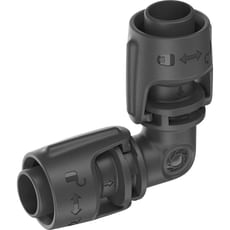
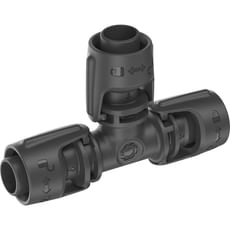
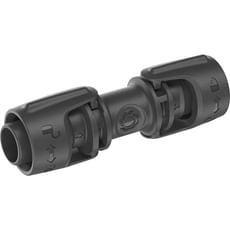
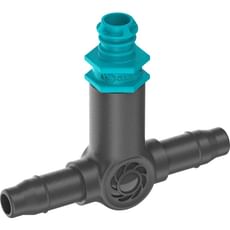
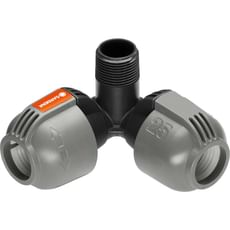
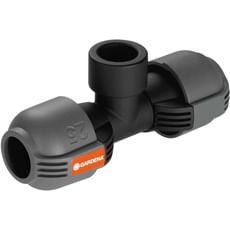
- Connectors and Joints: T-pieces, L-connectors, cross-joints, and straight couplings for routing pipes around obstacles and creating branch lines
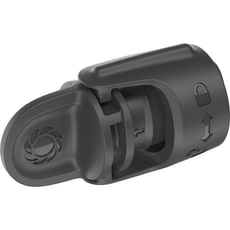
- Hose Plugs: End stops and temporary plugs for system expansion, seasonal modifications, and winterisation procedures
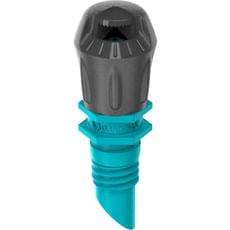
- Additional Drippers: Adjustable drippers, inline drippers, and micro sprayers for expanding to new planted areas and containers
- Pressure Reducers: Essential components for protecting systems from high mains pressure and ensuring even water distribution across all outlets
- Installation Tools: Pipe cutters, hole punches, spanners, and wrenches for professional installation and system modifications
- Valves: Isolation valves, non-return valves, and flow control valves for managing different zones independently and preventing backflow
- Controllers and Timers: Upgrade manual systems to fully automated operation with programmable schedules and multiple zone control
- Supply Hose Extensions: Additional lengths of 13mm and 19mm supply hose for expanding system coverage and creating new zones
- Replacement Filters: Keep water clean and prevent dripper blockages with inline filters and replacement filter elements
- Tap Connectors: Quick-release tap connectors, double tap adaptors, and through-wall fittings for convenient system connections
- System Sprinklers: Pop-up sprinklers, rotary sprinklers, and spray nozzles for lawn and larger planted area irrigation
Frequently Asked Questions
Can I connect an irrigation system to a water butt instead of mains water?
Yes, but you'll need a pump to provide adequate pressure, as gravity-fed water butts typically don't generate sufficient pressure (usually only 0.1-0.3 bar) for most irrigation systems. Alternatively, look for low-pressure drip systems specifically designed for water butt use, which operate effectively at lower pressures. Elevating your water butt and using larger diameter supply hose can improve gravity-fed performance, though a small submersible pump remains the most reliable solution for consistent operation.
How long should I run my irrigation system each day?
This depends on soil type, plant needs, weather conditions, and your system's flow rate. As a general guide, aim for 20-30 minutes in the early morning during summer months for most garden applications. Sandy soils need more frequent, shorter watering sessions, whilst clay soils benefit from less frequent but longer runs to allow deep penetration. Adjust based on rainfall, plant response, and seasonal changes – reducing frequency significantly during spring and autumn. Vegetable gardens typically need more water than established ornamental borders.
Do I need to remove my irrigation system in winter?
In the UK, it's advisable to drain your irrigation system before the first frosts to prevent damage from freezing water expanding inside pipes and components. You don't necessarily need to dismantle everything completely – simply disconnect from the tap, drain all water by opening end plugs and low points, and store controllers, pressure reducers, and battery-operated timers indoors. Above-ground pipes can remain in place if fully drained, though some gardeners prefer to lift and store them to prevent UV degradation and accidental damage.
Can I mix components from different brands like Gardena and Hozelock?
Whilst some components may physically fit together, it's not recommended as different manufacturers use slightly different pipe diameters, thread patterns, and connection systems. Mixing brands can lead to leaks, poor performance, components that don't seal properly, and potentially voided warranties. For best results, reliability, and warranty protection, stick with a single brand ecosystem throughout your system. Both Gardena and Hozelock offer comprehensive component ranges covering all typical irrigation needs.
What's the difference between micro irrigation and a standard drip system?
Micro irrigation uses smaller diameter tubing (typically 4mm) branching off from a main 13mm supply line, with individual adjustable drippers placed exactly where needed – ideal for containers, hanging baskets, and precise plant watering. Standard drip systems use larger pipes (13mm) with inline emitters at regular intervals (typically 30cm or 50cm spacing) along the hose, better suited for rows of plants, vegetable beds, or borders where plants are evenly spaced. Both methods conserve significantly more water than traditional sprinklers by delivering moisture directly to root zones.