

Jab Saws
Pay in 3 interest-free payments on purchases from £30-2000 with  . Learn more.
 Loading...
End of content
Error - No more pages to load
About Jab Saws
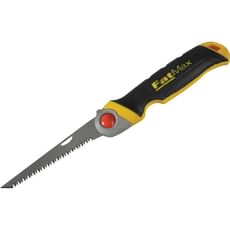
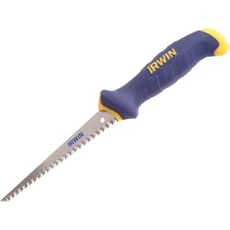
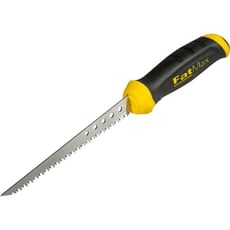
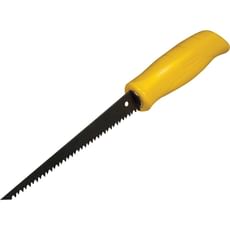
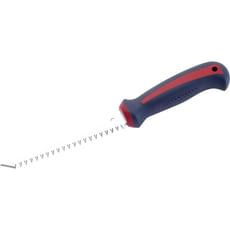
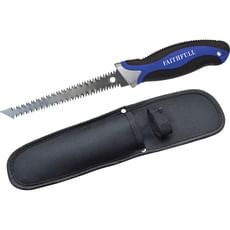
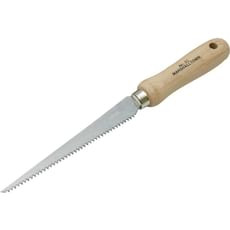
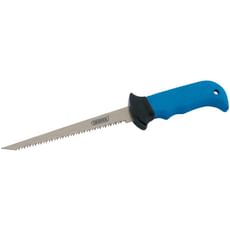
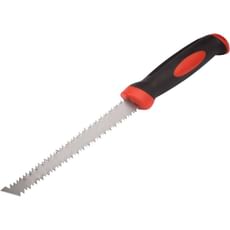
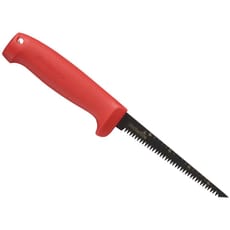
Jab saws are specialist hand tools engineered for cutting and piercing plasterboard, drywall, and similar sheet materials. Also known as plasterboard saws, drywall saws, or wallboard saws, these compact cutting tools feature a distinctive pointed blade tip that allows tradespeople to puncture directly into installed material without pre-drilling pilot holes. The aggressive tooth pattern makes quick work of cutting access holes for electrical sockets, light switches, and pipework in plasterboard walls and ceilings.
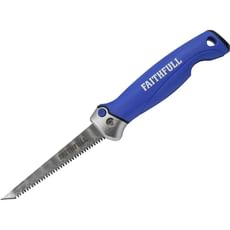
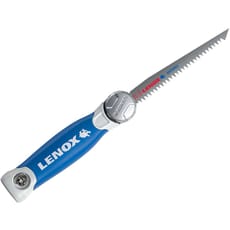
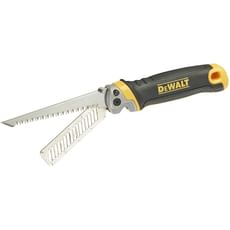
Unlike conventional handsaws, jab saws are purpose-built for site work where precision cutting of installed plasterboard is required. The blade design typically features a narrow profile with sharp, hardened teeth that cut efficiently on both push and pull strokes, making them invaluable for tradespeople working in confined spaces or at awkward angles. Many models feature ergonomic soft-grip handles for extended use, whilst folding variants offer safe storage and convenient portability on busy job sites.
The selection at Tooled-Up.com includes quality jab saws from trusted manufacturers including Stanley, DeWalt, Irwin, Faithfull, Draper, Marshalltown, and Blue Spot. Whether you need a basic fixed-blade model for occasional use or a professional-grade folding jab saw with integrated rasp features, you'll find options suitable for both trade professionals and serious DIY enthusiasts. Many models can also cut through materials beyond plasterboard, including timber, chipboard, and masonite boards.
Jargon Buster
- Jab Point: The sharpened, reinforced tip of the saw blade that allows you to pierce through plasterboard without pre-drilling a pilot hole, enabling quick start cuts in installed sheet materials.
- Hardpoint Teeth: Heat-treated, hardened saw teeth that maintain their sharpness significantly longer than standard teeth, providing cleaner cuts and extended blade life even under heavy site use.
- Double-Edged Blade: A saw blade featuring teeth on both edges, allowing cutting action in both directions and providing versatility for different cutting angles and tight-space applications.
- TPI (Teeth Per Inch): The number of teeth per inch of blade length. Jab saws typically feature 7-9 TPI for plasterboard, with lower TPI for aggressive cutting and higher TPI for finer finish work.
- Rasp Edge: A textured, file-like edge found on some jab saw blades, used for smoothing and shaping cut edges in plasterboard or timber after the initial cut.
- Folding Mechanism: A hinged design allowing the blade to fold safely into the handle for storage and transport, reducing the risk of injury and protecting the blade teeth from damage.
Who Uses Jab Saws?
Jab saws are indispensable tools for numerous trades and applications across the construction and renovation sectors:
- Plasterers and Drywall Installers: For cutting access holes and trimming plasterboard during installation and finishing work
- Electricians (Sparkies): Creating cutouts for socket boxes, switch plates, and lighting fixtures in existing plasterboard walls
- Plumbers: Cutting access panels and holes for pipework, radiator valves, and service access points
- Carpenters and Joiners (Chippies): Trimming wallboard and creating precise openings during first-fix and second-fix stages
- General Builders: Essential for renovation work, repairs, and general site cutting tasks involving plasterboard
- Kitchen and Bathroom Fitters: Cutting holes for extractor fans, waste pipes, and service access in boarded walls
- DIY Enthusiasts: Home renovators tackling their own plasterboarding, electrical upgrades, or bathroom installations
- Shopfitters: Creating precise openings in partition walls and display installations
How to Choose the Right Jab Saws
Selecting the appropriate jab saw depends on several key factors related to your typical applications and working conditions:
Blade Design: Consider whether you need a fixed or folding blade. Folding models from brands like Stanley FatMax and DeWalt offer excellent portability and safety for mobile tradespeople, whilst fixed-blade options provide maximum rigidity for heavy-duty applications. Double-edged blades offer greater versatility but require more careful handling.
Handle Comfort: For regular professional use, invest in models with ergonomic soft-grip handles that reduce hand fatigue during extended cutting sessions. The handle design should provide secure grip even when working overhead or at awkward angles common in site work.
Blade Length: Standard jab saw blades range from 150mm to 180mm. Longer blades suit thicker plasterboard installations or when cutting through multiple layers, whilst shorter blades offer better control in tight spaces behind radiators or in studwork.
Material Applications: If you regularly cut materials beyond standard plasterboard—such as timber, chipboard, or other sheet materials—look for hardpoint models with appropriate TPI ratings. Some versatile models feature rasp edges for finishing work.
Build Quality: Professional tradespeople should prioritise premium brands like Irwin, Stanley FatMax, or Marshalltown that offer superior blade retention, reinforced jab points, and durable construction that withstands daily site work. DIY users may find mid-range options from Draper or Faithfull offer excellent value.
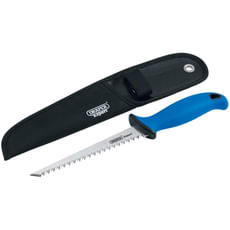
Storage and Transport: Consider how you'll carry the saw. Folding models are ideal for toolbelts and mobile tool storage systems, whilst fixed-blade saws may require protective blade guards or sheaths.
Popular Accessories
Enhance your jab saw's effectiveness with these complementary tools and accessories available from Tooled-Up:
- Marking and Layout Tools: Pencils, chalk lines, and spirit levels for accurate marking before cutting
- Padsaw Blades: Replacement blades for extending tool life and adapting to different materials
- Utility Knives: For scoring plasterboard before snapping and finishing cut edges
- Measuring Tapes and Squares: Essential for marking accurate cutout dimensions for sockets and fixtures
- Dust Extraction Equipment: Managing plasterboard dust during cutting operations
- Tool Belts and Pouches: For keeping your jab saw accessible whilst working at height or on ladders
- Safety Glasses: Protecting eyes from plasterboard dust and debris during cutting
- Drywall Rasp or Surform: For smoothing and refining cut edges
- Stud Detectors: Locating timber or metal studs before cutting to avoid damaging framework
Safety Information
While jab saws are relatively simple tools, following proper safety practices ensures accident-free operation:
Personal Protective Equipment: Always wear appropriate safety glasses or goggles when cutting plasterboard, as the material creates fine dust particles that can irritate eyes. Consider wearing a dust mask or respirator when undertaking extensive cutting work, particularly in poorly ventilated spaces, as per HSE guidance on workplace dust exposure.
Safe Handling: The sharpened jab point and aggressive teeth can cause serious cuts. Always fold away blades on folding models when not in use, and use blade guards on fixed-blade saws during transport. Never carry an unprotected jab saw in your pocket or toolbelt without proper sheathing.
Hidden Hazards: Before puncturing plasterboard, always use a cable and pipe detector to locate hidden electrical wiring and plumbing. Cutting into live 240v cables or water pipes poses serious risks. Take particular care near socket outlets, light switches, and areas where services typically run.
Cutting Technique: Maintain firm control of the saw throughout the cut, keeping your free hand well clear of the blade path. Ensure stable footing, particularly when working from ladders or platforms. Apply steady, controlled pressure rather than forcing the blade, which can cause it to slip or break.
Blade Condition: Regularly inspect blades for damage, worn teeth, or bending. Damaged blades are more likely to bind or slip unexpectedly. Replace blunt or damaged blades promptly to maintain safe, efficient cutting performance.
Frequently Asked Questions
Can I use a jab saw to cut materials other than plasterboard?
Yes, most jab saws can cut various materials including timber, chipboard, masonite, and thin plastics. However, they're optimised for plasterboard and similar soft sheet materials. For regular woodworking, dedicated wood saws will provide better results. Always check the manufacturer's recommendations for your specific model.
What's the difference between a jab saw and a padsaw?
While the terms are sometimes used interchangeably, jab saws specifically feature a reinforced pointed tip designed to puncture material, whilst padsaws typically have a straight-edged blade requiring a pilot hole to start cutting. Jab saws also generally have more aggressive teeth suited to plasterboard rather than fine woodwork.
Do I need a folding or fixed-blade jab saw?
Folding models offer superior portability and safety for mobile tradespeople, easily fitting into toolbelts or pockets. Fixed-blade versions provide maximum rigidity and are often preferred for heavy-duty applications. Consider your typical working environment: site workers usually prefer folding models, whilst workshop-based users may opt for fixed blades.
How do I maintain my jab saw?
Keep the blade clean and free from plaster dust and debris after each use. Check folding mechanisms regularly to ensure they lock securely. If the blade becomes blunt or damaged, replace it rather than attempting to sharpen it—replacement blades are inexpensive and hardpoint teeth cannot be effectively resharpened. Store in a dry environment to prevent rust.
What size hole can I cut with a jab saw?
Jab saws excel at cutting small to medium access holes, typically from 20mm up to 200mm diameter. For standard UK single sockets (approximately 90mm x 90mm) and double sockets, they're ideal. For larger openings, consider using a panel saw or powered cutting tools for greater efficiency and straighter edges.