

Jack Hammers
Pay in 3 interest-free payments on purchases from £30-2000 with  . Learn more.
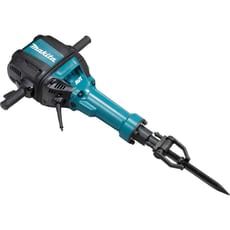
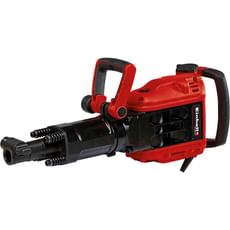
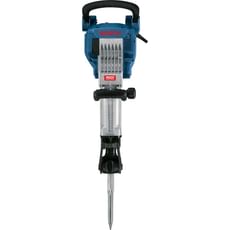
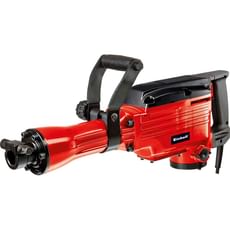
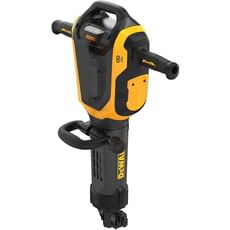
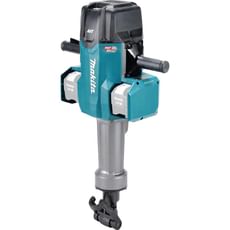
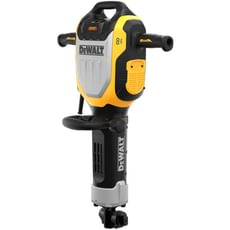
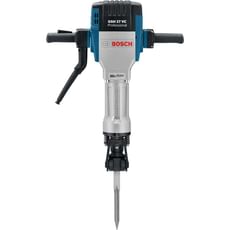
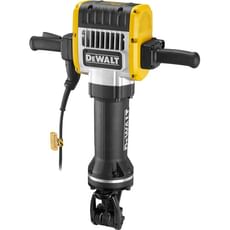
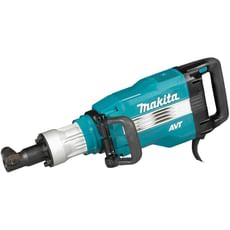
 Loading...
End of content
Error - No more pages to load
About Jack Hammers
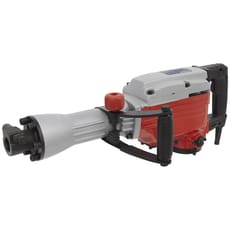
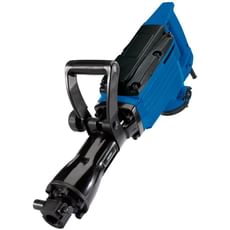
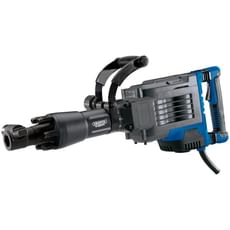
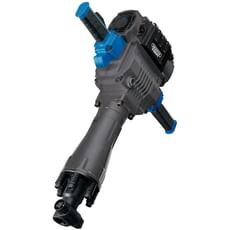
Jack hammers, also referred to as demolition hammers or breakers, are indispensable power tools engineered to break through concrete, masonry, tarmac, and other resilient materials with exceptional force. These robust tools combine high-impact energy with chisel action to demolish, break up, and remove tough surfaces that standard power tools simply cannot handle. Whether you're removing concrete foundations, breaking up an old patio, creating access channels for underground services, or undertaking major structural alterations, a quality jack hammer delivers the raw power needed to complete the job efficiently and with less physical strain than manual methods.
The selection at Tooled-Up.com features both corded electric and cordless models from industry-leading manufacturers including Makita, DeWalt, Bosch Professional, Draper, Einhell, and Sealey. These professional-grade demolition breakers are built with robust construction, advanced anti-vibration technology, and varying impact energy ratings from 15J up to 70J to suit different applications and material densities. Electric models typically operate on 240v mains power and deliver consistent, uninterrupted performance for extended periods, making them ideal for site work with reliable power access. Cordless variants utilising Makita's 40v XGT and DeWalt's 54v FlexVolt battery platforms offer exceptional portability for remote locations, elevated work, or sites without mains electricity, all without compromising on breaking power.
Most models use standardised SDS-Hex or 28mm hex connection systems, ensuring broad compatibility with a comprehensive range of chisels, points, spades, and breaking tools. Whether you're a professional contractor tackling heavy-duty demolition work on commercial sites or a serious DIY enthusiast planning major home improvement projects, investing in the right demolition hammer will save countless hours of back-breaking manual labour whilst delivering cleaner, more controlled results than repeatedly hiring equipment.
Jargon Buster
- Impact Energy (Joules): Measured in joules, this indicates the breaking force delivered with each blow. Higher joule ratings, typically ranging from 30J to 70J, provide greater breaking power for tougher materials such as reinforced concrete and thick masonry. Light-duty models around 15-25J suit occasional DIY work and softer materials.
- SDS-Hex: A standardised hexagonal connection system that enables quick, tool-free changing of chisels and breaking attachments. The hex shank design provides a secure, wobble-free connection and universal compatibility across different brands and accessory ranges.
- AVT (Anti-Vibration Technology): Advanced vibration dampening systems engineered to reduce the transmission of vibration to the operator, significantly minimising fatigue and reducing the risk of Hand-Arm Vibration Syndrome (HAVS). Essential for professional users who operate breakers regularly and must comply with HSE exposure limits.
- BPM (Blows Per Minute): The number of impacts the tool delivers per minute, typically ranging from 1,400 to 2,000 BPM. Higher BPM rates generally result in faster material removal, though impact energy remains the primary indicator of breaking capability.
- Brushless Motor: Modern motor technology that eliminates carbon brushes, delivering improved electrical efficiency, longer runtime in cordless models, reduced maintenance requirements, and extended overall tool life compared to traditional brushed motors.
- XGT/FlexVolt: Advanced battery platform technologies from Makita (XGT at 40v) and DeWalt (FlexVolt at 54v) that deliver higher voltages for cordless demolition hammers, providing breaking power and runtime comparable to many corded models whilst maintaining portability.
Who Uses Jack Hammers?
Jack hammers are essential equipment for a diverse range of professionals and serious DIY users:
- Demolition Contractors: Breaking down walls, floors, concrete slabs, and structures during renovation and demolition projects
- Groundworkers and Civil Engineers: Removing old concrete, breaking up road surfaces, excavating compacted ground, and preparing sites for new construction
- Builders and General Contractors: Creating openings in masonry walls, removing floor tiles and screeds, breaking up concrete foundations, and structural alteration work
- Landscapers: Breaking up old patios and pathways, removing tree roots encased in concrete, demolishing garden structures, and excavating hard ground
- Plumbers and Heating Engineers: Creating channels for pipework in concrete floors, accessing underground drainage systems, and installing new service runs
- Electricians: Chasing channels in masonry for cable runs, creating access points for consumer units and distribution boards, and installing ground-level electrical installations
- Property Developers and Renovators: Undertaking major structural alterations, removing obsolete concrete features, and preparing properties for refurbishment
- DIY Enthusiasts: Tackling ambitious home improvement projects involving concrete removal, patio demolition, garden remodelling, and structural modifications
How to Choose the Right Jack Hammers
Power Source: Corded electric models provide consistent, unlimited power for extended use and are ideal for site work with reliable mains access. They deliver uninterrupted performance without battery management concerns. Cordless options offer excellent portability for remote locations, scaffolding work, or sites without mains electricity, but require investment in multiple batteries and chargers for all-day operation.
Impact Energy: Light-duty models delivering 15-30J suit occasional DIY use, thinner concrete, floor tiles, and softer masonry. Mid-range breakers offering 30-45J handle most general construction work including domestic foundations and standard concrete slabs. Heavy-duty professional models delivering 45J+ are essential for reinforced concrete, intensive daily use, and commercial demolition projects where productivity is paramount.
Weight and Handling: Lighter models under 10kg reduce operator fatigue during extended use and overhead work but may lack the mass needed for efficient breaking on horizontal surfaces. Heavier breakers ranging from 10-20kg deliver superior results on tough materials through combined impact and weight, but require greater physical strength and stamina. Consider the balance between power and manoeuvrability for your typical applications.
Vibration Control: Look for models featuring AVT or similar anti-vibration technology, particularly if you'll be using the tool regularly or for extended periods. HSE guidelines require employers to monitor vibration exposure, with action required when approaching 2.5 m/s² over an 8-hour period. Advanced dampening systems are crucial for professional use to comply with workplace health regulations and prevent long-term injury.
Brand and Build Quality: Professional brands including Makita, DeWalt, and Bosch Professional offer superior durability, better after-sales support, comprehensive warranties, and wider accessory ranges. Budget-friendly options from Draper, Einhell, and Sealey can suit occasional users and lighter applications but may lack the longevity and robustness needed for daily site work or intensive commercial use.
Additional Features: Variable speed control allows adjustment for different materials and applications, soft-start technology reduces initial kick-back and improves control, whilst adjustable auxiliary handles improve comfort and reduce strain during extended use. Some models include integral chisels, tool grease, or protective storage cases, adding considerable value to the package.
Popular Accessories
- Point Chisels: Concentrated breaking force ideal for starting demolition work, creating precise breaking points, and targeting specific areas without damaging surrounding material
- Flat Chisels: Wide blade design for removing floor tiles and screeds, breaking up flat horizontal surfaces, and general-purpose demolition tasks requiring efficient material removal
- Clay Spades: Specialised attachments for digging through compacted ground, breaking up stubborn subsoil, and removing materials where standard chisels prove ineffective
- Scaling Chisels: Designed specifically for surface preparation, removing old render and coatings, cleaning concrete surfaces, and preparing substrates for new finishes
- Moil Points: Heavy-duty pointed tools for breaking extremely hard materials, penetrating reinforced concrete, and initial breakthrough work on thick sections
- Tool Grease: Essential for lubricating hex shanks to ensure smooth operation, prevent seizure, reduce wear, and maintain optimal performance throughout the tool's life
- Protective Carrying Cases: Robust storage solutions for transporting your breaker and accessories safely between job sites whilst protecting against damage and theft
- Replacement Carbon Brushes: For maintaining corded models with brushed motors (not required for modern brushless motor technology)
- Additional Batteries and Fast Chargers: Essential for cordless operation to maintain productivity throughout the working day without downtime waiting for battery charging
Safety Information
Operating jack hammers involves significant safety considerations that must never be overlooked. Always wear appropriate Personal Protective Equipment (PPE) including safety goggles or a full face shield to protect against flying debris and dust, heavy-duty work gloves with anti-vibration properties, steel toe-capped safety boots, and hearing protection as noise levels regularly exceed 100dB during operation. High-visibility clothing is essential on construction sites.
Vibration Exposure: Hand-Arm Vibration Syndrome (HAVS) represents a serious occupational health concern when using demolition hammers regularly. The HSE requires employers to assess vibration risks and implement control measures if exposure approaches the Exposure Action Value of 2.5 m/s² over an 8-hour period. Choose models with excellent anti-vibration systems, take regular breaks at least every 20 minutes, keep hands warm and maintain good circulation, and monitor usage time carefully to remain within safe limits. Professional users must maintain exposure logs.
Dust Control: Breaking concrete and masonry generates harmful respirable crystalline silica (RCS) dust, which poses serious long-term health risks including silicosis and lung disease. Work in well-ventilated areas wherever possible, use dust extraction systems or water suppression where available, and wear appropriate respiratory protection rated FFP3 for fine particles. COSHH regulations require proper assessment and control of dust exposure on all commercial sites, with employers responsible for implementing suitable control measures.
Electrical Safety: Always inspect cables and plugs for damage before use, and never operate equipment with damaged power supplies. Corded models operating at 240v should always be connected through an RCD (Residual Current Device) rated at 30mA for protection against electric shock. Be acutely aware of buried services including electric cables, gas pipes, water mains, and telecommunications infrastructure before breaking ground surfaces. Consult service plans and use a cable detector.
Physical Strain: Demolition hammers are heavy, physically demanding tools requiring significant strength and stamina to operate safely. Maintain a stable, balanced stance with feet shoulder-width apart, always use both hands with a firm grip, keep the tool under control at all times, and take frequent breaks to prevent muscle strain, fatigue, and loss of concentration. Never operate demolition equipment whilst tired, unwell, or under the influence of medication that affects coordination or reaction times.
Frequently Asked Questions
What's the difference between a jack hammer and a rotary hammer drill?
Jack hammers (demolition hammers) deliver pure impact energy without any rotational movement and are designed specifically for breaking and demolishing materials. Rotary hammer drills combine rotation with impact action, making them suitable for drilling holes in masonry and concrete. Jack hammers are considerably more powerful with higher impact energy ratings and are designed exclusively for destruction and material removal rather than creating precise holes.
Can I use a jack hammer to break up my concrete driveway or patio?
Yes, this represents an ideal application for a mid to heavy-duty jack hammer. A model delivering 35-45J impact energy will make efficient work of a domestic driveway or patio. Ensure you wear complete safety equipment including eye protection, gloves, hearing protection, and a dust mask, and always check for any buried services including electric cables and water pipes before starting. For very large areas exceeding 50 square metres, consider hiring a larger petrol-powered breaker or engaging a professional contractor for efficiency.
How long can I safely operate a jack hammer before taking a break?
This depends entirely on the specific tool's vibration level measured in m/s² and HSE exposure limits. Most modern jack hammers with good anti-vibration systems allow 1-2 hours of continuous use before approaching action values, but you must consult the manufacturer's vibration figures stated in the instruction manual and cross-reference these with current HSE guidance. Professional users are legally required to monitor exposure times and maintain detailed usage logs to comply with Control of Vibration at Work Regulations.
Are cordless jack hammers powerful enough for professional site work?
Modern cordless demolition hammers utilising 40v-54v battery platforms from Makita XGT and DeWalt FlexVolt deliver impressive performance comparable to many corded models in the same impact energy class. They're excellent for site work without reliable mains access, working at height on scaffolding, and locations where trailing cables pose trip hazards or aren't permitted. However, you'll need to invest in multiple high-capacity batteries for all-day operation, and the initial investment remains higher than equivalent corded models. Runtime per battery typically ranges from 30-60 minutes depending on material hardness.
Do I need any qualifications or training to use a jack hammer?
For DIY use on your own property, no specific qualifications are legally required, though thoroughly familiarising yourself with the instruction manual, safety guidelines, and proper operating techniques is absolutely essential. Professional users on construction sites should receive proper training in safe operation, vibration awareness, risk assessment, and emergency procedures. Many employers require CSCS cards, specific tool operation certificates, or evidence of competence training for site access. Some principal contractors mandate formal training records before permitting use of high-vibration tools on their sites.