

Jacking Beams
Pay in 3 interest-free payments on purchases from £30-2000 with  . Learn more.
 Loading...
End of content
Error - No more pages to load
About Jacking Beams
Jacking beams are specialised lifting tools engineered to provide safe, stable support when raising vehicles or heavy machinery for maintenance, repair, or inspection tasks. These robust steel beams distribute weight evenly across multiple contact points, preventing damage to vehicle chassis and bodywork whilst ensuring operator safety during critical undercarriage work. By spanning between two lifting points—typically trolley jacks or axle stands—jacking beams eliminate the risks associated with single-point lifting, offering superior load stability and control in professional workshop environments.
The selection at Tooled-Up.com predominantly features Sealey's industry-leading Viking and Yankee jacking beam systems, which have become the benchmark for professional vehicle lifting solutions across UK workshops and garages. These comprehensive systems include complete jacking beam assemblies, extending arm configurations, and an extensive range of specialist adaptors and support accessories. From cross-slotted rubber supports and bearing mounts to V-adaptors and extending arms, each component is precision-engineered to enhance versatility and accommodate diverse vehicle types and lifting scenarios.
Modern jacking beam systems embrace modular design principles, allowing technicians to configure their lifting setup according to specific job requirements. Whether working on passenger cars, light commercial vehicles, classic restorations, or specialist agricultural machinery, the correct combination of beam, support blocks, and adaptors ensures secure load distribution and prevents costly damage to expensive components whilst maintaining strict health and safety compliance. For workshops handling varied vehicle types, this adaptability represents both operational flexibility and sound investment in professional-grade lifting equipment.
Jargon Buster
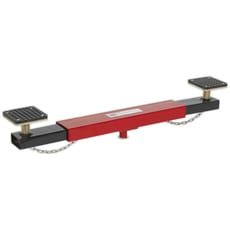
- Jacking Beam – A rigid steel beam that spans between two lifting points (typically trolley jacks or axle stands) to raise loads evenly and safely, distributing weight across multiple contact points on a vehicle's chassis or undercarriage rather than concentrating force at a single location.
- Yankee Arms – Extending arm attachments that increase the working width of a jacking beam system, allowing technicians to accommodate wider vehicles or reach awkward lifting points without repositioning primary jacking equipment. These modular extensions maintain full load capacity when properly secured.
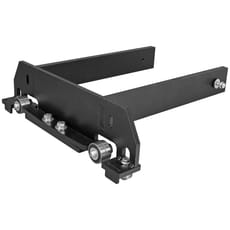
- Bearing Mounts – Precision-engineered mounting points featuring spring-loaded roller bearings that attach to jacking beams and provide smooth, rotating contact surfaces for secure load positioning whilst minimising stress concentrations on vehicle components during adjustment.
- Cross Beam Adaptor – A connector piece that joins two jacking beams at right angles, creating a grid-like lifting platform for complex loads requiring multi-directional support and enhanced stability across larger surface areas.
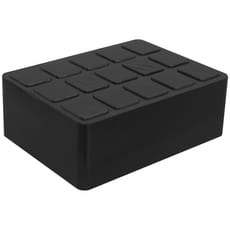
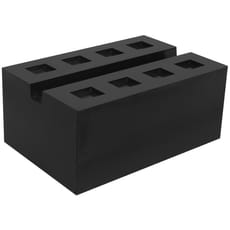
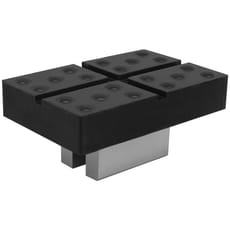
- Support Blocks – Rubber or polyurethane pads available in various profiles (flat, slotted, V-shaped, cross-slotted) that sit between the beam and vehicle surface, protecting painted finishes and providing grip whilst distributing load pressure evenly across contact points.
- Safe Working Load (SWL) – The maximum weight a jacking beam system can safely support under normal operating conditions. This rating must never be exceeded and applies to the complete system including jacks, beams, stands, and all accessories combined.
Who Uses Jacking Beams?
- Motor Vehicle Technicians – For engine removal, gearbox servicing, and undercarriage repairs in professional workshops requiring stable, multi-point lifting solutions
- MOT Testing Stations – To safely lift vehicles for thorough inspection of suspension systems, exhaust components, and brake assemblies during compliance testing
- Mobile Mechanics – Requiring portable, adjustable lifting solutions for on-site vehicle maintenance and breakdown repairs where flexibility is paramount
- Classic Car Restorers – When working on valuable vehicles where chassis protection and precise load distribution are critical to preventing damage to original components
- Commercial Vehicle Workshops – For maintenance of light vans and commercial fleets requiring robust, adaptable lifting equipment capable of handling varied load configurations
- Agricultural Engineers – Servicing tractors and farm machinery where unconventional lifting points and heavy-duty requirements demand flexible jacking solutions
- Bodywork Specialists – For controlled chassis alignment and panel replacement work requiring stable, adjustable support throughout precision repairs
- Serious DIY Enthusiasts – Undertaking advanced home garage projects with proper professional-standard equipment for safe vehicle maintenance
How to Choose the Right Jacking Beams
Load Capacity: Always verify the Safe Working Load (SWL) rating of any jacking beam system against the weight of vehicles or equipment you'll be lifting. Professional systems typically handle loads from 500kg to 3000kg, but never exceed manufacturer specifications. Remember that total system capacity is limited by the weakest component—whether that's your jacks, stands, beam, or support accessories. Include a safety margin and avoid working near maximum ratings.
Beam Length and Extension Capability: Consider your typical working width requirements and the variety of vehicles you'll handle. Standard fixed-length beams suit most passenger vehicles, whilst extending arm systems (Yankee arms) provide additional reach for wider vehicles, light commercials, or awkward access situations. Modular systems available from Tooled-Up offer maximum flexibility for diverse workshop applications, allowing configuration changes to match specific job requirements.
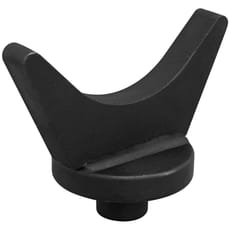
Support Block Configuration: Different vehicles require different contact surfaces for safe lifting. Flat rubber supports suit wide chassis rails and reinforced jacking points, whilst V-adaptors grip round tubes and axles securely. Cross-slotted blocks accommodate ridged or uneven surfaces, and bearing mounts provide rotating contact for precise positioning. A well-equipped workshop maintains multiple profile types to handle various vehicle architectures safely without risking surface damage or slippage.
Compatibility with Existing Equipment: Ensure your chosen jacking beam system integrates seamlessly with your current trolley jacks and axle stands. Check mounting dimensions, pin sizes, saddle compatibility, and height ranges to guarantee smooth operation within your existing setup. The Sealey Viking and Yankee systems represent proven quality with excellent cross-compatibility across their comprehensive product range.
Build Quality and Standards Compliance: Professional-grade beams should meet relevant British and European safety standards for lifting equipment. Look for heavy-gauge steel construction with robust welding, corrosion-resistant finishes, and clearly marked load ratings on all components. Quality systems feature precision-machined mounting points and secure locking mechanisms that maintain integrity under load. Investment in proven brands trusted by professional workshops nationwide ensures reliability and longevity.
Popular Accessories
- Rubber Support Blocks – Various profiles including flat, slotted, cross-slotted, and V-shaped designs for different vehicle contact points and chassis configurations
- Bearing Mounts – Rotating support assemblies with spring-loaded rollers for precise load positioning and stress-free adjustment during lifting operations
- Extension Arms – Yankee-style extending components to increase working width and versatility when handling wider vehicles or reaching awkward jacking points
- Cross Beam Adaptors – For creating perpendicular support configurations on complex loads requiring multi-directional stability and enhanced support area
- Trolley Jacks – High-capacity hydraulic jacks rated to work safely with your beam system, providing the lifting force at each support point
- Axle Stands – Essential safety equipment to support raised loads once at working height, providing fail-safe secondary support independent of hydraulic systems
- Wheel Chocks – For securing vehicles before jacking operations commence, preventing rolling and ensuring stable positioning throughout the lift
- Load Levellers – Precision adjustment tools for achieving perfectly balanced lifting across uneven loads or vehicles with weight distribution variations
Safety Information
Jacking beams involve working beneath raised loads, making strict safety procedures absolutely critical for preventing serious injury or fatality. Always work on firm, level ground and ensure jacks are positioned on stable bases before commencing lifting operations. Never rely solely on hydraulic jacks—always deploy properly rated axle stands as secondary support once the load reaches working height, in accordance with HSE guidance on working at height and mechanical handling. Hydraulic systems can fail; stands provide essential fail-safe protection.
Inspect all jacking beam components before each use, checking for cracks, deformation, worn support blocks, damaged securing pins, or any signs of previous overloading. Never exceed the stated Safe Working Load of any component in your lifting system—the weakest element determines overall system capacity, not the strongest. Ensure rubber support blocks are correctly positioned and making full contact with vehicle jacking points to prevent slippage or localised stress damage that could compromise vehicle structure.
Keep the work area clear of personnel when raising or lowering loads, and never work beneath a vehicle supported only by jacks without proper stands in place. Wear appropriate PPE including safety footwear with reinforced toecaps and protective gloves when handling heavy steel components. Ensure adequate lighting for clear visibility of all jacking points and support positions throughout the operation. Regular maintenance and inspection of lifting equipment isn't just good practice—it's a legal requirement under the Provision and Use of Work Equipment Regulations (PUWER), with employers and self-employed persons both subject to these obligations.
Frequently Asked Questions
What's the difference between a jacking beam and a standard trolley jack?
A trolley jack provides the lifting force at a single contact point, whilst a jacking beam distributes that force across multiple points on the vehicle simultaneously. This prevents chassis damage, provides more stable support, and allows simultaneous lifting of entire vehicle sections. The beam sits atop two jacks or stands, creating a bridge that raises the entire span between them safely and evenly, which is particularly important when removing engines, gearboxes, or working on suspension systems requiring balanced support.
Can I use a jacking beam with any type of trolley jack?
Most professional jacking beams feature universal mounting points compatible with standard trolley jack saddles, but always verify dimensional compatibility before purchase. The jack's lifting capacity must meet or exceed the beam system's requirements, and saddle dimensions should properly engage the beam's mounting points without slippage. Sealey Viking and Yankee systems work seamlessly with their complementary jack ranges, ensuring proven compatibility and safety.
Do I need different support blocks for different vehicles?
Yes, vehicle chassis designs vary considerably across manufacturers and models. Flat blocks suit wide, flat jacking points common on modern monocoque designs; slotted blocks accommodate ridges and box-section rails; V-adaptors grip round tubes, axles, and cylindrical components securely; whilst bearing mounts provide rotating contact for precise positioning during complex lifts. A well-equipped workshop maintains a selection of profiles to handle various vehicle types safely without risking surface damage, paint chipping, or slippage during lifting operations.
How do I calculate the safe working load for my complete jacking setup?
Your system's safe working load is limited by its weakest component. Check the SWL rating of your jacking beam, trolley jacks, axle stands, and support accessories—the lowest rating determines your maximum safe capacity for the entire system. Always include a safety margin and never lift loads approaching maximum ratings, as dynamic forces during positioning can temporarily exceed static loads. When in doubt, consult manufacturer specifications or seek professional advice from experienced workshop engineers.
Are extending arms as strong as fixed-length beams?
Quality extending arm systems like Sealey's Yankee configuration are engineered to maintain full load capacity when properly assembled and used within manufacturer guidelines. The critical factors are ensuring all securing pins are correctly engaged through their full depth, extension lengths don't exceed specified limits, and the combined system rating accounts for the extended configuration. Always verify the SWL rating applies to your extended setup rather than assuming fixed-beam capacity transfers automatically, as leverage factors change with extension length.