

Jerry Cans

Pay in 3 interest-free payments on purchases from £20-£3000 with  . Learn more.
 Loading...
End of content
Error - No more pages to load
About Jerry Cans
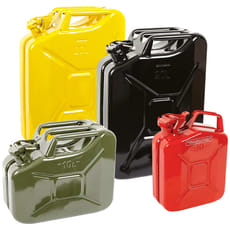
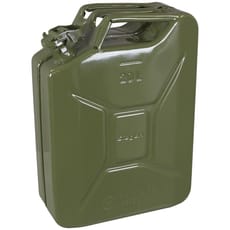
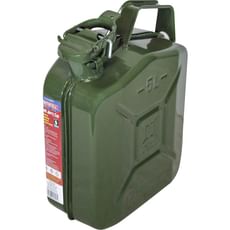
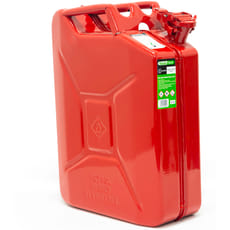
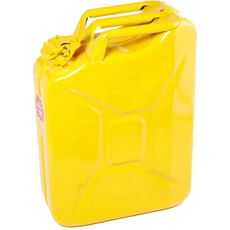
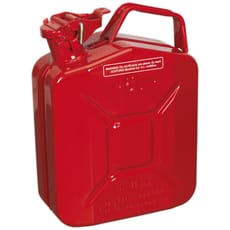
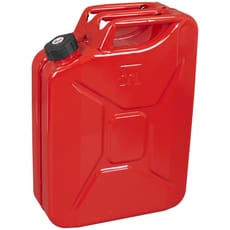
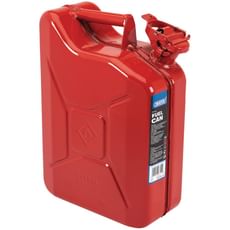
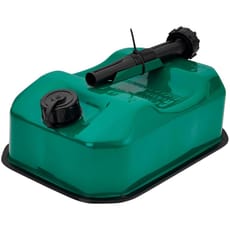
Jerry cans are robust, purpose-built fuel storage containers designed for the safe transportation and storage of petrol, diesel, and other flammable liquids. Originally developed for military use during World War II, these metal containers have evolved into essential equipment for tradespeople, agricultural workers, motorsport enthusiasts, and anyone requiring reliable portable fuel storage. The distinctive design features a sturdy welded construction, secure screw-cap closure, and integrated carry handle, making jerry cans the professional choice for transporting fuel to remote work sites, events, or locations without direct access to fuel stations.
Modern jerry cans available from Tooled-Up combine proven durability with practical safety features such as UN-approved designs, leak-proof bayonet closures, and internal coatings that protect against corrosion from modern ethanol-blended fuels. Steel construction remains the preferred material for serious users due to its superior strength, flame resistance, and longevity compared to plastic alternatives. Available in standard capacities ranging from 5 to 20 litres, these containers are built to withstand the demanding conditions of construction sites, farms, landscaping work, and industrial environments.
Professional-grade jerry cans from trusted brands including Sealey, Sirius, Draper, and Faithfull provide essential features like smooth pouring spouts, secure mounting compatibility, and compliance with HSE guidelines for fuel storage and transportation. Whether you're a landscaper needing petrol for garden machinery, a farmer requiring diesel storage for tractors and generators, or a contractor powering equipment on remote building sites, a quality steel jerry can is an indispensable piece of kit that combines safety, durability, and practicality.
Jargon Buster
- UN-Approved: Jerry cans that meet United Nations standards for the safe transportation of dangerous goods. These containers have passed rigorous testing for leak-proofing, durability, and safety under various conditions, making them legally compliant for transporting flammable liquids.
- Bayonet Cap Closure: A secure twist-and-lock closure mechanism that provides a leak-proof seal in any position whilst enabling smooth, controlled pouring. This design prevents spillage during transport and allows steady fuel transfer without requiring separate funnels.
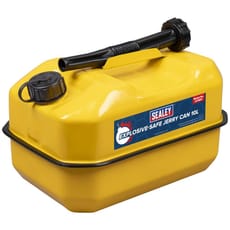
- Explosion-Safe: Specialised jerry cans featuring pressure relief mechanisms and flame arrestor technology to prevent ignition of fuel vapours and reduce explosion risk when storing volatile liquids. Essential for high-risk environments and strict safety compliance.
- Inner Coating: A protective lining applied inside metal jerry cans to prevent corrosion from fuel contact and extend the container's working life. Particularly important for modern ethanol-blended petrol which can be more aggressive to unprotected metal surfaces.
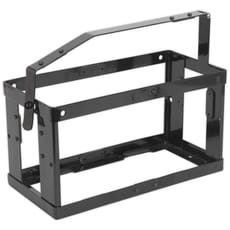
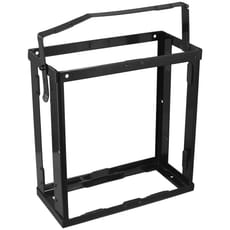
- Vehicle Bracket: A secure mounting system designed to fix jerry cans safely in vehicles or on equipment trailers. Prevents dangerous movement during transport and meets road traffic safety requirements. Lockable versions provide theft protection for valuable fuel supplies.
- ADR Regulations: Agreement concerning the International Carriage of Dangerous goods by Road. These regulations govern commercial transport of fuel in quantities exceeding 240 litres, requiring specific training, vehicle marking, and documentation.
Who Uses Jerry Cans?
- Landscapers and Groundskeepers: For fuelling mowers, strimmers, hedge trimmers, and other petrol-powered garden equipment on-site without returning to base
- Farmers and Agricultural Workers: Essential for storing and transporting diesel for tractors, generators, harvesters, and farm machinery in remote field locations
- Construction Workers and Site Managers: For powering generators, compressors, pumps, and portable equipment on building sites without mains electrical supply
- Motorsport Enthusiasts: Rally drivers, racing teams, classic car owners, and motorcycle competitors requiring safe fuel transportation to events, circuits, and competitions
- Plant Hire and Equipment Rental Companies: For refuelling hired machinery and maintaining operational readiness of equipment fleets between customer jobs
- Utilities and Emergency Services: Backup fuel supplies for emergency generators, pumps, rescue equipment, and mobile response units
- Marine and Boating Community: For storing fuel for outboard motors, auxiliary generators, and emergency power equipment aboard vessels
- Forestry Workers and Tree Surgeons: Transporting petrol for chainsaws, stump grinders, and wood chippers in woodland and remote locations
- DIY Enthusiasts and Allotment Holders: For convenient fuel storage for rotavators, generators, pressure washers, and other powered garden equipment
- Event Organisers and Festival Managers: Powering temporary generators, lighting rigs, and mobile facilities at outdoor events without permanent infrastructure
How to Choose the Right Jerry Cans
Capacity Requirements: Consider your typical fuel consumption and transportation frequency. A 5-litre can suits occasional users or those with limited storage space, whilst 10-litre models offer the best balance between portability and capacity for regular work. Twenty-litre jerry cans provide excellent value for heavy users but remember that fuel weight adds up quickly – a full 20-litre diesel can weighs approximately 37kg including the container. For mobile tradespeople, carrying two 10-litre cans often proves more manageable than one 20-litre container.
Material and Construction Quality: Steel jerry cans offer superior durability and are less prone to degradation from fuel contact compared to plastic alternatives. Look for welded seam construction rather than crimped joints, which provides stronger, more reliable connections. Check for internal protective coatings that guard against corrosion, particularly important with modern ethanol-blended petrol which can be more aggressive to bare metal. Thicker gauge steel construction resists denting and damage from knocks and drops in demanding work environments.
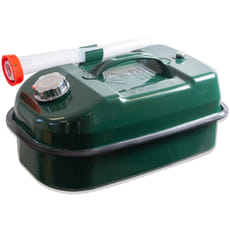
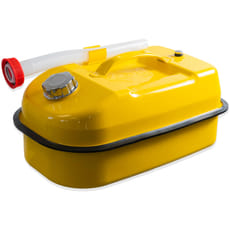
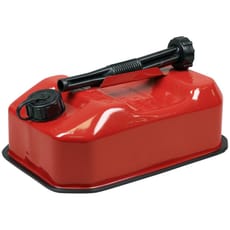
Closure System Design: Bayonet cap closures with rubber seals provide the best protection against spillage and dangerous vapour escape. These twist-lock mechanisms ensure leak-proof performance in any position during transport. Some models feature integrated pouring spouts or flexible nozzles for easier, more controlled fuel transfer without requiring separate funnels. Screw-cap designs should have multiple thread turns and quality gaskets to ensure proper sealing under varying temperature conditions.
Safety Features and Compliance: Ensure any jerry can you purchase is UN-approved for transporting dangerous goods and meets current UK regulations for fuel storage. For high-risk environments or compliance with strict workplace safety regulations, consider explosion-safe jerry cans with flame arrestor technology. Look for clear capacity markings, hazard labelling, and manufacturing date stamps which indicate quality control and regulatory compliance.
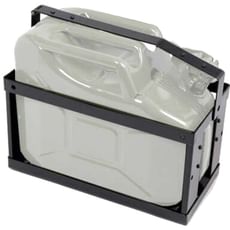
Mounting and Transportation: If you regularly transport jerry cans in vehicles or on equipment trailers, invest in purpose-designed mounting brackets. The Tooled-Up range includes lockable vehicle brackets from Sealey and Sirius that keep containers secure, prevent dangerous movement during transit, and help meet HSE guidelines for workplace transport safety. Consider whether you need single or multiple can mounting solutions based on your fuel requirements.
Brand Reliability and Support: Established manufacturers like Sealey, Draper, Sirius, and Faithfull offer proven quality and compliance with UK standards. Their jerry cans typically feature better sealing systems, more durable painted or powder-coated finishes, and clearer safety markings than budget alternatives. Quality brands also provide better long-term value through enhanced corrosion resistance and reliable performance over years of demanding use.
Popular Accessories
- Vehicle Mounting Brackets: Secure lockable brackets for safe jerry can transportation in vans, 4x4s, pickups, and on trailers. Available in single and double configurations
- Flexible Pouring Spouts: Attachable nozzles for controlled, spill-free fuel transfer into equipment tanks and machinery with awkward filling positions
- Funnels and Filters: For clean fuel transfer and filtering debris when refuelling equipment. Anti-splash designs prevent dangerous spills
- Drip Trays and Bunds: Secondary containment for safe jerry can storage in compliance with COSHH regulations and environmental protection requirements
- Fuel Caddies: Wheeled fuel dispensing systems for larger capacity storage and easier handling on construction sites and workshops
- Siphon Pumps: Hand or battery-powered pumps for transferring fuel between containers safely without lifting heavy jerry cans
- Safety Cabinets: Fireproof storage cabinets for secure jerry can storage in workshops, facilities, and commercial premises
- Warning Labels and Signs: Hazard identification labels for fuel storage areas meeting workplace safety requirements and HSE guidance
- Spill Kits: Emergency response equipment including absorbent materials for managing accidental fuel spills safely and legally
- Padlocks and Security Chains: For securing jerry cans to mounting brackets and preventing theft from vehicles and equipment
Safety Information
Legal Compliance: The storage and transportation of petrol and diesel are regulated under UK law. Petrol storage at domestic premises is limited to 30 litres (typically stored in two 10-litre metal containers plus one 5-litre reserve) without requiring a petroleum licence from your local authority. Diesel storage limits are more generous but still require consideration of planning regulations and environmental protection. Businesses must comply with DSEAR (Dangerous Substances and Explosive Atmospheres Regulations) and maintain appropriate risk assessments. Always check current HSE guidance for your specific situation.
Storage Guidelines: Store jerry cans in cool, well-ventilated areas away from ignition sources, direct sunlight, and heat sources. Never store fuel containers in living spaces, near electrical equipment, or close to combustible materials. Ensure storage areas are clearly marked with appropriate hazard warnings and maintain adequate clearance around containers. Use drip trays or bunds to contain potential spills and protect against environmental contamination. Keep a suitable dry powder or foam fire extinguisher nearby and ensure all personnel know its location and operation. Storage areas should have adequate ventilation to prevent vapour accumulation.
Transportation Safety: Secure jerry cans properly during vehicle transport using approved mounting brackets or by placing them upright in a well-ventilated area away from the passenger compartment. Never transport jerry cans in occupied passenger areas where vapours could pose health risks. Ensure caps are tightly secured before travel and avoid filling containers completely – leave at least 5% headspace for fuel expansion in warm conditions. The legal limit for private vehicle transport without ADR certification is 240 litres in portable containers. For commercial transport or larger quantities, ADR training and compliance are mandatory.
Handling Precautions: Always refuel equipment outdoors or in well-ventilated areas. Never smoke or use naked flames near jerry cans or during fuel transfer operations. When pouring fuel, use a funnel or proper nozzle to prevent spillage and avoid skin contact. Wear appropriate PPE including chemical-resistant gloves and safety glasses when handling fuels regularly. Ensure good ventilation to avoid inhaling harmful vapours which can cause dizziness and respiratory irritation. Ground metal jerry cans properly when transferring fuel to prevent static electricity buildup which could cause ignition.
COSHH Requirements: Employers and businesses must conduct COSHH risk assessments for fuel storage and handling. This includes providing appropriate training for employees, ensuring proper ventilation in storage and use areas, implementing documented spill response procedures, and maintaining adequate fire-fighting equipment. Regular inspections of jerry cans for damage, corrosion, or leaks are essential. Maintain safety data sheets (SDS) for stored fuels and ensure all personnel understand emergency procedures. Businesses must also comply with environmental regulations regarding fuel storage and have appropriate insurance coverage.
Frequently Asked Questions
What's the difference between petrol and diesel jerry cans?
Whilst many metal jerry cans can safely store both petrol and diesel, it's essential to dedicate each container to a single fuel type to avoid dangerous cross-contamination. Diesel in petrol equipment causes poor running and potential damage, whilst petrol contamination in diesel systems is even more serious. Although colour coding isn't legally mandated in the UK, many users mark their cans clearly or adopt red for petrol and black or yellow for diesel. Quality steel jerry cans from brands like Sealey and Sirius are suitable for either fuel type provided they're not mixed. Petrol requires more stringent safety precautions due to its higher volatility and lower flashpoint.
How long can I safely store fuel in a jerry can?
Petrol degrades relatively quickly, typically remaining usable for 3-6 months in a sealed container, though modern ethanol-blended fuels (E10) may deteriorate faster due to moisture absorption and phase separation. Diesel has better longevity, often remaining stable for 6-12 months when properly stored in a quality metal jerry can. For longer-term storage, use fuel stabiliser additives and store containers in cool, dark conditions away from temperature fluctuations. Always check fuel quality before use – if it smells stale, appears cloudy, or has visible water separation, it's best to dispose of it safely at an authorised facility. Rotate fuel stocks regularly to maintain quality.
Can I transport jerry cans in my car or van?
Yes, you can legally transport up to 240 litres of petrol or diesel in portable containers (jerry cans) in a private or commercial vehicle without requiring ADR certification, provided containers are properly sealed and adequately secured. Keep jerry cans away from passenger areas where vapours could accumulate, ensure good ventilation by opening windows slightly, and never smoke in vehicles carrying fuel. Secure containers using proper mounting brackets or by placing them upright in a well-ventilated cargo area. For quantities exceeding 240 litres or regular commercial transport, ADR regulations apply and professional training is legally required.
Do I need a lockable jerry can bracket?
Whilst lockable brackets aren't legally required, they're highly recommended for tradespeople who leave equipment in vehicles overnight or park in public areas. They prevent theft of both the valuable jerry can and fuel, which represents significant cost over time. Lockable brackets also secure containers during transit to prevent dangerous movement that could cause leaks or damage, and they demonstrate professional safety practices which may be required by insurance policies. Many commercial vehicle insurance policies specifically require secure fuel storage, making lockable brackets from manufacturers like Sealey a worthwhile investment that could affect claims.
Are plastic or metal jerry cans better for professional use?
Metal jerry cans offer superior durability, better resistance to fuel-related degradation, and enhanced safety characteristics due to their robustness and inherent flame resistance. They're far less likely to split if dropped or knocked, don't become brittle with age or UV exposure like plastic can, and provide better long-term value despite higher initial cost. Steel construction also offers superior puncture resistance important on busy work sites. Whilst plastic containers are lighter and rust-proof, metal cans are the professional choice for frequent use, particularly for petrol storage where their strength and safety characteristics provide crucial advantages. The jerry cans stocked at Tooled-Up.com from brands like Sealey, Draper, Sirius, and Faithfull are all constructed from quality steel for maximum reliability and professional-grade performance.