

Jig Saw Stations
Pay in 3 interest-free payments on purchases from £30-2000 with  . Learn more.
 Loading...
End of content
Error - No more pages to load
About Jig Saw Stations
Jig saw stations are specialist accessories that transform handheld jigsaws into precision cutting tools capable of workshop-level accuracy. These innovative systems include circle cutting jigs, angle table bases, and straight cutting guides that mount directly to compatible jigsaws, enabling tradespeople and DIY enthusiasts to execute complex cuts with consistent professional results. Whether creating perfect circular cutouts for kitchen sinks and hobs, cutting intricate curves in cabinetry, or making bevelled angles in sheet materials, jig saw stations provide the stability and guidance needed to maximise your existing tool's capabilities without investing in multiple dedicated machines.
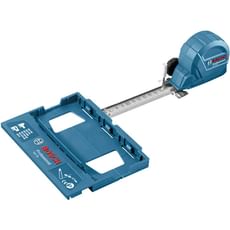
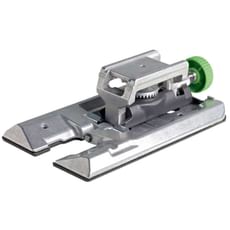
The range available from Tooled-Up.com includes various configurations from leading manufacturers such as Bosch Professional, Bosch Home and Garden, and Festool, each designed to expand the versatility of specific jigsaw models. Circle cutting jigs like the Bosch KS 3000 allow for accurate radius cuts from approximately 50mm up to 300mm or more, eliminating the need for expensive hole saws whilst delivering cleaner results. Straight cutting guides ensure perfectly parallel cuts along boards and sheet materials, whilst angle table bases such as the Festool WT-PS 420 effectively convert your jigsaw into an inverted scroll saw, ideal for intricate work on smaller pieces where control and visibility are paramount.
These accessories prove particularly valuable for site-based professionals who require precision cutting capabilities in a portable format. By maximising the potential of a single power tool, jig saw stations deliver exceptional value and save valuable workshop space whilst maintaining professional standards across applications ranging from kitchen fitting and joinery to signage work and detailed model making. The compact nature of these systems makes them ideal for both fixed workshop environments and mobile site work throughout the UK.
Jargon Buster
- Circle Cutting Jig: A guided attachment with an adjustable trammel arm that rotates around a central pivot point, enabling accurate circular cuts in various diameters without requiring hole saws or expensive machinery. Essential for creating sink and hob cutouts in worktops.
- Angle Table Base: A platform that inverts the jigsaw, converting it into a stationary tool similar to a scroll saw. This allows you to move the workpiece whilst the blade remains fixed, providing superior control for intricate cutting work on smaller components.
- Straight Cutting Guide: A fence or rail system that attaches to your jigsaw to ensure perfectly straight, parallel cuts along the length of boards or sheet materials, eliminating the need for clamped straightedges and improving cutting efficiency.
- Trammel Point: The central pivot pin used in circle cutting jigs that anchors into your workpiece, allowing the jig to rotate smoothly around this fixed point whilst maintaining a consistent radius throughout the cut.
- Bevel Capacity: The range of angles (typically 0-45 degrees) that a jig saw station can accommodate when making angled or bevelled cuts through materials, essential for creating chamfered edges and compound angles.
- FSN Compatibility: Refers to jigs that work with the Bosch FSN guide rail system, allowing professional jigsaws to utilise existing track saw rails for extended straight cutting applications.
Who Uses Jig Saw Stations?
Jig saw stations are utilised across various trades and applications throughout the UK:
- Kitchen fitters creating accurate sink and hob cutouts in laminate, solid timber, and composite worktops
- Carpenters and joiners producing precise circular cutouts for plumbing and electrical access points in residential and commercial installations
- Cabinet makers requiring accurate radius cuts and intricate detailing on bespoke furniture projects
- Shopfitters cutting precise openings in display units, retail installations, and point-of-sale fixtures
- Flooring specialists creating circular cuts around pipework and obstacles when laying laminate or engineered timber
- Signage professionals cutting decorative shapes and lettering from various sheet materials including acrylic and composite boards
- Theatre and set designers crafting intricate shapes and profiles for stage productions and exhibitions
- Bathroom fitters making accurate cutouts for basin and bath installations in vanity units and panelling
- Maintenance engineers needing to create access openings in panels and enclosures on site
- Model makers and hobbyists working on detailed projects requiring precision curved and straight cuts
- DIY enthusiasts tackling home improvement projects requiring professional-quality cuts without purchasing multiple dedicated machines
How to Choose the Right Jig Saw Stations
Compatibility: Ensure the station is compatible with your specific jigsaw model. Bosch accessories are typically designed for particular model ranges (such as PST 700, 800, and 900 series for home use, or GST Professional series for trade applications), whilst Festool creates systems specifically for their professional jigsaws. The Bosch KS 3000, for example, suits GST 140, GST 1400, GST 160, and GST 18V-LI Professional models. Always verify compatibility before purchasing to ensure proper fit and safe operation.
Type of Cutting Required: Identify your primary cutting needs to select the appropriate station type. Circle cutting jigs suit tradespeople regularly creating sink cutouts, hob openings, or access holes in worktops and panels. Straight cutting guides benefit anyone making regular rip cuts in sheet materials or needing perfectly parallel edges. Angle table bases are ideal for intricate scrollwork and detailed cutting on smaller pieces where moving the workpiece past a stationary blade provides superior control.
Material Capacity: Consider the maximum thickness and material types you'll be cutting. Professional-grade stations from Festool and Bosch Professional offer greater capacity and stability for demanding applications in hardwoods, thick composite materials, and laminated worktops. Lighter-duty options from the Bosch Home and Garden range suit occasional use in thinner materials and general DIY projects.
Precision Requirements: Professional kitchen fitting, cabinet making, and shopfitting installations demand the accuracy provided by premium systems with micro-adjustable settings and robust construction. For general site work or home improvement projects, mid-range options may prove entirely adequate whilst still delivering reliable performance.
Portability Considerations: Site-based tradespeople working across multiple locations should prioritise compact, lightweight designs that transport easily in existing tool storage systems. Circle cutting jigs typically pack down to minimal dimensions, making them ideal for mobile work. Workshop users can consider more substantial angle table base systems that remain in a fixed location for regular detailed work.
Build Quality and Durability: Professional-grade stations from established brands like Bosch Professional and Festool feature precision-machined components, durable materials, and consistent performance under regular commercial use. The range at Tooled-Up includes options suitable for both trade professionals requiring daily reliability and enthusiastic DIYers seeking quality equipment for occasional projects. Consider your usage frequency and application demands when balancing quality against budget.
Popular Accessories
Enhance your jig saw station setup with these complementary products:
- Jigsaw blades in various tooth configurations for wood, metal, laminate, and composite materials from brands including Bosch, Festool, and Makita
- Anti-splinter inserts to minimise tear-out on visible surfaces when cutting laminates, veneered panels, and high-gloss finishes
- Dust extraction adaptors connecting your jigsaw to workshop vacuums and site extractors for cleaner working conditions and improved visibility
- Workbenches and portable work centres from Stanley, Bosch, and DeWalt providing secure workpiece holding during cutting operations
- Quick-release clamps and bar clamps from brands like Irwin and Bahco for securing materials during precision cutting
- Measuring and marking tools including compasses, combination squares, and marking gauges for accurate layout work
- Kitchen worktop cutting templates for standardised sink and hob installations ensuring consistent professional results
- Safety equipment including dust masks, safety glasses from brands like DeWalt and Portwest, and hearing protection
- Replacement pivot pins and spare trammel components for circle cutting jigs to maintain accuracy over time
- Lubricants and cleaning products to maintain smooth operation and extend equipment lifespan
Safety Information
Secure Workpiece Clamping: Always ensure materials are firmly secured before commencing cuts. Movement during cutting can cause blade binding, material damage, or personal injury. Use appropriate clamps or workholding devices suited to your workpiece size and thickness, particularly when working with smaller components or off-cuts.
Blade Guard Integrity: Verify that blade guards and safety features remain functional and properly positioned before each use. Never defeat or remove safety devices to access awkward cutting positions. Ensure guards move freely without binding throughout the cutting stroke.
Personal Protective Equipment: Wear appropriate safety glasses to protect against flying debris and splinters, particularly when cutting brittle materials like laminate or MDF. Use dust masks or respirators when cutting materials that generate harmful particulates. Follow HSE guidance on respiratory protection when working with MDF, hardwoods, or chemically treated materials that produce hazardous dust.
Electrical Safety: Inspect power cables regularly for damage, paying particular attention to flex condition near tool entry points. When working with angle table bases that invert the jigsaw, ensure cables don't become trapped, stressed, or positioned where they may contact the moving blade. Use 110V site transformers or RCD protection on UK 240V supplies when working on construction sites, in accordance with current HSE guidance for portable electrical equipment.
Material Security in Angle Tables: When using inverted jigsaw stations, ensure smaller workpieces are adequately supported and controlled throughout the cut to prevent snatching or kickback as the blade exits the material. Use push sticks or push blocks when working close to the blade, and never position hands in the blade's cutting path.
Circle Cutting Safety: When using circle cutting jigs, ensure the trammel point is securely anchored in pre-drilled pilot holes before commencing cuts. Verify that the workpiece is adequately supported across its entire area to prevent sagging or movement as the cut progresses, particularly when creating large-diameter circles in sheet materials.
Frequently Asked Questions
Can I use any jigsaw with a circle cutting jig?
Most circle cutting jigs are designed for specific jigsaw models or ranges to ensure proper fit and safe operation. Bosch jigs typically fit their corresponding jigsaw series—for example, the KS 3000 suits GST Professional models, whilst straight cutting guides are available specifically for PST 700, 800, and 900 series. Festool systems like the WT-PS 420 are engineered for their professional jigsaws. Always check compatibility specifications before purchasing to ensure the station will mount securely and operate safely with your particular tool.
What's the maximum circle diameter I can cut with a jig saw station?
This varies by model, but most circle cutting jigs accommodate diameters from approximately 50mm up to 300mm or more, covering the vast majority of kitchen sink, hob, and access hole requirements. The Bosch KS 3000, for example, provides excellent range for typical worktop installations and access openings. Professional systems may offer extended trammel arms for larger radius cuts in specialist applications. Consider your most common cutting requirements when selecting a jig—if you regularly need circles exceeding 300mm diameter, dedicated hole cutting equipment may prove more practical.
Are jig saw stations suitable for cutting kitchen worktops?
Absolutely. Circle cutting jigs excel at creating accurate sink and hob cutouts in kitchen worktops made from laminate, solid timber, or composite materials like Corian. Combined with appropriate fine-toothed blades designed for laminate cutting and anti-splinter guards, these jigs deliver clean, professional edges on visible surfaces. Many professional kitchen fitters rely on circle cutting jigs for consistent, repeatable results across multiple installations, making them essential equipment for this trade.
Do I need a professional jigsaw to use these stations?
Whilst professional jigsaws from Bosch Professional, Festool, or Makita offer superior power, consistency, and dust extraction for demanding daily applications, many jig saw stations work effectively with good-quality DIY models from the same manufacturers. Match the station quality to your jigsaw specification and usage requirements for best results. If you're a tradesperson using these accessories daily on site, professional-grade equipment provides the reliability and precision needed. For occasional DIY use, mid-range combinations deliver excellent value and performance.
Can angle table bases replace a scroll saw for detailed work?
For many applications, yes. Angle table bases like the Festool WT-PS 420 provide excellent control for intricate cutting work on smaller pieces, effectively converting your jigsaw into an inverted cutting station. However, dedicated scroll saws offer finer blade options, greater throat depth for larger workpieces, and smoother operation for extremely delicate work in thin materials. For occasional detailed cutting, craftwork, and small-scale joinery, an angle table base represents excellent value and space efficiency without requiring investment in a separate machine.