

Joint Rakers

Pay in 3 interest-free payments on purchases from £20-£3000 with  . Learn more.
 Loading...
End of content
Error - No more pages to load
About Joint Rakers
Joint rakers are specialised masonry tools designed to remove deteriorated, loose or damaged mortar from between bricks, blocks and stonework. Whether preparing walls for repointing, restoring heritage buildings or maintaining modern brickwork, a quality joint raker makes mortar removal significantly faster and more efficient than using improvised tools like screwdrivers or chisels. These purpose-built implements feature hardened steel blades or wheels that cut through weakened mortar whilst minimising damage to surrounding masonry, creating clean joints ready for fresh pointing material.
Available in several designs to suit different applications and project scales, joint rakers range from traditional hand-held models with replaceable blades to innovative skate wheel variants that roll along joints for consistent depth removal with reduced operator fatigue. The selection at Tooled-Up.com includes professional-grade options from respected brands like Marshalltown, Faithfull, Draper and Sealey, offering durability and precision for both trade professionals and serious DIY enthusiasts tackling repointing projects.
Proper joint preparation is critical when repointing brickwork, as it ensures new mortar bonds effectively with existing masonry. A well-designed joint raker removes mortar to a consistent depth—typically 15-20mm—creating a clean profile that allows fresh pointing material to key properly into the joint. This results in weather-tight, long-lasting repairs that maintain both the structural integrity and aesthetic appearance of brickwork, preventing water ingress and frost damage whilst preserving the character of buildings.
Jargon Buster
- Repointing: The process of removing deteriorated mortar from masonry joints and replacing it with fresh mortar to restore weather resistance and structural integrity.
- Mortar Joint: The space between bricks, blocks or stones filled with mortar compound. Common joint profiles include flush, bucket handle, weathered and recessed joints.
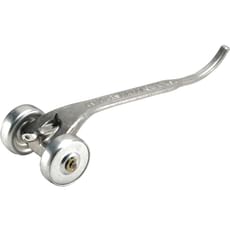
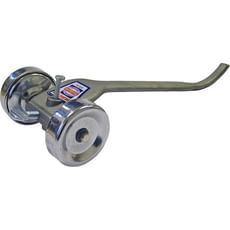
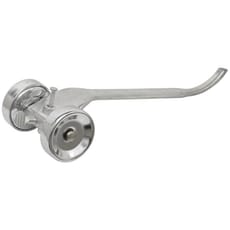
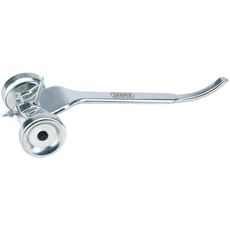
- Skate Wheel Raker: A joint raker design featuring a hardened steel wheel that rolls along the mortar joint, cutting to a consistent depth with minimal effort and reduced wrist strain compared to blade-style tools.
- Blade Depth: The distance the cutting edge extends from the tool body, determining how deeply mortar is removed from the joint. Adjustable models allow precise control of removal depths.
- Keying: The mechanical bond created when new mortar grips into the roughened surface of a properly raked joint, essential for long-term adhesion and weather resistance.
- Lime Mortar: Traditional mortar mix using lime rather than cement, commonly found in older buildings. Softer lime mortars require gentler raking techniques to avoid damaging surrounding brickwork.
Who Uses Joint Rakers?
- Bricklayers and stonemasons carrying out restoration and maintenance work on existing masonry structures
- General builders preparing walls for repointing as part of renovation projects
- Heritage restoration specialists working on listed buildings and conservation areas
- Property maintenance contractors conducting regular building upkeep and repairs
- Pointing specialists focused specifically on mortar joint repairs and restoration
- DIY enthusiasts tackling home improvement projects involving brick or stone repointing
- Landscape gardeners maintaining or repairing brick walls, raised beds and garden structures
- Facilities managers overseeing maintenance of commercial and institutional buildings
- Groundworkers repairing retaining walls and boundary structures
How to Choose the Right Joint Rakers
Selecting the appropriate joint raker depends on several factors related to your specific repointing requirements. Consider the type of mortar you'll be removing—harder cement-based mortars require more robust tools with carbide-tipped or hardened steel cutting edges, whilst softer lime mortars found in older properties need gentler approaches to prevent damage to historic brickwork. Understanding your mortar type prevents unnecessary damage and makes the raking process more efficient.
The scale of your project significantly influences tool choice. For extensive repointing work covering large wall areas, a skate wheel joint raker offers reduced fatigue and consistent depth control through its rolling action, allowing you to maintain productivity throughout the day. Smaller repairs or detailed restoration work may be better suited to traditional blade-style rakers that provide greater precision in tight spaces and around architectural features where control is paramount.
Joint width and depth are practical considerations—ensure your chosen raker can access the specific joint dimensions you're working with. Standard brick joints typically measure 10mm wide, but stone walls and older buildings may feature considerably wider joints requiring appropriately sized tools. Check whether blades are replaceable, as this significantly extends tool life and reduces long-term costs on high-volume projects where cutting edges will inevitably dull through use.
Consider ergonomic features if you'll be working for extended periods. Comfortable grip handles reduce hand fatigue and prevent blisters, whilst tools with adjustable depth settings allow you to work more efficiently without constantly checking joint depth. Professional tradespeople should prioritise durability and blade quality from established brands, as cheaper alternatives quickly lose their edge and make the raking process unnecessarily difficult and time-consuming.
Popular Accessories
- Replacement blades for blade-style joint rakers to maintain cutting performance throughout demanding projects
- Pointing trowels for applying fresh mortar after joint preparation
- Hawk boards for holding mortar during repointing work
- Wire brushes to clean dust and debris from raked joints before repointing
- Cold chisels for removing particularly stubborn mortar sections that resist raking
- Club hammers to use alongside chisels for difficult areas
- Dust masks and safety glasses for protection from mortar dust and debris
- Joint finishing tools to profile new mortar once applied
- Bucket and sponge for dampening joints before repointing
- Jointing irons for creating professional-looking finished profiles
- Extension poles for reaching high-level joints safely
Safety Information
Joint raking generates significant amounts of dust containing silica, cement and lime particles that pose serious respiratory health risks. Always wear appropriate respiratory protection meeting HSE standards—a disposable dust mask provides minimal protection, whilst a reusable half-mask respirator with P3 filters offers superior defence for prolonged work. Eye protection is essential as mortar fragments can dislodge unexpectedly during raking, potentially causing serious injury.
Wear heavy-duty work gloves to protect hands from sharp tool edges and abrasive masonry surfaces. When working at height on scaffolding or ladders, ensure all tools are properly secured to prevent drops, and always follow HSE guidance for working at height. Take regular breaks to avoid repetitive strain injury, particularly when using blade-style rakers that require repetitive hand movements over extended periods.
Be aware of hidden services within walls—old mortar joints occasionally conceal wiring or pipework that could be damaged during raking. Exercise caution when raking deeply, particularly in walls known to contain services. If working on pre-1999 buildings, be mindful that mortar may potentially contain asbestos fibres; if in doubt, have materials professionally tested before commencing work. Never rake joints dry where possible—damping down reduces airborne dust and protects your respiratory health.
Frequently Asked Questions
How deep should I rake mortar joints before repointing?
Generally, mortar should be removed to a depth of 15-20mm (approximately twice the joint width) to provide sufficient depth for new mortar to key properly. Heritage buildings with lime mortar may require slightly shallower depths to avoid damaging softer bricks. Always rake to a consistent depth for professional-looking results and effective bonding that will last decades.
Can I use a joint raker on stone walls as well as brickwork?
Yes, joint rakers work effectively on stone walls, though you may need to adjust your technique depending on joint width. Stone walls often feature wider, more irregular joints than standard brickwork, so ensure your chosen tool can accommodate these dimensions. Take extra care with softer stones like sandstone to avoid edge damage during raking.
What's the difference between a blade raker and a skate wheel raker?
Blade-style rakers use a replaceable cutting edge that you draw through the joint, offering precise control but requiring more physical effort. Skate wheel rakers feature a hardened steel wheel that rolls along the joint, removing mortar with less fatigue and more consistent depth. Wheel rakers excel on extensive projects, whilst blade types suit detailed work and tighter spaces.
How do I know when mortar joints need raking and repointing?
Signs include crumbling or powdery mortar that can be easily scraped out with a screwdriver, visible cracks in joints, gaps between mortar and bricks, or mortar that's recessed more than 5mm from the brick face. Water penetration and damp patches often indicate failed mortar joints requiring attention. Regular inspection helps catch deterioration early before structural issues develop.
Do I need different tools for lime mortar versus cement mortar?
Whilst the same joint rakers from Tooled-Up can technically work with both materials, lime mortar found in older buildings is considerably softer and requires a more cautious approach. Use lighter pressure and sharper tools to avoid damaging historic brickwork. Cement-based mortars are harder and more durable, tolerating more aggressive raking techniques with carbide or hardened steel blades.