
Jumpers

Pay in 3 interest-free payments on purchases from £20-£3000 with  . Learn more.
Loading...
End of content
Error - No more pages to load
About Jumpers
Work jumpers and sweatshirts are essential garments for tradespeople and professionals who need comfortable, durable upper-body clothing that can withstand the rigours of demanding work environments. Whether you're working on-site in cold weather, need high-visibility protection for roadside tasks, or require specialist flame-resistant clothing for hazardous environments, the right work jumper provides both comfort and protection throughout your working day. From lightweight pullovers for layering to heavy-duty crew neck sweatshirts for outdoor work, these garments have become indispensable for professionals across all trades.
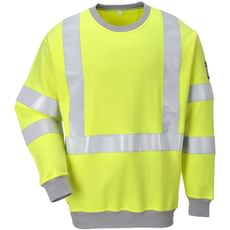
Modern work jumpers have evolved far beyond basic cotton sweatshirts. The range at Tooled-Up.com includes advanced options such as hi-vis jumpers meeting Class 3 visibility standards, anti-static ESD sweatshirts for electronics work, flame-resistant options for welding and hot work environments, and even cordless heated base layers powered by your existing tool batteries. Leading brands like Portwest, Snickers, Scruffs, and Makita offer designs specifically engineered for professional use, featuring reinforced stitching, ergonomic cuts that don't restrict movement, and fabrics that maintain their shape and appearance even after countless washes.
Selecting the right garment depends on your specific trade requirements, site regulations, and the conditions you'll be working in. Whether you need a half-zip sweatshirt for temperature regulation, an ESD-safe jumper for electronics assembly, or a high-visibility option for highways work, professional-grade sweatshirts combine workplace performance with all-day comfort. Many professionals now choose eco-friendly options made from organic cotton or recyclable materials, combining durability with environmental responsibility.
Jargon Buster
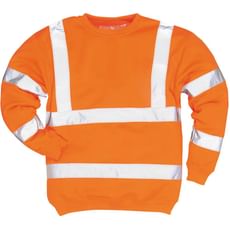
- Hi-Vis Class 3: The highest visibility classification under EN ISO 20471, requiring specific amounts of fluorescent background material and retroreflective tape. Essential for workers near moving vehicles or plant machinery, particularly in low-light conditions.
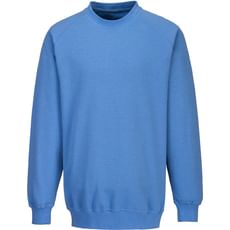
- ESD (Electrostatic Discharge): Garments designed to prevent the build-up of static electricity, crucial when working with sensitive electronic components or in environments where static sparks could ignite flammable materials.
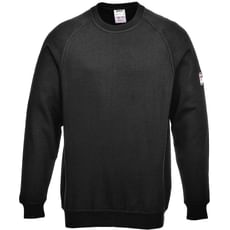
- Flame Resistant (FR): Fabrics treated or manufactured to resist ignition and self-extinguish when exposed to flames. Required for welding, hot work, and environments with flash fire risks. Often combined with anti-static properties in Modaflame garments.
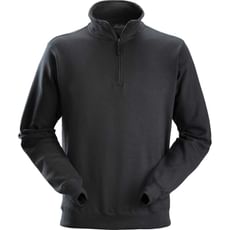
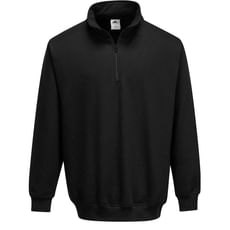
- Half-Zip Design: A sweatshirt with a short zipper from the neck to mid-chest, allowing quick ventilation adjustment without removing the garment entirely—ideal for physically demanding work where body temperature fluctuates.
- Base Layer: A close-fitting garment worn next to the skin as the first layer in a clothing system, designed to wick moisture away and regulate temperature. Cordless heated versions use lithium-ion batteries for active warming.
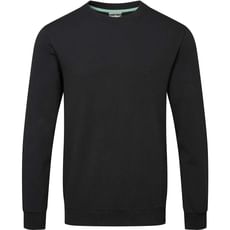
- Organic Cotton Recyclable: Jumpers made from certified organic cotton fibres and constructed without mixed materials, allowing the entire garment to be recycled at end-of-life rather than ending up in landfill.
Who Uses Jumpers?
Work jumpers and sweatshirts are worn across virtually every trade and industry:
- Construction Workers: Site labourers, scaffolders, and general builders requiring durable, comfortable clothing with optional hi-vis features
- Electricians and Electronics Technicians: Those needing ESD-safe garments to protect sensitive components from static discharge
- Groundworkers and Highways Maintenance: Workers requiring Class 3 hi-vis jumpers for maximum visibility near traffic
- Welders and Hot Work Specialists: Tradespeople needing flame-resistant protection when working with heat, sparks, and molten metal
- Warehouse and Logistics Staff: Workers in unheated facilities requiring comfortable layering options
- Mechanics and Vehicle Technicians: Those needing durable sweatshirts that withstand oils, solvents, and frequent washing
- Landscapers and Groundskeepers: Outdoor workers requiring weather-resistant jumpers for year-round comfort
- Maintenance Engineers: Facilities staff needing practical, professional-looking sweatshirts suitable for varied tasks
- DIY Enthusiasts: Home improvers wanting comfortable, hardwearing clothing for workshop and outdoor projects
How to Choose the Right Jumpers
Site Requirements: Check whether your workplace mandates hi-vis clothing, and if so, which class. Roadside and highways work typically requires Class 3, whilst warehouses may only need Class 2 or no hi-vis at all. Similarly, some environments require flame-resistant or anti-static properties as a condition of entry.
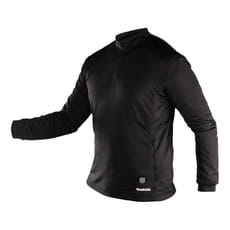
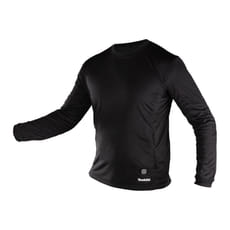
Weather and Temperature: For cold outdoor work, consider heavier-weight crew neck sweatshirts or even cordless heated options like the Makita DCX200C that integrate with your existing 18V tool batteries. For variable conditions or physical work, half-zip designs offer better temperature control. Lightweight pullovers work well as mid-layers under jackets.
Fabric Composition: Cotton-rich blends offer comfort and breathability, whilst polyester mixes provide better moisture-wicking and faster drying. Organic cotton options from brands like Portwest combine comfort with environmental credentials. Check wash durability—professional garments should maintain their fit and appearance through industrial laundry cycles.
Fit and Movement: Work jumpers should allow full range of motion without riding up or restricting your arms. Brands like Snickers and Scruffs design with ergonomic cuts specifically for tradespeople. Consider whether you'll wear the jumper over just a t-shirt or over multiple base layers, and size accordingly.
Durability Features: Look for reinforced shoulders and elbows if you'll be carrying materials or working in abrasive environments. Double-stitched seams, ribbed cuffs and hems, and quality zippers all indicate better longevity. Professional-grade garments may cost more initially but typically outlast cheaper alternatives significantly.
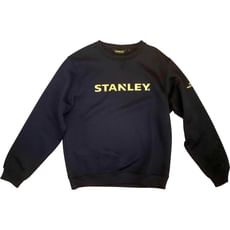
Corporate and Team Identity: Many work jumpers can be embroidered with company logos, making them suitable for branded workwear programmes. Darker colours show dirt less readily, whilst options like the Portwest Roma or Stanley sweatshirts offer a smart appearance for customer-facing roles.
Popular Accessories
- Base Layer Tops: Thermal or moisture-wicking underlayers to wear beneath jumpers for additional warmth or comfort
- Work Jackets and Gilets: Outer layers to wear over sweatshirts for weather protection whilst maintaining visibility
- Cordless Heated Jacket Batteries: Compatible 18V lithium-ion batteries for heated garments, often interchangeable with your power tool system
- Neck Warmers and Snoods: Additional cold weather protection that works well with crew neck jumpers
- Work Trousers: Coordinating bottoms from the same brand range for a complete workwear system
- Hi-Vis Vests: Worn over non-hi-vis jumpers when visibility is occasionally required
- Workwear Wash Detergent: Specialist cleaning products that maintain hi-vis properties and fabric integrity
Safety Information
When selecting work jumpers for safety-critical applications, ensure garments meet relevant British and European standards. Hi-vis jumpers should comply with EN ISO 20471 and display clear certification labels indicating their class rating. Be aware that hi-vis properties can degrade with washing and UV exposure—replace garments when retroreflective tape becomes cracked or background fabric fades below acceptable fluorescence levels.
For flame-resistant jumpers used in welding or hot work environments, verify compliance with EN ISO 11612 or EN ISO 11611 as appropriate. Never wear damaged or contaminated FR garments, as this compromises their protective properties. Similarly, ESD garments should meet EN 61340-5-1 and be tested regularly to ensure they still provide adequate static dissipation.
Avoid wearing loose-fitting jumpers around rotating machinery, as they present an entanglement hazard. The HSE advises that clothing should fit appropriately for the task—close-fitting enough to avoid snag risks but allowing sufficient movement for safe working. Never modify safety garments by removing labels, tape, or altering the construction, as this may invalidate their certification and your insurance coverage.
Frequently Asked Questions
Can I use my Makita cordless tool batteries in heated jumpers?
Yes, the Makita DCX200C heated base layer uses the same 18V LXT battery system as Makita's power tools, allowing you to share batteries between your equipment. This makes cordless heated clothing a practical option for tradespeople who already have compatible batteries on-site. A single battery typically provides several hours of warmth depending on the heat setting used.
How often should hi-vis jumpers be replaced?
Replace hi-vis garments when the fluorescent fabric noticeably fades, the retroreflective tape becomes cracked or peels away, or after approximately 50 industrial washes—whichever comes first. Regular inspection is essential, as degraded hi-vis clothing no longer provides adequate visibility protection. Keep records of when garments were issued to manage replacement schedules effectively.
What's the difference between a sweatshirt and a jumper?
In workwear terminology, these terms are often used interchangeably, though "sweatshirt" typically refers to casual fleece-backed garments, whilst "jumper" can encompass both sweatshirts and finer-knit sweaters. What matters most is the garment's specifications—fabric weight, safety certifications, and durability features—rather than what it's called. Check product descriptions at Tooled-Up for technical details.
Are organic cotton work jumpers as durable as synthetic blends?
Modern organic cotton workwear from brands like Portwest is engineered for professional durability and can match synthetic blends for longevity when properly cared for. Organic certification relates to how the cotton is grown (without pesticides or synthetic fertilisers) rather than the fabric's strength. These garments offer the added benefit of being fully recyclable at end-of-life, reducing environmental impact.
Do I need special care instructions for flame-resistant jumpers?
Yes, FR garments require specific washing procedures to maintain their protective properties. Use mild detergents without bleach or fabric softeners, which can coat fibres and reduce flame resistance. Wash separately from non-FR items, avoid excessive heat when drying, and never use starch. Always follow the manufacturer's care label instructions precisely to ensure continued protection and compliance with safety standards.