

Junction Boxes & Inline Connectors
Pay in 3 interest-free payments on purchases from £30-2000 with  . Learn more.
 Loading...
End of content
Error - No more pages to load
About Junction Boxes & Inline Connectors
Junction boxes and inline connectors are fundamental electrical components that provide safe, reliable connections and protection for electrical circuits across residential, commercial, and industrial installations. These products serve as critical housing units for cable connections, protecting wiring joints from environmental factors such as moisture, dust, and physical damage whilst ensuring compliance with UK electrical regulations including the 18th Edition Wiring Regulations (BS 7671). Whether working with 240v domestic circuits or three-phase industrial supplies, properly selected and installed junction boxes and connectors are essential for maintaining electrical safety and system integrity.
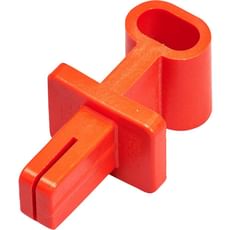
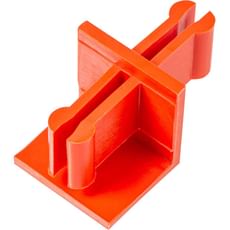
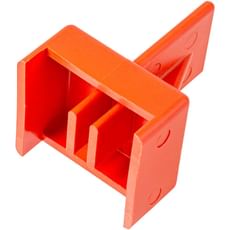
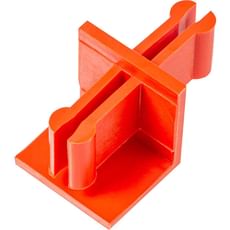
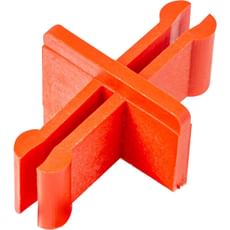
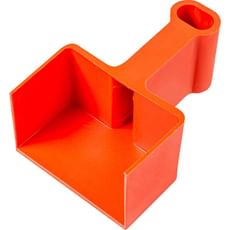
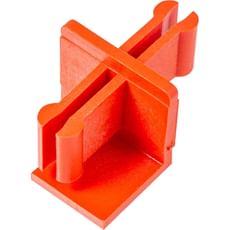
The range available at Tooled-Up.com includes specialised insulated shrouds engineered to provide additional protection for electrical connections. These protective covers prevent accidental contact with live electrical components, making them indispensable for installations where safety is paramount. From universal shrouds that accommodate various connector types to specialised designs for specific applications like cut-out installations, single-phase connections, and spade-type terminals, these products ensure that electrical terminations remain safe and code-compliant throughout their service life.
Modern insulated shrouds, such as those from the ITL range, are manufactured from injection-moulded nylon 11 that exceeds IEC 60900 standards for live line working. Designed to perform reliably in extreme temperatures from -40°C to +70°C, these virtually indestructible components offer professional electricians peace of mind when carrying out consumer unit installations, electrical distribution system maintenance, or commercial electrical projects. With proper selection and installation, junction boxes and inline connectors provide the foundation for safe, long-term electrical system performance.
Jargon Buster
- Insulated Shroud: A protective cover designed to encase electrical connectors and terminals, preventing accidental contact with live parts and providing additional protection against moisture and contaminants. Essential for maintaining electrical safety in consumer units and distribution boards.
- Universal Shroud: A versatile protective housing designed to accommodate multiple connector types and configurations, offering flexibility for various installation requirements without requiring specific product matching. Particularly useful for mixed installations with different equipment manufacturers.
- Series Rating: A classification system used to identify compatible shrouds and connectors, ensuring proper fit and adequate protection levels. Series 5 and Series 7 are common configurations, each designed for specific connector dimensions and applications.
- Cut-Out: An electrical safety device (also known as a service fuse) that protects the incoming electrical supply. Shrouds for cut-outs provide insulation around these critical components during and after installation, preventing accidental contact with live supply cables.
- Spade Type Connection: A flat, blade-like electrical connector terminal commonly used in consumer units and distribution boards, requiring specific shroud designs to provide adequate insulation coverage around the terminal itself.
- IP Rating: Ingress Protection rating that indicates the level of protection an enclosure provides against solid objects and liquids. Critical for determining suitability in different environmental conditions, with IP55 or higher recommended for outdoor installations.
Who Uses Junction Boxes & Inline Connectors?
Junction boxes and inline connectors are primarily utilised by qualified electrical professionals including:
- Qualified Electricians: Professionals carrying out new installations, rewiring projects, and electrical maintenance work across domestic, commercial, and industrial settings
- Electrical Contractors: Companies specialising in large-scale electrical projects requiring compliant and safe connection solutions for multiple properties or commercial developments
- Electrical Engineers: Those designing and implementing electrical distribution systems in commercial and industrial facilities, ensuring installations meet design specifications and safety standards
- Maintenance Electricians: Tradespeople responsible for ongoing electrical system maintenance and repair in factories, hospitals, schools, and other institutions requiring reliable electrical infrastructure
- Solar Panel Installers: Specialists working with renewable energy systems requiring weatherproof connection solutions for DC and AC circuits in exposed environments
- Building Services Engineers: Professionals integrating electrical systems into building management and control systems, often working with complex distribution arrangements
- Distribution Network Operators: Utility companies working on power distribution infrastructure where robust, code-compliant connections are critical for network reliability
- Facilities Managers: Those overseeing building maintenance who need to ensure electrical installations remain safe, compliant, and functioning throughout the building lifecycle
How to Choose the Right Junction Boxes & Inline Connectors
Application Type: Identify whether you're working with consumer units, cut-outs, distribution boards, or general wiring connections. Specific applications require purpose-designed shrouds for proper fit and adequate protection. Universal shrouds offer flexibility for mixed installations with various equipment types, whilst dedicated designs provide optimal protection for specific components like series 5 or series 7 cut-outs.
Voltage and Current Rating: Ensure the selected product is rated for the electrical load it will protect. UK domestic installations typically operate at 240v single-phase, whilst commercial and industrial settings may involve three-phase supplies. Always verify that the shroud or connector is certified for your specific voltage and current requirements, with adequate safety margins for fault conditions.
Series Compatibility: Match the series rating of your shroud to the connectors and equipment you're protecting. Series 5 shrouds are designed for specific connector dimensions, whilst series 7 configurations accommodate different terminal arrangements. Using the correct series ensures proper fit, adequate safety clearances, and reliable long-term protection.
Environmental Conditions: Consider where the installation will be located. Indoor installations in dry conditions have different requirements compared to outdoor installations, damp locations, or industrial environments with dust or chemical exposure. Check IP ratings for environmental protection levels—IP55 or higher is generally recommended for outdoor applications exposed to weather.
Physical Dimensions: Verify that the shroud has adequate internal space for the connections you need to make, with consideration for cable entry points and ease of installation in confined spaces. Modified slim designs, such as 30mm shrouds, are available for space-constrained installations behind consumer units or in tight enclosures.
Compliance Requirements: Ensure products meet current UK electrical regulations including BS 7671 (18th Edition) requirements. Look for products tested to relevant British and European standards, and verify they meet IEC 60900 specifications for live line working where applicable. Products stocked at Tooled-Up.com, such as the ITL range, are manufactured to exceed industry standards with Category C performance ratings.
Popular Accessories
To complete your electrical installation work, consider these complementary products:
- Cable Glands: Provide strain relief and environmental sealing where cables enter junction boxes and enclosures, preventing moisture ingress and cable damage
- Terminal Blocks: Create secure, organised connections within junction boxes for multiple conductors, available in various current ratings and configurations
- Cable Connectors: Various connector types including choc blocks, lever connectors (Wago-style), and push-fit connectors for maintenance-free installations
- Cable Ties and Management: Keep wiring organised and secure within enclosures, improving installation appearance and facilitating future maintenance
- Insulation Tape: Additional protection for electrical connections and identification purposes, available in multiple colours for phase identification
- Earth Bonding Equipment: Essential components for maintaining proper earthing throughout electrical installations, including earth bars and bonding clamps
- Voltage Testers and Multimeters: Testing equipment from brands like Fluke and Kewtech for safe verification of installations before and after connection work
- Electrician's Hand Tools: VDE-insulated screwdrivers, wire strippers, and terminal tools from Knipex, Wera, and Wiha for safe working on electrical installations
Safety Information
WARNING: All electrical work must be carried out by qualified, competent persons in accordance with UK electrical regulations. Junction boxes and inline connectors involve working with potentially lethal voltages, and improper installation can result in electric shock, fire, or death.
Before commencing any electrical work, always isolate the electrical supply at the consumer unit or distribution board and verify it is dead using appropriate voltage testing equipment. Test before touching, and follow the "Permit to Work" system on commercial and industrial sites. Ensure all work complies with BS 7671 (18th Edition Wiring Regulations) and relevant building regulations.
Insulated shrouds must be correctly fitted to provide adequate protection against accidental contact with live parts. Ensure shrouds are suitable for the voltage and current rating of the circuit, properly secured with no gaps or exposed terminals, and regularly inspected for damage or deterioration. Damaged, cracked, or incorrectly fitted shrouds compromise electrical safety and must be replaced immediately—never attempt to repair damaged insulation.
When working at height or in confined spaces, follow HSE guidance and use appropriate access equipment and personal protective equipment. Part P of the Building Regulations requires notification of certain electrical installation work in dwellings in England and Wales—ensure you understand your notification obligations or work through a registered competent person scheme such as NICEIC, NAPIT, or Elecsa.
Frequently Asked Questions
What is the difference between series 5 and series 7 shrouds?
Series 5 and series 7 shrouds are designed for different connector dimensions and terminal configurations. Series 5 shrouds typically accommodate smaller connectors commonly found in older installations, whilst series 7 shrouds are designed for larger cut-outs and modern connector types. The series classification ensures proper fit and adequate electrical clearances—always match the shroud series to your specific connector type to ensure compliance and safety. Universal shrouds within each series offer flexibility when working with multiple connector manufacturers.
Do insulated shrouds need to be replaced periodically?
Quality insulated shrouds manufactured from nylon 11 (such as the ITL range) are designed for long-term service and don't require routine replacement based on age alone. However, they should be visually inspected during periodic electrical installation condition reports—typically every 10 years for domestic properties and annually for commercial installations. Replace shrouds immediately if you observe any cracks, deformation, discolouration, or physical damage. Many professional-grade shrouds include lifetime warranties covering both the component and insulation integrity.
Can I use universal shrouds for all types of electrical connections?
Universal shrouds are designed to accommodate multiple connector types within their series classification, offering flexibility for mixed installations. However, they must still be correctly sized for the series rating of your connectors (series 5 or series 7), and suitable for the voltage and current involved. Whilst universal shrouds work well for many applications, purpose-designed shrouds for specific installations (such as spade-type terminals or single-phase connections) may provide a more tailored fit with easier installation. Always verify compatibility before purchase.
What IP rating do I need for junction boxes in different locations?
Indoor installations in dry locations typically require IP20 or IP2X minimum rating. For kitchens, bathrooms, or areas subject to water spray, IP44 or higher is recommended. Outdoor installations exposed to weather require minimum IP55 rating (protection against dust and water jets), whilst installations likely to experience heavy rain or temporary immersion benefit from IP66 or IP67 ratings. Industrial environments with dust or chemical exposure may require specialised enclosures—always consider the specific environmental conditions when selecting junction boxes.
Are insulated shrouds required by the 18th Edition Wiring Regulations?
Whilst BS 7671 (18th Edition) doesn't mandate insulated shrouds by name, it does require adequate protection against direct contact with live parts and specifies that connections must be mechanically and electrically suitable for their purpose. Regulation 526.3 addresses accessibility of connections, whilst Section 416 covers protection against direct contact. Insulated shrouds provide a practical, code-compliant method of achieving these requirements, particularly in consumer units and distribution boards where live terminals could otherwise be exposed. Their use represents best practice and is widely expected by electrical inspectors and competent person scheme providers.