

Key Cabinets

Pay in 3 interest-free payments on purchases from £20-£3000 with  . Learn more.
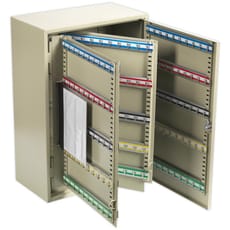
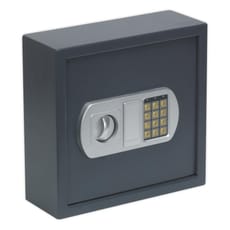
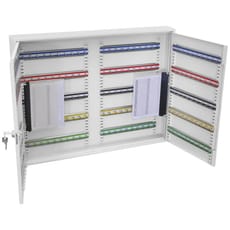
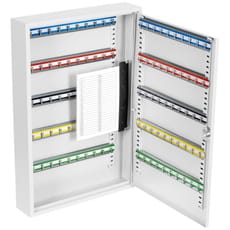
 Loading...
End of content
Error - No more pages to load
About Key Cabinets
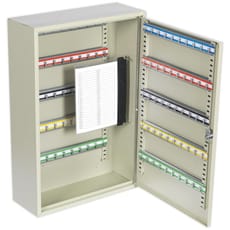
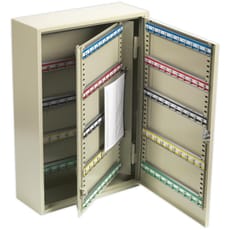
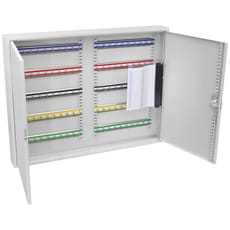
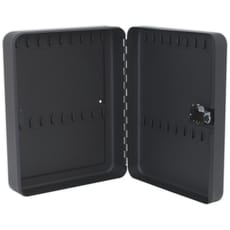
Key cabinets are essential security and organisation solutions designed to keep keys safe, secure, and easily accessible in professional and domestic settings. Whether you're managing a handful of keys for a small workshop or overseeing hundreds of keys for a large commercial facility, a properly designed key cabinet provides a centralised storage system that prevents loss, unauthorised access, and the chaos of misplaced keys. These robust metal enclosures typically feature numbered hooks or tags that correspond to specific keys, making key identification and retrieval quick and efficient.
Modern key cabinets range from simple lockable metal boxes to sophisticated electronic systems with audit trails and digital access control. Available at Tooled-Up.com, brands like Sealey dominate the professional market with an extensive range spanning from compact 20-key units through to impressive 300-key capacity cabinets. For environments requiring enhanced security, electronic key cabinets offer programmable access codes and detailed usage logging, whilst traditional key-lock models from manufacturers including Draper, Masterlock and Yale provide reliable, no-power-required security for smaller operations. Wall-mounted designs save valuable floor space and keep keys at eye level for easy viewing and selection.
Available in various depths and widths, key cabinets can accommodate everything from standard Yale-type keys to larger vehicle keys, padlock keys, and security fobs. Deep and wide variants provide extra clearance for bulkier key rings and attached tags, whilst standard depth models suit typical key sizes. Whether you're a facilities manager, garage owner, letting agent, or tradesperson managing multiple site keys, there's a key cabinet configuration to match your specific requirements and available wall space.
Jargon Buster
- Key Capacity: The maximum number of keys a cabinet can store, typically indicated by the number of hooks provided. Remember that actual capacity may vary depending on key size and the number of keys per hook.
- Electronic Key Cabinet: A digitally controlled key storage system featuring keypad or PIN code access rather than traditional key locks. Often includes audit trail functionality to track who accessed keys and when, ideal for compliance and security monitoring.
- Deep Cabinet: A key cabinet with extended internal depth (typically 80mm or more) designed to accommodate larger keys, bulky key rings, or keys with substantial fobs and tags attached without interference when closing the door.
- Wide Cabinet: A cabinet with increased internal width to allow keys to hang with more spacing between hooks, preventing tangling and making individual key selection easier in high-capacity installations.
- Audit Trail: An electronic record maintained by digital key cabinets that logs each access event, including user identification, date, and time stamps. Essential for security-sensitive environments and accountability.
- Numbered Hooks: Individual key hooks marked with sequential numbers that correspond to a key register or log book, enabling precise tracking of which keys are assigned to which hooks for efficient management.
Who Uses Key Cabinets?
- Facilities Managers: Controlling access to multiple rooms, offices, plant rooms, and secure areas across commercial buildings and industrial estates
- Property Managers and Letting Agents: Organising keys for numerous rental properties, communal areas, and contractor access
- Garage and Workshop Owners: Storing customer vehicle keys, equipment keys, and securing access to tools and machinery
- Schools and Educational Facilities: Managing classroom keys, equipment storage, sports facilities, and maintenance access
- Hotel and Hospitality Venues: Maintaining master keys, room keys, storage areas, and emergency access keys
- Construction Site Managers: Securing site access keys, plant equipment keys, fuel caps, and padlock keys for containers and compounds
- Fleet Managers and Transport Companies: Organising vehicle keys for cars, vans, HGVs, and plant machinery
- Healthcare Facilities: Controlling access to medical storage, restricted areas, and medication cabinets
- Security Companies: Managing master key systems and client premises access keys
- Tradespeople: Organising customer property keys, van locks, and equipment security keys
How to Choose the Right Key Cabinets
Assess Your Capacity Requirements: Count not just your current keys but anticipate future growth. It's wise to choose a cabinet with 20-30% more capacity than your immediate needs. The Tooled-Up range includes options from compact 20-key models through to substantial 300-key units, ensuring you won't outgrow your cabinet quickly.
Consider Key Size and Bulk: Standard depth cabinets work well for typical door keys, but if you're storing vehicle keys with large fobs, keys with substantial tags, or padlock keys, opt for a deep or wide cabinet variant. The extra clearance prevents keys jamming against the door and makes retrieval significantly easier.
Electronic vs Traditional Lock: Electronic key cabinets with PIN code access eliminate the security risk of lost cabinet keys and provide invaluable audit trails for accountability. They're essential in environments requiring compliance documentation or where multiple users need access. Traditional key-lock models offer simplicity, no power requirements, and lower initial cost for smaller operations.
Wall Space and Installation: Measure your available wall space carefully, considering both cabinet dimensions and door swing clearance. Most key cabinets are designed for wall mounting with pre-drilled fixing holes. Ensure you mount into solid wall structure or use appropriate fixings for plasterboard installations to support the weight when fully loaded.
Security Level: Evaluate your security requirements based on what the keys provide access to. High-value areas justify investment in electronic models with restricted user codes. Standard lockable metal cabinets provide adequate security for most workshop and office applications. Brands like Masterlock and Yale offer specialised security features for particularly sensitive environments.
Organisation Features: Look for numbered hooks that correspond to a key register system. Some models include key tags or labels to help maintain accurate records. Consider whether you need a transparent door panel for quick visual identification or prefer a solid door for security.
Popular Accessories
- Key Tags and Labels: Colour-coded or numbered tags for clear key identification and organisation
- Key Register Books: Log books for recording key allocation, issue dates, and return tracking
- Replacement Hooks: Spare or additional hooks for customising internal layout
- Cabinet Mounting Hardware: Heavy-duty wall plugs and screws for secure installation on various wall types
- Additional Cabinet Keys: Spare keys for traditional lock models to prevent lockouts
- Security Seals and Tamper Tags: Evidence of unauthorised access attempts on high-security installations
- Key Rings and Fobs: Durable key rings for attaching identification tags and preventing key separation
Frequently Asked Questions
What capacity key cabinet do I need?
Count your current keys and add 20-30% for growth. Remember that capacity ratings assume one key per hook – if you store multiple keys together, adjust accordingly. A 50-key cabinet typically suits small workshops or offices, whilst facilities managers often require 100-300 key capacities for larger operations.
Can key cabinets be installed outdoors?
Most standard key cabinets are designed for indoor use only. Outdoor installation exposes them to moisture and temperature fluctuations that can cause rust and lock mechanism failure. If outdoor installation is unavoidable, position the cabinet under substantial weather protection and consider applying additional rust prevention treatments.
How do electronic key cabinets work without mains power?
Electronic key cabinets typically operate on battery power (usually AA or 9V batteries), eliminating the need for mains wiring. This makes installation flexible and prevents access issues during power cuts. Battery life usually extends to 12-18 months with normal use, and most models provide low-battery warnings well before power depletion.
What's the difference between deep and wide key cabinets?
Deep cabinets extend further from the wall, providing front-to-back space for bulky keys and large fobs without jamming against the door. Wide cabinets offer increased side-to-side internal space, allowing more distance between hooks to prevent key tangling. Choose deep for bulky individual keys, wide for high-capacity installations where keys need clear separation.
Can I mount a key cabinet on plasterboard walls?
Yes, but you must use appropriate heavy-duty plasterboard fixings rated for the loaded weight of the cabinet. For larger cabinets (100+ keys), it's preferable to locate wall studs or battens for more secure mounting. A fully loaded 300-key cabinet can weigh 15-20kg, so proper fixings are essential to prevent wall damage or cabinet detachment.