

Key Tags

Pay in 3 interest-free payments on purchases from £20-£3000 with  . Learn more.
 Loading...
End of content
Error - No more pages to load
About Key Tags
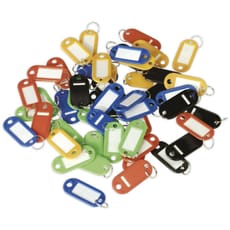
Key tags are essential organisational tools designed to help tradespeople, facility managers, property professionals, and business owners identify and manage keys efficiently. These simple yet invaluable accessories consist of durable plastic tags attached to split rings, allowing you to label and categorise keys with ease. Whether managing a small workshop with a handful of keys or overseeing a large commercial property with dozens of access points, key tags provide a straightforward solution to prevent confusion and save valuable time searching for the right key.
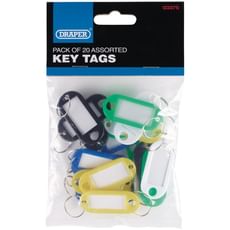
The selection at Tooled-Up.com includes key tag assortments from trusted brands such as Draper and Sealey, offering various pack sizes to suit different requirements. These professional-grade key identification systems feature colour-coded options and write-on surfaces that accept permanent marker or pen, ensuring your labelling remains legible over time. The robust plastic construction means they can withstand the rigours of daily use on building sites, in vehicle fleets, or within busy maintenance departments where keys are constantly being handled and moved.
Proper key organisation isn't just about convenience – it's a fundamental aspect of security management and operational efficiency. Lost or misidentified keys can lead to costly lock replacements, security breaches, or frustrating delays on site. Investing in quality key tags helps maintain professional standards whilst protecting property and assets, making them an indispensable addition to any key management system.
Jargon Buster
- Split Ring: The circular metal fastener that attaches the key tag to the key itself. These spring-loaded rings allow keys to be added or removed whilst keeping them securely attached during normal use.
- Colour Coding: A system using different coloured key tags to create visual categories, making it easier to identify groups of keys at a glance – for example, red for emergency access, blue for office spaces, or yellow for vehicle keys.
- Write-On Surface: The area on the key tag designed to accept permanent marker, ballpoint pen, or pencil for labelling. Quality tags feature surfaces that resist fading and smudging even with regular handling.
- Key Tag Assortment: A multi-pack containing various coloured key tags with split rings included, typically ranging from 20 to 50 pieces, providing a ready-made solution for comprehensive key management systems.
- Paper Insert Window: A clear plastic window found on some key tags that displays a labelled paper insert, offering a more professional appearance and better protection against wear compared to directly written labels.
- Durable Plastic Construction: High-quality key tags manufactured from robust plastic materials that resist cracking, breaking, and wear, ensuring long-term reliability in demanding work environments.
Who Uses Key Tags?
Key tags are utilised across a wide range of trades, industries, and applications, including:
- Facilities Managers and Building Maintenance Teams – organising master keys for commercial properties, schools, hospitals, and office buildings
- Landlords and Property Managers – managing multiple properties and tenant access keys efficiently
- Construction Site Managers – controlling access to site offices, storage containers, and secure compounds
- Fleet Managers and Vehicle Workshops – identifying keys for company vehicles, plant machinery, and equipment
- Locksmiths – organising customer keys during rekeying projects or maintaining workshop inventory
- Hotel and Hospitality Staff – managing backup keys and maintenance access across multiple rooms and facilities
- Warehouse and Factory Supervisors – controlling access to storage areas, machinery, and restricted zones
- Tradespeople (Electricians, Plumbers, Heating Engineers) – keeping client keys organised and clearly labelled during multi-site work
- DIY Enthusiasts and Homeowners – organising household keys, shed locks, and garage access in workshops
How to Choose the Right Key Tags
Quantity Required: Assess how many keys you need to organise. Smaller assortments of 20 pieces suit domestic use or small workshops, whilst 50-piece sets from brands like Sealey provide better value for larger commercial applications or facilities with extensive key management needs.
Colour Coding System: Determine whether you need multiple colours to create categories. A varied colour assortment allows you to implement an intuitive visual system – perhaps grouping keys by location, access level, or department. This significantly speeds up key identification in busy environments where time is money.
Durability and Build Quality: Professional-grade key tags from established brands like Draper and Sealey offer superior durability compared to basic office supplies. Look for thick, crack-resistant plastic construction that will withstand daily handling, exposure to workshop conditions, and being carried in pockets or toolbags.
Split Ring Size and Quality: Ensure the included split rings are robust enough for your keys. Larger, heavier keys (such as padlock keys or vehicle keys) require stronger rings that won't bend or break under stress. Standard rings suit typical door keys and smaller cabinet keys.
Label Method: Consider whether you prefer write-on surfaces for quick labelling with permanent marker, or paper insert windows that allow you to create typed or printed labels for a more professional appearance. Paper insert systems from Tooled-Up also offer easier label updates when key assignments change.
Popular Accessories
- Key Cabinets and Key Safes – secure storage solutions for organised key management systems
- Permanent Markers – fine-tip markers for clear, durable labelling on key tag surfaces
- Key Hooks and Boards – wall-mounted organisation systems to complement your tagged keys
- Additional Split Rings – replacement or heavy-duty rings for larger keys or high-use applications
- Padlocks – security hardware that benefits from clear key identification through proper tagging
- Label Makers – for creating professional, printed labels as an alternative to handwritten tags
- Key Fobs and Holders – larger identification solutions for vehicle or equipment keys requiring more information
Frequently Asked Questions
How do I label key tags so the writing doesn't rub off?
Use a good quality permanent marker rather than ballpoint pen, and allow the ink to dry completely before handling. For maximum durability, consider covering the written information with a small piece of clear adhesive tape. Some users also find that engraving or using a label maker provides even longer-lasting identification on key tags.
What's the difference between a 20-piece and 50-piece key tag assortment?
The primary difference is quantity and often the variety of colours included. A 20-piece set like the Draper assortment suits smaller operations, workshops, or domestic use, whilst a 50-piece Sealey assortment provides better value for facilities managers, landlords, or tradespeople managing multiple properties or extensive key systems.
Can key tags be used outdoors or in harsh workshop environments?
Quality key tags from professional brands are manufactured from durable plastic designed to withstand regular use in trade environments. However, prolonged exposure to extreme conditions, chemicals, or UV light may cause fading or brittleness over time. For keys that remain permanently outdoors, consider periodically checking and replacing worn tags to maintain your identification system.
Are the split rings included with key tag assortments strong enough for heavy keys?
Standard key tag assortments include split rings suitable for typical keys such as door keys, padlock keys, and small cabinet keys. For particularly heavy keys (large vehicle keys, industrial padlock keys, or keys with bulky plastic heads), you may wish to upgrade to heavy-duty split rings available separately to ensure secure attachment.
What's the best way to organise a colour-coded key system?
Establish a logical system that suits your specific needs. Common approaches include colour coding by location (red for ground floor, blue for first floor), by function (yellow for vehicles, green for storage), or by access level (one colour for staff keys, another for management). Document your system and ensure all relevant personnel understand the colour coding for maximum effectiveness.