

Knee Pads
Pay in 3 interest-free payments on purchases from £30-2000 with  . Learn more.
 Loading...
End of content
Error - No more pages to load
About Knee Pads
Knee pads are essential personal protective equipment designed to safeguard your knees from strain, injury and discomfort during work that requires prolonged kneeling or crawling. Whether you're laying flooring, tiling, roofing, gardening or working in tight spaces, quality knee pads reduce the risk of chronic knee injuries and conditions such as housemaid's knee (prepatellar bursitis) whilst improving comfort and productivity throughout the working day. For tradespeople who spend hours on their knees, investing in proper knee protection can be the difference between a long, healthy career and debilitating joint problems that could force early retirement.
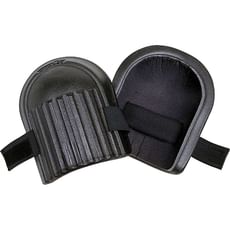
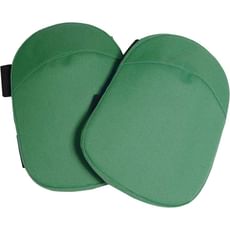
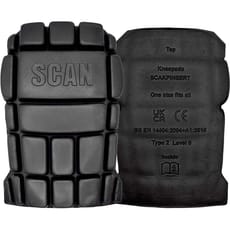
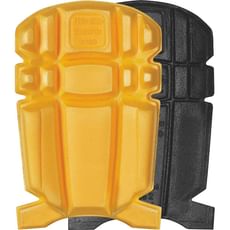
Modern knee pads come in various designs to suit different trades and working conditions. From simple foam or rubber slip-on pads ideal for light DIY tasks, to professional-grade gel-filled knee pads with hard shell protection for intensive site work, there's a solution for every application. Premium models feature innovative technologies such as airflow ventilation systems, swivel caps for mobility, and ergonomic layered cushioning that distributes pressure evenly across the knee joint. Tooled-Up.com stocks a comprehensive range from trusted manufacturers including Portwest, Kunys, Snickers, DeWalt, Irwin, Draper and Stanley, offering everything from budget-friendly rubber knee pads through to specialist flooring knee pads with buckle systems that secure firmly during demanding work.
The selection at Tooled-Up includes accordion-style knee pads that grip securely without slipping, non-marring models that won't damage delicate flooring surfaces, and heavy-duty options with swivel caps for trades requiring constant repositioning. Many professional tradespeople consider knee pads as vital as their safety boots, with the right pair potentially preventing the debilitating knee problems that plague flooring specialists, tilers, bricklayers and other trades who work on their knees daily.
Jargon Buster
- Gel Knee Pads
- Knee pads featuring gel cushioning that moulds to your knee shape, providing superior comfort and shock absorption compared to standard foam. Particularly popular with tilers and flooring specialists who spend entire days on their knees. Premium models like Kunys Airflow Layered Gel knee pads combine multiple density layers for optimal pressure distribution.
- Hard Shell/Cap
- A rigid outer surface, typically made from durable plastic or polypropylene, that protects against sharp objects, impacts and abrasions whilst distributing weight across the pad rather than the knee. Essential for construction workers and roofers working on rough surfaces or debris-strewn sites.
- Swivel/Rocker Cap
- An articulated hard cap that rotates or pivots as you move, allowing natural knee movement whilst maintaining protection. Essential for trades requiring frequent position changes like carpet fitters, plumbers and electricians working in confined spaces.
- Non-Marring
- Knee pads specifically designed with soft outer materials that won't scratch, scuff or mark delicate flooring surfaces such as hardwood, laminate or polished tiles – crucial for flooring professionals working in finished properties or occupied homes.
- Buckle/Strap System
- Adjustable fastening mechanisms that secure knee pads firmly to your legs. Professional buckle systems prevent slippage during intensive work and are preferred over basic elastic straps for all-day wear. Accordion-style designs offer superior grip without restricting circulation.
- Cellular Foam
- Closed-cell foam construction that provides cushioning whilst resisting moisture absorption, maintaining comfort and hygiene even in damp working conditions. More durable than open-cell foam and commonly used in professional-grade rubber knee pads.
Who Uses Knee Pads?
Knee pads are indispensable across numerous trades and activities:
- Flooring Specialists: Carpet fitters, laminate installers, vinyl layers and tilers who spend the majority of their working day kneeling on hard surfaces
- Construction Workers: Bricklayers, plasterers, and general builders working at ground level or on scaffolding platforms
- Roofers: Particularly when working on flat roofs or installing felt and membrane systems where constant kneeling is required
- Plumbers and Heating Engineers: Installing pipework, radiators and bathroom suites in confined spaces beneath sinks and baths
- Electricians: Running cables at skirting level or working in cramped positions beneath floors and in loft spaces
- Decorators: Preparing surfaces, painting skirting boards and working at low levels throughout properties
- Gardeners and Landscapers: Planting, weeding, laying turf and block paving installation across domestic and commercial grounds
- Mechanics: Working beneath vehicles and in awkward positions around engine bays where kneeling is unavoidable
- DIY Enthusiasts: Home renovation projects, garden maintenance and general repairs requiring extended periods on knees
- Cleaners: Floor scrubbing and detailed cleaning work at ground level in commercial and domestic settings
How to Choose the Right Knee Pads
Type of Work: Consider your primary application. Light DIY and gardening tasks may only require basic foam or rubber slip-on knee pads from brands like Draper or Bahco, whilst professional tradespeople need heavy-duty models with hard caps and superior cushioning. Flooring specialists should look specifically at buckle-style knee pads designed for all-day wear, such as Kunys Buckle Style Flooring Knee Pads or Apache ergonomic designs.
Cushioning Material: Foam pads offer basic protection and are economical for occasional use, whilst gel-filled knee pads provide premium comfort and shock absorption for intensive professional use. Layered gel systems combine multiple density layers for optimal pressure distribution. Cellular rubber knee pads offer excellent durability and moisture resistance for outdoor and damp working conditions.
Hard Shell Protection: If you're working on rough surfaces, around debris or sharp objects, hard shell knee pads are essential. Swivel or rocker caps provide added mobility, allowing natural knee movement without compromising protection – particularly valuable for carpet fitters and plumbers who constantly reposition themselves. Irwin Professional Swivel knee pads are specifically engineered for this type of dynamic work.
Fastening System: Elastic straps are adequate for occasional use, but professional tradespeople should invest in buckle systems or accordion-style knee pads that stay securely in place throughout demanding shifts. Ensure straps are adjustable and won't cut off circulation during extended wear. Kunys Accordion Knee Pads offer superior grip without constant readjustment.
Surface Consideration: Working in occupied properties or on finished floors requires non-marring knee pads that won't damage decorative surfaces. Check that outer materials are soft enough not to scratch hardwood, laminate or polished tiles. Irwin Professional Non Marring Gel Knee Pads are specifically designed for flooring professionals working in high-end domestic properties.
Comfort Features: For all-day wear, look for airflow or ventilation systems that prevent heat build-up and sweating. Ergonomic designs that match natural knee contours reduce pressure points and fatigue. Some premium models feature moisture-wicking liners for improved hygiene during long shifts.
Size and Fit: Most knee pads come in one-size-fits-all designs with adjustable straps, but check specifications if you require particularly large or small sizing. The pad should cover your entire kneecap with some overlap for complete protection without restricting movement.
Compliance: For professional site work, ensure knee pads meet relevant British and European safety standards (EN 14404) where applicable, particularly if specified by your employer or client. HSE guidelines recommend appropriate knee protection for any work involving prolonged or frequent kneeling.
Popular Accessories
- Work Trousers with Knee Pad Pockets: Brands like Snickers, Scruffs, DeWalt and Dickies offer trousers with integrated knee pad pockets for slip-in protection without straps
- Kneeling Mats: Foam or rubber mats providing additional cushioning for static work positions in workshops and gardens
- Kneelers with Tool Storage: Padded platforms that double as tool organisers for gardening and light trade work, particularly popular with landscapers
- Replacement Straps: Spare elastic or buckle straps to extend the life of your knee pads when fastening systems wear out
- Safety Boots and Footwear: Complete your PPE with appropriate protective footwear from leading brands like DeWalt, Scruffs and Portwest
- Work Gloves: Complementary hand protection for comprehensive safety coverage across all trades
- Tool Belts and Pouches: Keep tools accessible whilst working in kneeling positions, reducing unnecessary standing and bending
- Knee Pad Inserts: Replacement foam or gel inserts for work trousers with knee pad pockets
Safety Information
Whilst knee pads are a protective item themselves, proper use is essential for maximum benefit. The HSE recognises prolonged kneeling as a significant workplace health risk, with studies showing that workers who spend extended periods on their knees are at increased risk of developing knee bursitis, osteoarthritis and other chronic conditions that can end careers prematurely.
Always ensure knee pads fit securely without restricting blood circulation – straps that are too tight can cause numbness, discomfort and potentially dangerous circulation problems during long working periods. Inspect your knee pads regularly for wear, particularly checking that cushioning hasn't compressed excessively and hard caps remain intact without cracks or splits. Replace worn knee pads promptly as degraded protection offers a false sense of security whilst providing minimal actual cushioning.
Clean knee pads regularly according to manufacturer instructions to maintain hygiene, particularly if working in dirty or dusty environments where bacteria can accumulate. Even with quality knee pads, vary your working position when possible and take regular breaks to reduce cumulative strain on knee joints. Knee pads should complement good working practices rather than enable poor posture for extended periods.
Employers have a duty under Health and Safety at Work regulations to provide appropriate PPE where risk assessments identify kneeling as a regular work activity. Self-employed tradespeople should prioritise knee protection as an investment in long-term health and career longevity – the cost of premium knee pads is negligible compared to medical treatment and lost earnings from knee injuries.
Frequently Asked Questions
What's the difference between foam and gel knee pads?
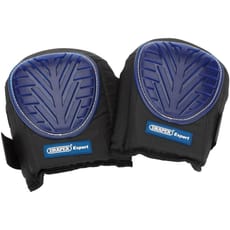
Foam knee pads use closed-cell or open-cell foam cushioning – they're economical, lightweight and suitable for light to moderate use by DIY enthusiasts and occasional tradespeople. Gel knee pads contain viscous gel that moulds to your knee shape, providing superior shock absorption and comfort for professional all-day wear. Gel typically lasts longer without compressing and is preferred by tradespeople who kneel extensively, such as tilers and flooring specialists. Premium models like Draper Expert Foam and Gel Knee Pads combine both materials in layered systems for optimal performance.
Do I need hard shell knee pads or are soft ones sufficient?
This depends entirely on your working environment. Soft foam or gel knee pads are adequate for clean, flat surfaces like domestic flooring installation or indoor decorating work. However, if you're working on rough concrete, gravel, debris-strewn sites or around sharp objects, hard shell knee pads are essential to prevent penetration injuries and distribute impact forces. Construction workers, roofers and outdoor tradespeople should always opt for hard cap protection. Irwin Professional Wide Body knee pads offer excellent hard shell protection for demanding construction environments.
How do I prevent knee pads from slipping down during work?
Slippage is a common complaint with basic elastic strap designs. For professional use, invest in buckle-style knee pads or accordion designs that grip more securely without constant readjustment. Ensure straps are properly tightened – they should be firm but not restrict circulation. Some tradespeople wear knee pads over their work trousers rather than directly on skin for better grip. Alternatively, consider work trousers from Snickers, Scruffs or DeWalt with integrated knee pad pockets that hold pads in position without any straps.
Can I wash my knee pads?
Most knee pads can be cleaned, but methods vary by material. Rubber and plastic components can be wiped down with soapy water and a damp cloth. Some fabric and foam knee pads are hand-washable – check manufacturer instructions first before submerging in water. Avoid machine washing unless explicitly stated as safe, particularly with gel-filled models which can be damaged by agitation. Never tumble dry or expose to direct heat sources like radiators. Regular cleaning extends lifespan and maintains hygiene, especially important for all-day professional wear in dusty or dirty environments.
How often should I replace my knee pads?
Replace knee pads when cushioning becomes noticeably compressed and no longer provides adequate comfort, when hard shells develop cracks or damage, or when straps fail to hold securely. For professional tradespeople using knee pads daily, expect to replace them every 6-12 months depending on quality and working conditions. Don't compromise on knee protection – compressed pads that have lost their cushioning properties offer minimal protection and can actually contribute to injury by providing a false sense of security whilst your knees take the full impact of hard surfaces.