

Knife Blades
Pay in 3 interest-free payments on purchases from £30-2000 with  . Learn more.
 Loading...
End of content
Error - No more pages to load
About Knife Blades
Knife blades are essential consumable items for any tradesperson or DIY enthusiast who regularly uses utility knives, trimming knives, or snap-off knives. Whether you're a carpet fitter scoring vinyl, an electrician stripping cable, or a general builder opening packaging and cutting materials on site, having sharp, reliable replacement blades to hand is crucial for maintaining precision, efficiency, and workplace safety. A dull blade requires more force to cut, increasing the risk of slips and accidents, whilst fresh blades deliver clean cuts with minimal effort.
The comprehensive selection at Tooled-Up.com includes standard utility blades, heavy-duty trimming knife blades, snap-off blades in both 9mm and 18mm widths, hooked blades for specialist applications, and safety blades designed to minimise injury risk. Replacement blades from trusted brands including Stanley, Milwaukee, Faithfull, Irwin, and Facom ensure compatibility with the most popular knife handles used across UK trade sites. Available in various pack sizes from individual blades to bulk dispensers, you'll find options suitable for occasional home use through to high-volume professional applications.
Most knife blades are manufactured from high-carbon steel or bi-metal construction, offering excellent edge retention and durability when cutting through cardboard, plastic, roofing felt, plasterboard, insulation materials, and other common site materials. Snap-off blades provide the convenience of multiple fresh cutting edges in a single blade, whilst heavy-duty options deliver enhanced strength for demanding applications. Premium blades feature superior heat treatment processes that extend edge life significantly, reducing the frequency of blade changes during intensive cutting work.
Jargon Buster
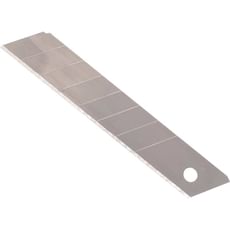
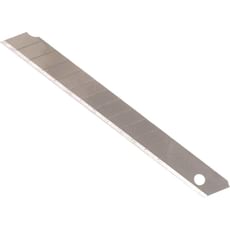
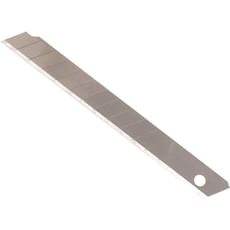
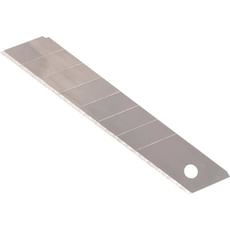
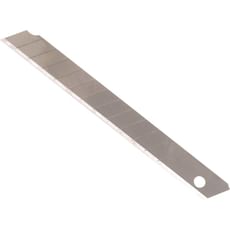
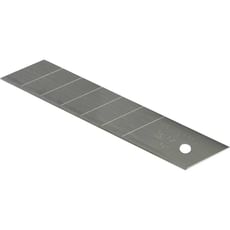
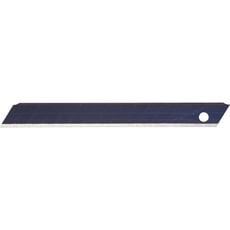
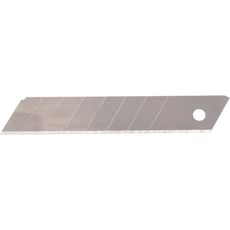
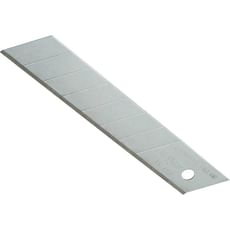
- Snap-Off Blades: Segmented blades with pre-scored breaking points that allow you to snap off the dulled tip to reveal a fresh, sharp edge. Available in 9mm and 18mm widths, these provide multiple cutting edges from a single blade, making them economical for high-volume cutting tasks.
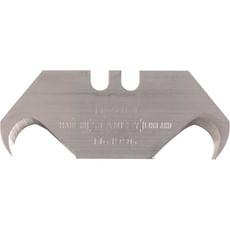
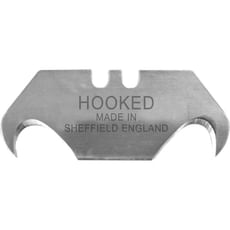
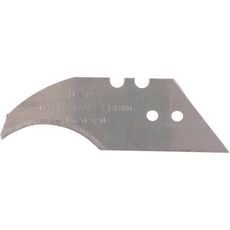
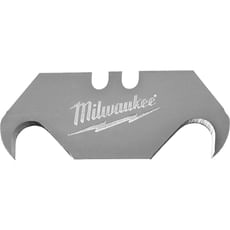
- Hooked Blades: Blades featuring a curved or hooked cutting edge, specifically designed for applications like cutting carpet, vinyl, roofing materials, and insulation without damaging the substrate beneath. The hook design pulls through material rather than pushing downward.
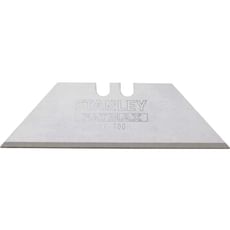
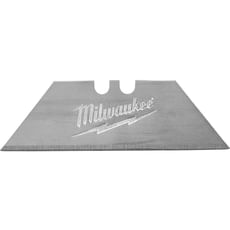
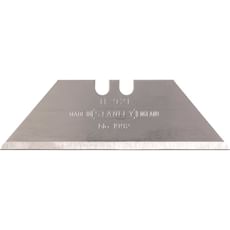
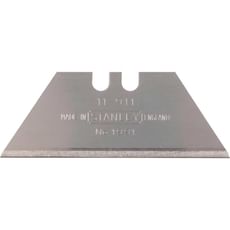
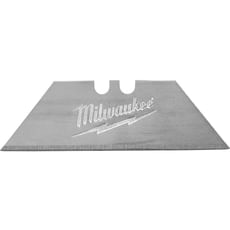
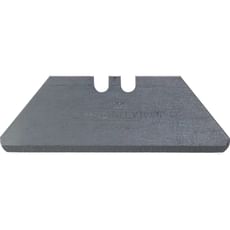
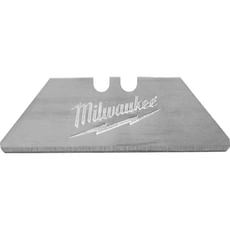
- Utility Blades: Standard fixed-length replacement blades for traditional utility knives, typically trapezoidal in shape with one or two sharpened edges. These fit the most common Stanley-type knife handles and are the workhorse blade for general cutting tasks.
- Heavy-Duty Blades: Thicker gauge blades (typically 0.6mm) manufactured from reinforced steel, designed for tougher materials and extended cutting applications where standard blades might flex or break. Essential for demanding trade work involving thick cardboard, plastic sheeting, or multiple layers.
- Safety Blades: Specially designed blades with features such as rounded tips, reduced exposure, or ceramic construction to minimise the risk of lacerations and puncture injuries, meeting HSE guidance for safer cutting tools in warehouse and packaging environments.
- Bi-Metal Construction: Premium blade design combining a flexible steel body with a hardened high-speed steel cutting edge, delivering both durability and superior edge retention for professional users who demand performance.
Who Uses Knife Blades?
Knife blades are used daily across virtually every trade and industry sector:
- Carpet Fitters & Flooring Specialists: For precision cutting of carpet, vinyl, laminate underlay, and other flooring materials
- Electricians: Stripping cable insulation, opening packaging, and cutting cable ties and conduit
- Plumbers: Cutting pipe insulation, opening materials, and trimming sealant and expanding foam
- Builders & General Tradespeople: Opening packaging, cutting plasterboard, insulation, roofing felt, and countless daily cutting tasks
- Decorators & Painters: Trimming wallpaper, opening paint tins, cutting masking tape and protective sheeting
- Warehouse & Logistics Workers: Opening boxes, cutting strapping, and general packaging removal
- Shopfitters & Joiners: Cutting sheet materials, trimming edge banding, and precision marking work
- Roofers: Cutting felt, membrane, and insulation materials with hooked blades
- DIY Enthusiasts: Home improvement projects, crafts, and general household cutting tasks
How to Choose the Right Knife Blades
Blade Type: Consider your primary application. Standard utility blades suit general-purpose work, snap-off blades (9mm or 18mm) offer convenience and multiple fresh edges, hooked blades excel at flooring and roofing applications, and safety blades reduce injury risk in high-volume cutting environments.
Compatibility: Ensure the blades you select fit your knife handle. Most utility blades follow standard dimensions and fit Stanley-type knives, but always verify compatibility, especially with specialist handles from brands like Milwaukee, Irwin, or Facom. Snap-off blades require matching width handles.
Blade Thickness: Heavy-duty blades provide extra rigidity for tougher materials and reduce flex during cutting, whilst standard gauge blades offer adequate performance for everyday applications. Consider 0.6mm heavy-duty options for demanding trade work involving thick or abrasive materials.
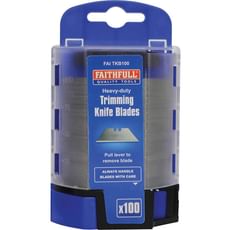
Pack Quantity: Balance convenience against value. Individual blades or small packs (5-10 blades) suit occasional users, whilst tradespeople benefit from bulk packs or dispenser tubs containing 50-100 blades, offering better cost per blade and reducing restocking frequency on busy sites.
Material Quality: Premium blades from brands like Stanley, Milwaukee, and Irwin feature superior steel quality and heat treatment, delivering longer edge life and requiring fewer blade changes. This proves more economical for professional users despite higher initial cost, particularly when cutting abrasive materials.
Safety Features: If your workplace follows strict HSE guidelines or you're concerned about injury risk, consider safety blades with rounded tips or reduced exposure designs, particularly in packaging and warehouse environments where repetitive cutting increases accident potential.
Popular Accessories
- Utility Knives & Trimming Knives: Replacement handles from Stanley, Milwaukee, Irwin, and Faithfull to house your blades
- Snap-Off Knives: Dedicated handles for 9mm and 18mm snap-off blades with integrated blade-snapping mechanisms
- Blade Dispensers: Wall-mounted or portable containers for safe blade storage and easy access on site
- Blade Disposal Tins: Secure sharps containers meeting HSE requirements for safe disposal of used blades
- Tool Belts & Pouches: For convenient knife and blade storage whilst working at height or moving around site
- Safety Gloves: Cut-resistant gloves providing protection when handling blades and during cutting operations
- Straight Edges & Cutting Rulers: For guided, accurate cuts when using knife blades on sheet materials
- Cutting Mats: Self-healing surfaces protecting work benches during cutting tasks
Safety Information
Knife blades are extremely sharp tools that demand respect and proper handling. Always retract or cover blades when not in use, and never leave exposed blades unattended on work surfaces where they pose a hazard to yourself and colleagues. When changing blades, exercise caution and consider wearing cut-resistant gloves, particularly when handling snap-off blades that require breaking off dulled segments.
According to HSE guidance, dull blades are actually more dangerous than sharp ones, as they require excessive force that increases the likelihood of slips and loss of control. Replace blades regularly before they become noticeably dull—if you're forcing the blade or getting ragged cuts, it's time for a fresh edge. Always cut away from your body and keep hands and fingers clear of the cutting path. When using snap-off blades, employ the knife's integrated snapping mechanism or pliers rather than attempting to break segments by hand.
Dispose of used blades responsibly in dedicated sharps containers or blade disposal tins—never loose in general waste where they endanger cleaning staff and waste handlers. Many workplaces require specific blade disposal procedures under COSHH regulations, so familiarise yourself with site-specific requirements. Store unused blades securely away from children and in their original packaging to prevent accidental contact with cutting edges.
Frequently Asked Questions
How often should I change knife blades?
Replace blades as soon as they become dull or require excessive force to cut. For professional tradespeople cutting throughout the day, this might mean several blade changes daily. As a general rule, if you're forcing the blade or getting ragged cuts rather than clean edges, it's time for a fresh blade. Dull blades are dangerous and inefficient, increasing the risk of accidents.
What's the difference between 9mm and 18mm snap-off blades?
The width difference determines blade strength and application suitability. 9mm blades are lighter-duty, ideal for precision work, paper, thin cardboard, and detailed cutting tasks. 18mm blades offer greater rigidity and strength for heavier materials like thick cardboard, plastic sheeting, plasterboard, and general trade applications. Most tradespeople prefer 18mm for site work.
Are all utility blades compatible with all utility knives?
Most standard utility blades follow universal dimensions and fit Stanley-type knives, which represent the majority of handles on the market. However, some specialist knives from manufacturers like Milwaukee or Irwin may require specific blade types. Snap-off blades definitely require matching width handles (9mm or 18mm), so always check compatibility before purchasing.
Can I sharpen and reuse utility knife blades?
Whilst technically possible, it's neither practical nor recommended. Utility and snap-off blades are inexpensive consumables designed for disposal after dulling. The time and effort required to sharpen them properly exceeds their replacement cost, and improperly sharpened blades pose safety risks. For snap-off blades, simply break off the dulled segment to reveal a fresh edge—that's the design advantage.
What are hooked blades used for?
Hooked blades feature a curved cutting edge designed specifically for applications where you need to cut surface materials without damaging what's beneath. Carpet fitters use them extensively to cut carpet and vinyl without scoring the subfloor, whilst roofers employ them for cutting roofing felt and membrane. The hook pulls the blade through the material rather than pushing downward into the substrate, providing controlled cutting with reduced risk of over-penetration.