

Knife Sharpeners
Pay in 3 interest-free payments on purchases from £30-2000 with  . Learn more.
 Loading...
End of content
Error - No more pages to load
About Knife Sharpeners
A sharp blade is essential for safe, efficient work across trades and DIY applications. Knife sharpeners are precision tools designed to restore and maintain the cutting edge on knives, chisels, scissors, and other bladed implements. Whether you're a professional tradesperson requiring razor-sharp tools daily or a home user maintaining kitchen knives and garden equipment, investing in a quality sharpener ensures your blades perform at their best whilst reducing the risk of accidents caused by dull, slipping edges.
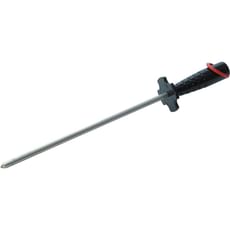
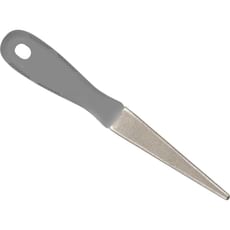
The knife sharpener selection at Tooled-Up.com includes diamond whetstones, tungsten carbide sharpeners, ceramic stones, and specialised sharpening steels. Diamond sharpening products offer superior durability and cutting speed, ideal for workshop environments and frequent use. Traditional whetstones and combination oil stones provide precise control for those who prefer manual sharpening techniques. Many professional tradespeople favour portable diamond sharpeners that can be easily transported to job sites, whilst larger multi-piece sharpening sets suit workshop-based operations where various grit grades are required for different stages of the sharpening process.
Leading manufacturers such as DMT, Bahco, Draper, and Multi-Sharp offer reliable sharpening solutions engineered to handle everything from delicate precision blades to heavy-duty trade tools. Whether you need a compact pocket sharpener for site work or a comprehensive diamond whetstone set for your workshop, selecting the appropriate sharpener ensures your cutting tools deliver consistent, professional results throughout their working life.
Jargon Buster
- Grit Rating: The coarseness measurement of a sharpening surface, with lower numbers (200-400) indicating coarse grits for repairing damaged edges, medium grits (600-1000) for general sharpening, and fine grits (1200+) for honing and polishing.
- Diamond Whetstone: A sharpening stone with industrial diamond particles bonded to the surface, offering faster material removal and longer lifespan compared to traditional abrasive stones. Requires no oil or water lubricant in many applications.
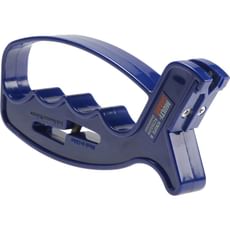
- Tungsten Carbide: An extremely hard material used in sharpener blades that quickly restores a working edge through a pull-through action, ideal for rapid field sharpening but providing a less refined finish than whetstones.
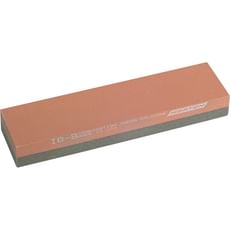
- Combination Stone: A double-sided sharpening stone featuring two different grit grades, typically one coarse and one fine surface, allowing users to progress through sharpening stages without changing tools.
- Honing: The process of refining and maintaining an already sharp edge through light abrasion, distinct from sharpening which removes more material to create a new cutting edge.
- Sharpening Angle: The angle at which a blade meets the sharpening surface, critical for achieving optimal cutting performance. Common angles range from 15-20 degrees for knives to 25-30 degrees for chisels and plane irons.
Who Uses Knife Sharpeners?
Knife sharpeners are essential tools across numerous trades and applications:
- Carpenters and joiners maintaining chisels, plane irons, and marking knives
- Electricians sharpening cable knives and stripping tools
- Landscapers and groundskeepers maintaining pruning knives, secateurs, and garden blades
- Chefs and catering professionals requiring razor-sharp kitchen knives
- Butchers and meat processors keeping cutting and boning knives in optimal condition
- Upholsterers sharpening fabric cutting knives and shears
- Workshop machinists maintaining precision cutting tools
- DIY enthusiasts servicing household knives, scissors, and hand tools
- Fishermen and outdoor specialists maintaining filleting and utility knives
- Leather workers keeping skiving knives and cutting tools sharp
How to Choose the Right Knife Sharpeners
Selecting the appropriate knife sharpener depends on several key factors:
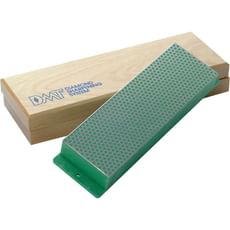
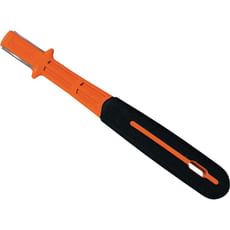
Type of Blades: Consider what you'll be sharpening. Diamond whetstones from manufacturers like DMT excel with hardened steel tools and can handle everything from kitchen knives to workshop chisels. Tungsten carbide pull-through sharpeners like the Bahco model suit quick edge restoration on standard knives, whilst combination oil stones are ideal for traditional woodworking tools.
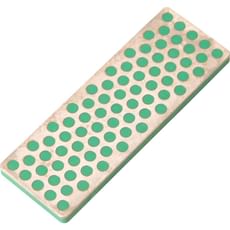
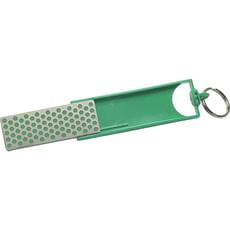
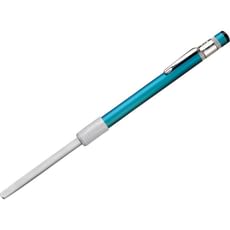
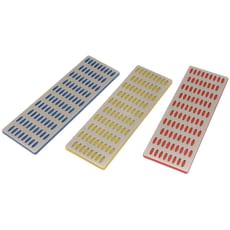
Portability Requirements: Site-based tradespeople benefit from compact diamond sharpeners such as the DMT Mini Sharp that fit easily into tool bags. Workshop users might prefer larger bench stones or multi-piece sets like the Draper 3 Piece Diamond Whetstone set that stay permanently stationed.
Grit Selection: If you regularly repair damaged or very dull blades, choose sharpeners with coarse grit options (200-400). For routine maintenance of already serviceable edges, medium to fine grits (600-1200) prove more appropriate. Combination stones offer versatility for users requiring multiple stages.
Material Durability: Diamond sharpeners provide exceptional longevity and won't wear hollow like traditional stones, making them cost-effective for frequent users despite higher initial investment. Silicon carbide and ceramic options offer excellent performance at lower price points for occasional use.
Skill Level: Pull-through and guided sharpeners suit beginners by maintaining consistent angles automatically, whilst experienced users often prefer traditional whetstones that offer greater control over the sharpening process and final edge characteristics.
Popular Accessories
- Honing oil for traditional oil stones to prevent clogging and ensure smooth sharpening action
- Angle guides to maintain consistent blade angles during manual sharpening
- Leather strops for final polishing and honing of freshly sharpened edges
- Cleaning brushes to remove metal particles and maintain sharpening surface efficiency
- Non-slip mats to secure whetstones safely during use
- Storage cases protecting diamond sharpeners and preventing damage to abrasive surfaces
- Polishing compounds for professional-grade edge finishing
Safety Information
Knife sharpening requires careful attention to safety practices. Always secure the sharpening tool firmly on a stable surface using non-slip mats or clamps to prevent movement during use. Maintain controlled, deliberate strokes away from your body, keeping fingers clear of the blade edge throughout the process. Wear appropriate PPE including cut-resistant gloves when handling sharp blades, particularly during testing phases.
Ensure adequate lighting to clearly see the blade edge and sharpening surface. When using oil stones, work in well-ventilated areas and dispose of oil-soaked materials in accordance with COSHH guidelines. Store sharpeners safely when not in use, particularly diamond and carbide models that can damage other tools or cause injury if handled carelessly. Never rush the sharpening process—patience ensures both better results and reduced accident risk.
Frequently Asked Questions
How often should I sharpen my tools and knives?
Frequency depends on usage intensity. Professional tradespeople using cutting tools daily may require sharpening weekly or even daily for optimal performance. Kitchen knives in regular domestic use benefit from honing every few weeks with proper sharpening every 2-3 months. If a blade requires excessive pressure to cut, produces ragged edges, or begins slipping during use, it needs immediate attention.
What's the difference between diamond and traditional whetstones?
Diamond whetstones feature industrial diamond particles bonded to a metal or plastic base, offering faster material removal, exceptional durability, and consistent performance without wearing hollow. They typically require no lubricant and work effectively on very hard steels. Traditional whetstones use silicon carbide or aluminium oxide abrasives, require oil or water lubrication, and wear over time but offer excellent control and a refined edge finish at lower cost.
Can one sharpener handle all my different blades?
Multi-purpose sharpeners like the Multi-Sharp models or medium-grit diamond whetstones available from Tooled-Up handle most common applications effectively. However, specialised requirements—such as serrated blades, scissors, or very fine woodworking tools—often benefit from dedicated sharpening solutions. A versatile diamond whetstone combined with a tungsten carbide pull-through covers most trade and household needs.
Do I need different grits for sharpening?
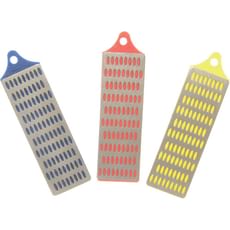
Multiple grits optimise results but aren't always essential. Heavily damaged blades benefit from coarse grit (200-400) initial repair followed by medium grit (600-1000) refinement. Well-maintained tools often only require medium to fine grits for routine sharpening. Combination stones or multi-piece sets like the Sirius 3 Piece Diamond Sharpener Set provide graduated grits in one convenient package.
How do I know when my blade is properly sharpened?
A properly sharpened blade should cleanly slice through paper without tearing, shave hair from your arm (carefully test), or cut a tomato with minimal pressure using only the blade's weight. Visually inspect the edge under good light—there should be no light reflection along the cutting edge, as dull spots reflect light whilst sharp edges do not.