
Ladders & Sack Trucks

Pay in 3 interest-free payments on purchases from £20-£3000 with  . Learn more.


Loading...
End of content
Error - No more pages to load
About Ladders & Sack Trucks
Safe access to height and efficient materials handling form the backbone of productive work across countless trades and industries. The Ladders & Sack Trucks category at Tooled-Up.com brings together essential equipment that helps tradespeople and DIY enthusiasts work safely at height whilst moving heavy loads with minimal physical strain. From telescopic combination ladders that adapt to different working situations to heavy-duty platform trucks capable of transporting substantial loads across warehouses and construction sites, this category covers the full spectrum of access and handling solutions required by professionals throughout the UK.
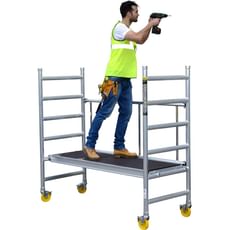
This comprehensive category encompasses four distinct product areas, each addressing specific workplace challenges. Traditional ladders include step ladders for straightforward access tasks, extension ladders for reaching greater heights, and versatile combination models that configure into multiple positions. Pallet and sack trucks provide the muscle for moving boxed goods, building materials, and heavy items with controlled ease. Platform trucks offer stable, flat surfaces for transporting awkward or bulky loads that won't stack on conventional sack trucks. Finally, trolleys and ramps deliver flexible materials handling solutions across diverse working environments, from retail stockrooms to landscaping sites.
Selecting appropriate access and handling equipment extends far beyond convenience—it directly impacts workplace safety, productivity, and compliance with Health and Safety Executive regulations. Quality ladders manufactured to BS EN 131 standards provide the structural integrity and stability essential for professional use, whilst robust sack trucks with clearly stated safe working loads prevent overloading accidents that cause injuries and damage goods. Whether accessing scaffolding on a building site, moving pallets in a distribution centre, or decorating high ceilings in domestic properties, investing in properly specified equipment from manufacturers like Werner, Youngman, and Haemmerlin ensures work progresses confidently and safely.
Jargon Buster
- BS EN 131: The British and European safety standard governing portable ladder design and manufacture. This certification ensures ladders meet rigorous requirements for strength, stability, and safe construction. Professional tradespeople should always verify this marking before purchasing ladders for commercial use.
- Safe Working Load (SWL): The maximum weight capacity that sack trucks, platform trucks, and trolleys can safely transport, expressed in kilograms. This rating accounts for the combined weight of materials and dynamic forces generated during movement across uneven surfaces or when negotiating ramps and obstacles.
- Duty Rating: A classification system indicating a ladder's intended application and load-bearing capacity. Class 1 ladders suit heavy-duty trade use (typically 175kg capacity), EN131 Professional rated models meet stringent commercial standards, whilst Class 3 ladders are designed for light domestic DIY tasks (maximum 125kg). Always match the duty rating to your work intensity.
- Pneumatic Tyres: Air-filled tyres fitted to sack trucks and handling equipment that deliver superior shock absorption and smoother movement over rough terrain, cobbles, and uneven ground. These prove invaluable for construction sites, landscaping work, and outdoor deliveries where solid tyres struggle with bumps and surface irregularities.
- Platform Height: The actual working height or standing surface on ladders and platform trucks, distinct from the equipment's overall height. This critical measurement determines whether equipment provides sufficient reach for your specific tasks, with the working height typically being less than the total extended height.
- Toe Plate: A raised barrier running along the edges of platform trucks and trolleys that prevents materials from sliding off during transport. This safety feature becomes essential when moving loads across inclined surfaces, negotiating ramps, or working on uneven ground where items might otherwise shift dangerously.
Who Uses Ladders & Sack Trucks?
This equipment serves an exceptionally diverse range of trades and industries throughout the UK:
- Builders and construction workers requiring reliable access equipment for brickwork, rendering, roofing tasks, and general building work, alongside sack trucks for transporting materials around active sites
- Electricians and plumbers needing safe, stable access to ceiling voids, consumer units, lighting installations, and elevated pipework whilst carrying tools and components
- Decorators and painters who spend extended periods working at height on both interior decoration and exterior building maintenance projects
- Warehouse operatives and logistics personnel moving pallets, boxed stock, and heavy goods efficiently through distribution centres and storage facilities
- Delivery drivers relying on sack trucks to transport parcels, appliances, and goods from vehicles to customer premises, often negotiating stairs and tight access points
- Retail and hospitality staff accessing high-level stockrooms, changing window displays, repositioning signage, and moving supplies between storage areas and shop floors
- Maintenance teams and facility managers requiring versatile access equipment for routine building upkeep, lamp changes, HVAC maintenance, and emergency repairs
- Landscapers and groundskeepers transporting tools, paving materials, aggregates, and equipment across gardens, parks, and estates
- Commercial cleaners accessing windows, high surfaces, and ceiling-mounted fixtures in offices, schools, and public buildings
- DIY enthusiasts and homeowners tackling renovation projects, exterior painting, gutter maintenance, and general property upkeep tasks
How to Choose the Right Ladders & Sack Trucks
For Ladders: Begin by calculating the maximum working height required for your regular tasks, remembering that safe practice prohibits standing on the top two or three rungs of most ladder types. Consider your typical working environments—combination ladders that convert between step, extension, and stairwell configurations offer maximum versatility for tradespeople moving between different sites and situations, whilst fixed-height step ladders provide quick, repeated access for specific tasks. Verify that the duty rating matches your professional requirements, with Class 1 or EN131 Professional ratings essential for regular trade use involving tools and materials. Check that ladders display BS EN 131 certification, and evaluate practical features including anti-slip rubber feet, comfortable rung profiles, stabiliser bars, and integrated tool trays for extended working sessions.
For Sack Trucks and Handling Equipment: The safe working load represents your primary selection criterion—accurately assess the typical weight of loads you'll transport and choose equipment with appropriate capacity, incorporating a safety margin rather than working at maximum limits. Your operating environment significantly influences the specification: pneumatic tyres excel on construction sites, rough ground, and outdoor applications where cushioning and grip matter, whilst solid rubber or polyurethane tyres suit smooth warehouse floors and retail environments where puncture-proof reliability takes priority. Handle height affects operator comfort and control, particularly when multiple staff members of varying heights share equipment throughout shifts. Folding sack truck designs benefit mobile tradespeople with limited vehicle storage space, whereas fixed-frame models deliver maximum structural strength for continuous heavy-duty industrial applications.
Evaluate trade-specific features that enhance functionality for your particular work. Platform trucks equipped with mesh sides or raised toe plates prevent items falling during transport, especially valuable when moving smaller components or navigating slopes. Flat-bed platforms accommodate oversized, awkward loads that resist conventional handling methods. Stair-climbing sack trucks with tri-wheel configurations assist delivery drivers working in older buildings lacking lift access. When transporting delicate materials or finished goods, look for models featuring cushioned bases, adjustable restraining straps, or protective padding. For professional applications demanding frequent use, aluminium construction provides an excellent strength-to-weight ratio that reduces operator fatigue, whilst welded steel frames offer maximum durability for the most demanding industrial environments and construction sites.
Popular Accessories
- Ladder stabilisers and stay bars that dramatically increase stability when working at height, particularly valuable on uneven ground or when maximum reach is required
- Ladder stand-off brackets creating clearance between the ladder and walls, essential for working around guttering, drainpipes, and window frames without damage
- Anti-slip ladder matting and replacement rubber feet for enhanced stability on smooth surfaces, polished floors, and slippery conditions
- Attachable tool trays, buckets, and paint kettle holders that keep fixings, tools, and materials within easy reach, eliminating dangerous climbing with loaded hands
- Heavy-duty bungee cords and ratchet straps for securing loads firmly to sack trucks and platform trolleys, preventing movement during transport
- Replacement wheels, tyres, and axle components for maintaining handling equipment in safe working order and extending service life
- Protective work gloves providing improved grip and hand protection when manoeuvring equipment and handling materials
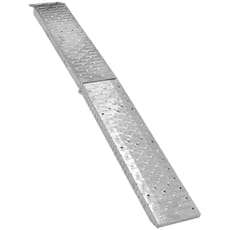
- Aluminium loading ramps for moving wheeled equipment over kerbs, steps, and vehicle tailgates safely
- Ladder storage hooks and wall brackets keeping equipment organised, accessible, and protected when not in use
Safety Information
Working at height and manual handling consistently feature among the most common causes of workplace injuries reported to the Health and Safety Executive. Employers and self-employed tradespeople bear legal responsibilities under the Work at Height Regulations 2005 and Manual Handling Operations Regulations 1992. When using ladders, always maintain three points of contact during ascent and descent, position extension ladders at approximately 75 degrees (the 4:1 rule—one metre out for every four metres up), and ensure secure fixing at the top or adequate footing at the base. Never overreach laterally, as this shifts your centre of gravity dangerously—instead, climb down and reposition the ladder. Conduct thorough pre-use inspections checking for damaged rungs, worn anti-slip feet, bent stiles, and loose rivets or fixings, immediately withdrawing any compromised equipment from service and tagging it clearly.
For sack trucks and materials handling equipment, never exceed the manufacturer's stated safe working load, as overloading compromises stability, accelerates wear, and can cause catastrophic equipment failure resulting in injuries and property damage. Always assess loads before attempting to move them, using proper manual handling techniques when loading and unloading to protect your back and joints. Ensure loads are balanced centrally on the equipment and adequately secured before transport commences. Exercise particular caution on slopes, ramps, loading bays, and uneven surfaces where equipment can unexpectedly tip or accelerate. Wear appropriate safety footwear with steel toe caps and slip-resistant soles when moving heavy loads, and use hi-visibility clothing on busy construction sites and in warehouses with forklift traffic. Establish regular maintenance schedules including inspection of wheels, bearings, handles, and frame integrity, as preventative maintenance prevents accidents and ensures equipment remains safe and compliant throughout its working life.
Frequently Asked Questions
What's the difference between Class 1 and Class 3 ladders?
Class 1 ladders are engineered for heavy-duty professional trade use with robust construction and higher load capacities, typically rated to 175kg including the user, tools, and materials. Class 3 ladders are designed for light domestic DIY applications with a maximum capacity of 125kg. Professional tradespeople, contractors, and anyone using ladders regularly or commercially must select Class 1 or EN131 Professional rated ladders to ensure adequate safety margins and structural durability. The duty rating should be clearly marked on the ladder's identification label alongside the BS EN 131 standard certification.
Can I use a standard sack truck to move fully loaded pallets?
Standard sack trucks aren't designed or rated for complete pallet loads—attempting this risks equipment failure, load collapse, and serious injury. You require a dedicated pallet truck (sometimes called a pallet jack or pump truck) specifically engineered for this purpose. These feature parallel forks that slide beneath pallets and hydraulic lifting mechanisms to raise and manoeuvre them safely. Sack trucks work effectively for boxes, sacks, cylindrical items, appliances, and stacked materials that can be tilted back securely against the frame. Browse the Pallet & Sack Trucks subcategory at Tooled-Up for appropriate pallet handling equipment.
Do I legally need a ladder with a handrail?
Handrails aren't a legal requirement under current UK regulations, but they significantly enhance safety, particularly when mounting and dismounting at height or when carrying tools and materials. Platform step ladders equipped with handrails prove especially valuable for tasks requiring extended periods working from the platform, such as electrical installations, decorating work, or stock retrieval. The handrail provides reassuring support and stability, reducing fatigue and building confidence, particularly beneficial for less experienced users or when working in challenging positions.
What size ladder do I need for typical bungalow maintenance?
Standard UK bungalows typically feature eaves heights between 2.4 and 3 metres. For safe access to guttering, fascias, and roof edges, a combination ladder or extension ladder with a maximum extended height of 4.5 to 5.5 metres provides appropriate reach. Remember to apply the 4:1 positioning rule for stability—for every four metres of vertical height, position the ladder base one metre away from the wall. Additionally, ensure at least one metre of ladder extends above your step-off point at the eaves to provide a secure handhold. For more substantial bungalows or those with higher roof pitches, consider 6-metre extension ladders.
Are pneumatic or solid tyres better for sack trucks?
The optimal choice depends entirely on your predominant working environment and the surfaces you'll traverse. Pneumatic (air-filled) tyres deliver superior shock absorption, cushioning loads over rough terrain, cobbled surfaces, gravel, and uneven ground, making them ideal for construction sites, landscaping work, and outdoor delivery rounds. However, they require occasional pressure checks and remain vulnerable to punctures. Solid rubber or polyurethane tyres are completely puncture-proof, require zero maintenance, and perform perfectly on smooth warehouse floors, retail environments, and paved surfaces. For tradespeople working across varied locations and mixed terrain types, pneumatic tyres generally offer greater versatility and load protection.