

Ladders

Pay in 3 interest-free payments on purchases from £20-£3000 with  . Learn more.












Loading...
End of content
Error - No more pages to load
About Ladders
Whether you're a professional tradesperson working on site or a DIY enthusiast tackling home improvements, having the right ladder is essential for safe and efficient access to height. The comprehensive ladders category at Tooled-Up.com features everything from compact step stools for light domestic tasks to heavy-duty extension ladders designed for demanding trade applications. Trusted brands including Werner, Zarges, and Youngman meet rigorous UK safety standards, ensuring you can work at height with complete confidence.
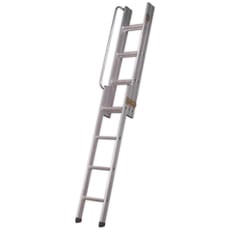
The range is organised into specialist subcategories to help you find exactly what you need. From versatile combination ladders that transform between configurations to telescopic ladders that collapse for easy transport, all access requirements are covered. You'll also find specialist options including roof ladders for secure pitched surface work, loft ladders for permanent attic access, and hop up platforms for low-level tasks. Each type is engineered to meet specific safety standards set by the HSE, with load ratings clearly marked to suit different trade applications.
Choosing the right ladder isn't just about reaching height—it's about selecting equipment that matches your working environment, load requirements, and frequency of use. The selection includes aluminium ladders for lightweight portability, fibreglass models for electrical work where non-conductivity is crucial, and robust industrial-grade options for heavy trade use on construction sites across the UK.
Jargon Buster
- EN131 Certification: The European standard that all professional and domestic ladders must meet in the UK, ensuring they've been tested for strength, stability and safety. This replaced the old BS2037 standard and includes strict requirements for slip-resistant feet and rung spacing.
- Load Rating/Duty Rating: The maximum safe working load a ladder can support, including the user's weight, tools, and materials. UK ladders typically range from EN131-1 (up to 150kg for domestic use) to EN131-2 (for trade and professional use).
- Working Height vs Platform Height: Working height is the maximum reach you can comfortably achieve (typically 1-1.5 metres above the platform height), whilst platform height is where you actually stand. Always check working height when selecting a ladder for your specific task.
- Stile: The vertical side rails of a ladder that hold the rungs or steps in place. Professional ladders feature reinforced stiles with box-section construction for added strength and rigidity during use.
- Class 1/Trade vs Class 3/Domestic: Trade or Class 1 ladders are built to withstand frequent professional use with higher load ratings, whilst Class 3 ladders are designed for occasional domestic use. Class 1 is essential for tradespeople and commercial applications.
- Angle Indicator: A visual guide showing the correct 75-degree angle at which to position an extension or single ladder for maximum safety and stability, following HSE guidelines for safe ladder use.
Who Uses Ladders?
Ladders are fundamental tools across numerous trades and applications throughout the UK:
- Electricians (sparkies): Require fibreglass or non-conductive ladders for safe electrical installation work, particularly when working near live circuits or overhead power lines
- Painters and Decorators: Need stable platforms for interior and exterior painting, often choosing combination ladders for versatility across different room heights
- Window Fitters and Cleaners: Rely on extension ladders with stabiliser bars for safe access to upper storey windows on residential and commercial properties
- Builders and General Contractors: Use heavy-duty trade ladders daily for construction, maintenance, and renovation projects across various site conditions
- Plumbers and Heating Engineers: Need portable access equipment for boiler installations, pipe work, and maintenance in lofts and at height
- Roofers: Require specialist roof ladders with ridge hooks for secure access on pitched roofs, plus extension ladders for initial access
- Facilities and Maintenance Teams: Use step ladders and platforms for routine building maintenance, lighting changes, and inspection work
- DIY Enthusiasts and Homeowners: Need reliable domestic ladders for guttering maintenance, hedge trimming, and home improvement projects
- Warehouse and Retail Staff: Utilise safety ladders and platform steps for stock retrieval and display work in compliance with workplace safety regulations
How to Choose the Right Ladders
Working Height Requirements: Measure the maximum height you need to reach regularly, then add 1-1.5 metres to determine the required working height. Don't forget to account for ground-to-eaves distance for external work or ceiling heights for internal tasks. Extension ladders should overlap by at least three rungs when extended for safety.
Load Rating and Duty Class: For trade use, always choose EN131-2 professional-grade ladders rated for your weight plus tools and materials. DIY users can opt for EN131-1 domestic ratings, but tradespeople should never compromise on professional specifications, particularly for frequent use on site.
Material Construction: Aluminium ladders offer excellent strength-to-weight ratio for general trade work and easy transportation between jobs. Fibreglass ladders are essential for electrical work due to their non-conductive properties. Consider lightweight options if you're moving ladders frequently throughout the day.
Ladder Type for Application: Step ladders suit indoor work and provide stable platforms for tasks directly below. Extension ladders are ideal for exterior work and accessing roofs or upper storeys. Combination ladders offer maximum versatility, transforming between stepladder, extension, and stairwell configurations. Telescopic ladders excel where storage and transport space is limited, such as in vans or small workshops.
Storage and Transportation: Consider your vehicle and storage space. Telescopic ladders collapse to a fraction of their working height, whilst traditional extension ladders require roof racks or long vehicles. Check folded dimensions before purchasing if you're working from a standard panel van.
Safety Features: Look for slip-resistant rubber feet, stabiliser bars for extension ladders, wide steps for comfort during prolonged use, and tool trays for keeping essentials at hand. Professional models should include angle indicators and comply with HSE recommendations for safe working at height.
Popular Accessories
Enhance safety and functionality with these essential ladder accessories available from Tooled-Up.com:
- Ladder Stabilisers and Stand-Offs: Increase stability and span windows or obstacles, essential for window cleaning and exterior decorating work
- Ladder Stays and Brackets: Secure ladders to walls or structures for additional safety during extended working periods
- Tool Trays and Buckets: Keep tools, fixings, and materials within easy reach whilst working at height, reducing dangerous descents
- Ladder Matting and Grips: Anti-slip rubber mats for bases when working on smooth surfaces like tiles or polished concrete
- Replacement Feet: Spare rubber end caps to maintain grip and protect flooring, extending ladder lifespan
- Ladder Roof Hooks: Convert extension ladders for safe pitched roof access on residential and commercial properties
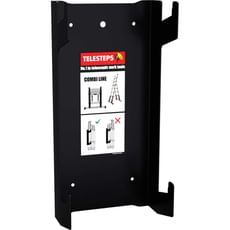
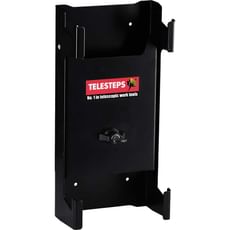
- Ladder Storage Solutions: Wall brackets and hooks for secure workshop or van storage, preventing damage and tripping hazards
- Hi-Vis Ladder Covers: Protect ladders during transport and increase visibility on busy construction sites
Safety Information
Working at height remains one of the most common causes of workplace injuries in the UK, making ladder safety paramount. Always inspect ladders before use for damage, cracks, or bent components, and never use defective equipment. The HSE recommends the 1-in-4 rule for positioning extension ladders: for every four metres of height, the base should be one metre away from the wall.
Ensure ladders are placed on firm, level ground with all feet in contact with the surface. Never overreach—keep your belt buckle between the stiles and move the ladder rather than stretching. For professional trade work, consider whether a ladder is the most appropriate access solution; the HSE encourages risk assessments that may indicate tower scaffolds or mobile platforms are safer for prolonged tasks.
Always maintain three points of contact when climbing (two feet and one hand, or two hands and one foot), and never stand on the top three rungs of an extension ladder or the top two steps of a stepladder. Secure extension ladders at the top when working for extended periods, and consider having a colleague foot the ladder for additional stability. Wear appropriate footwear with good grip, and never work from ladders in adverse weather conditions such as high winds.
For electrical work, only use fibreglass or non-conductive ladders, and ensure all trade ladders display current safety certification. Regular maintenance checks should be documented, particularly for hire fleets or commercial use, in line with the Work at Height Regulations 2005.
Frequently Asked Questions
What's the difference between Class 1 and Class 3 ladders?
Class 1 (or EN131-2 Professional) ladders are built for trade use with higher load ratings and more robust construction to withstand daily professional use on construction sites. Class 3 (or EN131-1 Domestic) ladders are designed for occasional home use with lower load capacities. If you're a tradesperson, always choose Class 1 regardless of the task—your insurance and HSE compliance may depend on it.
How do I know what working height I need?
Measure the highest point you need to reach, then check the ladder's working height specification—not just its platform or overall height. Working height accounts for your reach whilst standing safely on the ladder. As a rough guide, add 1-1.5 metres to the highest point you need to access. For guttering work on a typical UK semi-detached house, a ladder with 5-6 metre working height usually suffices.
Can I use an aluminium ladder for electrical work?
No—never use aluminium ladders for electrical work as aluminium conducts electricity. The HSE requires electricians to use fibreglass or non-conductive ladders when working near electrical installations or overhead power lines. This is critical for your safety and professional indemnity insurance compliance. Invest in proper fibreglass ladders rated for electrical work if you're a qualified sparky.
What load rating do I need for trade work?
Professional tradespeople should choose ladders rated for at least 150kg total load (EN131-2), which includes your body weight, clothing, tools, and any materials. If you're carrying heavy equipment like tile cutters or toolboxes up ladders regularly, consider industrial-rated models with 175kg capacity. Remember this is a maximum safe working load—exceeding it voids the warranty and creates serious safety risks.
How should I store my ladder to make it last?
Store ladders horizontally on wall brackets in a dry location away from direct sunlight and temperature extremes, which can degrade materials over time. Keep them off the ground to prevent damage and corrosion to feet and lower rungs. If storing in a van, secure them properly to prevent movement during transit. Clean off mud, paint, and debris regularly, and check for damage after any impact or drop before next use.