

Ladies Work Jackets
Pay in 3 interest-free payments on purchases from £30-2000 with  . Learn more.
 Loading...
End of content
Error - No more pages to load
About Ladies Work Jackets
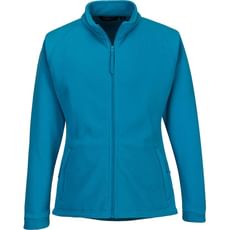
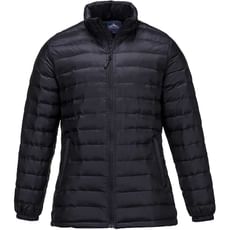
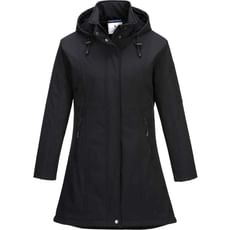
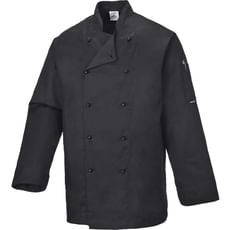
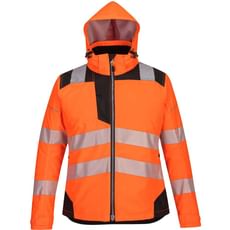
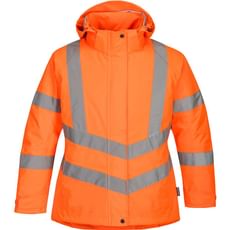
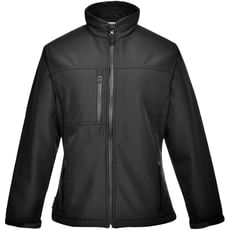
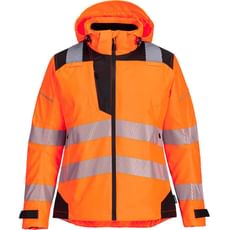
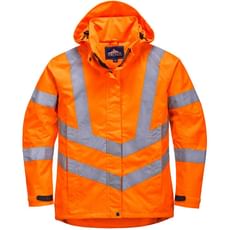
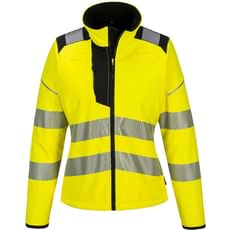
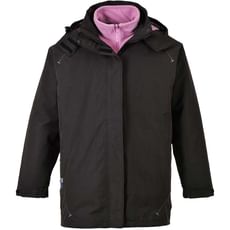
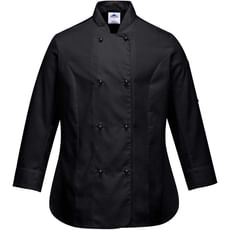
Ladies work jackets are purpose-engineered protective garments designed specifically for women working in demanding professional environments. Unlike generic unisex workwear that's simply sized down from men's patterns, these jackets feature anatomical tailoring that accounts for differences in shoulder width, waist definition, arm length, and overall proportions. This proper fit ensures maximum comfort, unrestricted movement, and crucially, maintained safety standards throughout the working day. The range at Tooled-Up.com includes hi-visibility jackets for construction and highway work, softshell jackets offering weather resistance with breathability, insulated padded jackets for cold storage environments, specialist chef jackets for food service professionals, and versatile fleeces for layering systems.
The collection features predominantly Portwest products alongside quality 300D Oxford Weave garments, providing tradeswomen and female professionals with workwear that meets stringent UK and European safety standards whilst delivering the comfort and fit that purpose-designed women's garments provide. From the contemporary PW3 range with its segmented reflective tape and ergonomic design, through to specialised food industry coats meeting strict hygiene requirements, each jacket addresses specific workplace demands. High-visibility options comply with EN ISO 20471 standards in both Class 2 and Class 3 classifications, ensuring legal compliance for roadside work, construction sites, and logistics environments.
Modern ladies work jackets incorporate technical features including waterproof membranes with taped seams, breathable fabrics preventing moisture build-up, reinforced stress points at elbows and shoulders, multiple pockets for tools and equipment storage, and strategically positioned reflective striping for maximum visibility. Whether working on construction sites, in commercial kitchens, warehouses, delivery driving, or outdoor trades, having a properly fitted work jacket designed specifically for women significantly improves workplace comfort, enhances safety compliance, and provides the professional confidence that comes from workwear that actually fits properly.
Jargon Buster
- Class 2 and Class 3 Hi-Vis
- Classification levels defined by EN ISO 20471 standards indicating the quantity and placement of reflective and fluorescent material on garments. Class 3 provides the highest visibility level, legally required for high-risk environments including motorways, major construction sites, and railway work. Class 2 suits medium-risk areas with slower traffic speeds and better ambient lighting conditions.
- Anatomical Tailoring
- Design methodology that accounts for female body proportions, including narrower shoulders, defined waist, different sleeve lengths, and adjusted torso length compared to men's patterns. This ensures proper fit without excess fabric bunching, riding up, or restricting movement—critical for both comfort and safety compliance.
- 300D Oxford Weave
- Durable fabric construction using 300 denier polyester threads woven in an Oxford pattern. This creates tough, abrasion-resistant material ideal for work jackets that must withstand harsh conditions whilst remaining relatively lightweight and comfortable for all-day wear.
- Softshell
- Flexible, breathable fabric technology providing weather resistance without the bulk of traditional waterproof jackets. Softshells excel in active work situations where temperature regulation and movement are priorities, offering wind and light rain protection whilst allowing perspiration vapour to escape.
- PW3 Range
- Portwest's premium Performance, Work, and Wellness collection featuring enhanced ergonomic design, superior durability, and improved functionality. PW3 garments typically include segmented reflective tape for better visibility during movement, contemporary styling, and additional comfort features compared to standard workwear ranges.
- Breathability Rating
- Measured in grams per square metre over 24 hours (g/m²/24hr), indicating how effectively a fabric allows water vapour from perspiration to pass through. Higher ratings mean better moisture management, reducing the uncomfortable clammy sensation during physical work and improving overall comfort.
Who Uses Ladies Work Jackets?
Ladies work jackets are essential protective garments for women across numerous trades and professional environments:
- Construction Workers – Site operatives, labourers, supervisors, and project managers requiring compliant hi-vis and weather protection
- Highway Maintenance Staff – Council workers and contractors working on or near roads requiring Class 3 visibility
- Delivery Drivers – Couriers, parcel delivery professionals, and logistics workers needing visibility and all-weather protection
- Warehouse Operatives – Distribution centre staff, picking operatives, and inventory controllers working in varied temperature environments
- Groundskeepers and Landscapers – Outdoor workers requiring durable, weather-resistant protection throughout the seasons
- Utility Workers – Electricians, gas engineers, telecoms technicians, and meter readers working outdoors
- Event Staff – Festival marshals, security personnel, parking attendants, and event crew requiring professional appearance with visibility
- Agricultural Workers – Farm staff, livestock handlers, and rural estate workers needing practical, hardwearing outerwear
- Chefs and Kitchen Staff – Restaurant, hotel, and catering professionals requiring hygienic, comfortable, heat-resistant chef jackets
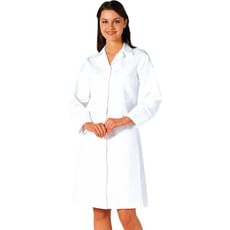
- Food Production Workers – Manufacturing facility operatives needing compliant food industry coats with appropriate fastenings
- Rail and Aviation Ground Crew – Transport industry professionals requiring high-visibility garments meeting strict safety protocols
- Emergency Services Support – Civilian staff, volunteers, and support workers requiring appropriate protective clothing
- Site Managers and Supervisors – Female professionals in leadership roles requiring smart yet compliant workwear
How to Choose the Right Ladies Work Jackets
Identify Your Primary Hazards: Determine what protection your working environment demands. If working near traffic, operating machinery, or on construction sites, hi-visibility jackets meeting Class 2 or Class 3 EN ISO 20471 standards are essential and often legally required under UK Health and Safety regulations. For food service environments, select jackets meeting food hygiene regulations with appropriate fastenings and laundering capabilities. Assess weather exposure—waterproof membranes with taped seams for wet conditions, insulated padding for cold storage or winter outdoor work, or breathable softshells for active trades where temperature regulation matters.
Verify Compliance Requirements: Ensure jackets meet relevant UK and European standards for your specific industry. Look for EN ISO 20471 certification clearly marked on hi-vis garments, and confirm food industry jackets comply with hygiene regulations including appropriate fastening systems and wash temperature tolerances. Your employer's risk assessment should specify exact requirements, or consult HSE guidance if self-employed. Tooled-Up stocks compliant Portwest garments meeting these stringent standards.
Consider Fit and Anatomical Tailoring: Proper fit is crucial for both comfort and safety. Ladies work jackets should fit across shoulders without excess fabric that could catch on equipment, allow full arm movement without sleeves riding up when reaching, and provide sufficient length to protect the lower back when bending or kneeling. Consider whether you'll wear the jacket over multiple layers in winter or just a base layer in summer, and consult manufacturer sizing guides carefully—Portwest and other quality brands provide detailed measurement charts accounting for different body shapes.
Assess Functionality and Features: Count pockets and evaluate their placement relative to your daily tasks—do you need internal pockets for valuables and phones, chest pockets for pens and small tools, or lower pockets for gloves and equipment? Check fastening systems (zips, press studs, Velcro) work easily with gloves on. Look for adjustable features including cuffs, hems, and hoods allowing you to customise fit and seal out weather. Consider whether removable linings provide year-round versatility, and check if hoods detach for environments where they present snagging hazards.
Evaluate Durability and Construction: Examine fabric weight (denier rating) and construction quality. Reinforced stress points at shoulders, elbows, and pocket edges significantly extend garment life in demanding environments. Oxford weave fabrics offer excellent durability against abrasion and snagging. Quality branded items from manufacturers like Portwest typically provide better longevity than budget alternatives, making them more cost-effective over time. Consider wash frequency requirements—some industries demand daily laundering, so choose jackets maintaining their protective properties through repeated wash cycles.
Think About Layering Systems: Work jackets often form part of a broader layering system rather than standalone garments. Softshells work effectively over base layers and under waterproof shells. Fleeces provide insulation beneath outer jackets. Consider purchasing jackets in different weights for seasonal flexibility rather than one heavy winter jacket that becomes uncomfortable in mild weather, allowing you to adapt your protection to changing conditions throughout the year.
Popular Accessories
- Hi-Vis Trousers and Overtrousers – Complete your visibility ensemble with matching lower body protection meeting the same compliance standards
- Base Layers and Thermal Underwear – Moisture-wicking foundation layers for temperature regulation beneath work jackets
- Work Fleeces and Bodywarmers – Insulating mid-layers providing adjustable warmth without bulk
- Work Gloves – Essential hand protection in various materials depending on your trade and specific hazards
- Safety Boots and Shoes – Complete your PPE with appropriate protective footwear matching your work environment
- Hi-Vis Accessories – Caps, beanies, neck warmers, and arm bands maintaining visibility standards
- Tool Belts and Pouches – Keep equipment accessible and organised whilst wearing your jacket
- Garment Storage and Bags – Protect and transport your workwear properly between home and workplace
- Specialist Cleaning Products – Technical detergents designed to maintain hi-vis reflectivity and waterproof properties through wash cycles
- Hard Hats and Bump Caps – Essential head protection complementing your body protection
Safety Information
When selecting and using ladies work jackets, safety compliance is paramount and legally enforceable under UK Health and Safety legislation. Hi-visibility garments must meet EN ISO 20471 standards appropriate to your risk level—Class 3 for high-risk environments including motorways, major construction sites, railway work, and anywhere with traffic exceeding 30mph or poor visibility conditions; Class 2 for medium-risk areas with lower traffic speeds and better ambient lighting. Wearing inadequate visibility protection can result in serious incidents and legal consequences for both workers and employers. Your employer's risk assessment should specify exact requirements, and the HSE provides authoritative guidance for different working environments.
Regular inspection of work jackets is essential to maintain their protective properties throughout their service life. Check that reflective tape remains intact, clean, and fully visible—damaged, obscured, or significantly faded reflective elements compromise visibility and may render the garment non-compliant with safety standards. Examine waterproof jackets for damage to membranes, splits in seam taping, and ensure all fastenings function correctly. The HSE recommends replacing hi-vis garments when they no longer meet visibility standards, typically after significant fading from UV exposure and washing, physical damage to reflective materials, or according to manufacturer guidance on maximum wash cycles (usually around 50 washes for professional-grade garments).
For food industry jackets, hygiene compliance is critical and subject to strict regulations. These specialist garments must be laundered according to food safety protocols, typically at temperatures between 60°C and 85°C that effectively eliminate bacteria whilst maintaining fabric integrity. Press stud or concealed fastenings are strongly preferred over buttons that could detach and contaminate food products. Ensure chef jackets and food industry coats are appropriate to your specific environment—commercial kitchens, food manufacturing, or food preparation areas each have particular requirements. Consult your employer's food safety policies and relevant local authority environmental health guidance.
Remember that work jackets typically form just one component of required PPE rather than complete protection in isolation. They should complement other necessary protection including hard hats, safety footwear, gloves, and eye protection as identified by your workplace risk assessment. Always follow your employer's specific PPE requirements, which may exceed minimum legal standards for enhanced protection. Properly fitted, well-maintained ladies work jackets from quality manufacturers like Portwest significantly contribute to workplace safety when selected appropriately for the specific hazards present and used correctly in conjunction with other protective equipment.
Frequently Asked Questions
What's the difference between ladies and unisex work jackets?
Ladies work jackets feature anatomical tailoring designed specifically for the female form, with adjustments to shoulder width, waist definition, sleeve length, bust accommodation, and overall proportions. This provides substantially better fit, comfort, and range of movement compared to unisex jackets, which are typically based on male patterns simply sized down. Proper fit isn't merely about comfort—ill-fitting jackets can seriously compromise safety by restricting movement during physical tasks, riding up to expose skin to hazards, or creating excess fabric that could catch on machinery, equipment, or vehicle doors. Purpose-designed ladies work jackets from manufacturers like Portwest address these issues whilst maintaining full compliance with safety standards.
How do I know if I need Class 2 or Class 3 hi-vis jackets?
The classification required depends entirely on your work environment's risk level as determined by formal risk assessment. Class 3 hi-vis is mandatory for high-risk situations including motorways and major A-roads, railway environments, major construction sites, airport aprons, and anywhere with traffic exceeding 30mph or poor visibility conditions such as night work or fog-prone areas. Class 2 is suitable for lower-risk environments with slower traffic (typically under 30mph), warehouse work away from vehicle routes, and site areas segregated from main traffic hazards. Your employer should specify exact requirements based on their risk assessment, or consult HSE guidance for your specific industry if you're self-employed. When in doubt, Class 3 provides superior protection.
Can I wash hi-vis jackets in a normal domestic washing machine?
Most quality hi-vis jackets including Portwest products can be safely machine washed, but always follow the manufacturer's care label instructions precisely to maintain protective properties. Use appropriate temperatures (typically 40°C for hi-vis garments—higher temperatures can damage reflective materials and waterproof membranes), and avoid fabric softeners which significantly reduce the effectiveness of reflective materials and can compromise waterproof treatments. Many professional hi-vis jackets are certified for a specific number of wash cycles whilst maintaining EN ISO 20471 compliance—typically 50 washes for quality garments. Inspect reflective tape regularly and replace jackets when reflective properties deteriorate below safety standards or visible damage occurs.
What's the advantage of softshell jackets over fully waterproof ones?
Softshell jackets offer superior breathability and flexibility compared to fully waterproof jackets, making them ideal for active work where you're generating significant body heat through physical activity. They provide excellent wind resistance and cope effectively with light rain whilst allowing moisture vapour from perspiration to escape, preventing the uncomfortable clammy feeling common with waterproof jackets during active work. However, softshells aren't suitable for prolonged heavy rain or extremely wet conditions. Many tradeswomen use softshells for general day-to-day work and keep a fully waterproof jacket available for severe weather, or layer waterproof shells over softshells when conditions deteriorate, providing versatile protection year-round.
Are chef jackets different from regular work jackets?
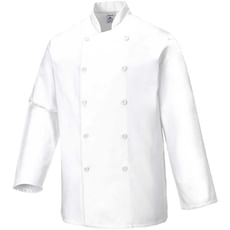
Yes, chef jackets are specifically designed for food service environments with distinct features addressing hygiene, heat tolerance, and food safety requirements that differ substantially from general work jackets. They typically use breathable, lightweight fabrics suitable for hot kitchen environments, feature press stud or concealed fastenings that won't fall into food (unlike buttons or external zips), have minimal external pockets reducing contamination risks, and are specifically designed to launder at high temperatures (60°C-85°C) that eliminate bacteria. Many feature double-breasted designs allowing the front panel to be reversed if one side becomes stained during service, maintaining professional appearance. These specialist jackets must comply with food hygiene regulations and are absolutely not interchangeable with general construction or hi-vis work jackets.