

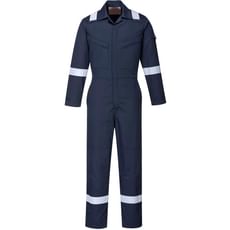
Ladies Work Overalls

Pay in 3 interest-free payments on purchases from £20-£3000 with  . Learn more.
 Loading...
End of content
Error - No more pages to load
About Ladies Work Overalls
Ladies work overalls have been specifically engineered to provide women working in demanding environments with professional-grade protection without compromising on fit or comfort. Unlike unisex or men's overalls that are simply sized down, dedicated women's workwear is designed with female body proportions in mind, featuring contoured cuts, adjusted waist positions, and appropriate length ratios that ensure both safety and freedom of movement throughout the working day. These purpose-designed garments address the unique requirements of tradeswomen across industries from welding and automotive repair to construction and manufacturing.
The selection at Tooled-Up.com encompasses various protection levels to suit different workplace requirements, from basic cotton drill overalls for general workshop use to advanced flame-resistant and anti-static options for high-risk environments. Whether you're working on building sites, in automotive workshops, welding operations, or industrial facilities, properly fitted overalls provide essential full-body protection against dirt, chemicals, sparks, and workplace hazards whilst maintaining a professional appearance. Modern ladies' overalls from brands like Bizflame and Portwest combine technical performance fabrics with practical design features including multiple pockets for tool storage, reinforced knee pad pockets, adjustable straps for customised fit, and easy-access fastenings.
Contemporary ladies' work overalls incorporate stretch panels and ergonomic construction to reduce fatigue during physically demanding tasks, making them an essential piece of PPE for tradeswomen and female workers across numerous industries. Many professional-grade options now feature moisture-wicking properties, action backs for enhanced mobility, and specialist fabrics that meet stringent EN safety standards for flame resistance and anti-static protection, ensuring compliance with HSE workplace requirements.
Jargon Buster
- Flame Resistant (FR)
- Fabrics that are inherently resistant to ignition or have been chemically treated to self-extinguish when exposed to flames, preventing fire from spreading across the garment. Essential for welding, hot work, and environments with ignition risks where HSE regulations mandate specialist protective clothing.
- Anti-Static Properties
- Fabrics engineered to dissipate static electricity safely, preventing dangerous sparks that could ignite flammable atmospheres. Required in petrochemical facilities, explosive environments (ATEX zones), paint spray booths, and when handling sensitive electronic equipment.
- EN Standards
- European conformity standards that specify minimum safety requirements for protective workwear. Common standards include EN ISO 11612 (heat and flame protection), EN 1149 (electrostatic properties), and EN ISO 11611 (welding protection), with classification levels indicating degree of protection offered.
- Action Back
- A design feature incorporating pleats or elasticated panels across the shoulders and back that allows greater freedom of movement when reaching, bending, or working overhead. Particularly valuable for mechanics, electricians, and maintenance workers performing varied tasks throughout the day.
- GSM (Grams per Square Metre)
- A measurement of fabric weight and density. Higher GSM (280-350) typically indicates more durable, heavier-duty material suitable for abrasive environments, whilst lower GSM (200-260) offers lighter weight and better breathability for less demanding applications or warmer working conditions.
- Contrast Stitching
- Visible stitching in a different colour that not only provides aesthetic appeal but also allows for easy inspection of seam integrity and potential wear points, helping identify when overalls require repair or replacement to maintain protective properties.
Who Uses Ladies Work Overalls?
Ladies work overalls are essential workwear for professional tradeswomen and workers across numerous industries:
- Welders and Fabricators - requiring flame-resistant protection during hot work operations and metal fabrication tasks
- Mechanics and Automotive Technicians - needing oil and chemical-resistant full-body coverage in workshops, garages, and vehicle maintenance facilities
- Electricians - particularly those working in industrial settings requiring anti-static or arc-rated protection in potentially hazardous environments
- Painters and Decorators - protecting personal clothing from paint, solvents, and decorating materials during residential and commercial projects
- Factory and Manufacturing Workers - in food production, pharmaceuticals, and industrial environments requiring clean or protective clothing meeting hygiene standards
- Engineers and Maintenance Personnel - working on industrial plant, machinery, and equipment maintenance across various sectors
- Agricultural Workers - requiring durable protection during farming, livestock management, and rural contracting tasks
- Construction Workers - needing robust full-body protection on building sites against dust, debris, and weather conditions
- Oil and Gas Industry Workers - requiring specialist flame-resistant and anti-static protective clothing in offshore and petrochemical environments
- Laboratory Technicians - where clean overalls protect both the wearer and the work environment from contamination
How to Choose the Right Ladies Work Overalls
Assess Your Workplace Hazards: Identify the specific risks in your working environment before making a purchase. Welding and hot work require flame-resistant fabrics meeting EN ISO 11611 or EN ISO 11612 standards, whilst petrochemical environments demand anti-static properties conforming to EN 1149. General workshop use may only need basic cotton drill, but understanding your HSE requirements is crucial for compliance and personal safety. Consult your employer's risk assessment to determine required protection levels.
Consider the Fit and Sizing: Properly fitted ladies' overalls should allow comfortable movement without being too loose or restrictive. Look for adjustable features such as side elastication, adjustable leg lengths, and strap systems that accommodate different body shapes. Many brands available from Tooled-Up offer regular, short, and tall fittings, so check the manufacturer's sizing chart carefully before purchasing. Remember that overalls are typically worn over regular clothing, so factor this into your size selection.
Evaluate Fabric Weight and Breathability: Heavier fabrics (280-350 GSM) offer superior durability and protection but can be warm during summer months or in heated environments like foundries or bakeries. Lighter weights (200-260 GSM) provide better breathability for less demanding applications or warmer working conditions. Some specialist overalls incorporate moisture-wicking or breathable panels for enhanced comfort during physically intensive tasks.
Check Pocket Configuration: Consider your tool carrying requirements carefully. Multiple chest pockets, side pockets, and rule pockets keep essential items accessible without requiring a separate tool belt. If you work on your knees regularly—such as flooring, tiling, or electrical installation—ensure the overalls feature reinforced knee pad pockets compatible with standard foam or gel inserts for comfortable kneeling protection.
Verify Certification Standards: If your role requires certified protective clothing, ensure the overalls meet relevant EN standards. Check the garment label for certification marks and ensure they're appropriate for your specific workplace hazards. Your employer's health and safety policy should specify required protection levels, and non-compliant workwear may invalidate insurance or breach legal requirements under PPE regulations.
Maintenance and Laundering: Flame-resistant and specialist fabrics often require specific washing procedures to maintain their protective properties. Consider the practical aspects of care—industrial laundering services may be necessary for some FR garments, whilst others are suitable for domestic washing at specified temperatures. Factor in the running costs and practicality of maintaining specialist workwear when comparing options.
Popular Accessories
- Knee Pads and Inserts - foam or gel inserts that fit into knee pad pockets for comfortable kneeling during floor work, tiling, and electrical installation
- Work Belts - for carrying additional tools and equipment that won't fit in overall pockets, available from brands like Snickers and DeWalt
- Base Layer Thermal Clothing - breathable t-shirts and leggings worn underneath for warmth during winter site work without compromising mobility
- High-Visibility Vests or Tabards - worn over overalls when working on construction sites, roadside locations, or any environment requiring enhanced visibility
- Safety Boots - steel toe cap or composite safety footwear meeting EN standards for workplace protection against impact and penetration hazards
- Protective Gloves - appropriate for specific tasks such as welding gauntlets, chemical-resistant, cut-resistant, or general work gloves
- Hard Hats and Safety Helmets - essential head protection for construction and industrial environments where overhead hazards exist
- Safety Glasses and Goggles - eye protection for grinding, cutting, chemical handling, and any tasks generating dust or debris
- Tool Pouches and Holders - clip-on accessories for storing frequently used tools within easy reach without overloading pockets
- Ear Defenders - hearing protection for noisy environments exceeding 85 decibels such as workshops, factories, and construction sites
Safety Information
When selecting and using ladies work overalls, adherence to Health and Safety Executive (HSE) guidance is essential. Employers have a legal duty under the Personal Protective Equipment at Work Regulations 1992 to provide suitable PPE where workplace risks cannot be adequately controlled by other means. Overalls used as PPE must be appropriate for the risks present, properly maintained, and replaced when they no longer provide adequate protection. Risk assessments should determine the required protection level for specific roles and environments.
Flame-resistant overalls must never be worn with flammable synthetic base layers underneath, as these can melt onto skin in the event of flame exposure, causing severe burns. Always follow the manufacturer's laundering instructions precisely, as incorrect washing can permanently compromise the protective properties of specialist fabrics. Avoid using fabric softeners on FR garments, and never use bleach unless specifically permitted by the care label, as these substances can reduce flame resistance.
Ensure overalls fit properly without excess fabric that could catch in machinery or present trip hazards. Loose cuffs, torn fabric, or damaged fastenings compromise both safety and protection—damaged workwear should be repaired or replaced promptly. When working near moving machinery, ensure all fastenings are secured and nothing is left hanging loose. Pay particular attention to cuff condition and strap security.
Store work overalls away from contaminants when not in use, and never wear contaminated overalls outside the workplace to prevent cross-contamination. If overalls become contaminated with hazardous substances, follow your workplace's COSHH procedures for cleaning or disposal. Some contaminants require professional industrial laundering rather than domestic washing to ensure safe and complete removal, particularly with chemical splashes or biological hazards.
Frequently Asked Questions
Q: What's the difference between ladies' overalls and unisex overalls in smaller sizes?
A: Ladies' work overalls are specifically designed around female body proportions with contoured waists, adjusted rise measurements, and different shoulder widths. They typically feature a higher waist position at the back, curved seams for better fit around the hips and chest, and strap positioning that accommodates the female form without causing discomfort. This results in significantly better comfort, freedom of movement, and professional appearance compared to simply sizing down men's overalls, which often gap at the waist or are too long in the body.
Q: How do I know if I need flame-resistant overalls?
A: Flame-resistant overalls are legally required for work involving exposure to flames, molten metal, or high heat sources. This includes welding, brazing, foundry work, and working in potentially explosive atmospheres. Your employer should conduct a risk assessment determining required PPE levels under HSE regulations. If you work with ignition sources, grinders producing sparks, in petrochemical environments, or on offshore installations, FR overalls are typically mandatory. Tooled-Up.com stocks certified FR options including Bizflame products meeting relevant EN standards.
Q: Can flame-resistant overalls be washed in a domestic washing machine?
A: Many modern FR overalls can be domestically laundered, but you must follow the manufacturer's care instructions precisely to maintain certification. Typically this means washing at 60°C or below, avoiding fabric softeners and bleach, and line drying rather than tumble drying at high temperatures. Some industrial-grade FR garments require professional laundering to maintain certification and protective properties. Check the care label and any documentation provided with the garment—incorrect washing can permanently damage protective properties and void safety certification.
Q: How long should work overalls last?
A: Lifespan depends on usage intensity and working conditions. With proper care, quality ladies' work overalls should last 12-24 months under regular daily use in typical workshop or construction environments. However, overalls used in particularly abrasive or demanding environments may need replacing more frequently. Inspect overalls regularly for wear, damage to seams, compromised fabric integrity, or fading (which can indicate degraded protection in FR garments). Replace immediately if protection is compromised, regardless of age.
Q: Are anti-static overalls necessary for electrical work?
A: Anti-static properties are primarily required in environments with flammable gases, vapours, or dust where a static spark could cause ignition—such as petrochemical facilities, paint spray booths, grain handling, or explosive atmospheres (ATEX environments). For general electrical work on 240v installations, they're not typically required unless working in specifically designated explosive atmospheres. Standard electricians usually wear regular workwear, though specific site requirements may vary. Always follow your employer's PPE policy and site-specific safety requirements.