

Lances
Pay in 3 interest-free payments on purchases from £30-2000 with  . Learn more.
 Loading...
End of content
Error - No more pages to load
About Lances
Lances are specialised attachments for pressure sprayers that provide precise control and direction when applying liquids, chemicals, and treatments across a wide variety of applications. From controlling weeds in domestic gardens to applying crop protection products across agricultural land, the right lance transforms a basic pressure sprayer into a versatile, professional-grade application tool. Whether you're treating tall hedges, applying fertiliser to lawns, or managing pest control in commercial environments, lances offer the reach, accuracy, and control needed to complete spraying tasks efficiently whilst minimising waste and drift.
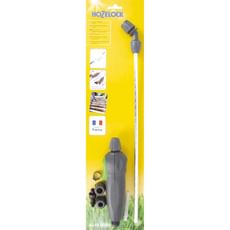
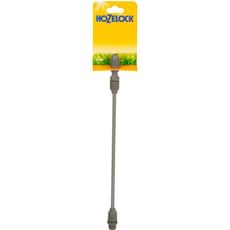
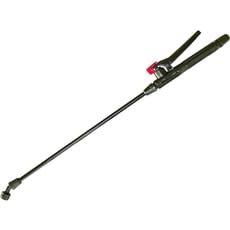
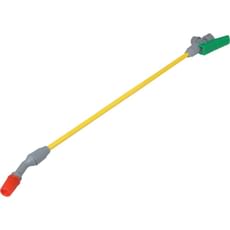
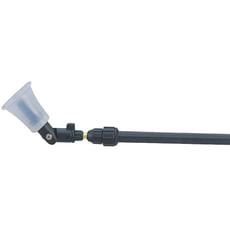
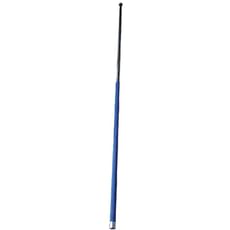
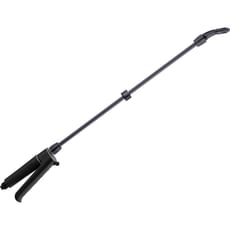
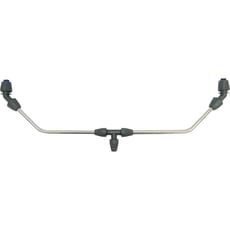
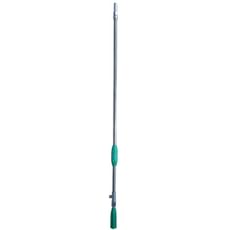
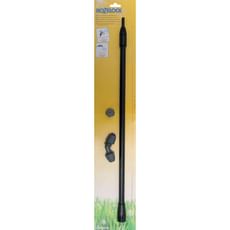
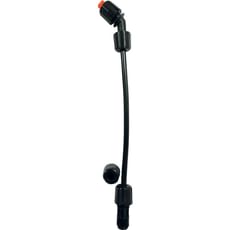
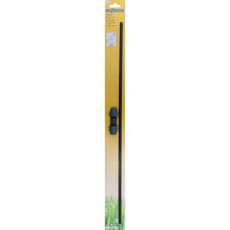
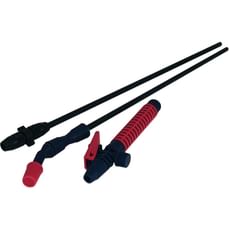
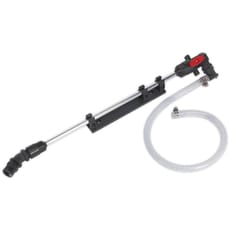
The selection at Tooled-Up.com spans replacement lances and trigger assemblies for popular sprayer models, telescopic designs that extend from compact storage length to impressive working reach, extension tubes for fixed additional height, and specialist equipment including treatment booms with multiple nozzles for wide-area coverage. Available from trusted manufacturers including Solo, Hozelock, Faithfull, Matabi, and Gardena, these lances are engineered to withstand regular exposure to chemicals and outdoor conditions whilst delivering consistent spray patterns and reliable performance season after season.
Material choices range from robust brass construction offering exceptional chemical resistance and longevity for commercial applications, through lightweight aluminium options that reduce operator fatigue during extended use, to economical composite and plastic designs suited to domestic garden maintenance. Many models feature adjustable nozzles allowing you to switch between fine mist, fan patterns, and concentrated jets from a single lance, whilst ergonomic trigger assemblies with lock-on functionality ensure comfortable operation during prolonged spraying tasks.
Jargon Buster
- Telescopic Lance: An extendable lance that adjusts in length, typically featuring multiple locking positions. Allows operators to reach high vegetation, building eaves, or distant areas without ladders, then collapses for convenient storage and transport.
- Treatment Boom: A horizontal bar attachment fitted with multiple nozzles positioned at regular intervals, enabling simultaneous spraying across wider areas. Dramatically increases application efficiency for lawns, sports grounds, and agricultural crop rows.
- Brass Lance: A lance manufactured from brass, providing superior resistance to corrosive chemicals and extended service life compared to plastic alternatives. The preferred choice for professional contractors using aggressive formulations or undertaking frequent commercial applications.
- Composite Lance: Constructed from reinforced polymer or plastic materials, offering a lightweight, economical solution with adequate chemical resistance for most domestic garden chemicals and light commercial use.
- Adjustable Nozzle: A spray head that rotates or adjusts to change spray characteristics from fine mist through fan patterns to concentrated jet streams, providing versatility for different target surfaces and application requirements.
- Trigger Assembly: The control mechanism regulating liquid flow through the lance. Quality assemblies feature lock-on functionality for continuous operation, comfortable grip design to reduce hand fatigue, and replaceable seals to maintain leak-free performance.
Who Uses Lances?
- Professional Gardeners and Landscapers: Managing weed control, fertiliser application, and pesticide treatments across residential and commercial landscapes
- Groundskeepers and Estate Managers: Maintaining sports facilities, parks, golf courses, and large public or private estates requiring regular treatment programmes
- Agricultural Workers and Farmers: Applying crop protection products, herbicides, and foliar feeds across fields, orchards, vineyards, and horticultural operations
- Pest Control Professionals: Delivering targeted insecticide and rodenticide applications in domestic, commercial, and industrial environments
- Facilities Maintenance Teams: Treating external areas of commercial premises, car parks, pathways, boundary vegetation, and hard surfaces
- Garden Centre and Nursery Staff: Maintaining plant stock health with precise chemical applications and treating demonstration gardens
- DIY Enthusiasts and Homeowners: Managing garden maintenance, treating patios and driveways, controlling weeds, and applying lawn treatments
- Allotment Holders: Applying organic treatments, foliar feeds, and pest control solutions to vegetable plots and growing areas
How to Choose the Right Lances
Compatibility: The most critical consideration is ensuring the lance fits your existing pressure sprayer. Many models are brand-specific with proprietary thread sizes and connection types. Tooled-Up stocks replacement assemblies for popular brands including Solo, Hozelock, Matabi, and Faithfull. Always verify compatibility before purchasing, particularly for complete lance and trigger assemblies, though some extension tubes offer universal fitment.
Material Construction: Brass lances deliver exceptional durability and chemical resistance for professional contractors working with aggressive formulations. Aluminium provides an excellent strength-to-weight ratio, reducing fatigue during extended operations. Composite and plastic lances offer economical solutions for domestic applications but may degrade faster when exposed to strong chemicals or prolonged UV exposure.
Length and Reach: Standard lances suit ground-level applications and low vegetation. Extension lances add fixed additional reach, typically 500-750mm, whilst telescopic designs offer maximum versatility, extending from compact dimensions to 2-3 metres for treating tall hedges, trees, and building facades. Consider your typical working height and remember that your own reach adds approximately 2 metres to the effective application height.
Nozzle Configuration: Single adjustable nozzles provide versatility for general-purpose work across different applications. Interchangeable nozzle systems allow you to optimise spray characteristics for specific tasks. Treatment booms with multiple nozzles dramatically increase coverage rates for large open areas like lawns and sports fields, reducing application time significantly.
Trigger Features: Ergonomic trigger design becomes crucial during extended spraying operations. Look for comfortable grip profiles that won't cause hand fatigue. Lock-on mechanisms are invaluable for continuous applications, whilst variable flow controls enable precise adjustment of application rates to suit different chemical formulations and target surfaces.
Application Requirements: Consider whether you primarily need fine misting for delicate ornamental plants, concentrated jets for stubborn weed control, or broader fan patterns for general coverage. Some lances feature flexible or angled nozzles that help direct spray beneath foliage, under decking, or around obstacles where standard straight lances prove awkward.
Popular Accessories
- Pressure Sprayers: Knapsack, backpack, and handheld models from 5 to 16 litres capacity to complete your spraying system
- Replacement Nozzles: Various spray pattern options including fan, cone, jet, and adjustable configurations for different applications
- Extension Tubes: Add fixed additional length to standard lances for improved reach without the complexity or cost of telescopic designs
- Trigger Assemblies and Seals: Replacement triggers, O-rings, and seals to maintain optimal performance and prevent leaks
- Flexible Hoses: Connecting hoses between sprayer tanks and lances, available in various lengths and diameters
- Spray Deflectors and Wands: Specialist attachments for under-leaf application and directional control in confined areas
- Filters and Strainers: Inline filtration preventing nozzle blockages when using particulate chemicals or concentrated formulations
- Chemical Concentrates: Herbicides, pesticides, fungicides, moss killers, and fertilisers formulated for pressure sprayer application
- Calibration Equipment: Measuring jugs, flow meters, and mixing containers ensuring accurate dilution ratios and application rates
- Protective Equipment: Chemical-resistant gloves, goggles, respirators, and protective clothing for safe handling
Safety Information
When using lances with pressure sprayers containing chemicals, always wear appropriate personal protective equipment (PPE) including chemical-resistant gloves, eye protection, and suitable protective clothing as specified by the product manufacturer's safety data sheet. Comply with COSHH (Control of Substances Hazardous to Health) regulations when handling, mixing, and applying any chemical products, and maintain proper records as required for professional applications.
Maintain safe working posture when operating extension or telescopic lances, particularly when treating overhead areas. Be vigilant regarding overhead power lines and always maintain safe distances when working at height. Inspect lances for leaks, damaged seals, or cracked components before each use, as pressurised chemical spray can cause injury, chemical burns, or environmental contamination.
Never point lances towards people, animals, or yourself, even when the sprayer is depressurised. Pay attention to wind direction to prevent drift onto unintended areas, adjacent properties, or water courses. Store lances and sprayers clean and completely empty, thoroughly rinsed after each use to prevent chemical residue build-up, corrosion, and cross-contamination between different products. Dispose of chemical containers and rinse water according to local authority regulations and manufacturer guidelines, never into drains or water courses.
Frequently Asked Questions
Are lances interchangeable between different pressure sprayer brands?
Whilst some extension tubes feature universal fittings, many complete lance and trigger assemblies are designed specifically for particular sprayer models with proprietary thread sizes and connection types. Brands like Solo, Hozelock, Matabi, and Faithfull typically require their own specific replacement components. Always verify compatibility specifications before purchasing, or contact the manufacturer if uncertain.
What length lance do I need for treating tall hedges and mature trees?
For hedges up to 3 metres height, a standard extension lance of 500-750mm usually provides adequate reach. For taller vegetation, building eaves, or tree canopies, telescopic lances extending to 2-3 metres offer excellent versatility whilst remaining manageable. Remember that your own reach adds approximately 2 metres to the effective application height, and consider whether stable footing is available at ground level.
How do I prevent lance nozzles from blocking during application?
Always strain or filter chemical solutions before adding them to your sprayer tank, removing any particulate matter or undissolved powder. Clean the lance and nozzle thoroughly after each use, flushing with clean water. When using wettable powders or suspension concentrates, fit an inline filter between the tank and lance. Store lances dry and protected from debris when not in use, and occasionally flush with warm water to dissolve any residue build-up.
Can I use any lance with corrosive or aggressive chemicals?
Not all lances offer equivalent chemical resistance. Brass lances provide the best protection against corrosive materials and are strongly recommended for professional use with aggressive herbicides, industrial cleaners, or acidic formulations. Composite and aluminium lances work well with most common garden chemicals but may degrade faster with certain concentrated or alkaline formulations. Always check the lance material specifications against your intended chemicals and replace components showing signs of degradation.
Why does my lance continue dripping after I release the trigger?
Persistent dripping typically indicates worn seals within the trigger assembly or at connection points. Most quality lances feature replaceable seals and O-rings that can restore proper shut-off functionality. Check all threaded connections are tight and inspect the trigger mechanism for visible wear or damage. If the lance or trigger assembly has seen extensive use or is several years old, complete replacement may prove more economical and reliable than attempting repairs.