

Lanyards
Pay in 3 interest-free payments on purchases from £30-2000 with  . Learn more.
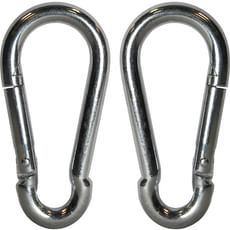
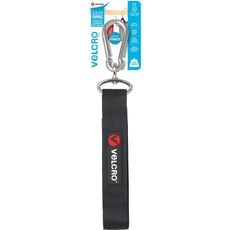
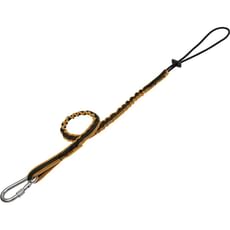
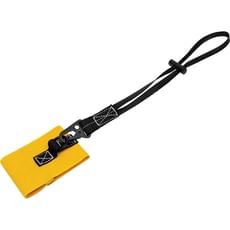
 Loading...
End of content
Error - No more pages to load
About Lanyards
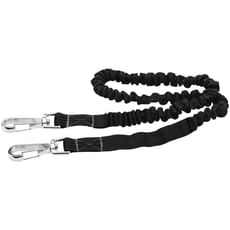
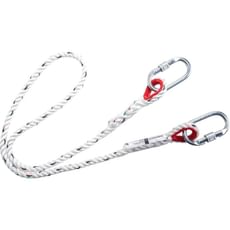
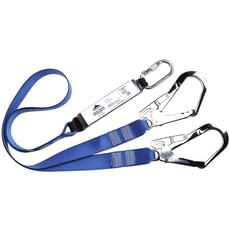
Tool lanyards are essential safety devices designed to prevent dropped objects when working at height or in hazardous environments. By securely tethering tools and equipment to either the operator or a fixed anchor point, lanyards provide critical protection against tools falling onto colleagues, members of the public, or sensitive equipment below. Available in various configurations including wrist straps, belt clips, retractable designs, and heavy-duty steel cable systems, these safety devices have become indispensable on construction sites, industrial facilities, and anywhere that working at height regulations apply. The range at Tooled-Up.com encompasses solutions from leading manufacturers including Portwest, Facom, Draper, and Kunys, offering comprehensive tethering systems that comply with HSE guidelines.
Modern tool lanyards feature sophisticated safety lock systems, weight ratings typically ranging from 2kg to 5kg, and durable materials including elasticated cables, steel wire cores, and abrasion-resistant webbing. From simple wrist lanyards for lighter hand tools to heavy-duty retractable systems for cordless power tools, the selection caters to every trade and application. Many models incorporate shock-absorbing elasticated cables that reduce stress on attachment points and the user's wrist or belt, whilst retractable designs automatically take up slack to prevent trip hazards and tangling when tools are set down.
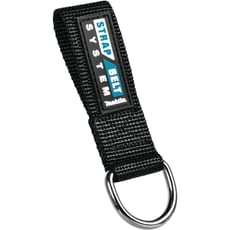
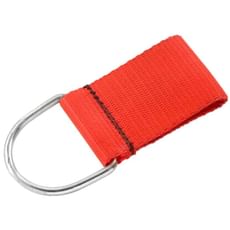
Beyond height safety, lanyards serve multiple purposes including preventing tool loss when working over water, protecting machinery from foreign object damage, and keeping frequently-used tools within easy reach. Many professional tradespeople now consider tool tethering standard practice, particularly on busy sites where dropped object risks are strictly managed and documented. With accessories such as tethering loops for retrofit applications, carabiners, and dedicated D-ring belt clips, Tooled-Up stocks everything needed to create a complete tool tethering system compliant with current work at height regulations.
Jargon Buster
- SLS (Safety Lock System)
- A secure connection mechanism that prevents accidental detachment of tools from lanyards, often featuring twist-lock carabiners or proprietary attachment systems that meet drop-prevention standards. Facom's SLS system is particularly renowned for its reliability and ease of use.
- Maximum Rated Load
- The maximum weight a lanyard is certified to safely tether, typically ranging from 2kg to 5kg. Always match the tool weight to the lanyard's rated capacity and never exceed this limit, remembering that dropped tools generate forces significantly higher than their static weight.
- Retractable Lanyard
- A spring-loaded mechanism that automatically retracts the lanyard cord when not in use, preventing trip hazards and keeping the tether tidy. Ideal for tools that are picked up and set down frequently throughout the working day.
- Tethering Point
- The secure anchor location where a tool or lanyard attaches, which may be a tool belt D-ring, scaffold attachment point, or dedicated anchor loop on the tool itself. All tethering points must be secure and rated for the loads involved.
- Elasticated Cable
- A lanyard cord with elastic properties that absorbs shock loads if a tool is dropped, reducing stress on both the attachment points and the user's wrist or belt. Particularly beneficial for heavier tools and dynamic working conditions.
- Tool Tether Loop
- An attachment point added to tools that don't have built-in tethering capability, typically a captive loop or strap that wraps around the tool handle to provide a secure connection point for lanyard attachment.
Who Uses Lanyards?
Tool lanyards are essential equipment for a wide range of trades and professions working in elevated or hazardous environments:
- Scaffolders working at height who require constant tool access whilst preventing dropped objects onto colleagues or pedestrians below
- Electricians and sparkies carrying hand tools on ladders, towers, and overhead cable installations where dropped items pose serious hazards
- Roofers who need to keep tools secure on pitched surfaces and prevent dangerous falls that could injure ground workers
- Steel erectors and structural engineers working on multi-storey construction projects where dropped object prevention is critical
- Maintenance engineers servicing machinery, HVAC systems, and industrial plant equipment at height in factories and warehouses
- Window fitters and façade specialists working from platforms, cradles, and mobile elevated work platforms (MEWPs)
- Telecoms and antenna installers working on towers, masts, and telecommunications infrastructure where tool retrieval is difficult
- Offshore workers and marine engineers where dropped tools could damage expensive equipment or fall into water and be lost
- Railway maintenance crews working over tracks where foreign object damage is a critical safety and operational concern
- Facilities managers responsible for ensuring site-wide compliance with HSE work at height regulations and dropped object prevention policies
How to Choose the Right Lanyards
Weight Rating: Always select a lanyard with a maximum rated load that exceeds your heaviest tool's weight. Standard capacities include 2kg, 3kg, and 5kg ratings. Factor in additional force from potential drops when calculating requirements—a dropped 3kg tool can generate forces well above its static weight. For cordless power tools including batteries, a 5kg rated lanyard provides appropriate safety margin.
Attachment Method: Consider how you'll wear the lanyard. Wrist straps offer convenience for lighter tools under 1kg but can cause fatigue with heavier items during extended use. Belt clips and D-ring attachments distribute weight better for all-day work and allow multiple tools to be tethered simultaneously to different anchor points. Tooled-Up.com offers various attachment solutions to suit different working styles and site requirements.
Cable Type: Elasticated lanyards absorb shock and provide flexibility, ideal for dynamic work involving frequent movement. Steel cable lanyards offer superior cut and abrasion resistance in harsh environments with sharp edges or potential heat exposure. Webbing-style lanyards provide a balance of durability and cost-effectiveness for general applications.
Retractable vs Fixed Length: Retractable lanyards automatically take up slack, reducing trip hazards and tangling, making them ideal for tools used intermittently throughout the day. Fixed-length lanyards are simpler, more economical, and suitable for tools that remain in constant use. Consider your working pattern and whether you'll be moving between different tasks frequently.
Connection System: Look for secure locking mechanisms such as Facom's SLS system or carabiner-style clips with safety gates. Ensure connections are tool-free for efficiency but cannot accidentally open during use. Compatibility with your existing tool belt system is essential—check that D-rings and attachment points match your current setup.
Brand Quality: Trusted manufacturers like Portwest, Facom, Draper, and Kunys offer tested and certified products that comply with HSE guidelines and British Standards. Investing in quality branded lanyards ensures reliability, proper certification documentation for site compliance, and often includes warranties for peace of mind.
Popular Accessories
- Tool Tethering Loops – Retrofit attachment points for tools without built-in tethering capability, allowing older equipment to be safely secured
- Tool Belts with D-Rings – Dedicated anchor points specifically designed for lanyard attachment, distributing weight comfortably
- Carabiners and Snap Hooks – Additional connectors for creating versatile tethering systems and connecting multiple components
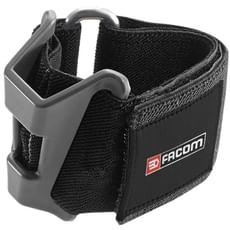
- Wrist Straps – Comfortable attachment points for lighter tools requiring frequent hand-to-hand transfer during detailed work
- Belt Clips with D-Rings – Standalone attachment points that clip onto standard work belts without requiring specialist equipment
- Tool Pouches with Integrated Lanyards – Combined storage and tethering solutions for organised working and quick tool access
- Scaffold Hooks and Anchor Points – Secure mounting locations for tethering tools when not attached to the operator
- Lanyard Storage Bags – Organisers that prevent tangling and damage when lanyards aren't in use, extending product lifespan
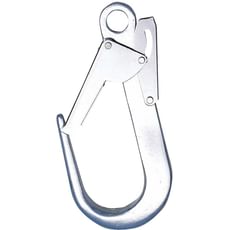
- Fire Brigade Snap Hook Carabiners – Heavy-duty zinc-plated connections for demanding applications and harsh environments
Safety Information
Tool lanyards are critical components of a comprehensive work at height safety system and must be used in accordance with HSE regulations and the Work at Height Regulations 2005. Always inspect lanyards before each use for signs of wear, fraying, damage to connection points, or degradation of elasticated cables. Any lanyard showing deterioration should be immediately withdrawn from service and replaced—never attempt to repair damaged lanyards as this compromises their integrity and safety certification.
Never exceed the manufacturer's maximum rated load, and remember that tools subjected to drops generate forces significantly higher than their static weight due to dynamic loading. Ensure all tethering points—whether on tool belts, scaffolding, or the tools themselves—are secure and rated for the loads involved. Lanyards should be used in conjunction with, not as a replacement for, proper fall protection equipment such as harnesses and anchor systems when working at significant heights.
Regularly review your site's dropped object prevention plan and ensure all personnel working at height are trained in proper lanyard use, attachment techniques, and inspection procedures. Keep lanyard cables away from sharp edges that could cause cuts or abrasion damage, and be aware of entanglement hazards, particularly when working near moving machinery or rotating equipment. Store lanyards properly when not in use to prevent UV degradation and contamination from oils, chemicals, or solvents that could weaken materials. Replace lanyards annually or according to usage intensity, even if no visible damage is apparent, as materials degrade over time through normal wear and environmental exposure.
Frequently Asked Questions
Q: What weight capacity lanyard do I need for cordless power tools?
A: Most cordless power tools weigh between 2-4kg including battery, so a 5kg rated lanyard provides appropriate safety margin and accounts for dynamic loading if dropped. Always check your specific tool's weight including the battery pack, and select a lanyard rated at least 1kg above this total. Heavier tools like larger drills, grinders, or multi-tools may require specialised heavy-duty lanyards with higher weight ratings.
Q: Can I tether multiple tools on one lanyard?
A: No. Each tool should have its own dedicated lanyard attached to an appropriate anchor point on your belt or harness. Using multiple tools on a single lanyard compromises safety, creates tangling hazards, exceeds the weight rating, and makes tool access awkward. Quality tool belts feature multiple D-rings specifically to allow several tools to be individually tethered without interference.
Q: Are lanyards a legal requirement on UK construction sites?
A: Whilst not universally mandated by law, the HSE's Work at Height Regulations 2005 require employers to prevent objects falling and causing injury. Many sites enforce tool tethering policies as part of their risk assessments and method statements, making lanyards effectively mandatory for compliance with these site-specific rules. Principal contractors increasingly require proof of dropped object prevention measures before permitting work at height.
Q: How often should I replace my tool lanyards?
A: Replace lanyards immediately if they show any damage, fraying, compromised connections, or visible wear to elasticated sections. Even without visible damage, manufacturers typically recommend replacement annually or according to usage intensity and environmental conditions. Lanyards subjected to heavy daily use, harsh weather, or exposure to chemicals require more frequent inspection and replacement—keep records of purchase dates to track service life.
Q: Will a wrist lanyard become uncomfortable during extended use?
A: Wrist lanyards work well for lighter tools (under 1kg) used intermittently, but can cause fatigue, strain, and discomfort with heavier tools or continuous all-day use. For extended periods, belt-mounted lanyards with D-ring attachments distribute weight more effectively across your body and reduce strain on the wrist and forearm. Consider the total working duration and tool weight when selecting the most appropriate attachment method for your application.