

Laser Level Glasses

Pay in 3 interest-free payments on purchases from £20-£3000 with  . Learn more.
 Loading...
End of content
Error - No more pages to load
About Laser Level Glasses
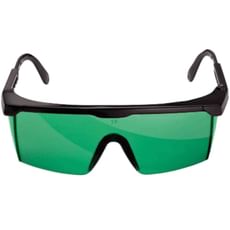
Laser level glasses are specialised optical eyewear designed to enhance the visibility of laser beams used in construction, surveying, and levelling work. When working outdoors in bright sunlight or across long distances, laser lines and dots can become virtually invisible to the naked eye, making accurate levelling work challenging. These tinted glasses use colour-specific lens technology that filters out ambient light whilst amplifying the laser beam's wavelength, making it significantly easier to identify and work with precision even in demanding conditions.
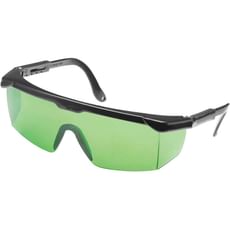
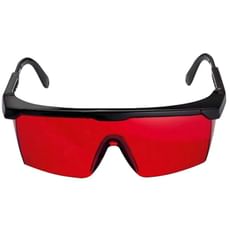
The selection at Tooled-Up.com includes both red and green lens configurations from professional brands including Bosch Professional, DeWalt, and Stanley. It's essential to understand that laser level glasses must be precisely matched to the colour of your laser level for optimal performance—green-tinted glasses work exclusively with green lasers (532nm wavelength), whilst red or orange-tinted lenses are designed for red laser beams (635-650nm wavelength). Using mismatched glasses will actually reduce visibility rather than enhance it, so identifying your laser's beam colour is the first step in choosing the right eyewear.
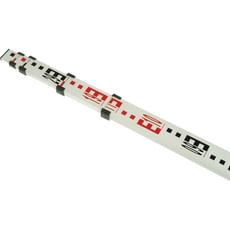
Beyond the glasses themselves, this category also encompasses essential laser levelling accessories including grade rods and telescopic measuring staffs. These graduated measuring poles work in conjunction with your laser equipment and enhancement glasses to achieve accurate elevation readings and level references across construction sites, making them indispensable for professional tradespeople and serious DIY enthusiasts undertaking levelling projects of any scale.
Jargon Buster
- Green vs Red Laser: Green lasers operate at 532nm wavelength and are approximately four times more visible to the human eye than red lasers, particularly in bright outdoor conditions. Red lasers (635-650nm) are more economical and have longer battery life but are less visible in sunlight. Your enhancement glasses must match your laser's colour exactly.
- Grade Rod (Levelling Staff): A precisely graduated measuring pole marked with clear height measurements, used alongside laser levels to determine elevation differences and establish accurate level reference points across a site. Available in fixed-length and telescopic versions.
- Optical Enhancement: The specialised lens technology that filters specific wavelengths of light to reduce glare and background interference whilst intensifying the laser beam's specific colour frequency, dramatically improving visibility in challenging lighting conditions.
- Wavelength (nm): Measured in nanometres, this indicates the specific colour frequency of the laser beam. Green lasers typically operate at 532nm, whilst red lasers range from 635-650nm. This wavelength determines which colour glasses you need.
- UV Protection: Built-in filtering that shields your eyes from harmful ultraviolet radiation during outdoor work. Quality laser glasses from brands like Bosch Professional and DeWalt include UV protection alongside the laser enhancement functionality.
- EN166 Standards: The European safety standard for eye protection that specifies requirements for optical quality, impact resistance, and protective characteristics. Professional-grade laser glasses should meet these standards for site work.
Who Uses Laser Level Glasses?
Laser level glasses are essential equipment for a diverse range of construction and surveying professionals:
- Site Engineers and Surveyors: Establishing precise levels across construction sites, conducting topographical surveys, and setting out building positions
- Groundworkers and Landscapers: Setting drainage gradients, levelling patios and driveways, establishing ground levels for foundations and retaining walls
- Bricklayers and Blocklayers: Maintaining consistent course heights throughout wall construction and ensuring structures are perfectly level and plumb
- Builders and General Contractors: All types of levelling work from foundation setting to suspended ceiling installation
- Shopfitters and Ceiling Fixers: Installing level tracks, battens, and suspended ceiling grids in commercial and retail environments
- Tilers and Flooring Specialists: Checking floor levels, identifying high and low spots, and establishing datum lines for tiling projects
- Plumbers and Heating Engineers: Setting appropriate gradients for drainage runs, waste pipes, and central heating systems
- Carpenters and Joiners: Levelling door frames, installing worktops, fitting kitchens, and constructing decking structures
- DIY Enthusiasts: Tackling home improvement projects including garden landscaping, paving, decking construction, and renovation work
How to Choose the Right Laser Level Glasses
Laser Colour Compatibility: This is the most critical factor when selecting laser level glasses. Green laser glasses will not work with red lasers and vice versa—they must be precisely matched. Check your laser level's specification to determine whether it produces a red beam (635-650nm) or green beam (532nm). Green lasers have become increasingly popular for outdoor construction work due to their superior visibility in bright conditions, requiring corresponding green-tinted enhancement glasses.
Optical Quality and Lens Technology: Professional-grade glasses from manufacturers like Bosch Professional, DeWalt, and Stanley offer superior lens clarity with multi-layer coatings and distortion-free optics. Tooled-Up stocks quality options that reduce eye strain during extended use and provide better laser enhancement in challenging lighting conditions. Whilst budget alternatives exist, investing in professional eyewear pays dividends in comfort and effectiveness during all-day site work.
Comfort and Fit: For extended wear throughout the working day, look for lightweight frames with adjustable features including rubber nose pieces and temple grips that prevent slipping when bending or working overhead. If you wear prescription glasses, check whether the laser glasses can accommodate them underneath—some models feature larger "over-glasses" (OTG) designs specifically for this purpose. Alternatively, contact lens wearers often find laser glasses more comfortable for extended periods.
Durability and Site-Worthiness: Construction environments demand robust equipment. Look for scratch-resistant lens coatings, impact-resistant materials meeting EN166 standards, and sturdy frame construction that will withstand the rigours of daily trade use. Many professional models include protective carrying cases to prevent damage during transport and storage between jobs.
UV Protection: When working outdoors, integrated UV protection safeguards your eyes from harmful ultraviolet rays whilst you're focusing on the laser beam. This dual-purpose functionality makes quality laser glasses a worthwhile investment for your long-term eye health, particularly for groundworkers, surveyors, and landscapers who spend extensive time outside.
Popular Accessories
- Grade Rods and Levelling Staffs: Essential partners to laser glasses, these precisely graduated measuring poles allow accurate determination of height differences and establishment of level reference points. The Stanley 5-section telescopic grade rod and DeWalt DE0734 aluminium grade rod available from Tooled-Up.com extend to various heights for versatile site applications.
- Laser Levels: Rotary laser levels, cross-line lasers, and dot lasers are the primary tools these glasses complement. Green beam lasers from Bosch Professional, DeWalt, and Makita offer superior outdoor visibility when paired with matching green enhancement glasses.
- Laser Detectors and Receivers: For extending your working range beyond visible distance, electronic laser receivers detect the beam and provide audio-visual feedback, particularly useful in extremely bright conditions or over distances exceeding 30 metres where even glasses cannot provide adequate visibility.
- Tripods and Mounting Equipment: Stable positioning of your laser level ensures accurate readings when using enhancement glasses and grade rods together. Adjustable-height tripods and wall-mounting brackets provide the stability necessary for professional results.
- Protective Cases and Storage: Dedicated storage for your laser glasses prevents scratching and damage to optical coatings, maintaining lens clarity for years of professional use. Hard cases offer superior protection during transport between sites.
- Lens Cleaning Kits: Microfibre cloths and optical lens cleaning solutions specifically designed for coated lenses help maintain the enhancement effectiveness of your glasses throughout their working life.
Safety Information
It's crucial to understand that laser level glasses are designed to enhance the visibility of projected laser lines and dots—they are not classified as laser safety glasses intended to protect against direct laser exposure. Never look directly into a laser beam source, even when wearing enhancement glasses. These glasses improve working visibility of the projected beam on surfaces, not protection from the laser itself.
When working on construction sites, laser level glasses should be worn in conjunction with other appropriate PPE as required by your site risk assessment and HSE guidelines. Ensure your glasses meet relevant EN166 standards for impact resistance if there's potential for flying debris, dust, or particles in your working environment. Many professional models provide both laser enhancement and basic impact protection, making them suitable for typical construction site conditions.
Store your laser glasses in their protective case when not in use to prevent scratching, which impairs visibility and can create eye strain during prolonged use. Regularly clean lenses using appropriate optical lens cleaning solutions and microfibre cloths—avoid paper towels, clothing, or abrasive materials that could damage protective and enhancement coatings. Even minor scratches can significantly reduce the effectiveness of the optical enhancement technology.
Be aware that these tinted glasses reduce overall light transmission by design, which may affect depth perception and colour recognition. Exercise additional caution when working at height, near excavations, or around site hazards whilst wearing them. Remove the glasses when laser levelling work is complete if the tinting impairs your ability to work safely in other tasks. This is particularly important when operating machinery or working in low-light conditions where the tinted lenses may reduce visibility below safe levels.
Frequently Asked Questions
Can I use green laser glasses with a red laser level?
No, laser enhancement glasses must precisely match your laser's beam colour. Green glasses are designed to enhance 532nm green laser wavelengths and will not improve visibility of red lasers operating at 635-650nm—in fact, they'll make red lasers harder to see. Always purchase glasses specifically designed for your laser level's colour. Check your laser's specification before ordering, and consider labelling your glasses if you own both red and green laser equipment to avoid confusion on site.
Will laser level glasses work in all outdoor conditions?
Laser glasses significantly improve beam visibility in bright conditions, but they cannot overcome the fundamental limitations of laser technology. In extremely bright direct sunlight or over very long distances (beyond 30-50 metres depending on conditions), even with enhancement glasses you may need to use an electronic laser detector or receiver for optimal accuracy. Green lasers paired with matching green glasses consistently outperform red laser systems in bright outdoor conditions, which is why they've become the preferred choice for groundworkers and external construction applications.
Do laser level glasses provide UV protection?
Most professional-grade laser glasses from brands like Bosch Professional, DeWalt, and Stanley include UV protection as a standard feature, making them suitable for extended outdoor use and providing additional eye health benefits beyond laser enhancement. However, specification varies between models and manufacturers, so always check the product specifications to confirm UV protection is included. Budget models may only provide laser enhancement without UV filtering.
Can I wear laser level glasses over my prescription spectacles?
Some models feature over-glasses (OTG) designs with larger frames and extended temple pieces specifically to accommodate prescription eyewear underneath. Check product specifications for OTG compatibility before purchasing. The DeWalt and Stanley models available from Tooled-Up typically offer good over-glasses compatibility. Alternatively, many users find that wearing contact lenses provides better comfort and field of view when using laser enhancement glasses for extended periods on site.
How do I maintain my laser level glasses for long-term performance?
Use only microfibre cloths and lens cleaning solutions specifically formulated for coated optical lenses. Avoid paper towels, clothing, or household cleaners which can scratch anti-reflective and enhancement coatings, permanently reducing effectiveness. Store glasses in their protective case whenever not in use to prevent accidental damage in your tool bag or van. Inspect lenses regularly for scratches or coating damage—even minor imperfections can cause eye strain and reduce the optical enhancement that makes these glasses effective. With proper care, quality laser glasses should provide many years of professional service.