

Latex Gloves
Pay in 3 interest-free payments on purchases from £30-2000 with  . Learn more.











 Loading...
End of content
Error - No more pages to load
About Latex Gloves
Latex gloves are an essential component of personal protective equipment (PPE) for tradespeople, gardeners, and DIY enthusiasts across the UK. Available in both disposable and heavy-duty reusable formats, latex gloves provide excellent grip, flexibility, and protection against a wide range of workplace hazards. From lightweight disposable gloves for precision tasks to thermal waterproof variants for cold weather site work, latex gloves offer versatile hand protection that combines comfort with safety.
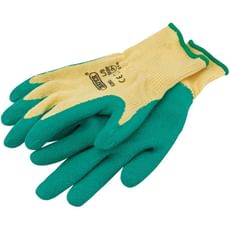
Modern latex work gloves feature advanced coatings and construction techniques that deliver superior performance in demanding environments. Heavy-duty latex coated work gloves typically feature a seamless knit liner with a textured latex palm coating, providing exceptional grip in both wet and dry conditions whilst maintaining excellent dexterity. Specialist variants include cut-resistant models meeting EN388 standards, anti-vibration gloves for reducing hand-arm vibration syndrome (HAVS), and thermal options with insulated linings for winter working conditions.
Leading manufacturers such as Scan, Portwest, Polyco, Sealey, and Draper produce latex gloves specifically designed for UK trades and working conditions. Whether you're handling materials on site, undertaking general maintenance work, gardening tasks, or requiring disposable gloves for hygiene-critical applications, the selection available at Tooled-Up.com delivers reliable hand protection that meets HSE guidelines and relevant British Standards.
Jargon Buster
- Latex Coating: A natural rubber coating applied to the palm and fingers of work gloves, providing excellent elasticity, grip, and resistance to abrasion. The coating thickness can vary from lightweight foam latex to heavy-duty double-dipped applications.
- EN388 Rating: The European standard for protective gloves against mechanical risks, testing abrasion resistance, cut resistance, tear resistance, and puncture resistance. Ratings are displayed as four numbers, with higher values indicating greater protection.
- Cut Level (ANSI/EN): A standardised measurement of a glove's resistance to cutting hazards. Cut Level 5 gloves offer high protection suitable for handling sharp materials, glass, or metal components.
- Foam Latex: A porous latex coating that provides superior grip and flexibility compared to standard latex, whilst offering better breathability and comfort during extended wear.
- Double-Dipped: Gloves that have been coated twice in latex, providing enhanced durability, chemical resistance, and protection. Common in gauntlet-style gloves for heavy-duty applications.
- Gauge: The knitting density of the glove liner, with higher gauge numbers (13G, 15G) indicating finer knit construction that provides better dexterity for precision work.
Who Uses Latex Gloves?
Latex gloves are utilised across numerous trades and industries throughout the UK:
- Builders and General Labourers: For handling materials, bricklaying, rendering, and general construction tasks requiring grip and hand protection
- Landscapers and Groundskeepers: Protection during planting, pruning, and handling garden materials whilst maintaining excellent tactile sensitivity
- Warehouse and Logistics Workers: For moving stock, packing, and handling goods in distribution centres
- Mechanics and Vehicle Technicians: Disposable latex gloves for maintaining cleanliness during servicing and repairs
- Maintenance Engineers: For general maintenance work, equipment handling, and facility management tasks
- Road Workers and Highways Maintenance: Hi-vis latex gloves for improved visibility during roadside operations
- Factory and Manufacturing Operatives: For assembly work, quality control, and general production tasks
- Cleaning and Janitorial Staff: Disposable and reusable options for protection against cleaning chemicals and contamination
- DIY Enthusiasts and Homeowners: For home improvement projects, gardening, and general maintenance work
How to Choose the Right Latex Gloves
Selecting appropriate latex gloves depends on several key factors relating to your specific working environment and tasks:
Application and Hazard Assessment: Identify the primary risks you'll encounter. Light assembly work requires different protection than handling sharp materials or working in cold, wet conditions. For cut hazards, look for EN388-rated gloves with appropriate cut levels. Anti-impact gloves with TPR (thermoplastic rubber) protection are essential for reducing injury from knocks and impacts on construction sites.
Coating Type and Coverage: Foam latex coatings provide excellent grip and breathability for general purpose work, whilst smooth latex offers better chemical resistance. Palm-coated gloves offer maximum breathability, whilst fully-coated or double-dipped gauntlets provide comprehensive protection against liquids and chemicals. Consider textured or crinkle-finish latex for enhanced grip in wet or oily conditions.
Thermal Requirements: For winter site work or cold store environments, thermal latex gloves with acrylic or terry loop liners provide essential insulation whilst maintaining flexibility. Scan and Sealey produce waterproof thermal variants specifically designed for UK weather conditions, meeting the demands of outdoor trades year-round.
Size and Fit: Properly fitted gloves are crucial for both safety and productivity. Gloves that are too large compromise dexterity and can catch on machinery, whilst tight gloves cause fatigue and reduce circulation. Most brands offer sizes from small through to extra-large, with some providing numbered sizing (7-11) for more precise fitting.
Disposable versus Reusable: Disposable latex gloves are ideal for hygiene-critical tasks, medical applications, or work requiring frequent glove changes. Heavy-duty reusable latex coated gloves offer better value for ongoing protection during manual handling, construction, and maintenance work where durability is paramount.
Compliance and Standards: Ensure gloves meet relevant British and European standards including EN388 for mechanical risks, EN511 for cold protection, and EN374 for chemical resistance where applicable. HSE-compliant PPE is essential for workplace safety and employer liability requirements.
Popular Accessories
- Glove Dispensers and Storage: Wall-mounted boxes for organising disposable gloves in workshops and service vehicles
- Hand Barrier Creams: Pre-work skin protection products that complement glove use and reduce dermatitis risk
- Glove Clips and Holders: For securing gloves to belts or toolbags when not in use, preventing loss on site
- Safety Goggles and Face Protection: Complementary PPE from brands like Portwest and Scan for complete personal protection
- High-Visibility Workwear: Hi-vis jackets and vests to match high-visibility latex gloves for roadside and site work
- Hand Cleansers and Wipes: Industrial hand cleaning products for removing contaminants before and after glove use
- Tool Belts and Workwear: Professional workwear from Scruffs, Snickers, and DeWalt to complete your personal protective equipment setup
Safety Information
Latex Allergies: Natural rubber latex can cause allergic reactions in some individuals, ranging from mild skin irritation to severe anaphylactic responses. If you experience itching, redness, or breathing difficulties when wearing latex gloves, discontinue use immediately and consult a healthcare professional. Nitrile gloves provide an excellent latex-free alternative offering similar protection and performance characteristics.
Inspection and Replacement: Regularly inspect reusable latex gloves for signs of damage including tears, punctures, thinning, or degradation of the coating. Compromised gloves offer reduced protection and should be replaced immediately. Disposable gloves are designed for single-use only and should never be reused.
Chemical Compatibility: Whilst latex provides good resistance to many substances, it offers limited protection against oils, solvents, and certain chemicals. Always check manufacturer specifications for chemical resistance data and breakthrough times. For handling hazardous substances, ensure gloves comply with COSHH requirements and EN374 chemical protection standards.
Proper Removal: To avoid contamination, remove potentially contaminated gloves carefully by grasping the outside of one glove at the wrist and peeling downward, then sliding fingers under the remaining glove to remove it inside-out. Dispose of contaminated disposable gloves in accordance with waste regulations.
Storage Conditions: Store latex gloves away from direct sunlight, heat sources, and ozone-producing equipment, as these can degrade natural rubber. Keep gloves in a cool, dry location to maintain their protective properties and extend their service life.
Frequently Asked Questions
Are latex gloves suitable for all trades and applications?
Latex gloves are versatile and suitable for many applications including construction, gardening, warehousing, and general maintenance. However, they're not appropriate for all situations. Individuals with latex allergies should use nitrile alternatives, and tasks involving oils, solvents, or specific chemicals may require specialist chemical-resistant gloves. Always assess your specific hazards and choose PPE accordingly.
What's the difference between foam latex and standard latex coating?
Foam latex features a porous, sponge-like structure that provides superior grip, especially in damp conditions, whilst offering better breathability and comfort during extended wear. Standard smooth latex coatings are denser, providing better abrasion resistance and chemical protection. Foam latex is excellent for general handling tasks, whilst smooth latex suits applications requiring durability and liquid resistance.
How long do reusable latex work gloves typically last?
The lifespan of latex work gloves depends on usage intensity and working conditions. With proper care and rotation, quality latex coated gloves from brands like Scan, Portwest, or Draper typically last several weeks to months in professional use. Daily inspection is essential—replace gloves immediately if you notice tears, worn patches, or compromised coating that could reduce protection.
Can I wash and reuse latex coated work gloves?
Yes, heavy-duty latex coated work gloves can be washed to extend their service life. Hand wash in lukewarm water with mild soap, rinse thoroughly, and air dry away from direct heat or sunlight. Avoid washing machines and tumble dryers as heat and agitation can damage the latex coating. Note that disposable latex gloves are strictly single-use and should never be washed or reused.
What EN388 rating should I look for in latex work gloves?
The appropriate EN388 rating depends on your specific hazards. For general handling and light construction work, ratings of 2-3 for abrasion and cut resistance are typically sufficient. If you're regularly handling sharp materials, metal components, or glass, look for Cut Level 5 gloves offering superior protection. Browse Tooled-Up.com to find latex gloves with various EN388 ratings to suit different risk levels and applications.