

Lawn Rakes
Pay in 3 interest-free payments on purchases from £30-2000 with  . Learn more.
 Loading...
End of content
Error - No more pages to load
About Lawn Rakes
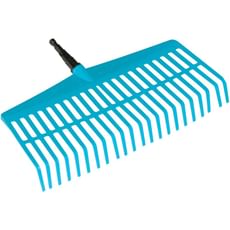
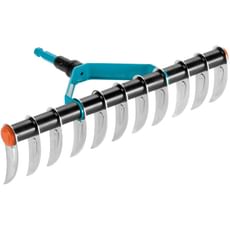
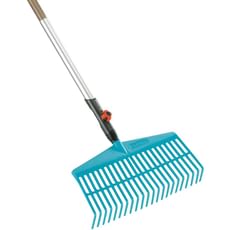
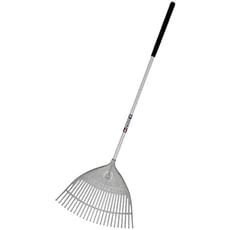
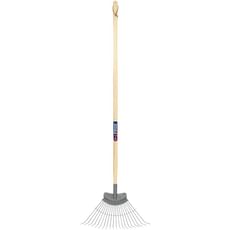
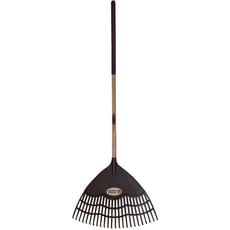
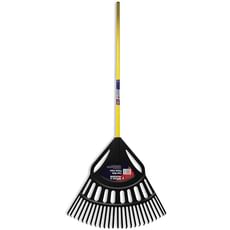
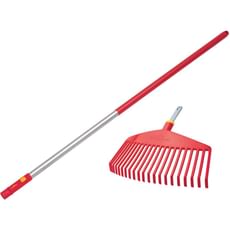
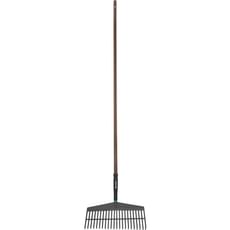
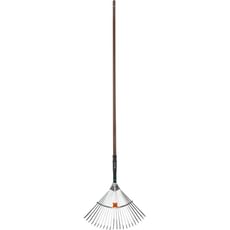
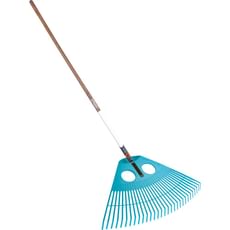
Lawn rakes are specialised garden maintenance tools engineered to keep grass surfaces healthy, clear of debris, and properly aerated throughout the year. Unlike standard garden rakes designed for soil preparation, lawn rakes feature carefully configured tines—whether spring steel, stainless steel, or flexible plastic—that work specifically on turf without damaging grass roots or disturbing the soil structure beneath. These essential tools excel at removing thatch, moss, autumn leaves, and organic debris from lawn surfaces, allowing vital air, water, and nutrients to penetrate more effectively to grass roots. From traditional springbok rakes with their distinctive fan-shaped wire tine arrangement to modern adjustable designs and gentle rubber tine models, the comprehensive selection at Tooled-Up.com caters to every lawn maintenance requirement.
The range spans models from trusted manufacturers including Spear and Jackson, Gardena, Draper, Bulldog, and Faithfull, serving everyone from professional groundskeepers managing sports pitches to homeowners maintaining residential lawns. Material choices include carbon steel construction for durability and aggressive scarification work, stainless steel for rust resistance in damp storage conditions, and lightweight plastic or rubber tines for gentler leaf collection tasks. Handle options vary from traditional ash wood providing natural comfort and shock absorption, through to modern aluminium and fibreglass designs with soft-grip technology that reduces hand fatigue during extended raking sessions.
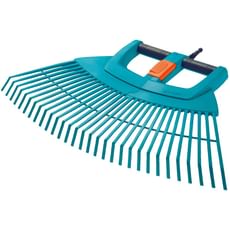
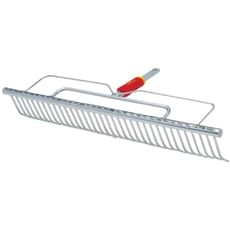
Product variety extends from junior models with shorter handles perfect for young gardeners learning proper lawn care techniques, through to extra-wide professional rakes exceeding 600mm that make efficient work of large paddocks and sports grounds. Adjustable lawn rakes offer particular versatility, allowing users to modify the working width between narrow settings for confined spaces and wide configurations for open areas. Specialist rubber tine models provide gentle debris collection without disturbing delicate newly-seeded grass or scratching artificial turf surfaces.
Jargon Buster
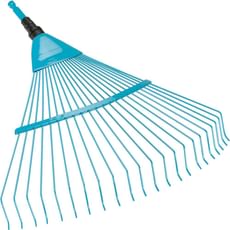
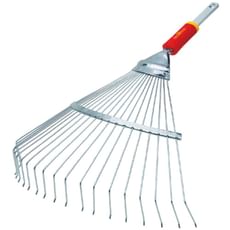
- Springbok Rake: A traditional lawn rake featuring flexible spring steel tines arranged in a distinctive fan shape. The tines bend slightly during vigorous use, making them ideal for aggressive scarification and moss removal without snapping. Named for their visual resemblance to springbok antelope horns.
- Scarification: The process of vigorously raking a lawn to remove thatch, moss, and dead grass from the surface whilst lightly scoring the soil. This improves drainage, enhances air circulation, and allows fertiliser and grass seed to reach roots more effectively, promoting healthier grass growth.
- Thatch: The accumulated layer of dead grass, moss, and decomposing organic matter that builds up between green grass blades and the soil surface. Excessive thatch layers over 12mm prevent water and nutrients reaching roots whilst harbouring lawn pests and fungal diseases.
- Flat Tine: Rake tines manufactured with a flattened profile rather than round wire cross-section. These provide increased surface area contact with debris, making them particularly effective for leaf collection, gathering grass clippings, and spreading top dressing materials evenly.
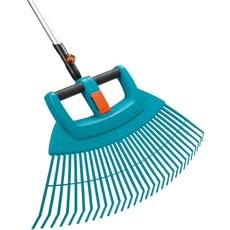
- Adjustable Head: A rake mechanism incorporating sliding or pivoting components that allow users to alter the working width by expanding or contracting the tine span. Particularly useful for reaching between planted borders in narrow settings or covering large open lawns quickly when fully extended.
- Rubber Tines: Flexible synthetic rubber teeth designed to collect leaves and light debris without scratching hard surfaces or damaging delicate grass. Ideal for artificial turf maintenance, newly seeded lawns, decorative gravel areas, and wooden decking where metal tines would cause damage.
Who Uses Lawn Rakes?
- Professional Groundskeepers: Maintaining sports pitches, golf courses, parks, and public green spaces requiring regular scarification programmes and debris removal
- Landscape Gardeners: Preparing and maintaining lawns as part of comprehensive garden maintenance contracts for residential and commercial clients
- Grounds Maintenance Contractors: Servicing schools, hospitals, business parks, and housing developments with extensive turf areas demanding consistent presentation standards
- Greenkeepers: Specialised care of golf courses, bowling greens, cricket squares, and tennis court surrounds where premium turf quality is paramount
- Amenity Horticulturists: Managing local authority parks, recreation grounds, memorial gardens, and public green spaces
- Estate Managers: Overseeing maintenance programmes for country estates, stately homes, National Trust properties, and extensive private grounds
- DIY Enthusiasts: Homeowners committed to maintaining healthy, attractive residential lawns throughout the seasons with proper scarification and debris management
- Allotment Holders: Maintaining grass pathways, communal areas, and edges within allotment sites and community gardens
- Caravan and Holiday Park Operators: Keeping pitch areas, communal grass spaces, and recreational zones presentable for visitors
- School and College Maintenance Teams: Managing playing fields, quad areas, and ornamental lawns across educational facilities
How to Choose the Right Lawn Rakes
Material Construction: Carbon steel tines offer excellent durability and rigidity for aggressive scarification work, particularly effective on established lawns with heavy moss or thatch accumulation. Stainless steel provides superior rust resistance for tools stored outdoors or in damp sheds whilst maintaining good strength for regular use. Plastic and rubber tines are gentler alternatives, perfect for autumn leaf collection, delicate new grass, or artificial turf where metal could cause surface damage. Tooled-Up stocks comprehensive options across all material types to suit different lawn maintenance requirements.
Tine Configuration: Spring steel fan-shaped designs in the springbok style provide flexibility and are excellent for vigorous raking without breakage, ideal for tackling compacted moss layers. Flat tines offer more surface contact for efficiently collecting leaves and spreading top dressing materials. Consider the spacing between tines—closer spacing around 10-15mm captures finer debris including moss particles, whilst wider spacing of 20-30mm works better for leaves and general maintenance without excessive clogging.
Head Width: Standard lawn rakes typically range from 300mm to 600mm working width. Smaller heads between 300-400mm offer better manoeuvrability around flower borders, between shrubs, and in compact urban gardens with limited space. Wider models from 500-600mm or larger cover significantly more ground quickly on open lawns and paddocks. Adjustable rakes provide versatility across both applications, though they may be slightly heavier than fixed-width alternatives.
Handle Material and Length: Traditional ash wood handles offer comfortable grip characteristics and natural shock absorption, typically available in lengths from 1.2m to 1.5m. Modern fibreglass or aluminium handles significantly reduce weight whilst maintaining structural strength for demanding tasks. Soft-grip handles with ergonomic cushioning reduce hand fatigue and prevent blisters during extended scarification sessions. Ensure the handle length suits your height—you should be able to work comfortably without excessive bending that strains the lower back.
Task-Specific Features: For autumn leaf collection, consider extra-wide plastic rakes or rubber tine models that won't damage grass whilst efficiently gathering foliage. For spring scarification removing winter moss, spring steel springbok rakes provide the necessary aggression to lift compacted material. If you maintain both lawns and paved areas, rubber tine rakes won't scratch paving, decking, or artificial surfaces. Junior rakes with proportionally shorter handles and narrower heads help young gardeners develop proper technique safely.
Brand Reputation: Established manufacturers like Bulldog, Spear and Jackson, and Draper have decades of experience in garden tool manufacturing, with their Premier or Heritage ranges typically featuring superior materials, reinforced construction, and extended guarantees. Gardena tools often incorporate innovative features like tool-free adjustable mechanisms. Consider warranty coverage—quality brands available from Tooled-Up stand behind their products with comprehensive guarantees against manufacturing defects.
Popular Accessories
- Garden Waste Bags: Heavy-duty collection sacks and reusable garden bags for leaves, moss, thatch, and grass clippings removed during raking operations
- Leaf Collectors and Grabbers: Hand-held plastic scoops that work alongside rakes for efficiently gathering collected debris without constant bending
- Garden Kneelers and Pads: Essential for comfort when working close to ground level during detailed lawn maintenance around borders and edges
- Powered Lawn Scarifiers: Electric or petrol alternatives for large-scale scarification projects that complement manual raking for smaller areas
- Garden Tarpaulins and Ground Sheets: For collecting and transporting large quantities of raked material efficiently from lawn to compost area
- Lawn Treatment Products: Moss killers, autumn and spring fertilisers, and quality grass seed to apply after scarification for optimal recovery
- Garden Forks: Useful for aerating compacted lawns in conjunction with regular raking maintenance programmes
- Tool Storage Solutions: Wall-mounted racks, shed organisers, and protective covers to protect rake tines and extend tool working life
- Gardening Gloves: Quality work gloves with reinforced palms to prevent blisters during extended raking sessions
- Wheeled Leaf Collectors: Large-capacity rolling bins that pair efficiently with rakes for collecting debris across extensive lawn areas
- Lawn Spreaders: For applying fertiliser, seed, and lime treatments after scarification work prepares the lawn surface
Safety Information
Manual Handling: Lawn raking involves repetitive movements that can strain back, shoulder, and arm muscles, particularly during vigorous scarification work. Maintain proper posture with a straight back, bend from the knees rather than the waist, and take regular breaks during extended sessions to prevent repetitive strain injuries. Choose a rake with appropriate handle length to minimise excessive bending. The HSE recommends varying your tasks throughout the day and using proper lifting techniques when moving collected debris.
Tine Hazards: Metal rake tines can cause puncture wounds if stepped on or if the rake falls unexpectedly. Always store rakes with tines facing downward or securely against a wall. Never leave a rake lying on the ground where someone might step on it, causing the handle to spring upward violently. When carrying rakes around the garden, keep tines pointing downward and away from other people. Inspect tines regularly for damage or sharp edges.
Weather Awareness: Wet grass can be extremely slippery—wear appropriate footwear with good grip when raking damp lawns, particularly on slopes. Avoid raking during very hot weather to prevent heat exhaustion; work during cooler morning or evening periods instead. In spring and summer months, be aware of ground-nesting birds, hedgehogs, and other wildlife that may be present in longer grass areas before beginning vigorous raking.
Tool Maintenance: Keep metal tines clean and dry after use to prevent rust formation, which weakens the structure and can create dangerously sharp edges. Check wooden handles regularly for splinters, cracks, or loose connections that could cause injury during use. Replace damaged tools rather than attempting makeshift repairs that may fail unexpectedly. Store tools in a dry location to maximise longevity.
Frequently Asked Questions
When is the best time of year to scarify my lawn with a rake?
The optimal times are early autumn (September to October) and mid-spring (April to May) when grass is actively growing and can quickly recover from the aggressive treatment. Avoid scarifying during hot, dry summer periods or winter frost, as stressed grass won't recover effectively and may allow weeds to establish. Ensure the soil is moist but not waterlogged before you begin, and always apply appropriate lawn feed afterwards to encourage rapid recovery and thickening.
What's the difference between a lawn rake and a garden rake?
Lawn rakes feature flexible, closely-spaced spring steel or plastic tines designed specifically to work on grass surfaces without damaging roots or disturbing soil structure beneath. They're ideal for removing surface debris, moss, and thatch layers. Garden rakes have rigid, widely-spaced straight tines intended for soil preparation, levelling ground, and moving heavier materials like gravel, stones, or soil. Using a standard garden rake on established turf will likely damage your lawn and disrupt grass roots.
How often should I rake my lawn throughout the year?
Light raking for leaf and debris removal can be done as often as needed throughout autumn and after storms without harming the grass. Vigorous scarification should typically be performed once or twice yearly—a thorough session in autumn to remove summer thatch buildup and moss accumulation, and optionally a lighter spring scarification if moss returns over winter. Over-scarifying can damage grass and create bare patches, so assess your lawn's actual condition rather than following a rigid schedule.
Can I use a plastic rake for scarifying or just for collecting leaves?
Plastic and rubber tine rakes are primarily designed for gentle leaf collection and light debris removal without disturbing grass. They lack the rigidity and aggression needed for effective scarification—removing compacted thatch and embedded moss requires the firmness of spring steel tines that can penetrate the surface layer. However, plastic rakes excel at collecting autumn leaves without disturbing grass, making them perfect for regular maintenance and safe for use on newly seeded areas, delicate ornamental lawns, or artificial turf.
My rake handle keeps coming loose from the head—how can I fix this?
Wooden handles can shrink over time, especially if stored in varying humidity conditions. For socket-fitted heads, try tapping a thin wooden wedge into the split at the top of the handle to expand it within the socket connection. Some gardeners soak the connection point in linseed oil overnight to swell the wood fibres. For threaded connections, check whether you need to replace a worn ferrule or tighten securing bolts with an appropriate spanner. If the handle is badly split or the socket damaged, replacement is safer than temporary repair, as failure during vigorous use could cause injury.