

Lawn Seed
Pay in 3 interest-free payments on purchases from £30-2000 with  . Learn more.
 Loading...
End of content
Error - No more pages to load
About Lawn Seed
Creating a lush, healthy lawn starts with selecting quality lawn seed suited to your specific growing conditions and requirements. Whether establishing a new lawn from scratch, overseeding bare patches, or rejuvenating tired turf, the right grass seed makes all the difference to germination rates, durability, and long-term lawn health. Professional groundskeepers, landscape contractors, and domestic gardeners across the UK rely on proven seed blends to achieve consistent, reliable results in British growing conditions.
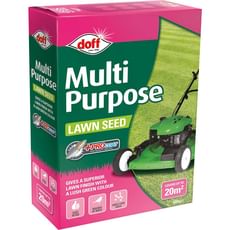
Different lawn seed varieties are formulated for specific purposes and performance characteristics. Fast-growing seed blends germinate rapidly—often within 7-10 days—making them ideal for quick establishment and time-sensitive projects. Hard-wearing lawn seed contains robust grass species such as perennial ryegrass that withstand heavy foot traffic, perfect for family gardens, play areas, and commercial landscapes. Multi-purpose seed offers balanced all-round performance, combining reasonable establishment times with good durability and attractive appearance suitable for most UK garden situations.
The selection available from Tooled-Up.com includes professional-grade lawn seed products featuring advanced coatings and carefully selected cultivars bred specifically for British climate conditions. Premium seed blends typically contain higher purity levels, minimal weed content, and superior grass varieties that deliver better germination rates, disease resistance, and long-lasting results. When combined with proper soil preparation, consistent watering during establishment, and appropriate aftercare including feeding and mowing, quality lawn seed creates dense, resilient turf that remains attractive throughout the seasons.
Jargon Buster
- Germination Rate: The percentage of seeds that will successfully sprout under ideal conditions. Quality lawn seed typically achieves germination rates of 85% or higher, ensuring good coverage and reducing wastage.
- Perennial Ryegrass: A popular, hard-wearing grass species valued for quick establishment and excellent wear tolerance. Commonly found in sports turf and family lawn seed mixes designed for high-traffic areas and intensive use.
- Overseeding: The practice of spreading grass seed over an existing lawn to thicken thin areas, introduce improved grass varieties, or enhance overall appearance without completely renovating the turf.
- Seed Coverage Rate: Measured in grams per square metre (g/m²), this indicates how much seed you need for optimal grass density. Typical rates range from 35-50g/m² for new lawns and 15-25g/m² for overseeding existing turf.
- PROCOAT Technology: An advanced seed coating that enhances germination, protects seeds from birds, and provides nutrients during early growth stages, improving establishment success rates.
- Fescue: A family of fine-leaved grasses known for excellent drought tolerance and shade resistance. Often blended with ryegrass to create versatile lawn seed mixtures suited to various UK garden conditions.
Who Uses Lawn Seed?
- Landscape Gardeners: Professional contractors who install and maintain gardens, requiring reliable seed for client projects, commercial landscaping work, and contract grounds maintenance
- Groundskeepers: Those responsible for maintaining sports facilities, parks, golf courses, and public green spaces where durability, appearance, and rapid recovery are essential
- Property Maintenance Contractors: Companies managing multiple sites including housing developments, business parks, retail parks, and municipal properties
- Domestic Gardeners: Homeowners establishing new lawns, repairing damaged areas, or improving overall turf quality in their gardens
- Garden Designers: Professionals specifying appropriate grass seed varieties as part of comprehensive garden design and landscaping projects
- Estate Managers: Those overseeing large properties, country estates, or heritage sites where lawn quality reflects on the property's overall presentation
- Allotment Holders: Gardeners creating grass pathways or small lawn areas within their growing spaces
- Builders and Developers: Contractors requiring seed for final landscaping on new build properties and development projects
How to Choose the Right Lawn Seed
Selecting appropriate lawn seed depends on several key factors that determine establishment success and long-term performance. Consider the intended use of your lawn area first. For high-traffic zones such as play areas, pathways, or sports surfaces, choose hard-wearing seed blends containing robust ryegrass species that withstand constant use without thinning. For ornamental lawns or low-traffic areas, finer-textured seed mixes prioritising aesthetic appearance may be more suitable.
Assess your site's specific growing conditions including sun exposure, shade levels, soil type, and drainage characteristics. Some seed varieties excel in shaded conditions whilst others require full sunlight for optimal growth. Areas under trees or alongside buildings that receive limited light benefit from shade-tolerant seed blends containing fescue varieties. Poorly draining or compacted soils may require additional preparation before seeding to ensure successful establishment.
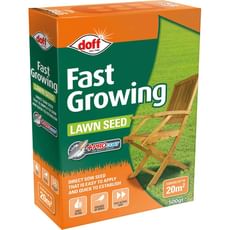
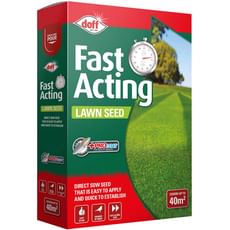
The speed of establishment influences project timelines and maintenance requirements. Fast-growing lawn seed varieties from brands like Doff germinate within 7-10 days under favourable conditions, ideal for quick repairs or time-sensitive projects. Multi-purpose blends offer balanced performance with reasonable establishment times suitable for most UK gardens. Calculate the area you need to cover and check the seed's coverage rate to ensure you purchase sufficient quantity—typically a 500g pack covers approximately 20m² for new lawns or up to 40m² for overseeding.
Consider seasonal timing when planning your seeding project. Spring (April to May) and early autumn (September to October) offer optimal conditions with warm soil temperatures and consistent rainfall. Autumn sowing often produces excellent results as grass establishes before winter with less weed competition. Advanced seed coatings such as PROCOAT technology improve germination success, provide bird deterrent properties, and supply early-stage nutrients that support establishment.
Popular Accessories
- Lawn Spreaders: Hand-held or wheeled devices for even seed distribution, ensuring consistent coverage rates and preventing wastage or over-application
- Garden Rakes: Essential for preparing seedbeds, levelling soil, removing stones and debris, and lightly covering newly sown seed
- Lawn Fertiliser: Pre-seeding and post-germination feeds that promote strong root development, vigorous growth, and healthy grass establishment
- Top Soil and Compost: Quality growing medium for improving soil structure, drainage, and nutrient content before seeding
- Garden Rollers: Used to firm soil before seeding and ensure good seed-to-soil contact after sowing, improving germination rates
- Sprinklers and Watering Equipment: Crucial for maintaining consistent moisture levels during germination and establishment phases
- Lawn Scarifiers: For preparing existing lawns before overseeding by removing thatch, moss, and creating ideal conditions for new seed
- Bird Netting or Mesh: Protects newly sown seed from birds whilst allowing light and water penetration during establishment
- Soil pH Testing Kits: Enables assessment of soil acidity levels to ensure optimal conditions for grass growth
Frequently Asked Questions
When is the best time to sow lawn seed in the UK?
The optimal times for sowing lawn seed in British conditions are during spring (April to May) and early autumn (September to October) when soil temperatures remain warm enough for germination and rainfall is typically more consistent. Autumn sowing often produces excellent results as grass establishes before winter with less weed competition and reduced watering requirements. Avoid sowing during very hot, dry summer periods or when frost is likely, as extreme temperatures inhibit germination and can damage emerging seedlings.
How much lawn seed do I need for my garden?
Coverage rates vary depending on whether you're establishing a new lawn or overseeding existing turf. For new lawns, you'll typically need 35-50g per square metre for adequate coverage, whilst overseeding requires 15-25g per square metre. A 500g pack of lawn seed available at Tooled-Up will cover approximately 10-15m² for new lawns or 20-30m² for overseeding. Always check specific product packaging for manufacturer recommendations, as coverage rates vary between seed blends and application purposes.
How long does grass seed take to grow?
Germination times vary by seed type, soil temperature, and moisture conditions. Fast-growing varieties show visible growth within 7-10 days under favourable conditions, whilst other blends may take 14-21 days to germinate. Your new lawn will typically be ready for its first light mow after 6-8 weeks, though you should wait until grass reaches at least 5-7cm in height before mowing. Remove only the top third of grass height during initial mowing to avoid stressing young plants.
Can I walk on newly seeded areas?
Avoid walking on newly seeded lawns until the grass is well established, typically 6-8 weeks after sowing. Foot traffic damages young grass seedlings, creates soil compaction, and disrupts root development. Keep pets and children off the area during establishment. Even light traffic can set back growth significantly and create uneven patches requiring reseeding. Mark off newly seeded areas clearly to prevent accidental damage.
Why isn't my grass seed growing?
Several factors can prevent successful germination including insufficient watering, poor seed-to-soil contact, sowing at the wrong time of year, or birds eating the seed. The soil may be too cold (below 8°C), excessively acidic, or lacking in nutrients. Ensure you keep the soil consistently moist during germination without waterlogging, apply seed at the correct rate, and consider using a starter fertiliser to support establishment. Seed products with PROCOAT technology offer improved germination rates and bird deterrent properties that address many common establishment issues.