

Lawnmower Blades

Pay in 3 interest-free payments on purchases from £20-£3000 with  . Learn more.

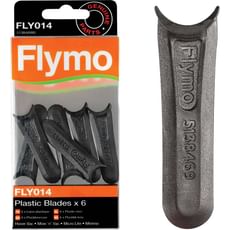
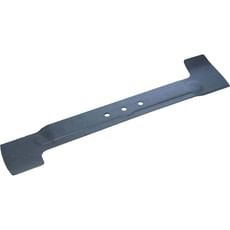

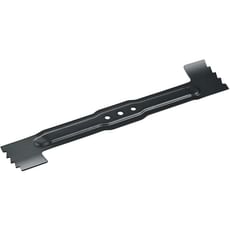
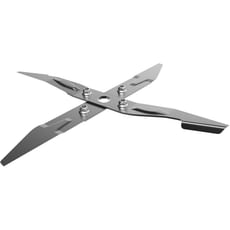
 Loading...
End of content
Error - No more pages to load
About Lawnmower Blades
Maintaining a healthy, professional-looking lawn depends on having sharp, properly fitted lawnmower blades that deliver clean cuts rather than tearing the grass. A blunt or damaged blade leaves ragged edges that turn brown and make your lawn susceptible to disease and stress. Tooled-Up.com stocks an extensive selection of replacement lawnmower blades compatible with all major brands including Flymo, Bosch, Black & Decker, Qualcast, Einhell, and DeWalt. Whether you're maintaining a domestic garden or managing multiple commercial properties, having the correct replacement blade ensures optimal cutting performance and extends the life of your mower.
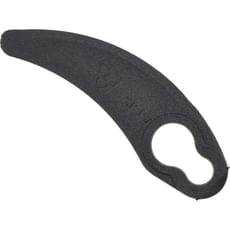
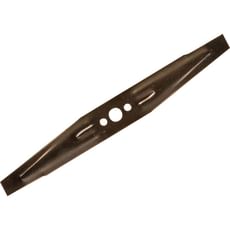
The range at Tooled-Up includes both metal and plastic lawnmower blades in various cutting widths, from compact 250mm (10") blades for hover mowers through to robust 420mm (16.5") blades for larger rotary models. Metal blades offer exceptional durability and can be resharpened multiple times, making them ideal for tackling tougher grass conditions, uneven terrain, and professional applications. Plastic blades provide a lighter, safer alternative particularly suited to hover mowers and domestic use around flower beds and garden edges, though they require more frequent replacement as they cannot be resharpened.
Regular blade replacement is essential for maintaining both lawn health and mower efficiency. Professional groundskeepers typically replace blades monthly during peak growing season, whilst domestic users should change blades at least once per season or after approximately 25 hours of mowing. The selection includes genuine manufacturer replacement blades alongside high-quality compatible alternatives from ALM Manufacturing, offering cost-effective options without compromising on cutting performance or safety.
Jargon Buster
- Cutting Width: The measurement across the blade from tip to tip, typically expressed in millimetres or inches, which determines the width of grass cut in a single pass. Common sizes range from 250mm to 420mm, and replacement blades must match your mower's specification exactly.
- Hover Blade: A lightweight blade, usually manufactured from plastic, designed specifically for hover mowers that float on a cushion of air. These blades are safer and quieter than metal alternatives and are less likely to cause damage if they strike hidden objects.
- Boss Hole Diameter: The central fixing hole in the blade that fits onto the motor shaft or mounting spindle. This critical measurement must match your mower's specification precisely for safe, secure fitting and to prevent dangerous wobble or blade detachment during operation.
- Mulching Blade: A specially designed blade with additional cutting edges that chops grass clippings into fine particles, allowing them to decompose quickly and return nutrients to the lawn rather than requiring collection in a grass box.
- Blade Balance: The equal weight distribution across a blade's length, essential for preventing vibration that can damage motor bearings, cause excessive noise, and lead to premature wear on the mower's drive components.
- Metal Blade: A robust steel cutting blade offering superior durability and cutting performance, particularly effective for thicker grass, rougher terrain, and commercial applications. These blades can be resharpened multiple times before requiring replacement.
Who Uses Lawnmower Blades?
- Professional Gardeners & Landscapers: Tradespeople maintaining multiple properties who require reliable replacement blades to minimise downtime during peak growing seasons and ensure consistent cutting quality across all sites.
- Groundskeepers: Those responsible for maintaining sports pitches, golf courses, public parks, and commercial grounds who demand professional-grade cutting performance and durability.
- Property Maintenance Companies: Contractors managing estates, housing developments, and commercial properties requiring cost-effective blade replacements and ready availability of common sizes.
- Garden Centre Staff: Retail and trade professionals who service and repair customer equipment and need access to a comprehensive range of replacement parts for various mower brands.
- DIY Enthusiasts & Homeowners: Garden-proud individuals who prefer to maintain their own equipment and ensure their lawns receive clean, professional-quality cuts throughout the growing season.
- Agricultural Workers: Farm maintenance staff responsible for keeping grass paddocks, orchards, field margins, and access areas properly maintained.
- Facilities Managers: Those overseeing grounds maintenance for schools, hospitals, office parks, care homes, and other institutional properties.
How to Choose the Right Lawnmower Blades
Identify Your Mower Model: The most critical step is confirming your exact mower make and model number, typically found on a label underneath the deck, on the motor housing, or in the owner's manual. This ensures you select a blade with the correct cutting width, centre hole diameter, blade thickness, and fixing specifications for safe, proper fitment.
Metal vs Plastic Blades: Metal blades suit rotary mowers and tougher cutting conditions, offering longevity and the ability to be resharpened 3-5 times before replacement is necessary. They're ideal for professional use and challenging terrain. Plastic blades are safer for hover mowers, quieter in operation, and tend to cause less damage to the mower if they strike hidden objects like stones or tree roots, though they require more frequent replacement as they cannot be resharpened.
Measure Cutting Width Accurately: Replacement blades must match your mower's cutting width precisely. Common sizes include 300mm-320mm for compact models, 350mm for mid-range domestic mowers, and 400mm-420mm for larger garden tractors. An incorrectly sized blade won't fit safely, won't deliver proper cutting performance, and could detach during operation causing serious injury.
Consider Your Grass Conditions: If you regularly mow long, thick, damp, or coarse grass, opt for robust metal blades with good lift characteristics to ensure efficient cutting and clipping discharge. For fine, regularly maintained lawns, standard replacement blades will suffice. Consider mulching blades if you prefer to leave finely chopped clippings on the lawn to return nutrients to the soil.
Check Compatibility Information: Whilst genuine manufacturer blades guarantee perfect fitment, quality alternatives from brands like ALM Manufacturing often provide excellent compatibility at lower cost. Always verify the replacement blade matches your mower's specifications including mounting hole configuration, blade offset, and thickness. Product descriptions typically list compatible models clearly.
Plan for Seasonal Maintenance: Professional users should consider purchasing multiple blades at the start of the season to avoid downtime when blades become dull. Keeping a spare blade on hand allows you to swap out blunt blades immediately and sharpen them during quieter periods rather than losing productive mowing time.
Popular Accessories
- Blade Sharpening Tools: Files, bench grinders, angle grinders with appropriate discs, and dedicated blade sharpening jigs to restore cutting edges and extend blade life between replacements.
- Blade Balancers: Essential tools for checking blade balance after sharpening to prevent dangerous vibration and motor damage. These simple devices ensure equal weight distribution across the blade.
- Blade Removal Tools: Specialised spanners, socket sets, and blade locking tools designed to safely remove and install lawnmower blades whilst preventing damage to fixings and keeping hands clear of sharp edges.
- Work Gloves: Heavy-duty protective gloves with reinforced palms essential when handling sharp mower blades during replacement, maintenance, or sharpening operations.
- Blade Fixings Kits: Replacement bolts, nuts, washers, and securing hardware that should be renewed periodically for safe blade retention, particularly after multiple blade changes or if fixings show corrosion.
- Wire Brushes: For cleaning the underside of the mower deck and removing compacted grass clippings that can affect cutting performance and cause corrosion.
- Mower Service Kits: Complete maintenance packages including air filters, spark plugs, engine oil, and replacement blades for comprehensive servicing of petrol mowers.
Safety Information
Always Disconnect Power: Before replacing, inspecting, or sharpening lawnmower blades, disconnect the spark plug lead on petrol mowers or remove the battery pack and unplug electric models from the mains. Never work on blades whilst the power source is connected, as accidental starting can cause severe injury or death.
Wear Appropriate PPE: Heavy-duty work gloves with cut-resistant properties are essential when handling blades. Safety glasses or a face shield protect against flying debris when removing corroded fixings, cleaning the deck area, or grinding blades. Steel toe cap boots provide additional protection against dropped blades.
Secure the Blade Properly: After fitting a replacement blade, ensure all fixings are tightened securely, ideally to the manufacturer's specified torque setting using a torque wrench. A loose blade can detach during operation, becoming a dangerous projectile capable of causing serious injury or property damage. Check blade tightness regularly, especially after the first few uses following installation.
Check Blade Condition Regularly: Inspect blades before each use for cracks, excessive wear, bending, or damage from striking objects. A compromised blade can shatter during operation, sending sharp fragments at high velocity. Replace immediately if you discover any damage – never attempt to weld, straighten excessively bent blades, or repair cracked blades, as this creates dangerous weak points.
Handle with Care: Lawnmower blades have extremely sharp edges capable of inflicting deep lacerations. Always grip blades by their dull edges and store them safely away from children in a secure location. When disposing of old blades, wrap them securely in thick cardboard or similar protective material to prevent injury to waste handlers, clearly marking packages as containing sharp items.
Balance is Critical: An unbalanced blade creates dangerous vibration that can damage motor bearings, loosen fixings, and potentially cause the blade to detach during operation. Always check balance after sharpening or when fitting new blades using a proper blade balancer. If a blade cannot be balanced by removing small amounts of metal from the heavier end, replace it rather than risk damage or injury.
Frequently Asked Questions
How often should I replace my lawnmower blade?
For domestic users mowing a typical garden weekly, replace your blade at least once per season or after approximately 25 hours of mowing. Professional users may need to replace blades monthly during peak growing season or after 40-50 hours of use. Signs that replacement is needed include ragged grass cuts with brown edges, excessive vibration, visible damage such as cracks or deep nicks, or if the blade has been sharpened so many times that it's become noticeably thinner and can no longer hold a sharp edge effectively.
Can I sharpen my lawnmower blade instead of replacing it?
Yes, metal blades can typically be resharpened 3-5 times before replacement becomes necessary, making this a cost-effective maintenance practice. However, blades that are badly nicked, cracked, bent more than a few degrees, or worn very thin (less than 2-3mm at the thinnest point) should be replaced rather than sharpened for safety reasons. Plastic blades cannot be sharpened and must be replaced when they become dull or damaged. Always check blade balance after sharpening to prevent vibration.
What's the difference between metal and plastic lawnmower blades?
Metal blades are more durable, can be resharpened multiple times, handle tough cutting conditions better including long or damp grass, and are ideal for rotary mowers and professional applications. Plastic blades are significantly lighter, safer as they're less likely to cause serious injury if they strike hidden objects, considerably quieter in operation, and commonly used on hover mowers. They're also less expensive but require more frequent replacement as they cannot be resharpened and wear faster than metal alternatives.
Will a replacement blade from ALM fit my branded mower?
ALM Manufacturing produces high-quality compatible replacement blades for most major mower brands including Flymo, Bosch, Black & Decker, Qualcast, and many others. Each ALM blade clearly states which models it fits in the product description. Always check the compatibility information carefully and compare cutting width, centre hole (boss) diameter, blade thickness, and overall dimensions with your original blade specifications to ensure proper fitment and safe operation.
Why does my mower vibrate excessively after fitting a new blade?
Excessive vibration usually indicates the blade isn't balanced correctly, hasn't been fitted properly, or is damaged. Remove the blade and check it's correctly orientated with cutting edges facing the direction of rotation (usually trailing edges angled downward). Verify all fixings are tight to the correct torque and the blade sits completely flat against the mounting boss without any gaps or debris. Check the blade isn't bent and test with a blade balancer. If vibration persists with a correctly installed, balanced blade, the motor shaft or mounting spindle may be bent, requiring professional repair.