

Lay Flat Hoses

Pay in 3 interest-free payments on purchases from £20-£3000 with  . Learn more.

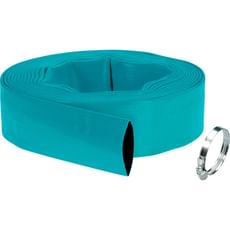
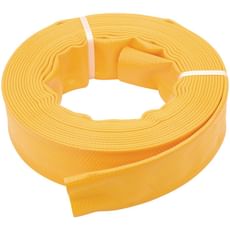
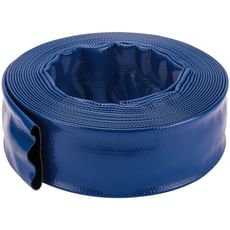
 Loading...
End of content
Error - No more pages to load
About Lay Flat Hoses
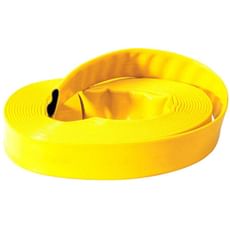
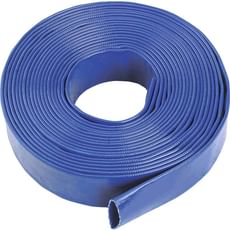
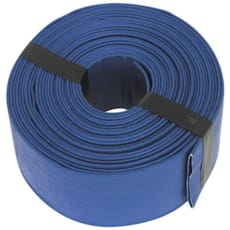
Lay flat hoses are specialist water transfer equipment designed to collapse completely flat when not pressurised, making them exceptionally space-efficient for storage and transport. Unlike conventional garden hoses that retain their circular profile, these ingenious designs reduce storage requirements by up to 80% when drained and emptied. Manufactured from durable PVC or reinforced synthetic materials, they combine the ability to handle high water pressures with lightweight flexibility during operation, making them ideal for construction sites, agricultural applications, and emergency drainage work.
The selection at Tooled-Up.com includes both standard duty and heavy duty lay flat hoses compatible with various water pump types, from submersible pumps to surface-mounted transfer pumps. Available in multiple lengths and diameters—typically ranging from 25mm (1") to 75mm (3")—these hoses are engineered to handle different flow rates and pressure requirements. Whether you require a straightforward replacement hose or a complete connection kit with adaptors and couplings, the range features trusted brands including Draper, Sirius, Gardena, Karcher, and Sealey.
The versatility of lay flat hoses makes them indispensable across numerous professional and domestic applications. From construction site dewatering and agricultural irrigation to flood control and emergency water removal, their robust construction allows them to be dragged across rough terrain without damage. Their exceptional flexibility enables them to navigate around obstacles that would prove problematic for rigid piping systems, whilst maintaining excellent flow rates and pressure performance.
Jargon Buster
- Lay Flat Design: A hose construction that allows complete flattening when not pressurised, enabling compact storage and easy transportation without the bulk of traditional hoses.
- Working Pressure: The maximum water pressure (measured in PSI or bar) that the hose can safely handle during continuous operation. Heavy duty hoses typically offer higher working pressures than standard duty models.
- Burst Pressure: The pressure at which the hose will fail catastrophically. This is typically three to four times higher than the working pressure and represents the absolute maximum the hose can withstand.
- Camlock/Storz Couplings: Quick-connect fittings that allow rapid attachment and detachment of hoses without tools, essential for applications requiring frequent connection changes.
- Discharge Hose: Another term for lay flat hose, referring to its primary function of discharging or transferring water from pumps to the desired location.
- Reinforced Construction: Internal or external strengthening using woven polyester or similar materials that increases the hose's resistance to kinking, abrasion, and pressure-related failures.
Who Uses Lay Flat Hoses?
Lay flat hoses are utilised by a diverse range of professionals and organisations:
- Construction Workers and Site Managers: For dewatering excavations, foundation work, and managing surface water on building sites
- Farmers and Agricultural Workers: For irrigation systems, livestock watering, and slurry management
- Groundworkers and Landscapers: For water transfer during landscaping projects and irrigation installation
- Facilities Maintenance Teams: For managing water systems in commercial and industrial buildings
- Emergency Services: Fire brigades and flood response teams for water management during emergencies
- Hire Companies: Equipment rental businesses supplying pump and hose packages
- Swimming Pool Installers and Maintenance: For filling, draining, and backwashing operations
- Marine and Boating Professionals: For bilge pumping and boat maintenance
- Local Authorities and Councils: For drainage maintenance and flood prevention work
- DIY Enthusiasts: For home projects involving water pumps, pond management, and drainage solutions
How to Choose the Right Lay Flat Hoses
Hose Diameter: Select the diameter that matches your pump's outlet size for optimal flow rates. Common sizes include 25mm (1"), 32mm (1¼"), 50mm (2"), and 75mm (3"). Using an undersized hose will restrict flow and reduce pump efficiency significantly.
Duty Rating: Standard duty hoses are suitable for occasional use and lower pressure applications, whilst heavy duty models feature reinforced construction for frequent use, higher pressures, and more demanding environments. Consider how often you'll use the hose and the working conditions it will face.
Length Requirements: Measure the distance you need to cover and add extra length for flexibility. Common lengths range from 5 to 30 metres. Remember that longer hoses can result in pressure loss, so use the shortest practical length for best performance.
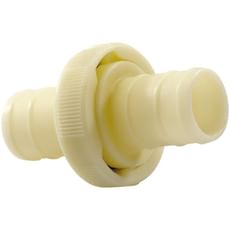
Connection Compatibility: Ensure the hose comes with appropriate fittings for your pump, or purchase separate coupling adaptors. Check whether you need threaded connections, camlocks, or quick-release fittings compatible with your existing equipment.
Material Quality: Look for UV-resistant PVC construction if the hose will be exposed to sunlight. Reinforced hoses with woven polyester layers offer superior durability and abrasion resistance for professional applications.
Working Pressure: Match the hose's working pressure rating to your pump's output pressure. For safety and longevity, choose a hose with a working pressure that exceeds your pump's maximum pressure by at least 20%.
Popular Accessories
- Hose Coupling Adaptors: Connect hoses to pumps with different thread types or sizes
- Camlock Connectors: Quick-release couplings for rapid hose connection and disconnection
- Hose Repair Kits: Emergency repair solutions for damaged sections
- Strainer Baskets: Prevent debris from entering and blocking the hose
- Hose Reels: Simplify storage and extend hose life by preventing kinking during storage
- Submersible Pumps: Essential partners for lay flat hoses in water transfer applications
- Jubilee Clips: Secure connections between hoses and fittings
- End Caps and Blanking Plugs: Seal hose ends when not connected
- Y-Connectors: Split one pump output to multiple hoses
Safety Information
Always inspect lay flat hoses before use for signs of damage, wear, or deterioration. Cuts, abrasions, or weak spots can lead to sudden failure under pressure, potentially causing injury or property damage. Never exceed the manufacturer's stated working pressure, and ensure all connections are properly secured with appropriate clips or couplings.
When pressurising a lay flat hose, ensure it's fully extended and free from kinks or twists that could cause weak points or restrict flow. Keep the hose away from sharp edges, hot surfaces, and moving machinery that could damage it during operation. Always depressurise and drain the hose completely before disconnecting, storing, or attempting repairs.
Be aware of trip hazards when laying hoses across walkways or work areas. Use warning signs or barriers where appropriate to prevent accidents. In accordance with HSE guidelines for work site safety, ensure adequate risk assessments are completed for water transfer operations, particularly in excavations or confined spaces.
Frequently Asked Questions
What's the difference between standard duty and heavy duty lay flat hoses?
Heavy duty lay flat hoses feature reinforced construction with additional woven polyester layers, making them more resistant to abrasion, higher pressures, and frequent use. They're ideal for professional contractors and demanding applications. Standard duty hoses are suitable for occasional use and lighter applications, offering good value for DIY projects and infrequent water transfer needs.
Can I use lay flat hoses with any water pump?
Lay flat hoses are compatible with most water pumps, provided the hose diameter matches your pump's outlet size and the hose's working pressure rating exceeds your pump's output pressure. You may need coupling adaptors to connect different thread types. Always check compatibility before purchasing to ensure proper fit and safe operation.
How should I store lay flat hoses to maximise their lifespan?
After use, drain the hose completely and allow it to dry before storage to prevent mould and material degradation. Store in a cool, dry location away from direct sunlight, as UV exposure can weaken PVC materials over time. Avoid folding or creasing the hose sharply; instead, roll it loosely or use a hose reel. Keep it away from chemicals, oils, and sharp objects that could cause damage.
What length of lay flat hose do I need?
Measure the maximum distance between your pump and discharge point, then add 10-20% extra length to allow for routing around obstacles and some flexibility in positioning. Avoid using excessively long hoses as this increases friction loss and reduces flow efficiency. For very long distances, consider using a larger diameter hose to maintain adequate flow rates.
Are lay flat hoses suitable for use with drinking water?
Some lay flat hoses are manufactured from food-grade materials suitable for potable water transfer, but not all models meet these standards. If you need to transfer drinking water, specifically look for hoses certified for potable water use and complying with relevant UK water regulations. For non-potable applications such as site dewatering or irrigation, standard lay flat hoses are perfectly adequate.