

Lead Dressers

Pay in 3 interest-free payments on purchases from £20-£3000 with  . Learn more.
 Loading...
End of content
Error - No more pages to load
About Lead Dressers
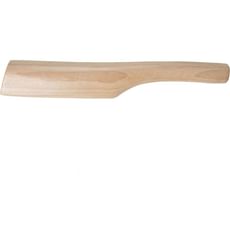
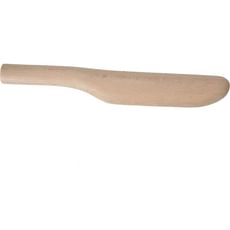
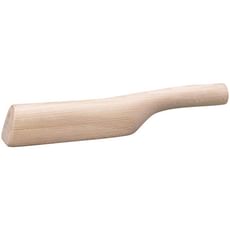
Lead dressers are specialised hand tools essential for working with sheet lead in roofing, plumbing, and heritage restoration applications. These traditional tools allow tradespeople to shape, form, and manipulate lead sheet without causing damage or creating stress points that could lead to future leaks or failures. Whether forming lead flashings around chimneys, creating weatherproof joints, or dressing lead into complex architectural details, having the right lead dressing tools is crucial for achieving professional, long-lasting results that meet UK building standards.
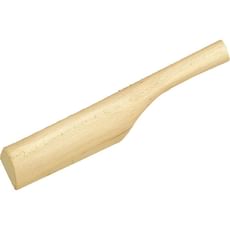
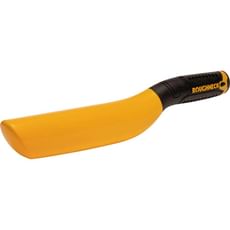
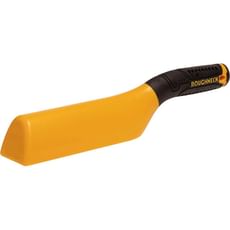
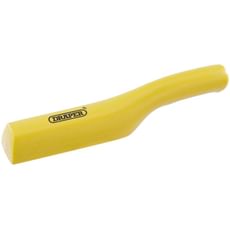
Tooled-Up.com stocks a comprehensive range including individual lead dressers, bossing sticks, setting-in sticks, chase wedges, and complete lead dressing sets from trusted brands including Roughneck, Monument, Draper, and Faithfull. Traditional beechwood tools remain the gold standard for lead work, as the natural material won't damage the soft metal surface whilst providing the necessary firmness for shaping. Modern alternatives feature durable composite materials such as PE plastic designed to withstand the demands of daily site work whilst maintaining the precision required for quality lead work on both residential and commercial projects.
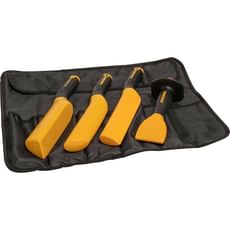
From single tools for occasional repairs to complete professional sets like the Roughneck Pro 4 Piece Lead Dressing Set for roofers and heritage restoration specialists, the selection at Tooled-Up caters to both experienced leadworkers and those learning traditional roofing techniques. Quality lead dressing tools are an investment that will last throughout your career when properly maintained, making them essential kit for anyone regularly working with Code 4 or Code 5 lead sheet.
Jargon Buster
- Bossing Stick: A rounded tool used for general shaping and smoothing of lead sheet, particularly useful for forming curved profiles and working lead into corners without creating sharp creases or stress points.
- Setting-In Stick: A tool with a flat, square edge designed specifically for pushing lead firmly into corners, angles, and tight spaces such as chimney abutments and step flashings where precise forming is required.
- Chase Wedge: A wedge-shaped tool used to drive lead into mortar chases (grooves cut into brickwork) to secure flashing in place before pointing, essential for weatherproof installations.
- Lead Dresser: A general-purpose tool with a rounded or flat profile used for smoothing and shaping lead sheet during installation and repair work, suitable for a variety of forming tasks.
- Bending Stick: A tool designed to create clean, controlled bends in lead sheet without causing stress fractures or thinning the material at fold points, particularly important for complex details.
- Code 4/Code 5 Lead: British Standard thickness classifications for sheet lead; Code 4 (1.8mm) and Code 5 (2.24mm) are the most common weights used in UK roofing applications, with Code 5 typically specified for exposed locations.
Who Uses Lead Dressers?
- Roofers and Roofing Contractors: For installing and repairing lead flashings, valleys, soakers, and weatherings on residential and commercial properties throughout the UK.
- Heritage and Conservation Specialists: Working on listed buildings, churches, and historic properties where traditional lead roofing techniques must be preserved and replicated to conservation standards.
- Plumbers: For forming lead pipes, joints, and weathering details in traditional plumbing installations and repairs, particularly in period properties.
- General Builders: Tackling chimney work, dormer window flashings, and other lead detailing as part of broader construction and extension projects.
- Property Maintenance Teams: Maintaining and repairing existing lead work on commercial and residential buildings as part of ongoing maintenance programmes.
- DIY Enthusiasts: Homeowners undertaking their own roof repairs or restoration projects requiring lead work skills and appropriate tools.
- Architectural Metalworkers: Creating bespoke lead details for high-end residential and commercial projects requiring specialist fabrication.
How to Choose the Right Lead Dressers
Selecting the appropriate lead dressing tools depends on the type and scope of work you regularly undertake. For professional roofers working with lead daily, investing in a complete lead dressing set such as the Roughneck Pro 4 Piece Lead Dressing Set provides all the essential tools in one package, ensuring you're equipped for any situation on site. These sets typically include a bossing stick, setting-in stick, chase wedge, and general dresser, covering the full range of forming operations.
Material choice significantly impacts tool performance and longevity. Traditional beechwood tools like those from Monument and Faithfull offer excellent feel and control, with the natural wood grain providing just the right amount of grip without marking the lead surface. Beech is dense enough to apply firm pressure yet won't damage soft lead sheet. Modern composite tools from brands like Roughneck Pro and Draper offer enhanced durability and weather resistance, particularly beneficial for tools frequently exposed to the elements on exposed roofwork. PE plastic tools can withstand moisture and temperature variations better than wood whilst maintaining the soft contact surface necessary for quality lead work.
Consider the size and weight of your tools relative to the work you do. Larger, heavier dressers provide more force for working thicker lead sheets (Code 5 and above), whilst lighter tools offer better control for delicate detail work and thinner materials. The length of bossing sticks and setting-in sticks affects reach into difficult areas – longer tools help with deep chases and awkward corners around chimney stacks. Contoured handles with good knuckle clearance improve comfort during extended use and reduce fatigue on all-day projects.
For those new to lead work or only occasionally working with lead, starting with individual essential tools like a bossing stick and setting-in stick from Draper or Faithfull represents a cost-effective entry point. You can expand your toolkit as your skills and requirements develop. Professional leadworkers should maintain both working sets for everyday site use and quality tools reserved for precision work on high-specification heritage projects where tool marks could compromise the finished appearance.
Popular Accessories
- Lead Working Mallets: Wooden or hide-faced mallets for striking lead dressers without damaging the tool or disturbing the lead surface during forming operations.
- Lead Knives and Shears: For cutting sheet lead to size before dressing and installation, essential for creating accurate flashings and weatherings.
- Measuring and Marking Tools: Steel rules, squares, and marking tools for accurate lead cutting and positioning to ensure weatherproof installations.
- Lead Sealants and Patination Oil: For weatherproofing joints and accelerating the natural weathering process of new lead to match existing work.
- Tool Storage Solutions: Canvas tool rolls or rigid toolboxes to protect lead dressers during transport and storage, preventing damage to working edges.
- Work Gloves: Cut-resistant gloves providing protection when handling sharp lead edges whilst maintaining the dexterity required for precision work.
- Sash Cord and Lead Tacks: Traditional fixings for securing lead in position during dressing and installation before permanent fixing.
Safety Information
Working with lead requires awareness of health risks associated with lead exposure. Always follow HSE guidelines when cutting, burning, or working with lead sheet. Ensure adequate ventilation when working indoors or in confined spaces, and never use heat sources near lead dressing operations as lead fumes are toxic and can cause serious health problems with repeated exposure. Wash hands thoroughly before eating, drinking, or smoking, and never consume food or beverages in areas where lead work is taking place to avoid ingestion of lead particles.
Wear appropriate PPE including cut-resistant gloves when handling sheet lead with sharp edges. Safety footwear is essential when working at height on roofing applications, and always use properly erected scaffolding or roof access equipment compliant with Work at Height Regulations 2005. Store lead dressers properly to prevent tripping hazards on site, and inspect wooden tools regularly for splits or damage that could cause splinters or tool failure during use, particularly important with beechwood handles that may dry out over time.
Dispose of lead waste responsibly through licensed waste carriers – lead is a controlled waste material under UK regulations and must not be placed in general site skips. Keep lead dressers clean and free from lead residue build-up, wiping tools down after use with a dry cloth to minimise lead dust exposure during future handling. Consider blood lead level monitoring if you work with lead sheet regularly as part of your occupational health surveillance programme.
Frequently Asked Questions
What's the difference between a bossing stick and a setting-in stick?
A bossing stick has a rounded profile designed for general shaping and smoothing of lead sheet, particularly useful for curved work and corners. A setting-in stick features a flat, square edge specifically for pushing lead firmly into tight angles, chases, and abutments. Most professional leadworkers need both tools for comprehensive lead work, which is why complete sets like the Roughneck Pro 4 Piece Lead Dressing Set include both types alongside other essential tools.
Do I need wooden or composite lead dressers?
Traditional beechwood tools from Monument and Faithfull remain the professional's choice for their excellent feel, control, and natural properties that won't mark lead. However, modern composite and PE plastic tools from brands like Roughneck Pro and Draper offer superior durability and weather resistance for tools frequently left on exposed roofwork. Many tradespeople maintain both types – composites for general site work and quality wooden tools for precision applications where feel and control are paramount.
Can I use lead dressers on other metals?
Whilst some lead dressers are described as suitable for beating sheet copper, zinc, and aluminium onto flat surfaces, lead dressers are primarily designed for the soft, malleable properties of lead sheet. Using them on significantly harder metals may damage both the tool and the material. Different metals have varying hardness levels and working characteristics, so always check manufacturer guidance before using lead dressers on alternative materials to avoid tool damage or poor results.
How do I maintain wooden lead dressers?
Clean wooden lead dressers after each use with a dry cloth to remove lead residue and prevent build-up. Occasionally treat beechwood tools with linseed oil to prevent drying and cracking, but avoid over-oiling which can transfer marks to lead surfaces during use. Store in a dry location away from moisture and inspect regularly for splits or damage. Never leave wooden tools exposed to prolonged moisture which can cause swelling and warping, potentially ruining the carefully shaped working surfaces.
What tools do I need to start lead work?
At minimum, you'll need a bossing stick for general shaping, a setting-in stick for corners and angles, and a chase wedge for securing lead into brickwork chases. A complete lead dressing set provides all essential tools and represents good value for those regularly working with lead sheet on roofing projects. Add a lead knife or shears for cutting, a hide mallet for striking dressers, and appropriate safety equipment including gloves and respiratory protection to create a functional lead working toolkit that meets HSE requirements for lead work.