

Leaf Vacuums
Pay in 3 interest-free payments on purchases from £30-2000 with  . Learn more.
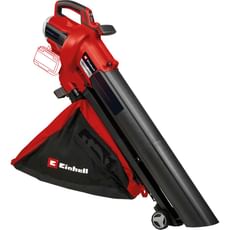
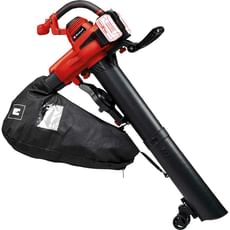
Einhell Professional VENTURRO 36/240 36v Cordless Leaf Blower and Vacuum
in stock
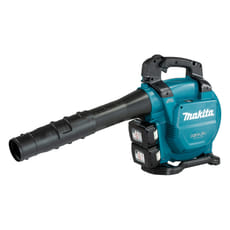
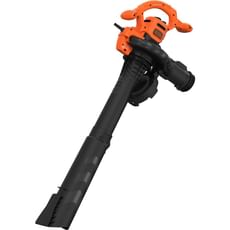
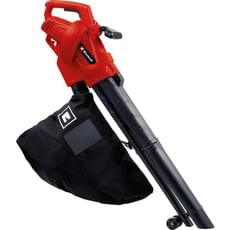
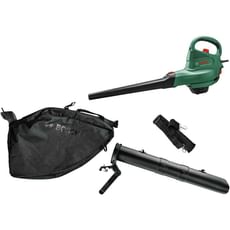
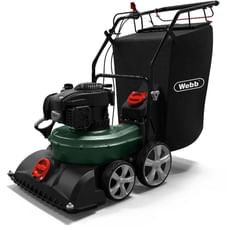
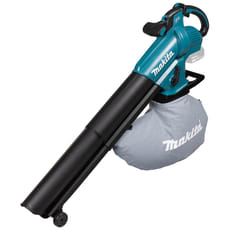
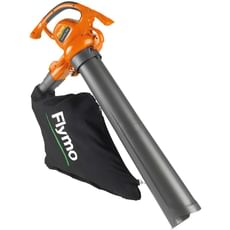
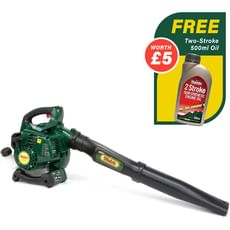
 Loading...
End of content
Error - No more pages to load
About Leaf Vacuums
Leaf vacuums are versatile garden maintenance tools that combine powerful suction, blowing, and mulching capabilities to tackle autumn leaf fall and year-round garden debris. These multi-functional machines excel at collecting fallen leaves, grass clippings, twigs, and other garden waste whilst simultaneously shredding material through integrated metal or plastic impellers. Most models offer three-in-one functionality, allowing users to switch between vacuum mode for collecting debris, blower mode for clearing larger areas, and mulching mode to reduce waste volume by ratios of up to 16:1. This makes them indispensable for maintaining pristine lawns, patios, driveways, borders, and pathways throughout the changing seasons.
The selection at Tooled-Up.com spans corded electric, cordless battery-powered, and petrol variants to suit different property sizes and user requirements. Electric models from trusted brands like Bosch, Black and Decker, and Einhell provide reliable performance for small to medium gardens, typically operating at 240v mains power with outputs ranging from 2000W to 3000W. Cordless options from Makita, Greenworks, and Gardena deliver unrestricted mobility using 18v, 36v, or 48v battery platforms, ideal for properties without convenient mains access or where cable management proves impractical. Professional landscapers and grounds maintenance teams often favour petrol-powered units like those from Draper and Webb, which deliver sustained high performance for all-day operation across extensive sites.
Modern leaf vacuum designs prioritise user comfort and operational efficiency with ergonomic features including adjustable shoulder straps, backpack-style collection systems, and variable speed controls. Advanced models incorporate brushless motor technology for improved efficiency and extended service life, whilst robust metal impellers provide superior mulching performance compared to plastic alternatives. Collection bag capacities typically range from 35 to 50 litres, with quick-release mechanisms enabling rapid emptying during intensive clearing sessions. Many units also feature tool-free mode switching and adjustable nozzle tubes for reaching awkward spaces such as guttering, conservatory roofs, and tight corners around garden furniture.
Jargon Buster
- Air Volume (m³/min): The measurement of airflow capacity indicating how much air the machine can move per minute. Higher volumes (typically 8-15 m³/min) provide more effective collection of leaves and debris, particularly important when dealing with heavy autumn leaf fall or damp conditions.
- Mulching Ratio: Expressed as figures such as 10:1 or 16:1, this indicates the volume reduction achieved by the shredding mechanism. A 16:1 ratio means sixteen bags of whole leaves are compressed into one bag of mulched material, significantly reducing disposal requirements and creating compost-ready fragments.
- Blow Speed (km/h): The maximum air velocity when operating in blower mode, typically ranging from 200-320 km/h. Higher speeds prove essential for shifting wet leaves, compacted debris from paving gaps, and stubborn material lodged in corners and borders.
- Collection Capacity (litres): The volume of the integrated collection bag or box, affecting operational efficiency during extended use. Capacities typically range from 35-50 litres, with larger bags reducing the frequency of emptying interruptions on properties with heavy leaf coverage.
- Variable Speed Control: An adjustable power setting allowing operators to match suction or blowing force to specific tasks. This conserves battery life on cordless models, reduces noise levels in residential areas, and prevents damage to delicate plantings when working around borders.
- Metal Impeller: A robust steel or aluminium fan blade assembly that shreds collected material into fine mulch. Metal impellers offer superior durability when processing twigs, conifer needles, and tougher garden waste compared to plastic alternatives, making them essential for professional applications.
Who Uses Leaf Vacuums?
- Professional gardeners and landscaping contractors maintaining multiple residential and commercial properties
- Grounds maintenance teams responsible for parks, schools, sports facilities, business parks, and local authority spaces
- Estate managers and grounds staff caring for country estates, National Trust properties, and large private gardens
- Property maintenance contractors providing seasonal garden clearance and grounds care services
- Golf course and bowling green maintenance crews clearing playing surfaces of leaf debris
- Homeowners with medium to large gardens, particularly those with numerous deciduous trees generating heavy autumn leaf fall
- Allotment holders managing seasonal debris, preparing growing spaces, and maintaining communal pathways
- Garden centre and nursery staff maintaining customer areas, display gardens, and car parks
- Facilities management teams caring for hotel grounds, holiday parks, and hospitality venues
- Cemetery and churchyard maintenance teams keeping memorial grounds tidy throughout the year
How to Choose the Right Leaf Vacuums
Power Source Selection: Corded electric models suit gardens up to 500 square metres within 50 metres of a 240v power outlet, offering consistent performance and lower running costs without battery limitations. Brands like Bosch, Einhell, and Black and Decker provide reliable 2000-3000W options with effective mulching capabilities. Cordless leaf vacuums deliver unrestricted movement ideal for properties without convenient mains access, though battery runtime (typically 15-45 minutes depending on voltage and capacity) requires consideration. The Tooled-Up range includes 18v options for lighter domestic use and powerful 36-48v systems for professional applications. Petrol variants provide unlimited runtime and maximum power for extensive properties and all-day commercial operation, though they demand more maintenance and produce emissions.
Garden Size and Debris Volume: Small gardens under 300 square metres work effectively with lightweight 2000-2500W electric models or compact 18v cordless units. Medium gardens benefit from 3000W corded options or 36-40v cordless systems with larger collection capacities and extended runtime. Extensive properties, professional landscaping work, and sites with heavy leaf coverage from mature deciduous trees require petrol power or high-capacity 48v cordless systems with spare batteries for uninterrupted operation.
Collection and Mulching Performance: Prioritise generous collection bag capacities (45-50 litres) to minimise emptying frequency during intensive clearing sessions. Metal impellers provide superior shredding performance and longevity compared to plastic alternatives, particularly important when processing twigs, conifer needles, and tougher materials. High mulching ratios (12:1 or greater) dramatically reduce waste volume requiring disposal, creating fine compost-ready material suitable for mulching borders or adding to compost bins.
Versatility and Operational Features: Three-in-one models offering vacuum, blower, and mulching modes deliver maximum flexibility for various maintenance tasks throughout the gardening calendar. Tool-free mode switching accelerates operational efficiency, whilst variable speed controls allow precise power adjustment for different materials and situations. Consider models with cruise control features for reduced trigger fatigue during extended operation, and look for quick-release collection bags with zip openings for rapid emptying.
Ergonomics and User Comfort: Weight significantly impacts user fatigue during prolonged operation—electric models typically weigh 3-5kg, cordless units 3-6kg, and petrol versions can exceed 10kg when fuelled. Padded adjustable shoulder straps, backpack-style collection systems, and balanced weight distribution reduce physical strain during extended clearing sessions. Soft-grip handles, anti-vibration features, and tube length adjustment enhance comfort and control, particularly important when reaching overhead gutters or working around awkward borders and garden furniture.
Popular Accessories
- Spare rechargeable batteries and rapid chargers for extended cordless runtime on large properties
- Additional collection bags enabling quick swapping during heavy-duty clearing without operational interruption
- Extension tubes and specialist nozzle attachments for reaching roof gutters and conservatory valleys
- Gutter cleaning kits with curved tubes allowing safe clearance of roof guttering from ground level
- Wheeled collection systems and trolley attachments for large-scale professional leaf clearing operations
- Replacement mulching impellers, shredder blades, and blower fan assemblies for maintaining peak performance
- Protective equipment including safety goggles, ear defenders, work gloves, and dust masks
- Heavy-duty outdoor extension leads with RCD protection rated for 240v garden power tool use
- Weatherproof storage solutions and wall-mounted brackets for organised off-season tool storage
- Garden waste bags, composters, and wheelbarrows for efficient disposal and composting of collected material
Safety Information
Always wear appropriate personal protective equipment when operating leaf vacuums, including impact-resistant safety goggles to protect against flying debris, ear defenders for noise protection (particularly essential with petrol models exceeding 85dB), and sturdy work gloves with good grip. Thoroughly inspect gardens before operation, removing stones, glass fragments, metal objects, and other hard items that could be propelled at dangerous velocities or damage the impeller mechanism. When using corded electric models, always employ a 240v RCD-protected extension lead rated for outdoor use with appropriate IP weatherproofing, and never operate during wet conditions or when standing on damp surfaces.
Disconnect the power source, remove the battery, or switch off the petrol engine before performing any maintenance tasks, clearing blockages, changing collection bags, or switching between operational modes. Keep the vacuum intake nozzle away from loose clothing, long hair, jewellery, and body parts during operation to prevent entanglement injuries. When using petrol models, refuel outdoors in well-ventilated areas away from ignition sources, naked flames, and hot surfaces, always allowing the engine to cool completely before adding fuel. Follow HSE guidance regarding noise exposure limits during professional use, implementing hearing protection and taking regular breaks during extended operation periods.
Be aware of bystanders, children, and pets when operating in blower mode, as high-velocity air can propel debris considerable distances. Avoid pointing the blower nozzle towards people, animals, windows, or vehicles. When working on slopes or uneven terrain, maintain secure footing and be conscious of balance, particularly when wearing backpack collection systems. Store machines in dry, secure locations away from children, and conduct regular maintenance checks of cables, batteries, and mechanical components according to manufacturer guidelines to ensure safe, reliable operation throughout the working season.
Frequently Asked Questions
Can leaf vacuums handle wet leaves effectively?
Most leaf vacuums can manage damp or moderately wet leaves, though performance is noticeably reduced compared to dry material. Wet leaves are heavier, more compact, and prone to clogging, requiring greater suction power and reducing effective collection bag capacity. For optimal results, wait for dry weather conditions or use the blower function first to gather wet leaves into manageable piles before switching to vacuum mode. Higher-powered electric models (3000W) and petrol variants cope significantly better with wet conditions than entry-level cordless units. Models with metal impellers also prove more reliable when processing damp material compared to plastic alternatives.
How long do cordless leaf vacuum batteries typically last?
Runtime varies considerably depending on battery voltage, capacity (Ah rating), and operational power settings. Typical 18v batteries provide 15-25 minutes of continuous use on maximum settings, whilst more powerful 36-48v systems offer 30-45 minutes of sustained operation. Utilising variable speed controls and operating at lower power settings when appropriate can extend runtime by 30-50%. Professional users and those tackling larger properties should invest in spare batteries and rapid chargers to maintain uninterrupted operation throughout the working day. Battery performance also decreases in cold weather, so expect reduced runtime during late autumn and winter months.
What's the difference between a leaf blower and a leaf vacuum?
Dedicated leaf blowers use high-velocity air (typically 200-350 km/h) to move debris across surfaces but don't collect material, making them ideal for clearing large open areas like driveways and patios by concentrating leaves into manageable piles. Leaf vacuums suck up debris through an intake tube, shred it via an internal impeller, and collect the mulched material in an integrated bag for disposal or composting. Most modern units available from Tooled-Up.com are versatile three-in-one machines offering both blowing and vacuuming modes with tool-free switching, providing maximum operational flexibility for different maintenance tasks throughout the gardening calendar.
Should I choose a petrol or electric leaf vacuum for my garden?
Electric and cordless models suit most domestic gardens and light professional applications, offering significantly lower noise levels, zero emissions, minimal maintenance requirements, and reduced running costs. They're ideal for properties under 1000 square metres with reasonable mains access or for users prioritising environmental considerations. Petrol vacuums become necessary for extensive properties exceeding several acres, all-day professional landscaping work, remote locations without mains electricity, or situations demanding maximum sustained power for heavy debris. Consider garden size, frequency of use, noise restrictions in your area, available storage space, and budget when deciding—modern cordless technology has advanced considerably and now rivals petrol performance for many residential applications.
Can mulched leaves from leaf vacuums be used for composting?
Yes, mulched leaves make excellent composting material and natural mulch for garden borders. The fine consistency created by quality mulching impellers (particularly metal versions achieving 12:1 or 16:1 reduction ratios) significantly accelerates decomposition compared to whole leaves. Mix mulched leaves with grass clippings, vegetable peelings, and other nitrogen-rich green waste for balanced composting, maintaining moisture levels and turning regularly. Alternatively, allow mulched leaves to decompose separately in dedicated leaf mould bins for 12-18 months to create a nutrient-rich, peat-free soil conditioner perfect for potting compost, improving heavy clay soils, and mulching around acid-loving plants like rhododendrons and camellias.