

Leather Gloves
Pay in 3 interest-free payments on purchases from £30-2000 with  . Learn more.
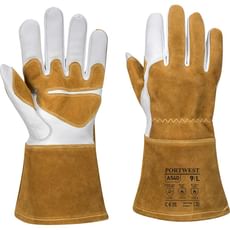
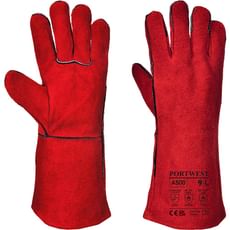
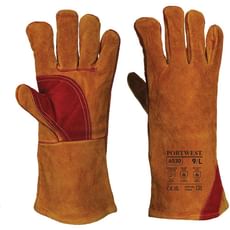
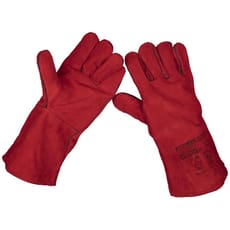
 Loading...
End of content
Error - No more pages to load
About Leather Gloves
Leather gloves represent the gold standard in hand protection for demanding trades and industrial applications. Renowned for their exceptional durability, heat resistance, and tactile sensitivity, leather work gloves are an essential piece of personal protective equipment (PPE) for welders, metalworkers, fabricators, and numerous other tradespeople. Whether you're working with molten metal, sharp materials, or rough surfaces, quality leather gloves provide the reliable barrier between your hands and workplace hazards whilst maintaining the dexterity needed for precision work.
Our comprehensive range of leather gloves includes specialised options for various applications, from heavy-duty welding gauntlets that protect forearms during MIG and TIG welding operations, to flexible rigger gloves ideal for general site work and manual handling. We stock trusted brands including Portwest, Milwaukee, Draper, Sealey, and Stanley, each offering gloves engineered to meet or exceed UK and European safety standards. Many of our leather gloves feature reinforced palms, fleece linings for cold-weather comfort, and extended cuffs to protect wrists and lower arms from sparks, heat, and debris.
Whether you're a professional welder requiring certified heat-resistant gauntlets, a general tradesman needing durable rigger gloves for daily site work, or a DIY enthusiast tackling metalwork projects, selecting the right leather gloves is crucial for both safety and productivity. The natural properties of leather – including breathability, flexibility, and resistance to punctures and abrasions – make these gloves an invaluable investment for anyone working in challenging environments.
Jargon Buster
- Welding Gauntlets
- Extended-length leather gloves designed specifically for welding applications, featuring reinforced seams, heat-resistant materials, and long cuffs that protect the forearms from sparks, spatter, and radiant heat. Available in variants for different welding processes including MIG, TIG, and arc welding.
- Rigger Gloves
- Heavy-duty leather gloves originally designed for workers in the rigging industry, featuring reinforced palms and fingers with canvas or cotton backs. Now widely used across construction and general trades for their excellent grip, durability, and protection during manual handling tasks.
- Split Leather
- Leather derived from the lower layers of the hide after the top grain has been separated. Split leather is cost-effective, durable, and commonly used in work gloves and welding gauntlets, offering good heat and abrasion resistance at an accessible price point.
- Grain Leather
- The premium outer layer of the hide, offering superior strength, durability, and tactile sensitivity. Full-grain leather retains the natural surface and is the highest quality, whilst top-grain leather has been lightly sanded for a more uniform appearance.
- EN 388 / EN 407
- European safety standards that rate protective gloves. EN 388 assesses mechanical risks (abrasion, cut, tear, and puncture resistance), whilst EN 407 evaluates performance against thermal hazards including heat and flame resistance – essential certifications for professional-grade leather work gloves.
- Kevlar Stitching
- High-strength aramid thread used in premium leather gloves to prevent seam failure under extreme heat or stress, particularly important in welding applications where standard cotton thread would burn through quickly.
Who Uses Leather Gloves?
Leather gloves are essential PPE across numerous trades and industries, including:
- Welders and Fabricators – requiring heat-resistant gauntlets for MIG, TIG, and arc welding operations
- Metal Workers and Sheet Metal Workers – needing protection from sharp edges and hot materials
- Construction Workers and General Labourers – using rigger gloves for manual handling, scaffolding, and site work
- Mechanics and Vehicle Technicians – requiring dexterous gloves for handling tools and components
- Groundworkers and Landscapers – needing durable gloves for handling rough materials and equipment
- Warehouse and Logistics Staff – using leather gloves for loading, unloading, and material handling
- Agricultural Workers and Farmers – requiring tough gloves for machinery operation and livestock handling
- Maintenance Engineers and Facilities Staff – needing versatile protection for varied tasks
- DIY Enthusiasts and Home Metalworkers – undertaking welding, fabrication, or heavy-duty projects
How to Choose the Right Leather Gloves
Selecting appropriate leather gloves requires careful consideration of your specific working conditions and tasks:
Application and Hazards: Identify the primary risks you face. Welding operations demand certified heat-resistant gauntlets with extended cuffs and reinforced seams, whilst general manual handling may only require standard rigger gloves. Consider whether you need protection against heat, sharp objects, abrasion, or chemical exposure.
Leather Type and Quality: Split leather offers excellent value and adequate protection for most applications, whilst full-grain leather provides superior durability and tactile sensitivity for precision work. Chrome leather offers better water and chemical resistance than standard tanned leather.
Size and Fit: Properly fitted gloves are essential for both safety and dexterity. Gloves that are too tight restrict movement and blood flow, whilst oversized gloves reduce grip and can catch on equipment. Measure your hand circumference and refer to manufacturer sizing charts for accurate selection.
Lining and Comfort: Fleece-lined leather gloves provide warmth for outdoor winter work, whilst unlined gloves offer better breathability in warmer conditions. Consider whether you need additional comfort features for extended wear periods.
Cuff Length and Style: Standard work gloves typically feature short cuffs, whilst welding gauntlets offer extended protection up the forearm. Some rigger gloves include elasticated or velcro cuffs to prevent debris entry and ensure a secure fit.
Safety Certifications: Look for gloves marked with relevant EN standards – EN 388 for mechanical protection and EN 407 for heat resistance. These ratings help you match the glove's protective capabilities to your workplace requirements and ensure HSE compliance.
Brand Reputation: Established brands like Portwest, Milwaukee, and Draper invest in quality materials and manufacturing processes, ensuring consistent performance and durability. Premium brands often provide better warranty support and detailed technical specifications.
Popular Accessories
- Glove Clips and Holders – keeping gloves accessible and preventing loss on busy job sites
- Hand Barrier Creams – providing an additional protective layer against oils, chemicals, and irritants
- Welding Helmets and Face Shields – complementing gauntlets for complete upper-body protection during welding
- Leather Conditioners – maintaining glove suppleness and extending service life
- Cut-Resistant Liner Gloves – worn underneath leather gloves for enhanced cut protection
- Safety Sleeves and Arm Guards – providing additional forearm protection when standard cuffs aren't sufficient
- Welding Aprons and Jackets – coordinating with welding gauntlets for comprehensive spark and heat protection
- Glove Dispensers – for workshop and site environments where multiple workers need access to PPE
Safety Information
Leather gloves are classified as PPE and must be properly selected, maintained, and replaced to ensure effective protection. Always inspect gloves before use for signs of damage including holes, tears, worn areas, or compromised seams – damaged gloves should be immediately removed from service. Ensure your gloves carry appropriate EN certification marks and meet the protective requirements for your specific tasks and workplace hazards.
Follow HSE guidance regarding PPE selection and maintenance. Welding gauntlets must meet EN 407 thermal protection standards, with appropriate performance levels for your welding process. Never use gloves contaminated with flammable substances near ignition sources, and avoid wearing gloves around rotating machinery where they could become caught.
Store leather gloves in a cool, dry location away from direct sunlight and heat sources, which can cause the leather to become brittle and crack. Allow wet gloves to dry naturally – never use direct heat, which damages the leather structure. Replace gloves when they show significant wear, loss of flexibility, or when protective features are compromised. Remember that leather gloves are task-specific PPE and should be selected based on proper risk assessment rather than simply choosing the heaviest-duty option available.
Frequently Asked Questions
What's the difference between MIG, TIG, and general welding gauntlets?
TIG welding gauntlets typically offer thinner, more flexible leather for greater dexterity when handling TIG torches and filler rods, as TIG produces less spatter. MIG welding gauntlets feature heavier leather with reinforced palms for protection against higher volumes of spatter. General welding gauntlets provide all-round protection suitable for arc welding and mixed applications. Always check the EN 407 thermal performance ratings to ensure suitability for your specific welding process.
How should I care for and maintain my leather work gloves?
Remove dirt and debris regularly with a soft brush or damp cloth. Allow wet gloves to air-dry naturally away from direct heat sources – forced drying causes leather to become stiff and crack. Apply leather conditioner periodically to maintain suppleness, particularly if gloves are frequently exposed to wet conditions. Store in a cool, dry place away from sunlight. Inspect regularly for damage and replace when protection is compromised.
Are leather gloves suitable for electrical work?
Standard leather work gloves do not provide adequate protection against electrical hazards and should never be used for live electrical work. For electrical applications, you must use gloves specifically rated and tested for electrical insulation, typically made from rubber or other dielectric materials and marked with appropriate voltage ratings. Leather gloves may be worn as outer protective covers over insulated gloves for mechanical protection, but cannot replace proper electrical safety gloves.
What size leather gloves should I order?
Measure around the widest part of your hand (excluding the thumb) with your fingers together, then consult the manufacturer's sizing chart. Gloves should fit snugly without restricting movement or cutting off circulation. For welding gauntlets, ensure the extended cuffs fit comfortably over your sleeves. If between sizes, consider the intended use – precision work benefits from a closer fit, whilst heavy manual handling may warrant slightly larger gloves. Many manufacturers offer sizing guides specific to their ranges.
How often should work gloves be replaced?
Replace leather gloves when they show signs of significant wear including holes, tears, severely worn areas, compromised seams, or loss of flexibility. For welding gauntlets used daily in industrial settings, this might be monthly or even more frequently. Gloves used occasionally for DIY projects may last years with proper care. Always prioritise safety over economy – if gloves no longer provide adequate protection or comfort, replace them immediately. Keep records of glove inspection and replacement to demonstrate HSE compliance.