

Lever Pumps
Pay in 3 interest-free payments on purchases from £30-2000 with  . Learn more.
 Loading...
End of content
Error - No more pages to load
About Lever Pumps
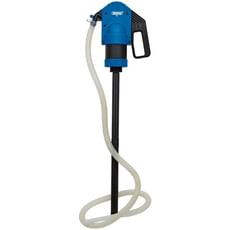
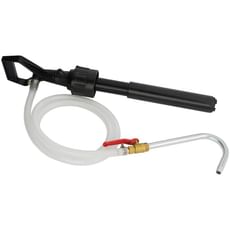
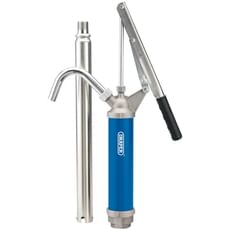
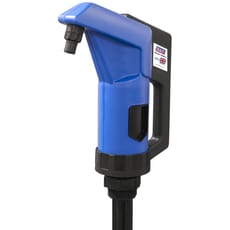
Lever pumps are manual fluid transfer tools that utilise a simple lever-action mechanism to safely move liquids from one container to another without requiring electrical power or complex machinery. These versatile pumps create suction and discharge through mechanical leverage, making them indispensable for transferring oils, fuels, coolants, chemicals, and other fluids in workshops, garages, agricultural settings, and industrial environments. Whether draining engine oil during a service, dispensing AdBlue for HGV emissions systems, or transferring gear oil from bulk drums to smaller containers, lever pumps provide a reliable, cost-effective solution that eliminates the need for tipping heavy containers or risking spillages.
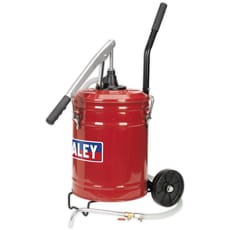
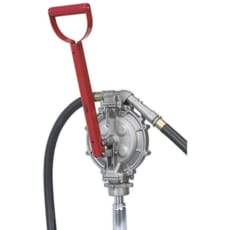
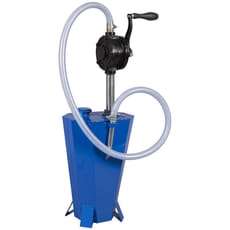
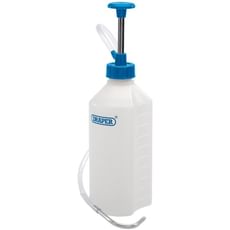
The range available at Tooled-Up.com includes products from trusted manufacturers Sealey and Draper, offering everything from light-duty plastic chemical pumps to heavy-duty self-priming displacement pumps designed for professional daily use. These manual pumps are available in various configurations including telescopic suction tube models for deep drums, swivel handle designs for improved ergonomics, and specialised pumps formulated for specific fluids like gear oil, AdBlue, and diesel. Many models feature self-priming capabilities, double diaphragm mechanisms, and piston pump technology to ensure consistent flow rates and reliable performance even when handling viscous fluids.
Lever pumps significantly reduce workplace hazards by eliminating the need for pouring or decanting from heavy containers, thereby minimising the risk of spills, musculoskeletal injuries, and environmental contamination. They're particularly valuable for tradespeople working with expensive or hazardous fluids where precision, control, and contamination prevention are paramount. From mobile gear oil dispensers on wheels to barrel-mounted pumps with telescopic tubes, these tools are engineered to make fluid transfer safer, cleaner, and more efficient across a wide spectrum of professional and DIY applications.
Jargon Buster
- Self-Priming: A pump that automatically creates the suction needed to draw fluid up from a container without requiring manual filling of the pump chamber first. This feature saves considerable time and makes operation more convenient, especially when working with multiple containers throughout the day.
- Displacement Pump: A pump type that moves fluid by trapping a fixed volume in a chamber and then forcing it out through the discharge outlet. These pumps are ideal for viscous fluids like gear oil and transmission fluid, providing consistent flow rates with each stroke of the lever mechanism.
- Double Diaphragm: A pumping mechanism using two flexible diaphragms that alternate to create continuous suction and discharge cycles. This design provides smooth, pulsation-free flow and is particularly effective for fuel transfer applications where consistent delivery is essential.
- Viscosity: The measure of a fluid's thickness or resistance to flow. Higher viscosity fluids like gear oil and SAE 90 lubricants require more robust lever pumps with stronger mechanisms, whilst lower viscosity fluids like diesel and coolant transfer more easily with lighter-duty models.
- Telescopic Suction Tube: An adjustable intake tube that extends to reach the bottom of deep drums or barrels. This feature allows access to fluid at various levels and in different container sizes without requiring different length tubes for each application.
- Flow Rate: The volume of fluid transferred per stroke or per minute, typically measured in litres or millilitres. Understanding flow rate specifications helps you select a pump appropriate for your volume requirements and working pace.
Who Uses Lever Pumps?
- Motor mechanics and automotive technicians transferring engine oil, transmission fluid, and gear oil during routine servicing
- HGV and fleet maintenance engineers dispensing AdBlue and handling large volumes of diesel and lubricants
- Agricultural workers and farm mechanics managing fuel and hydraulic fluids for machinery maintenance
- Industrial maintenance fitters working with cutting oils, coolants, and lubricants in manufacturing environments
- Plant operators transferring chemicals and processing fluids safely between containers
- Marine engineers handling fuel and oil transfers on boats and vessels
- Facilities managers maintaining heating systems and managing bulk fluid storage
- Construction site operatives managing equipment fuel and hydraulic systems
- DIY enthusiasts and home mechanics performing oil changes and general vehicle maintenance
- Groundskeepers and landscaping professionals managing fuel for equipment and machinery
- Aviation maintenance technicians handling specialist oils and hydraulic fluids
How to Choose the Right Lever Pumps
Fluid Compatibility: Ensure the pump materials are compatible with your intended fluid. Plastic pumps suit certain chemicals and water-based fluids, whilst metal components with appropriate seals are necessary for petroleum-based products. Specialised pumps for AdBlue, gear oil, or diesel are designed with appropriate seals and materials to prevent degradation and contamination. Never use pumps designed for oils to transfer petrol or highly flammable liquids unless specifically rated for such use.
Pump Capacity and Flow Rate: Consider the volume of fluid you typically transfer and how quickly you need to complete the task. Heavy-duty displacement pumps deliver higher flow rates—sometimes 500ml or more per stroke—for bulk transfers, whilst lighter-duty pumps suffice for occasional top-ups and smaller quantities. Check the litres per stroke specification to match your efficiency requirements and working pace.
Container Compatibility: Measure the depth and opening size of your drums or containers. Telescopic suction tubes offer versatility for various container sizes and depths, whilst fixed-length tubes work well for standardised barrels. Some pumps mount directly onto specific drum sizes (typically 205-litre drums), providing stable, hands-free operation that reduces fatigue during extended use.
Build Quality and Duty Rating: Professional workshop environments demand heavy-duty construction with robust components that withstand daily use. Tooled-Up stocks self-priming piston pumps and double diaphragm designs that offer superior reliability for high-frequency applications. Consider swivel handle designs for improved ergonomics during extended use, and brass cylinder bodies for corrosion resistance and longevity.
Portability Requirements: Mobile gear oil dispensers and pump units with wheels provide convenience for site work or moving between multiple service bays. Lightweight plastic pumps offer portability for occasional use, whilst heavier units with mounting brackets suit permanent workshop installations. Consider whether you need a portable solution for mobile mechanics work or a fixed installation for a busy workshop.
Self-Priming Capability: Self-priming pumps save considerable time by automatically drawing fluid without manual priming, making them ideal for busy workshops where efficiency is critical. This feature is particularly valuable when working with multiple containers throughout the day or when switching between different fluid types frequently.
Popular Accessories
- Drum accessory kits including extension hoses, dispensing nozzles, and mounting brackets for expanded functionality
- Extension hoses and tubes for reaching awkward locations and increasing working distance from the pump
- Dispensing nozzles with automatic shut-off features for precise filling without spillage or overfilling
- Drum bungs and caps for secure storage and preventing contamination between uses
- Filter elements and inline filters to remove particulates and contaminants during fluid transfer
- Fluid containers, measuring jugs, and graduated vessels for collecting and measuring transferred liquids
- Drip trays and spill containment equipment to maintain clean working environments and comply with COSHH regulations
- Fluid identification labels and colour-coding systems to prevent cross-contamination between different products
- Protective storage cases for keeping pumps clean, organised, and protected when not in use
- Replacement seals, O-rings, and diaphragm kits for maintaining pump performance
Safety Information
When using lever pumps, always verify the fluid compatibility of the pump materials before use to prevent chemical reactions, seal degradation, or material failure. Follow COSHH regulations when handling hazardous substances, ensuring adequate ventilation and appropriate personal protective equipment including chemical-resistant gloves, safety goggles, and protective clothing. Never use pumps designed for non-flammable fluids to transfer petrol or other highly flammable liquids unless specifically rated and certified for such use by the manufacturer.
Ensure suction tubes reach the bottom of containers to prevent air locks and maintain steady flow throughout the transfer process. Keep work areas well-ventilated when transferring fuels or volatile chemicals, and position drip trays beneath transfer points to contain spills and prevent environmental contamination. Store flammable fluids in appropriate containers away from ignition sources, heat, and direct sunlight, and dispose of contaminated materials according to HSE guidelines and local environmental regulations.
Regularly inspect pump seals, hoses, and connections for wear, cracking, or damage that could cause leaks or failures during operation. Clean pumps thoroughly between uses, especially when switching between different fluid types, to prevent cross-contamination that could compromise fluid performance or create hazardous reactions. Never exceed the manufacturer's recommended pressure or flow specifications, and ensure all connections are secure and leak-free before commencing pumping operations.
Frequently Asked Questions
Can I use the same lever pump for different types of fluids?
Whilst some general-purpose pumps can handle multiple fluid types, it's best practice to dedicate specific pumps to particular fluids to prevent cross-contamination. Gear oil pumps should be kept separate from diesel pumps, and chemical pumps separate from food-grade fluid pumps. If you must use one pump for multiple fluids, thoroughly clean and flush the system with an appropriate solvent between uses. Always check the manufacturer's compatibility guidelines and material specifications before transferring any fluid.
What's the difference between a piston pump and a diaphragm pump?
Piston pumps use a reciprocating piston mechanism to create suction and discharge, offering higher pressures and better performance with viscous fluids like gear oil and SAE 90 lubricants. Diaphragm pumps use flexible membranes to move fluid, providing gentler action suitable for fuels and chemicals whilst reducing the risk of contamination from moving metal parts contacting the fluid. Double diaphragm designs offer smooth, continuous flow ideal for fuel transfer applications where consistent delivery is important.
How do I maintain my lever pump for longevity?
After each use, pump through clean solvent or appropriate cleaning fluid to remove residue and prevent seal degradation. Store pumps in a clean, dry location with suction tubes elevated to allow complete drainage and prevent contamination. Periodically inspect and replace seals, O-rings, and diaphragms as these wear components directly affect pump efficiency and prevent leaks. Lubricate moving parts according to manufacturer recommendations, and never force a stiff or seized lever as this indicates a need for servicing or seal replacement.
Are lever pumps suitable for transferring AdBlue?
Yes, but you must use a pump specifically designed for AdBlue, as this diesel exhaust fluid requires particular materials that won't contaminate or degrade the solution. Sealey produces specialised self-priming heavy-duty lever pumps for AdBlue that feature appropriate seals and components resistant to urea-based solutions. Never use standard diesel or oil pumps for AdBlue as contamination will compromise its effectiveness in vehicle selective catalytic reduction (SCR) systems and may damage emissions equipment.
What flow rate should I expect from a manual lever pump?
Flow rates vary considerably based on pump type, design, and fluid viscosity. Light-duty pumps typically deliver 200-400ml per stroke, whilst heavy-duty displacement pumps can achieve 500ml or more per stroke. For thin fluids like diesel or coolant, you might transfer 5-10 litres per minute with consistent pumping action. Thicker gear oils and high-viscosity lubricants will flow more slowly regardless of pump type. Check product specifications for exact flow rates to ensure the pump meets your productivity requirements and transfer volume needs.