

Lifting Straps

Pay in 3 interest-free payments on purchases from £20-£3000 with  . Learn more.
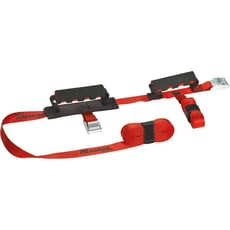
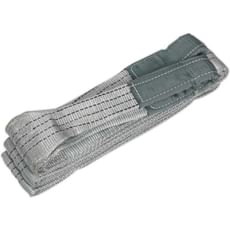
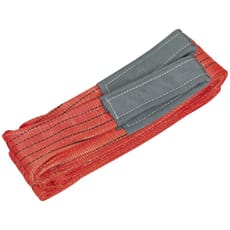
 Loading...
End of content
Error - No more pages to load
About Lifting Straps
Lifting straps are indispensable manual handling aids designed to help tradespeople and DIY enthusiasts move heavy, awkward, or bulky items safely and efficiently. These reinforced textile slings are engineered from high-tensile polyester webbing that distributes weight evenly across their width, significantly reducing strain on the back, hands, and wrists whilst providing a secure grip on large objects. Whether you're relocating furniture, transporting appliances, manoeuvring building materials, or shifting heavy machinery components, quality lifting straps transform potentially hazardous manual handling tasks into manageable operations.
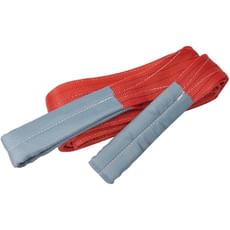
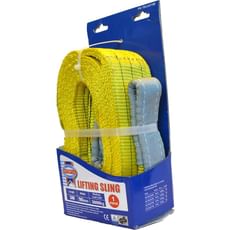
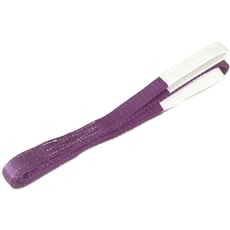
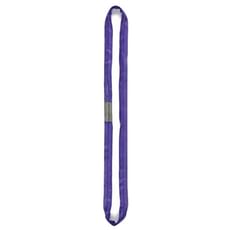
Modern lifting straps available from Tooled-Up.com come in several configurations to suit different applications. Duplex lifting straps feature double-layer construction with reinforced stitching at stress points, offering superior load-bearing capacity for professional use. Two-person carry straps, such as those from Masterlock, incorporate multiple grip points that allow operators to coordinate movement and share the load effectively. Round lifting straps provide versatility for securing cylindrical or irregular-shaped objects, whilst standard reinforced slings deliver reliable performance for everyday manual handling tasks. Leading manufacturers including Sealey, Draper, Faithfull, and Sirius produce lifting straps that conform to BS EN1492 standards, with each product clearly marked with its safe working load (SWL) and colour-coded to European standards for easy capacity identification.
Investing in proper lifting equipment isn't merely about convenience—it's a fundamental health and safety requirement backed by HSE guidelines on manual handling. The Manual Handling Operations Regulations 1992 place duties on employers to assess risks and provide appropriate equipment, but even self-employed tradespeople and serious DIY users benefit enormously from using professional-grade lifting straps. From construction sites and warehouses to removal companies and domestic settings, these essential tools protect your most valuable asset: your physical wellbeing and ability to continue working safely for years to come.
Jargon Buster
- Safe Working Load (SWL): The maximum weight a lifting strap is designed to carry safely under normal working conditions. This figure incorporates a safety factor and must never be exceeded. Always select straps with an SWL that comfortably exceeds your heaviest anticipated load.
- Duplex Lifting Strap: A double-layer construction featuring two layers of webbing stitched together, providing enhanced strength and durability compared to single-ply designs. Duplex straps typically include reinforced stitching along stress points for superior load-bearing capacity.
- BS EN1492 Standard: The British and European standard that specifies safety requirements for textile slings used in lifting operations. Straps manufactured to this standard undergo rigorous testing and include colour-coding systems to indicate load capacity.
- Polyester Webbing: The woven textile material that forms the main body of most lifting straps. Polyester offers excellent resistance to abrasion, UV degradation, and moisture damage whilst maintaining flexibility and high tensile strength.
- Reinforced Lifting Eyes: The strengthened loop sections at each end of a lifting strap where additional layers of webbing and stitching prevent premature wear and failure at connection points.
- Load Distribution: The manner in which weight spreads across the strap's surface area during use. Wider straps offer superior load distribution, reducing pressure points on both the user and the object being moved, thereby improving safety and comfort.
Who Uses Lifting Straps?
- Removal and Logistics Companies: Professional movers rely on lifting straps daily for safely transporting furniture, white goods, and personal belongings whilst protecting both items and operatives from damage.
- Builders and General Contractors: Essential for moving building materials including concrete blocks, timber lengths, plasterboard sheets, and heavy power tools around construction sites.
- Warehouse and Distribution Operatives: Used alongside mechanical handling equipment for manual manoeuvring of stock, pallets, and bulky inventory items in storage and despatch environments.
- Delivery Drivers: White goods and furniture delivery personnel use lifting straps to protect products during transportation and installation whilst reducing physical strain during multiple daily deliveries.
- Landscape Gardeners and Groundworkers: Particularly useful for moving paving slabs, decorative boulders, large planters, aggregate bags, and heavy garden equipment across uneven terrain.
- Facilities Maintenance Teams: Required for relocating machinery, office furniture, equipment, and fixtures within commercial premises, hospitals, schools, and public buildings.
- Shopfitters and Retail Installers: Moving display units, shelving systems, and commercial fixtures safely without damaging finished surfaces or causing workplace injuries.
- DIY Enthusiasts and Homeowners: Anyone undertaking home improvements, loft conversions, kitchen installations, or garden landscaping projects involving heavy materials benefits from proper lifting equipment.
- Stage and Events Crew: Theatre technicians, concert riggers, and exhibition installers use lifting straps for positioning equipment, staging components, and audio-visual systems.
How to Choose the Right Lifting Straps
Safe Working Load Capacity: Always select lifting straps with an SWL that exceeds your heaviest anticipated load by at least 25-30%. Remember that dynamic loads (items in motion) create additional stress, so allow a generous safety margin. For general domestic use, straps rated between 100-150kg suit most furniture and appliances. Professional tradespeople regularly handling building materials should consider duplex reinforced straps from Sealey or Draper with capacities of 200kg or higher.
Single or Two-Person Operation: Consider your typical working conditions. Two-person carry straps like the Masterlock design distribute weight between operators and include multiple grip points for coordinated movement, making them ideal for larger items. Single-operator straps offer greater flexibility for lighter loads and solo working but require more physical strength.
Strap Configuration and Design: Duplex straps provide maximum durability for heavy-duty professional use with their double-layer construction. Round lifting straps offer versatility when working with cylindrical objects or irregular shapes. Standard reinforced slings deliver reliable performance for everyday manual handling across most trades.
Webbing Width and Material Quality: Wider straps distribute pressure more evenly across your hands and the object being moved, reducing the risk of damaging delicate surfaces. Professional-grade lifting straps feature high-tensile polyester webbing with reinforced stitching at stress points. Brands like Faithfull and Sirius manufacture to BS EN1492 standards, ensuring consistent quality and safety compliance.
Colour Coding and Identification: Straps manufactured to European standards use colour coding to identify load capacity quickly. This system helps prevent accidental overloading and makes it easy to select the correct equipment for each task, particularly important in busy site environments.
Handle Design and Ergonomics: Some lifting straps feature integrated handles or loops for improved grip comfort, whilst others are designed to be wrapped directly around objects. Consider what type of grip works best for the items you handle most frequently and ensure it remains comfortable during prolonged use.
Storage and Portability: Compact, lightweight designs are easier to transport in your van, tool bag, or site box. The selection at Tooled-Up.com includes straps that can be rolled or folded without creating permanent creases that might weaken the webbing over time.
Popular Accessories
- Work Gloves: Protective gloves from Portwest, DeWalt, or Scruffs improve grip security and protect hands from abrasion, splinters, and friction burns when using lifting straps for extended periods.
- Moving Trolleys and Sack Trucks: Complement lifting straps by reducing the distance you need to carry heavy loads manually. Particularly useful in warehouse and delivery applications.
- Edge Protectors: Foam or plastic corner guards prevent webbing damage when lifting items with sharp edges or metal corners, extending the lifespan of your lifting straps.
- Back Support Belts: Additional personal protective equipment from specialist workwear suppliers helps reduce strain during repetitive manual handling tasks.
- Ratchet Straps and Tie-Downs: Essential for securing loads during transport once they've been lifted into position in your van or vehicle.
- Tool Bags and Storage Solutions: Stanley FatMax, DeWalt TSTAK, or Milwaukee PACKOUT organisers keep your lifting straps clean, dry, and ready for use whilst protecting the webbing from contamination.
- Furniture Sliders and Moving Pads: Work alongside lifting straps to move heavy items across floors without causing damage to surfaces or requiring constant lifting.
- Knee Pads and Work Trousers: Quality workwear from Snickers or Scruffs with integrated knee protection supports proper lifting technique by making it comfortable to bend at the knees.
Safety Information
Manual handling remains one of the most common causes of workplace injury across the UK, with the HSE reporting thousands of musculoskeletal injuries annually that result in long-term absence and permanent disability. Whilst lifting straps significantly reduce risk when used correctly, they are not a substitute for proper manual handling technique and risk assessment.
Always inspect your lifting straps thoroughly before each use for signs of wear, fraying, cuts, chemical damage, or compromised stitching. Any equipment showing deterioration must be removed from service immediately and replaced. Never exceed the manufacturer's stated safe working load, and remember that the SWL may be reduced when straps are used at angles or with uneven weight distribution. The colour-coded identification system on BS EN1492 compliant straps helps prevent accidental overloading.
Before lifting, assess the load carefully, checking for weight distribution, sharp edges, and potential shifting during movement. Plan your route in advance, ensuring adequate space to manoeuvre safely without obstacles, trip hazards, or overhead restrictions. Clear the pathway and consider whether mechanical handling equipment might be more appropriate for particularly heavy or awkward items.
When working with a partner using two-person carry straps, establish clear communication before beginning the lift and move at the slowest person's pace. Use agreed verbal signals for coordinating actions. Keep your back straight, bend at the knees, and use your leg muscles rather than your back to power the lift. Hold the load close to your body and avoid twisting motions whilst carrying—turn with your feet instead.
Take regular breaks during extended manual handling sessions to prevent fatigue, which dramatically increases accident risk. Stay hydrated and recognize when you need assistance or mechanical support. Employers have legal duties under the Manual Handling Operations Regulations 1992 to assess risks, provide appropriate equipment and training, and reduce manual handling requirements where reasonably practicable. Even if you're self-employed or working on domestic projects, following these professional standards protects your health and your ability to continue working safely throughout your career.
Frequently Asked Questions
What weight capacity lifting strap do I need for building work?
Choose a lifting strap with a safe working load that exceeds your heaviest anticipated load by at least 25-30%. For general building work involving timber, plasterboard, and moderate loads, straps rated between 150-200kg are suitable. If you regularly handle concrete blocks, paving slabs, or heavy machinery components, consider duplex reinforced straps from Sealey or Draper with capacities of 250kg or higher. Remember that two-person straps distribute weight between operators, effectively doubling your safe handling capacity.
Can I use lifting straps for overhead lifting or rigging?
No. The manual carrying straps in this category are designed specifically for ground-level manual handling where operators maintain direct physical contact with the load. For overhead lifting, suspension, or rigging applications, you must use purpose-designed lifting equipment such as rated chain slings, wire rope slings, or certified round slings that comply with LOLER (Lifting Operations and Lifting Equipment Regulations). Using manual carrying straps for overhead work is extremely dangerous and contravenes HSE guidelines.
How do I maintain my lifting straps to ensure they last?
After each use, inspect your lifting straps for damage, remove any dirt or debris with a soft brush, and allow them to dry completely if they've become wet or damp. Store them in a cool, dry location away from direct sunlight, chemicals, solvents, and sharp objects. Avoid folding webbing in tight creases—rolling is preferable as it prevents permanent damage to the fibres. Keep a written record of inspections with dates and any observations. Replace straps immediately if you notice fraying, cuts, chemical staining, stretched webbing, or damaged stitching. With proper care and storage, quality lifting straps manufactured to BS EN1492 standards can provide years of reliable service.
Are lifting straps better than just gripping furniture and materials directly?
Absolutely. Lifting straps distribute weight across a larger surface area and multiple contact points, dramatically reducing strain on your hands, wrists, fingers, and forearms. They provide a more secure grip on smooth, polished, or awkward surfaces where your hands might slip, significantly lowering the risk of dropping items and causing damage or injury. The ergonomic advantage means you can carry heavier loads more safely and with less fatigue, which is particularly important for professional tradespeople who perform manual handling tasks throughout the working day. Lifting straps also protect delicate surfaces from fingerprints, scratches, and grip marks.
Do lifting straps need to be tested or certified for professional use?
Lifting straps used for manual carrying at ground level don't require statutory periodic examination like overhead lifting equipment does under LOLER. However, they must be suitable for the task, maintained in good condition, and inspected before each use. Straps manufactured to BS EN1492 standards, such as those from Faithfull, Sirius, Sealey, and Draper, provide assurance of quality and compliance with European safety requirements. Keep records of purchase dates and pre-use inspections as part of your general health and safety documentation. If you're using lifting straps as part of a business, your employer's liability insurance may require evidence that equipment is properly maintained and suitable for its intended purpose.