

Lifting Tools
Pay in 3 interest-free payments on purchases from £30-2000 with  . Learn more.
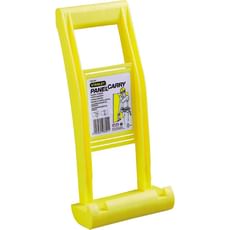
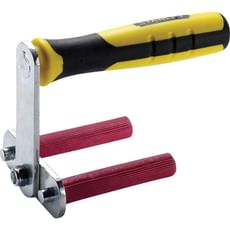
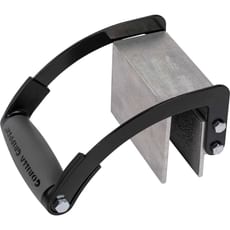
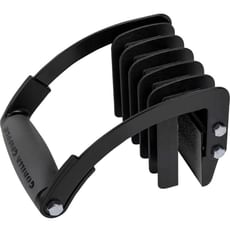

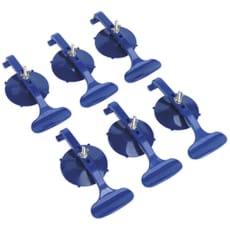
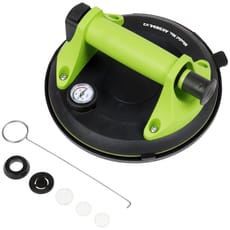
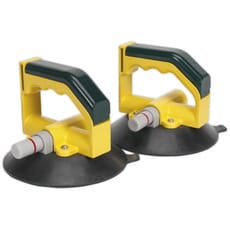
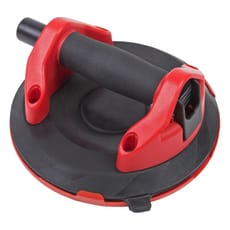
 Loading...
End of content
Error - No more pages to load
About Lifting Tools
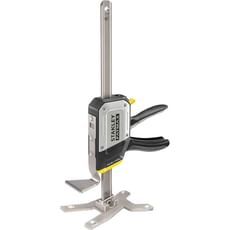
Lifting tools are indispensable pieces of equipment designed to help tradespeople and DIY enthusiasts safely raise, position, and manoeuvre heavy or awkward materials on site. From plasterboard sheets and doors to large glass panels and timber boards, these specialised tools eliminate the need for multiple pairs of hands and significantly reduce the risk of strain injuries or damage to expensive materials. Whether you're a professional builder working on a large construction project or a homeowner tackling home renovations, the right lifting equipment transforms challenging tasks into straightforward, one-person operations.
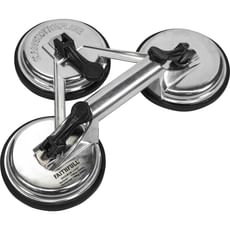
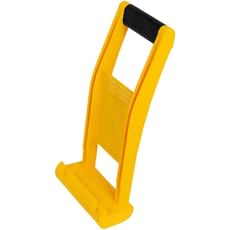
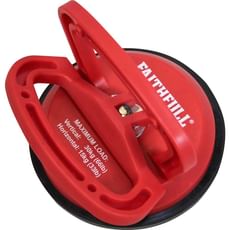
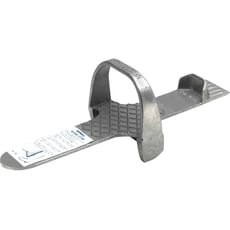
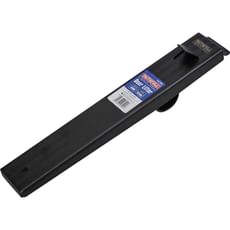
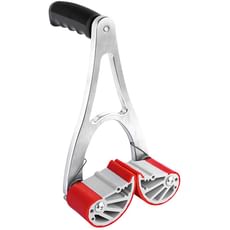
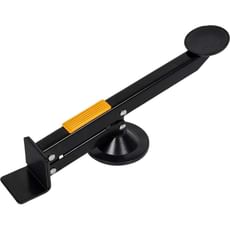
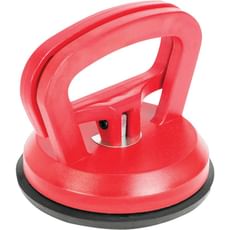
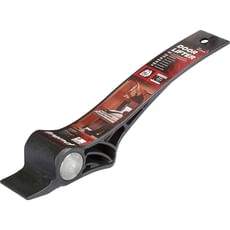
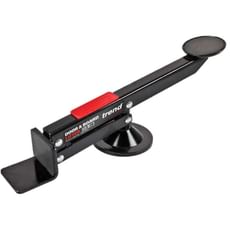
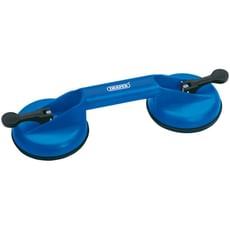
The range of lifting tools available at Tooled-Up.com includes board lifters for positioning plasterboard and sheet materials, door lifters for precise hanging and alignment, object lifters for general heavy-duty applications, and suction lifters for handling glass, tiles, and smooth-surfaced panels. Each category addresses particular challenges faced on construction sites, in workshops, and during installation work. Modern lifting tools incorporate clever engineering principles such as leverage, mechanical advantage, and secure gripping systems to make light work of heavy loads whilst protecting both the operator and the material being handled.
Quality lifting equipment represents a sound investment for any tradesperson or serious DIY enthusiast. Not only do these tools improve efficiency and reduce labour costs, but they also help meet HSE guidelines for manual handling, protecting you and your workforce from preventable injuries. With load capacities ranging from light domestic use to heavy commercial applications, there's a lifting solution suitable for every project scale and budget, making solo installation of materials that traditionally required two or more workers entirely achievable.
Jargon Buster
- Load Capacity: The maximum weight a lifting tool is designed to safely support, typically measured in kilograms. Always check this specification matches or exceeds the weight of materials you'll be handling, with a recommended safety margin of at least 20%.
- Suction Cup/Pad: A rubber or synthetic pad that creates a vacuum seal against smooth, non-porous surfaces such as glass, tiles, or polished panels, allowing secure lifting without mechanical fixings or surface damage.
- Mechanical Advantage: The principle by which lifting tools use leverage, gearing, or hydraulic systems to multiply the force applied by the operator, making heavy loads manageable with minimal physical effort and reducing strain on the back and joints.
- Deadman Prop: A type of panel lifter designed to hold plasterboard or ceiling panels in position whilst fixing, acting as a temporary "third hand" for solo workers and maintaining consistent pressure during installation.
- Panel Gripper: A mechanical or spring-loaded clamping mechanism that secures sheet materials without causing surface damage, allowing controlled lifting and positioning of boards, doors, and panels.
- Working Height Range: The minimum and maximum heights at which a lifting tool can effectively position materials, crucial for matching tools to ceiling heights and installation requirements on different sites.
Who Uses Lifting Tools?
Lifting tools are invaluable across numerous trades and applications:
- Plasterers and Drywall Installers: Using board lifters and deadman props for ceiling and wall sheet installation, enabling efficient solo working on large plasterboard projects.
- Carpenters and Joiners: Employing door lifters for precise hanging and alignment of internal and external doors, ensuring accurate positioning and reducing installation time.
- Glaziers and Window Fitters: Relying on suction lifters for safe handling of glass panels, double-glazed units, mirrors, and large window panes without risk of breakage.
- Tilers: Using suction tools for positioning large-format tiles, porcelain slabs, and stone panels without damage to edges or surfaces.
- Shop Fitters and Signage Installers: Handling display panels, acrylic sheets, signage boards, and decorative wall features safely and efficiently.
- General Builders: Requiring versatile object lifters for various heavy materials, awkward items, and general site work across different trades.
- Kitchen and Bathroom Fitters: Positioning worktops, cabinet panels, large sanitary ware, and shower enclosures during installation.
- DIY Enthusiasts: Tackling home renovation projects that would otherwise require additional help, from ceiling boarding to door hanging.
- Facilities Managers: Maintaining commercial properties and managing installation contractors safely and in compliance with HSE regulations.
How to Choose the Right Lifting Tools
Material Type and Weight: Identify what you'll be lifting most frequently. Plasterboard sheets, doors, glass panels, and general objects each require different lifting approaches. Check the tool's load capacity against your typical materials, allowing a safety margin of at least 20% above the heaviest items you'll handle. Standard 12.5mm plasterboard weighs approximately 10kg per square metre, whilst solid core doors can exceed 50kg.
Working Environment: Consider ceiling heights, confined spaces, and site access. Board lifters need sufficient height adjustment for your typical installations—standard UK ceiling heights range from 2.4m to 3m, but renovations may involve higher or lower ceilings. Some tools are more compact for working in restricted areas such as bathrooms or hallways. For site work, robust construction with impact-resistant materials is essential.
Frequency of Use: Professional tradespeople working daily with specific materials benefit from specialised, higher-quality tools that withstand constant use and offer superior performance. Occasional users or DIY enthusiasts might prioritise versatile, multi-purpose options that handle various tasks adequately whilst remaining budget-friendly.
Solo vs Team Working: Many lifting tools are specifically designed to enable single-person operation of tasks that traditionally required two or more workers. If you frequently work alone, prioritise tools with stable, self-supporting features, secure locking mechanisms, and easy height adjustment that doesn't require both hands.
Surface Protection: For finished surfaces, glazing, or decorative panels, look for tools with protective padding, rubber-coated contact points, or suction systems that won't mark or scratch expensive materials. This is particularly important for high-end installations where any damage could prove costly.
Portability and Storage: Consider how easily tools can be transported between jobs. Folding or telescopic designs save van space, whilst lightweight aluminium construction reduces vehicle payload without compromising strength. Tools that disassemble quickly are ideal for mobile tradespeople working across multiple sites daily.
Popular Accessories
- Replacement Suction Cups: Spare pads for suction lifters to maintain optimal vacuum performance and ensure continued safe operation.
- Extension Poles: Telescopic handles for increased reach on high installations, allowing work on tall ceilings without ladders or scaffolding.
- Protective Pads: Additional foam or rubber padding to prevent surface marking on delicate materials, polished surfaces, or decorative finishes.
- Carrying Cases: Durable storage solutions for protecting tools during transport and on-site, prolonging equipment life and maintaining performance.
- Load Securing Straps: Additional restraints for awkward or irregular-shaped objects that don't suit standard lifting tool configurations.
- Spirit Levels: For ensuring accurate alignment when positioning materials with lifting tools, critical for professional-quality installations.
- Knee Pads and Back Support Belts: Personal protective equipment to complement safe lifting practices and reduce strain during repetitive tasks.
- Cleaning Solutions: Approved cleaners for maintaining suction cup effectiveness on glass and smooth surfaces, essential for consistent performance.
- Trolleys and Handling Equipment: Complementary tools for moving materials to the work area before lifting into final position.
Safety Information
Lifting tools significantly improve workplace safety, but proper use is essential for protecting both operators and materials:
Load Limits: Never exceed the manufacturer's stated load capacity. Overloading can cause equipment failure, resulting in dropped materials, serious injuries, and property damage. When in doubt, choose a higher-capacity tool or use additional equipment. Remember that dynamic loads during movement may exceed static weights.
Pre-Use Inspection: Check tools before each use for worn components, damaged suction cups, loose fixings, or compromised structural elements. Look for cracks in welds, bent frames, or corroded adjustment mechanisms. Remove defective equipment from service immediately and arrange repair or replacement. Keeping tools in good condition isn't just about performance—it's a legal requirement under HSE regulations.
HSE Compliance: Lifting tools help meet your obligations under the Manual Handling Operations Regulations 1992. Providing appropriate equipment demonstrates your commitment to reducing workplace risks and protecting employee wellbeing. Employers must assess manual handling risks and take steps to reduce them, and mechanical lifting aids are often the most effective solution.
Surface Suitability: Suction lifters only work on clean, smooth, non-porous surfaces. They won't function effectively on textured plaster, rough timber, dusty surfaces, or porous materials. Check that surfaces are free from dust, moisture, oils, and contaminants before use. Test the suction seal with gentle pressure before committing full load—most quality suction lifters include pressure indicators or warning systems.
Operator Training: Ensure all users understand correct operating procedures, weight limitations, safety features, and emergency release mechanisms. Even simple lifting tools require proper technique to function safely and effectively. New employees should receive practical instruction from experienced operators before working unsupervised.
Environmental Factors: Be aware of overhead obstacles such as lighting, pipework, or ceiling joists that might affect safe operation. Ensure adequate clearance when raising or lowering materials. Check for uneven flooring, trip hazards, and confined spaces that might compromise stability. Wind can affect large panels being moved outdoors, so take extra precautions on exposed sites.
Frequently Asked Questions
Q: Can one person really install a full plasterboard sheet using a board lifter?
A: Yes, absolutely. Quality board lifters are specifically engineered to enable solo installation of standard plasterboard sheets up to 12.5mm thickness and beyond. They use mechanical advantage to raise sheets into position and hold them securely whilst you fix, eliminating the need for a second person. This represents significant labour savings for professional plasterers and makes DIY ceiling projects much more achievable. Models available at Tooled-Up feature robust construction and stable support systems that maintain position even on uneven floors.
Q: What's the difference between single and double suction lifters?
A: Single suction lifters feature one large pad and are typically used for smaller panels, tiles, or manoeuvring items into position—ideal for tiles up to around 600mm square. Double (or multiple) suction lifters distribute load across several pads, allowing safe handling of larger, heavier glass panels and sheet materials. For anything beyond modest tile sizes, double suction units provide better balance, control, and safety margins. Triple-pad models offer even greater stability for oversized glazing units.
Q: Are lifting tools suitable for uneven or textured surfaces?
A: It depends on the tool type. Suction lifters require smooth, non-porous surfaces to create an effective vacuum seal and won't work on textured plaster, rough timber, or porous materials like unsealed concrete. However, mechanical panel grippers and door lifters use physical clamping or support mechanisms that work with various surface textures and materials. Always check the manufacturer's specifications for surface compatibility before purchasing.
Q: How do I maintain suction cups for optimal performance?
A: Clean suction cups regularly with warm soapy water to remove dust, oils, and residue that compromise the seal. Avoid harsh solvents that might degrade rubber compounds. Inspect for cracks, tears, or hardening of the rubber, replacing cups when degraded—most manufacturers recommend annual replacement for professional use. Store tools away from direct sunlight and extreme temperatures which can perish rubber components. Before use, ensure both the cup and contact surface are completely clean and dry.
Q: What load capacity do I need for standard building materials?
A: A standard 2400mm x 1200mm x 12.5mm plasterboard sheet weighs approximately 29kg, so board lifters with 40-50kg capacity provide adequate safety margin. Standard internal doors typically weigh 25-35kg, whilst solid core external doors can exceed 50kg. For glazing, a single sheet of 6mm glass at 2000mm x 1000mm weighs around 30kg, whilst 10mm toughened glass of the same size approaches 50kg. Always verify actual material weights and choose equipment with capacity comfortably above your requirements—a 25-30% safety margin is recommended for professional use.