

Lighting & Torches

Pay in 3 interest-free payments on purchases from £20-£3000 with  . Learn more.
Loading...
End of content
Error - No more pages to load
About Lighting & Torches
Professional lighting and torches are indispensable tools for tradespeople, contractors, and DIY enthusiasts who require dependable illumination across challenging work environments. From compact handheld torches and flexible inspection lamps to powerful LED work lights and robust site floodlights, the right lighting solution transforms both safety and productivity on any job. Whether navigating confined spaces during electrical installations, illuminating construction sites during winter months, or performing detailed vehicle repairs, having appropriate visibility makes all the difference to work quality and efficiency.
Modern professional lighting has evolved dramatically with LED technology delivering exceptional brightness, remarkable energy efficiency, and outstanding durability compared to traditional halogen alternatives. Contemporary work lights feature rugged construction designed to withstand demanding site conditions, with many models offering IP-rated weather protection, impact resistance, and convenient rechargeable battery systems. The lighting range at Tooled-Up.com encompasses everything from focused beam torches for precision tasks to high-output area lights that illuminate entire workspaces, alongside specialist options including festoon lighting, tripod-mounted floodlights, and hands-free inspection lamps.
Leading power tool manufacturers such as Makita, DeWalt, Milwaukee, and Bosch have developed comprehensive lighting ranges that integrate seamlessly with their existing battery platforms. This compatibility enables tradespeople to utilise the same rechargeable batteries across their entire cordless tool collection, significantly reducing equipment costs whilst improving on-site convenience. Alongside these battery-powered solutions, Tooled-Up stocks mains-powered 240v area lights, traditional handheld torches, 110v site lighting for construction environments, and specialist illumination for specific professional applications.
Jargon Buster
- Lumens (lm) - The standard measurement unit for total light output. Higher lumen values indicate brighter illumination, with compact inspection torches typically producing 100-500lm, mid-range work lights delivering 500-2,000lm, and professional site floodlights exceeding 3,000lm for illuminating large construction areas.
- IP Rating (Ingress Protection) - A two-digit classification code indicating protection levels against solid particles and liquids. The first digit (0-6) represents dust protection, whilst the second (0-9) shows water resistance. IP54 provides splash protection suitable for general site use, IP65 offers protection against water jets, and IP67 means completely dust-tight and protected against temporary immersion.
- LED (Light Emitting Diode) - Energy-efficient solid-state lighting technology producing bright, cool illumination with minimal power consumption and exceptional operational lifespan, often exceeding 50,000 hours compared to traditional incandescent or halogen bulbs requiring frequent replacement.
- Colour Temperature (K) - Measured in Kelvin, this specification indicates the colour tone of emitted light. Cool white (5000-6500K) provides bright, clinical illumination ideal for detailed inspection work and colour-critical tasks, whilst warm white (2700-3000K) offers softer, more natural-looking light preferred for general workshop use.
- Run Time - The duration a cordless light operates on a single battery charge. This varies considerably based on selected brightness settings and battery capacity (measured in Ah), with many professional models offering multiple power modes to balance maximum brightness against extended battery life.
- CRI (Colour Rendering Index) - A measurement scale (0-100) indicating how accurately a light source reveals true colours compared to natural daylight. Professional work lights with CRI ratings above 80 help electricians distinguish wiring colours correctly, enable decorators to assess paint shades accurately, and allow mechanics to identify component finishes precisely.
Who Uses Lighting & Torches?
Professional lighting solutions serve essential roles across numerous trades and industries:
- Electricians - Require hands-free inspection lights and bright work lights for installations in loft spaces, under flooring, inside consumer units, and throughout electrical enclosures where visibility is restricted.
- Plumbers and Heating Engineers - Need compact rechargeable torches and flexible inspection lamps for working beneath sinks, inside airing cupboards, under floorboards, and within confined boiler spaces.
- Builders and General Contractors - Depend on robust tripod lights, powerful floodlights, and festoon lighting to illuminate construction sites safely during winter months and interior spaces without permanent electrical installations.
- Motor Mechanics and Auto Electricians - Use magnetic inspection lamps, rechargeable work lights, and underbonnet lighting for engine bay diagnostics, underneath vehicle inspections, and detailed electrical fault-finding.
- Painters and Decorators - Benefit from even, high-CRI lighting to assess surface preparation quality, identify imperfections, and ensure accurate colour matching throughout painting projects.
- Maintenance Engineers and Facilities Managers - Require portable, durable torches and task lights for equipment inspections, emergency repairs, plant room maintenance, and building surveys.
- Joiners and Carpenters - Need focused task lighting for precision marking out, detailed joinery work, and inspection of timber grain and finish quality.
- Landscapers and Groundworkers - Use weather-resistant outdoor lights and portable floodlights for working during reduced daylight hours throughout autumn and winter seasons.
- Security Professionals and Night Workers - Depend on powerful spotlights and tactical torches for property inspections, perimeter checks, and emergency response situations.
- DIY Enthusiasts and Homeowners - Benefit from versatile lighting for home maintenance, vehicle servicing, garage workshops, and outdoor projects requiring reliable illumination.
How to Choose the Right Lighting & Torches
Power Source and Compatibility: Cordless rechargeable lights offer excellent portability and convenience, particularly models compatible with existing power tool battery systems from manufacturers like Makita, DeWalt, Milwaukee, or Bosch. Battery-powered options eliminate trailing cables and provide safe operation in wet conditions. Mains-powered 240v lights deliver unlimited run time for extended projects or permanent workshop installations, whilst 110v site lights comply with UK construction site electrical safety requirements recommended by the HSE for reducing electric shock risks.
Brightness and Beam Pattern: Match lumens output to your specific application requirements. Compact pocket torches (100-300lm) suit general inspections and close-quarter work, mid-range work lights (500-2,000lm) provide focused task illumination for detailed trades, whilst area lights and tripod-mounted floodlights (2,000-5,000lm+) illuminate entire work zones and construction sites. Consider whether you need concentrated spot beams for precision work or wide flood patterns for general area coverage.
Durability and Environmental Protection: Professional environments demand robust construction capable of withstanding drops, impacts, and harsh conditions. Look for impact-resistant housings, protective roll cages, reinforced lens covers, and appropriate IP ratings. IP54 minimum ensures protection against dust and water splashes essential for typical site use, IP65 provides enhanced protection for outdoor applications, whilst IP67 offers comprehensive dust and water protection for demanding environments including temporary immersion.
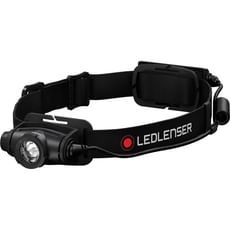
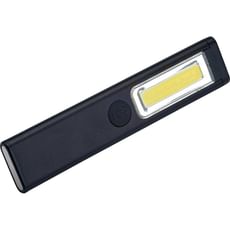
Mounting Options and Positioning: Consider how you'll position and secure the light during operation. Tripod lights with adjustable height provide stable area illumination, magnetic bases enable hands-free positioning on metalwork and vehicle panels, integrated hooks and stands allow versatile placement on scaffolding or ladders, whilst head torches and clip-on inspection lamps keep both hands completely free for detailed work.
Features and Functionality: Multiple brightness settings extend battery life by reducing output when maximum illumination isn't required. Some models include adjustable colour temperature, red light modes for night vision preservation, UV light for leak detection, emergency flashing modes for breakdown situations, USB charging ports for mobile devices, and battery level indicators showing remaining charge. Focusable beams add versatility by allowing adjustment between spot and flood patterns.
Budget and Quality Considerations: Entry-level lighting from brands like Einhell provides good value for occasional DIY use, mid-range models from established manufacturers including Stanley and Bosch offer reliability for regular professional application, whilst premium lighting from Milwaukee, Festool, or specialist manufacturers delivers exceptional performance, advanced features, and proven longevity for demanding daily commercial use.
Popular Accessories
- Spare Batteries and Chargers - Additional battery packs essential for cordless lighting systems to ensure uninterrupted operation throughout extended working days. Higher capacity batteries (4.0Ah-6.0Ah) significantly extend run times between charges, whilst rapid chargers minimise downtime.
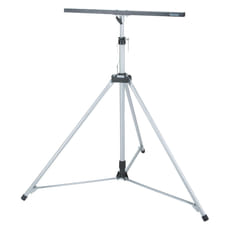
- Tripods and Height-Adjustable Stands - Stable support solutions for work lights and floodlights, typically extending from 1-2 metres to provide versatile positioning and wide area coverage. Many feature telescopic legs with quick-release mechanisms for rapid height adjustment.
- Carry Cases and Protective Storage - Purpose-designed storage solutions protecting lighting equipment during transport and preventing damage from impacts, moisture, or dust contamination when not in use.
- Extension Cables and Cable Reels - Heavy-duty 13A or 16A rated extension leads suitable for professional site use, providing positioning flexibility for mains-powered lighting. 110v transformers required for construction site compliance with HSE electrical safety guidance.
- Mounting Brackets and Magnetic Bases - Various fixing solutions allowing lights to be secured to scaffolding, workbenches, ladders, vehicle bodywork, or metalwork for stable hands-free operation in awkward positions.
- Replacement Bulbs and LED Modules - Spare lamps for traditional work lights, though modern LED units typically require complete head assembly replacement rather than individual bulb changes due to integrated driver electronics.
- Diffusers and Colour Filters - Attachments that soften harsh light output, reduce glare for comfortable viewing, or provide coloured illumination for specialist inspection applications including paint defect detection.
- Vehicle Charging Adaptors - 12v DC charging cables enabling battery recharging from vehicle cigarette lighter sockets, particularly useful for mobile tradespeople and breakdown professionals.
Safety Information
Electrical Safety Compliance: Ensure all mains-powered lighting complies with UK electrical standards (BS EN 60598) and uses correctly rated voltage - 240v for domestic applications or 110v for construction sites. Commercial building sites typically require 110v equipment to comply with HSE guidance on reducing electric shock risks in accordance with the Electricity at Work Regulations 1989. Never operate lighting with damaged cables, broken plugs, or compromised insulation, and ensure RCD protection is in place for all outdoor electrical equipment.
Heat Management and Ventilation: Although LED lighting generates significantly less heat than halogen alternatives, high-output work lights still become warm during prolonged operation. Ensure adequate ventilation around light heads, avoid placing hot lights in contact with flammable materials including timber, solvents, or textiles, and allow sufficient cooling time before packing away or storing equipment.
Temporary Site Lighting Arrangements: When installing festoon lighting or area lights on construction sites, route cables safely to prevent trip hazards using cable protectors or overhead suspension. Protect cables from damage by site vehicles, heavy equipment, or foot traffic, and maintain clear pedestrian access routes in accordance with HSE workplace safety regulations and CDM (Construction Design and Management) requirements.
Battery Safety and Maintenance: Lithium-ion batteries require proper care for safe operation and longevity. Use only manufacturer-approved chargers designed for specific battery types, avoid exposing battery packs to extreme temperatures (below 0°C or above 40°C), and store batteries partially charged (40-60% capacity) in cool, dry conditions when not regularly used. Never attempt to dismantle, modify, or repair damaged battery packs, and dispose of end-of-life batteries through appropriate recycling facilities.
Working at Height Considerations: When positioning tripod lights or elevated floodlights, ensure stable placement on level ground and follow safe working practices. Consider using weighted tripod bases or securing equipment to prevent toppling in windy outdoor conditions or high-traffic site areas. Ensure lighting doesn't create glare affecting crane operators, plant machinery drivers, or other workers.
Manual Handling: Large tripod lights and area lighting systems can be heavy and awkward to manoeuvre. Follow manual handling best practices when transporting equipment, use trolleys or wheeled bases where available, and avoid overreaching when adjusting height or angle to prevent strain injuries.
Frequently Asked Questions
What's the difference between lumens and watts when comparing work lights?
Watts measure electrical power consumption whilst lumens measure actual visible light output - the illumination you can see. With modern LED technology, lights produce far more lumens per watt consumed than older halogen or incandescent alternatives. For example, a 20W LED work light might produce 2,000 lumens, whereas a 500W halogen would be needed for comparable brightness. Always focus on lumens when comparing brightness capability, and consider watts only for understanding running costs and power requirements. This distinction is particularly important when calculating site power capacity or battery run times.
Are cordless battery-powered work lights bright enough for professional site work?
Absolutely. Modern cordless LED work lights from professional manufacturers including Milwaukee, Makita, DeWalt, and Bosch deliver exceptional brightness levels, with many flagship models exceeding 4,000-5,000 lumens - substantially more than adequate for commercial construction and industrial applications. Battery-powered lights offer significant advantages including portability without trailing cables, inherent electrical safety in wet conditions, and compatibility with existing tool battery platforms. Run time varies depending on brightness settings and battery capacity, with 5.0Ah batteries typically providing 3-8 hours operation depending on output level selected.
Do I legally need 110v lighting for construction site work?
Whilst not strictly mandated by law in all circumstances, 110v equipment is standard practice on UK construction sites to reduce electric shock risk in accordance with HSE guidance and the Electricity at Work Regulations 1989. The reduced voltage significantly lowers the risk of fatal electric shock if equipment becomes damaged or contacts water. Many principal contractors and site managers require 110v as a contractual obligation. Cordless battery-powered lights provide an excellent alternative, offering similar inherent safety benefits without requiring voltage transformation, making them increasingly popular across construction and civil engineering projects.
What IP rating should I look for in outdoor and site work lights?
For outdoor use in typical UK weather conditions, look for minimum IP54 rating providing protection against dust ingress and water splashes from any direction - suitable for general site work in rain. IP65 offers enhanced protection against sustained water jets, making it appropriate for pressure washing environments and exposed outdoor locations. For lights that may experience temporary immersion, very dusty demolition environments, or harsh industrial conditions, IP67 provides comprehensive protection being completely dust-tight and protected against immersion up to 1 metre depth for 30 minutes. Always verify the specific IP rating applies to the entire unit including battery compartments and charging ports.
Can I use my existing cordless tool batteries with professional work lights?
Most major manufacturers including Makita, DeWalt, Milwaukee, Bosch, and Festool produce work lights specifically compatible with their respective battery platforms. This cross-compatibility allows tradespeople to use identical batteries across their entire cordless tool collection, offering substantial convenience and cost savings by eliminating separate charging systems. Check compatibility carefully as battery systems vary between voltage ranges (10.8V, 18V, 36V/54V) and manufacturers use proprietary connection designs preventing cross-brand use. Some professional tradespeople maintain multiple battery platforms, but most benefit from standardising on a single manufacturer's ecosystem for maximum efficiency and minimum investment.