

Lighting

Pay in 3 interest-free payments on purchases from £20-£3000 with  . Learn more.
 Loading...
End of content
Error - No more pages to load
About Lighting
Professional lighting solutions are indispensable for tradespeople, contractors, and DIY enthusiasts working across diverse environments where reliable illumination makes the difference between precision work and costly mistakes. From construction sites and workshops to emergency roadside repairs and outdoor maintenance tasks, quality lighting ensures both safety and efficiency. Whether working in poorly lit loft spaces, confined areas beneath vehicles, or extending productive hours during short winter days, the right lighting equipment transforms challenging low-light conditions into safe, workable environments.
Modern professional lighting encompasses an extensive range of products designed for specific applications and trades. Work lights and task lighting deliver focused illumination for detailed precision work, whilst site lighting provides broader coverage for larger areas. LED technology has revolutionised the industry, offering powerful, energy-efficient illumination with exceptional battery life and outstanding durability. Rechargeable battery-powered systems from leading manufacturers like Makita, DeWalt, Milwaukee, and Bosch integrate seamlessly with existing cordless tool platforms, eliminating trip hazards from trailing cables whilst providing unmatched portability. Mains-powered 240v options remain popular for static workshop environments requiring continuous, high-output illumination without battery concerns.
Quality professional lighting must withstand the rigours of demanding site work – impact resistance, weather protection, and reliable performance in challenging British conditions are paramount. From headlamps providing hands-free illumination for electricians identifying cable colours in consumer units, to powerful tripod-mounted site lights enabling builders to work through winter afternoons, the comprehensive selection at Tooled-Up.com caters to every trade and application. Robust construction, high IP ratings, and compliance with British safety standards ensure these essential tools perform reliably day after day, regardless of whether you're working indoors or facing typical British weather outdoors.
Jargon Buster
- Lumens (lm) – The measurement of total light output from a source. Higher lumen ratings produce brighter light, with professional work lights typically ranging from 500 to 10,000+ lumens depending on application. Detailed inspection work might require 1,000-2,000 lumens, whilst large site illumination demands 5,000+ lumens.
- IP Rating (Ingress Protection) – A two-digit code indicating protection levels against dust and water ingress. The first digit rates dust protection (0-6), the second rates water resistance (0-8). IP54 offers basic splash protection, IP65 provides complete dust sealing and resistance to water jets, whilst IP67 withstands temporary immersion – essential for site work in British weather conditions.
- Colour Temperature (Kelvin) – Measured in degrees Kelvin (K), this indicates the warmth or coolness of light appearance. 3000K produces warm white light similar to traditional bulbs, whilst 5000-6000K delivers cool daylight white preferred for precision work, colour matching, and detailed inspection tasks.
- CRI (Colour Rendering Index) – A scale from 0-100 measuring how accurately colours appear under artificial light compared to natural daylight. A CRI above 80 is suitable for general professional work, whilst 90+ is ideal for colour-critical tasks such as electrical work, painting, decorating, or any application requiring accurate colour identification.
- Run Time – The duration a cordless light operates on a single battery charge, typically varying based on selected brightness settings. Professional lights often feature multiple power modes to balance maximum brightness with extended run time, allowing users to optimise performance for specific tasks.
- Beam Angle – The width of the light spread pattern. Narrow spot beams (10-30°) concentrate light for focused tasks and longer throw distances, whilst wide flood beams (90-120°) provide general area illumination ideal for workspace lighting and broad coverage applications.
Who Uses Lighting?
Professional lighting equipment is essential across numerous trades and applications:
- Electricians – working in loft spaces, consumer units, and poorly lit areas requiring hands-free illumination and accurate cable colour identification
- Builders and Construction Workers – site lighting for early starts, winter months, enclosed spaces during fit-out work, and general construction activities
- Plumbers and Heating Engineers – inspecting pipework, working under sinks, in airing cupboards, and confined spaces where natural light cannot reach
- Mechanics and Vehicle Technicians – under-bonnet work, underside vehicle inspection, engine bay diagnostics, and mobile repair services
- Decorators and Painters – ensuring even coverage, spotting surface imperfections, and colour matching in various lighting conditions
- Carpenters and Joiners – precision cutting and fitting work requiring clear visibility of grain patterns, joint alignment, and fine detail
- Landscapers and Groundworkers – extending productive working hours during shorter winter days and early morning starts
- Maintenance Engineers – facilities management, emergency repairs, routine inspections, and plant room work
- Roofers and Scaffolders – working at height during overcast conditions or winter months with reduced daylight hours
- Emergency Services and Breakdown Recovery – roadside repairs, vehicle recovery operations, and warning beacons for safety
- DIY Enthusiasts – home improvement projects, garage workshops, loft conversions, and outdoor maintenance tasks
How to Choose the Right Lighting
Power Source: Cordless battery-powered lights offer maximum portability, eliminate trip hazards from cables, and provide flexibility to work anywhere without mains access. If you already use a particular battery platform from Makita, Milwaukee, DeWalt, or Bosch, choosing compatible lighting eliminates investment in additional batteries and chargers whilst maintaining consistent power across your tool range. Mains-powered 240v options suit static workshop environments with reliable power access and continuous operation requirements.
Brightness Requirements: Match lumen output to your specific application. Detailed precision work, inspection tasks, and colour-critical applications benefit from 1,000-3,000 lumens with adjustable brightness settings. Large site illumination, area lighting, and outdoor applications may require 5,000+ lumens for adequate coverage. Multiple brightness settings help balance light output with battery run time, allowing you to conserve power when maximum brightness isn't essential.
Durability and IP Rating: Site work demands robust construction with appropriate IP ratings to withstand dust, rain, and accidental impacts. IP54 provides basic protection against dust and water splashes, whilst IP65 or IP67 ratings offer superior protection for exposed outdoor work, withstanding water jets and temporary immersion respectively. Look for reinforced housings, protective lens guards, shock-resistant designs, and equipment meeting British and European safety standards for professional reliability.
Mounting and Positioning Options: Consider how you'll deploy the light in typical working situations. Tripod-mounted site lights provide adjustable height positioning for broad area coverage. Magnetic bases suit metalwork, vehicle repairs, and any ferrous metal surface. Hang hooks allow overhead positioning in workshops or temporary structures. Hands-free headlamps keep both hands available for detailed tasks requiring manipulation and tool use simultaneously.
Colour Temperature and CRI: Cool daylight white (5000-6000K) with high CRI (80+) helps you see true colours and fine detail accurately. This is particularly important for electricians identifying cable colours and terminal markings, painters matching finishes and spotting surface imperfections, decorators assessing colour schemes, or any work requiring colour accuracy and visual precision under artificial illumination.
Popular Accessories
- Spare Batteries and Chargers – ensure uninterrupted work with backup power sources and rapid charging solutions
- Tripod Stands – adjustable height positioning for site lights, work lamps, and portable illumination systems
- Extension Cables and Cable Reels – for mains-powered 240v lighting on larger sites and workshop installations
- Protective Lens Covers – replacement lenses, guards, and protective screens for accident-damaged units
- Storage and Carrying Cases – organised transport solutions for van racking, toolboxes, and secure storage
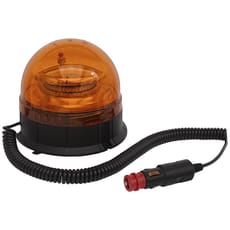
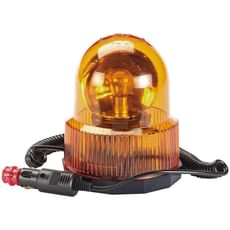
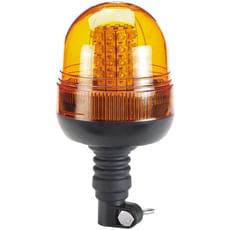
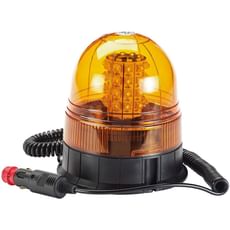
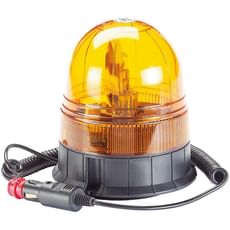
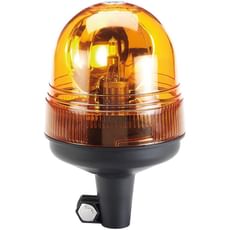
- Warning Beacons and Amber Lights – essential safety accessories for roadside work, traffic management, and hazard warning
- Magnetic Mounting Accessories – additional magnetic bases, mounting plates, and positioning aids
- Diffusers and Reflectors – modify beam patterns, reduce glare, and adapt light distribution for specific applications
- Clamps and Brackets – secure mounting solutions for pipework, scaffolding, and temporary structures
Safety Information
Electrical Safety: Mains-powered lighting on construction sites should comply with HSE guidance and use 110v transformers or RCD protection as appropriate for the environment. Ensure all equipment bears CE marking and conforms to relevant BS EN standards for electrical safety. Never use damaged cables, connectors with compromised insulation, or equipment showing signs of wear that could present shock hazards. Regularly inspect cables for cuts, abrasions, or damage from site traffic and sharp edges.
Heat Management: Although LED lights run considerably cooler than traditional halogen or incandescent alternatives, high-output units still generate significant heat during operation. Ensure adequate ventilation around lights and avoid placing them in direct contact with flammable materials, combustible surfaces, or locations where they could cause burns if accidentally touched during operation. Allow lights to cool before handling or storage after extended use.
Positioning and Stability: Secure lights properly using appropriate mounting methods for the working environment. Tripod-mounted site lights must be positioned on stable, level ground where they won't be knocked over by site traffic, wind, or accidental contact. When working at height, ensure lights are properly secured to prevent them falling and potentially injuring workers below. Consider weight distribution and stability when mounting lights on temporary structures.
Warning and Signalling: When using amber beacons, warning lights, or illuminated signage for roadside work or on public highways, follow current traffic management guidance and ensure proper visibility to protect yourself and other road users. Position warning lights at appropriate distances according to speed limits and road conditions, and ensure they remain visible in all weather conditions.
Frequently Asked Questions
Q: What's the difference between lumens and watts for work lights?
A: Lumens measure actual light output – the brightness you see – whilst watts indicate power consumption. Modern LED lights deliver far more lumens per watt than older technologies, making direct comparisons misleading. A 20W LED site light might produce 2,000+ lumens, whereas an old 500W halogen might only deliver 8,000 lumens – the LED is far more energy-efficient relative to its brightness output and generates significantly less heat.
Q: Will cordless lights from my existing tool brand fit my current batteries?
A: Generally yes, provided you stay within the same voltage platform. Makita 18V LXT, Milwaukee M18, DeWalt 18V XR, and similar systems maintain backwards compatibility across their ranges. However, higher-output lights benefit significantly from higher-capacity batteries (4.0Ah or above) for reasonable run times. A small 2.0Ah battery might only power a bright site light for 30-45 minutes, whilst a 5.0Ah battery could provide several hours of illumination.
Q: What IP rating do I need for outdoor site work in British weather?
A: For reliable performance in typical British weather conditions, look for minimum IP54 rating (protected against dust and water splashes from any direction). IP65 or IP67 ratings provide better protection for exposed outdoor work, withstanding water jets and temporary immersion respectively. If working in particularly harsh environments – coastal areas with salt spray, extremely dusty conditions, or locations with frequent heavy rain – the higher protection of IP65+ is worthwhile investment for longevity.
Q: How long do LED work lights typically last before needing replacement?
A: Quality LED work lights are rated for 20,000 to 50,000+ hours of operation – potentially decades of professional use under normal conditions. Unlike traditional bulbs that fail suddenly, LEDs gradually dim over extremely long periods rather than failing catastrophically. In practice, the robust housings, switches, and rechargeable batteries may need replacement or servicing before the LEDs themselves wear out, making LEDs an excellent long-term investment.
Q: Can I use standard work lights in potentially explosive atmospheres or hazardous environments?
A: No – standard work lights are not suitable for ATEX-rated explosive atmospheres such as certain chemical plants, refineries, grain stores, paint shops, or areas with flammable vapours or combustible dust. Specialist ATEX-certified lighting is legally required for these environments to prevent ignition sources. Always check HSE guidance and your site-specific risk assessments before selecting equipment for potentially hazardous locations.