

Locking Pliers

Pay in 3 interest-free payments on purchases from £20-£3000 with  . Learn more.
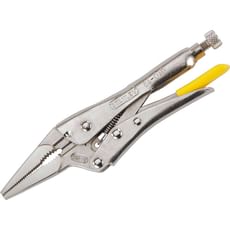
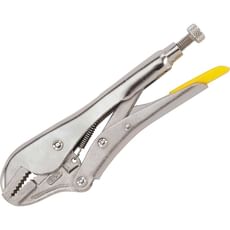
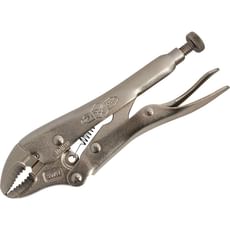
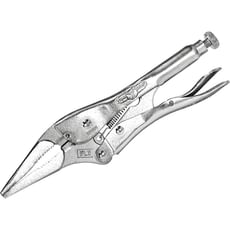
 Loading...
End of content
Error - No more pages to load
About Locking Pliers
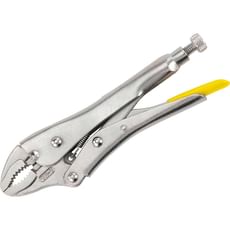
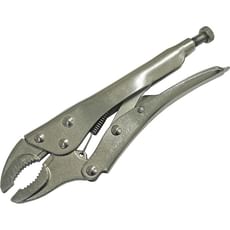
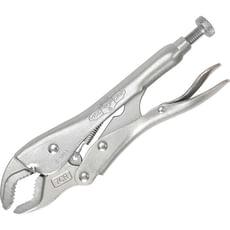
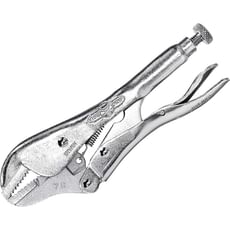
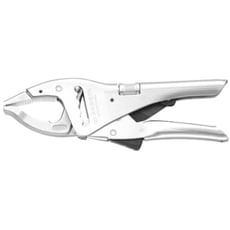
Locking pliers, commonly known as mole grips or vise grips, are indispensable hand tools that merge the powerful clamping force of a bench vice with the portability and convenience of traditional pliers. First invented in the 1920s, these ingenious tools feature an adjustable screw mechanism at the rear that allows them to lock firmly onto workpieces without requiring constant hand pressure on the handles. This self-locking capability makes them ideal for holding, twisting, clamping and gripping applications where both hands need to be free for other tasks.
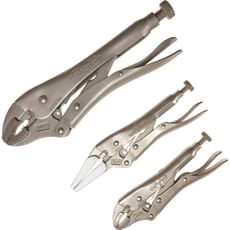
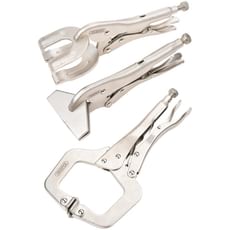
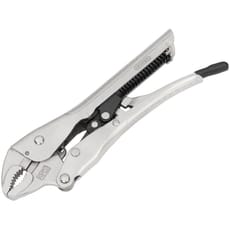
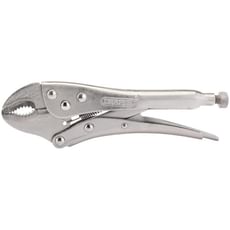
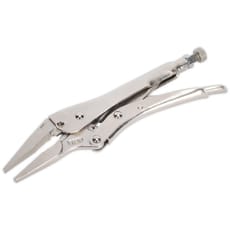
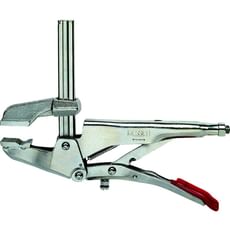
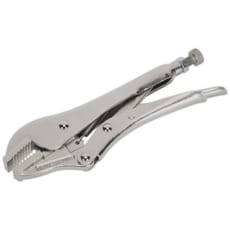
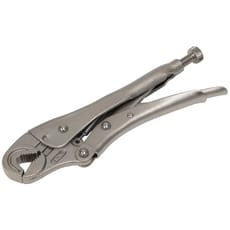
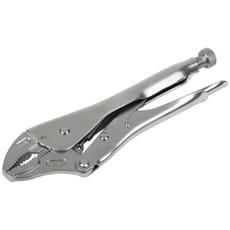
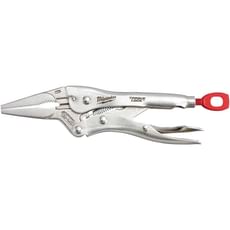
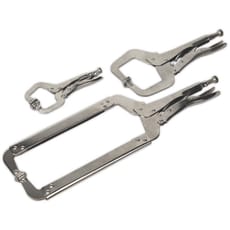
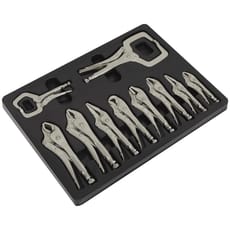
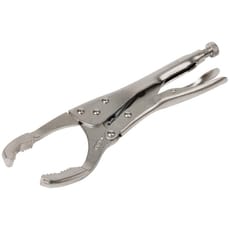
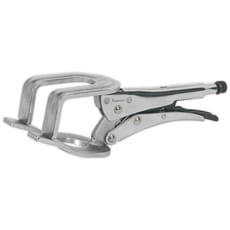
The basic design has evolved considerably over the decades, with modern locking pliers available in numerous specialised configurations. The most common types include straight jaw models for parallel surfaces, curved jaw variants for gripping round objects like pipes and bolts, and long nose versions for accessing tight spaces and detailed work. Sheet metal specialists will find dedicated C-clamp style locking pliers, whilst mechanics often prefer quick-release models that disengage with a simple lever action. Tooled-Up.com stocks locking pliers from trusted manufacturers including Bessey, Draper, Facom, Milwaukee and Sealey, ensuring professional tradespeople and DIY enthusiasts can find the right tool for every application.
Material quality varies across the range, with budget-friendly options suitable for occasional use alongside heavy-duty professional models featuring hardened steel construction and precision-machined jaws. Many contemporary designs incorporate soft-grip handles for enhanced comfort during extended use, whilst specialist variants include parallel grip pliers that maintain consistent pressure regardless of jaw opening width. Whether you're a welder needing to clamp metal components, a plumber working with pipework, or a mechanic dealing with seized fasteners, the right locking pliers can dramatically improve efficiency and results.
Jargon Buster
- Mole Grips / Vise Grips: Alternative names for locking pliers. "Mole Grips" is the term more commonly used in the UK, whilst "Vise Grips" originates from the American brand name that popularised the design.
- Jaw Capacity: The maximum opening width between the jaws, typically measured in millimetres. This determines the largest workpiece diameter or thickness the pliers can grip effectively.
- Throat Depth: The distance from the jaw pivot point to the back of the tool frame. Greater throat depth allows you to reach further into recessed areas or grip objects positioned away from an edge.
- Adjustment Screw: The threaded screw mechanism at the rear of the handles that controls jaw width and clamping pressure. Turning clockwise increases pressure, whilst anti-clockwise reduces it.
- Quick Release Lever: A mechanism found on some models that allows instant disengagement of the locking function without needing to adjust the screw setting, saving time when repeatedly clamping similar-sized objects.
- Parallel Grip: A specialised design where the jaws remain parallel to each other regardless of opening width, distributing clamping pressure evenly across the entire contact surface rather than concentrating it at the pivot point.
Who Uses Locking Pliers?
- Mechanics and Auto Technicians: For gripping rounded or damaged fasteners, holding components during assembly, and temporarily securing parts whilst working.
- Welders and Fabricators: Essential for clamping metal components in position before and during welding, acting as a heat-resistant third hand on the workbench.
- Plumbers and Heating Engineers: Curved jaw models are ideal for gripping pipes, whilst standard versions help with seized compression fittings and valve components.
- Electricians: Useful for holding cable glands, gripping small components in awkward positions, and manipulating stubborn knockouts in enclosures.
- Sheet Metal Workers: Specialist locking C-clamps hold thin materials without distortion, whilst standard locking pliers help manipulate and position metal sheets.
- General Builders and Carpenters: For holding timber whilst cutting, gripping awkward fixings, and numerous other site work applications where temporary clamping is required.
- DIY Enthusiasts and Homeowners: Invaluable for furniture assembly, general repairs, automotive maintenance and countless household tasks requiring extra grip or a spare hand.
- Maintenance Engineers: For dealing with seized bolts, holding components during inspection or repair, and accessing difficult fasteners in industrial machinery.
How to Choose the Right Locking Pliers
Jaw Type and Configuration: Consider what you'll be gripping most frequently. Straight jaw models suit flat surfaces and square stock, curved jaws excel with pipes and round objects, whilst long nose versions access confined spaces and provide precision grip on smaller components. Sheet metal workers should explore C-clamp style locking pliers for secure, low-profile clamping.
Size and Capacity: Locking pliers typically range from compact 125mm mini versions up to heavy-duty 250mm-300mm models. Check the maximum jaw capacity specification to ensure it accommodates your typical workpiece sizes. The selection at Tooled-Up includes everything from pocket-sized models for delicate electronics work to substantial parallel grip pliers with 100mm+ openings for heavy fabrication.
Build Quality and Materials: Professional tradespeople should invest in hardened alloy steel construction with precision-ground jaws for maximum grip and durability. Budget models may suffice for occasional DIY use, but regular professional application demands superior materials that resist wear and maintain adjustment accuracy over thousands of operations.
Handle Design: Soft-grip or rubber-coated handles significantly improve comfort during extended use and provide better control in oily or wet conditions. Consider ergonomic designs if you'll be using the tool frequently throughout the day.
Special Features: Quick-release mechanisms save considerable time when repeatedly clamping similar objects. Parallel grip designs distribute pressure evenly, preventing workpiece distortion. Wire cutters integrated into some models add versatility. Assess which features align with your specific applications.
Brand Reputation: Established manufacturers like Bessey, Facom, Milwaukee and Knipex offer superior quality control and often provide lifetime warranties. Whilst premium brands command higher prices, they typically deliver better precision, longevity and reliability for professional use.
Popular Accessories
- Replacement Jaws and Tips: Some professional models feature replaceable jaw inserts that can be swapped when worn or damaged, extending tool life.
- Soft Jaw Covers: Protective covers that prevent the hardened steel jaws from marring finished surfaces or delicate components.
- Tool Rolls and Storage Cases: Dedicated storage solutions keep multiple locking pliers organised and protected, particularly useful for mobile tradespeople.
- C-Clamps and Bar Clamps: Complementary clamping tools for applications requiring longer reach or different clamping geometries.
- Penetrating Oils and Release Sprays: Essential companions when using locking pliers to tackle seized or corroded fasteners.
- Work Gloves: Quality hand protection from brands like Portwest or Scruffs helps prevent blisters during prolonged or forceful gripping operations.
- Bench Vices: For heavier-duty work where portable locking pliers reach their limitations, a permanently mounted vice provides superior clamping force.
Safety Information
Personal Protective Equipment: Always wear appropriate safety glasses when using locking pliers, as sudden release of clamping pressure or slippage can cause components to move unpredictably. Work gloves protect hands from sharp edges and provide better grip, particularly when applying significant force.
Proper Adjustment: Never over-tighten the adjustment screw beyond what's necessary to secure the workpiece. Excessive clamping force can damage both the tool and the workpiece, potentially causing the jaws to slip suddenly and leading to injury. Ensure the jaws are properly engaged before applying full locking pressure.
Inspect Before Use: Check that the adjustment mechanism operates smoothly and that jaws aren't excessively worn or damaged. Worn or misaligned jaws reduce grip effectiveness and increase the likelihood of slippage. Replace or repair tools showing significant wear, particularly in professional environments where tool reliability is critical.
Correct Application: Locking pliers are designed for gripping and clamping, not as striking tools or for applications requiring extreme force. Using them as hammers or pry bars risks tool failure and injury. When working with electrical components, ensure power is isolated before using metal tools near live conductors. The HSE recommends proper tool selection for each specific task rather than improvising with inappropriate equipment.
Frequently Asked Questions
What's the difference between locking pliers and standard pliers?
Standard pliers require continuous hand pressure to maintain grip, whilst locking pliers feature an adjustable mechanism and over-centre locking action that clamps them securely onto workpieces without hand pressure. This self-locking capability frees both hands for other tasks and provides consistent clamping force for extended periods.
Can locking pliers damage the objects they grip?
The hardened steel jaws can mark or damage soft materials and finished surfaces. For delicate work, use models with smooth jaws rather than serrated versions, apply only sufficient clamping pressure for the task, or fit protective jaw covers. Parallel grip designs distribute pressure more evenly, reducing localised damage risk.
How do I adjust locking pliers correctly?
Open the jaws fully and position them around your workpiece. Turn the adjustment screw clockwise to reduce jaw capacity until the handles can nearly close. Squeeze the handles firmly together—they should lock with moderate resistance. If too loose, tighten the screw slightly; if they won't lock, loosen it. Proper adjustment requires minor experimentation but becomes intuitive with practice.
Why won't my locking pliers release properly?
If the release lever feels stuck, the adjustment screw may be over-tightened, creating excessive pressure in the mechanism. Try loosening the adjustment screw slightly before attempting release. Built-up debris or corrosion can also impede the release mechanism—regular cleaning and light lubrication of pivot points maintains smooth operation.
Are expensive locking pliers worth the investment?
For professional tradespeople using locking pliers daily, premium brands like Bessey, Facom or Knipex offer superior precision, durability and often lifetime warranties that justify higher costs. Hardened alloy construction maintains jaw alignment and adjustment accuracy through thousands of operations. For occasional DIY use, mid-range options from manufacturers like Draper or Sealey provide excellent value and adequate durability.