

Loft Ladders
Pay in 3 interest-free payments on purchases from £30-2000 with  . Learn more.
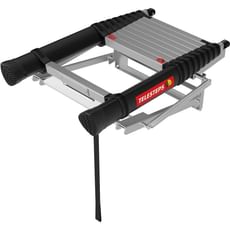
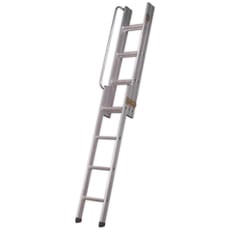
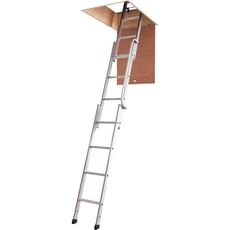
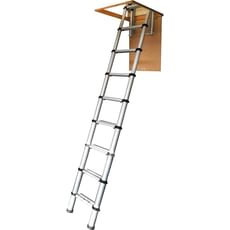
 Loading...
End of content
Error - No more pages to load
About Loft Ladders
Loft ladders provide safe, convenient access to attic and roof spaces, transforming an underutilised area into practical storage or living space. Whether you're a professional installer fitting out new-build properties or a homeowner looking to improve access to your loft, choosing the right loft ladder system is essential for both safety and functionality. Modern loft ladders have evolved considerably from basic wooden pull-down designs, now incorporating advanced materials like aluminium construction, telescopic mechanisms, and integrated safety features that comply with British Standards.
The range available at Tooled-Up.com includes sliding loft ladders, telescopic models, and complete ladder and hatch systems from trusted manufacturers such as Werner, Sealey, and Telesteps. Two-section sliding designs offer straightforward installation and robust performance, whilst three-section models provide greater flexibility for properties with restricted loft openings or lower ceiling heights. Telescopic loft ladders deliver the most compact storage solution, retracting neatly when not in use to maximise headroom below. Many systems come supplied with handrails, fixing components, and detailed installation instructions, making professional or DIY fitting achievable with basic tools and carpentry skills.
Quality loft ladders are manufactured to BS 14975:2006, the British Standard specifically covering safety requirements and test methods for loft ladders. This ensures products meet stringent load capacity, stability, and durability criteria. Whether you require a basic access solution for occasional storage trips or a premium system for frequent use in a loft conversion, Tooled-Up stocks options suitable for various ceiling heights, load requirements, and budget considerations.
Jargon Buster
- Two-Section vs Three-Section: Refers to how many separate ladder sections fold or slide together. Three-section designs are more compact when closed, making them ideal for smaller loft openings, whilst two-section models typically offer simpler operation and fewer moving parts.
- Telescopic Mechanism: A ladder design where sections slide smoothly within one another like a telescope, creating an extremely compact unit when retracted. This design maximises headroom clearance when the ladder is stowed.
- Load Capacity: The maximum safe working load the loft ladder can support, typically ranging from 150kg to 200kg. Always factor in your body weight plus any items you'll be carrying up and down.
- Pitch Angle: The angle at which the ladder sits when fully extended, measured in degrees from horizontal. A steeper pitch saves floor space but may be less comfortable to climb; shallower angles are easier to use but require more clearance.
- BS 14975:2006: The British Standard governing loft ladder safety, covering structural integrity, load testing, and dimensional requirements. Ladders meeting this standard have undergone rigorous testing for domestic use.
- Hatch Size: The opening dimensions in your loft floor/ceiling, typically measured in millimetres. Standard residential openings are usually around 550mm x 1200mm, though this varies considerably in older properties.
Who Uses Loft Ladders?
- Homeowners and DIY Enthusiasts: Installing loft ladders to improve storage access or as part of loft conversion projects
- Property Developers and House Builders: Fitting loft access solutions in new-build homes and residential developments
- Carpenters and Joiners: Installing complete ladder and hatch systems as part of home improvement contracts
- Loft Conversion Specialists: Creating safe, compliant access to newly converted living spaces
- Building Maintenance Professionals: Upgrading existing loft access in residential and commercial properties
- Landlords and Property Managers: Improving tenant access to storage areas and ensuring compliance with safety regulations
- General Builders: Incorporating loft ladders during renovation and extension projects
- Electricians and Plumbers: Requiring regular access to roof spaces for maintenance and installation work
How to Choose the Right Loft Ladders
Measure Your Loft Opening: Accurate measurements are critical. Measure the length and width of your existing hatch opening, or plan appropriate dimensions if creating a new opening. Consider the structural implications of enlarging openings, particularly around ceiling joists.
Calculate Floor-to-Ceiling Height: Loft ladders are designed for specific height ranges. Measure from the floor surface to the underside of the loft hatch frame. Most domestic ladders accommodate heights between 2.3m and 3.05m, with extension kits available for taller ceilings.
Consider Load Requirements: Standard domestic loft ladders typically support 150kg, suitable for most users and light loads. If you'll frequently carry heavy items or storage boxes, consider models with higher load ratings. Remember that load capacity includes your body weight plus anything you're carrying.
Evaluate Space Constraints: Assess the available floor space below the hatch when the ladder is deployed. Two-section models require more floor clearance but are simpler mechanically. Three-section and telescopic designs are ideal where floor space is limited or furniture restricts the landing area.
Check Insulation Compatibility: Modern building regulations demand high levels of loft insulation. Some complete loft ladder and hatch systems include insulated hatch doors to prevent heat loss. If fitting a ladder to an existing hatch, ensure you can maintain adequate insulation around the opening.
Assess Installation Complexity: Some systems are designed for straightforward DIY installation with basic tools, whilst others may require professional fitting, particularly when structural modifications are needed. Complete kits with integrated hatches simplify installation compared to ladder-only products fitted to existing openings.
Material Quality: Aluminium construction offers excellent strength-to-weight ratio, corrosion resistance, and long service life. Look for models with anti-slip treads, secure locking mechanisms, and smooth operation that will withstand years of regular use.
Popular Accessories
- Extension Kits: Additional sections to accommodate higher ceiling heights beyond standard ladder specifications
- Handrails and Grab Handles: Supplementary safety features to assist with mounting and dismounting, particularly useful for elderly users
- Loft Hatches: Replacement or new insulated hatch doors if your ladder requires a separate hatch purchase
- Draught Excluders: Sealing products to prevent heat loss around the hatch perimeter
- Loft Boards and Flooring: Creating safe walking surfaces and storage platforms in the loft space itself
- Loft Lighting: Battery-powered or mains LED lighting systems for safe navigation in roof spaces
- Safety Gates: Barriers to prevent falls through open loft hatches, particularly important in homes with children
- Fixing Hardware: Additional brackets, screws, and mounting components for secure installation
Safety Information
Installation Safety: Loft ladder installation involves working at height and may require structural modifications. Ensure ceiling joists can support the ladder and user weight. If uncertain about structural integrity or installation procedures, consult a qualified carpenter or building professional. Never compromise ceiling structural members without appropriate reinforcement.
Safe Usage Practices: Always maintain three points of contact when ascending or descending. Face the ladder while climbing and use the handrail where provided. Never exceed the stated maximum load capacity, and avoid carrying bulky items that unbalance you. Ensure the ladder is fully extended and properly locked before use.
Regular Maintenance: Periodically inspect all moving parts, hinges, and locking mechanisms for wear or damage. Check that fixing bolts remain tight and that treads are clean and slip-free. Lubricate hinges and sliding sections annually with appropriate lubricants to maintain smooth operation.
Child Safety: Keep loft hatches closed when not in use and consider fitting a lock or pole hook mechanism to prevent unsupervised access by children. Never allow children to operate loft ladders without adult supervision.
Building Regulations: Loft conversions creating habitable rooms require compliance with Building Regulations, including specific requirements for permanent staircases rather than loft ladders. For storage access only, ensure adequate fire safety measures remain in place and that loft ladder installation doesn't compromise existing fire protection.
Frequently Asked Questions
Q: What's the difference between two-section and three-section loft ladders?
A: Two-section ladders fold into two parts and are mechanically simpler with fewer moving components, making them robust and straightforward to operate. Three-section ladders fold into three parts, creating a more compact unit when stowed, which is advantageous for smaller loft openings or where headroom below the hatch is limited. Three-section designs typically require less floor clearance when deployed but involve slightly more complex operation.
Q: Can I install a loft ladder myself or do I need a professional?
A: Many loft ladder systems are designed for competent DIY installation, particularly complete kits with integrated hatches. You'll need basic carpentry skills, appropriate tools, and ideally an assistant to help with positioning. However, if structural modifications are required, ceiling joists need cutting, or you're uncertain about load-bearing capacity, professional installation by a qualified carpenter is strongly recommended. Incorrect installation can compromise both safety and structural integrity.
Q: How do I know what size loft ladder I need?
A: Measure two critical dimensions: your floor-to-ceiling height (from floor surface to the underside of the loft hatch frame) and your loft opening size. Most domestic ladders accommodate ceiling heights between 2.3m and 3.05m. Match the ladder length specification to your height measurement, allowing for the fact that the ladder sits at an angle when deployed. For the opening, ensure the ladder system fits within your hatch dimensions or plan to enlarge the opening if necessary.
Q: Are loft ladders suitable for loft conversions used as living space?
A: Loft ladders are designed for access to storage areas and occasional use. If you're creating a habitable room such as a bedroom or office, Building Regulations typically require a permanent fixed staircase rather than a loft ladder. Consult Building Control before proceeding with loft conversion work to ensure compliance with all relevant regulations regarding means of escape, fire safety, and structural requirements.
Q: How much weight can a loft ladder safely support?
A: Most domestic loft ladders manufactured to BS 14975:2006 have load capacities between 150kg and 200kg. This includes your body weight plus any items you're carrying. Always check the specific load rating for your chosen model and never exceed it. If you regularly need to transport heavy items into your loft, select a ladder with a higher load rating and consider making multiple trips rather than carrying excessive weight in one journey.