
Long Nose Pliers

Pay in 3 interest-free payments on purchases from £20-£3000 with  . Learn more.
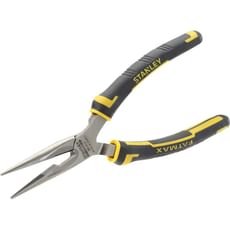
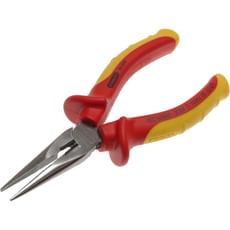
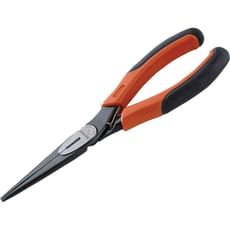
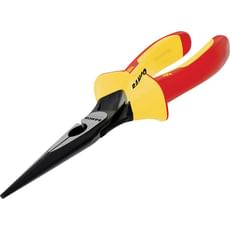
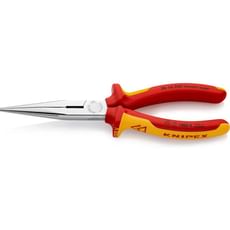
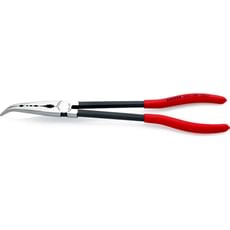
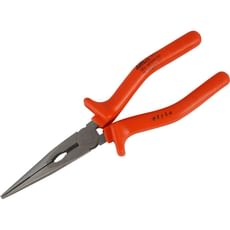
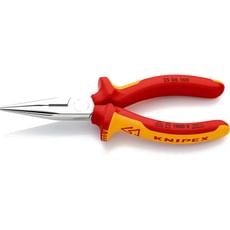
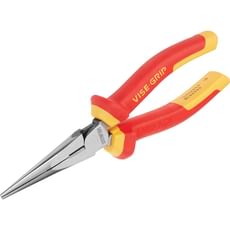
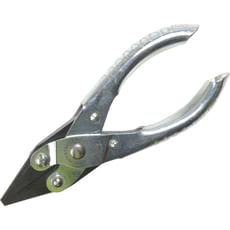
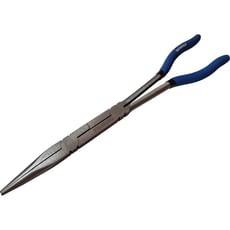
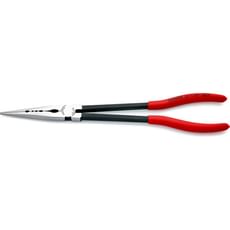
Loading...
End of content
Error - No more pages to load
About Long Nose Pliers
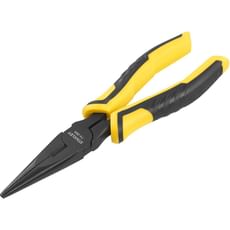
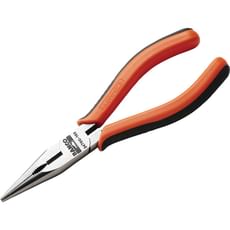
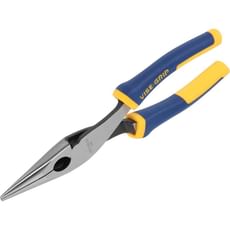
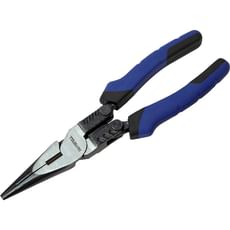
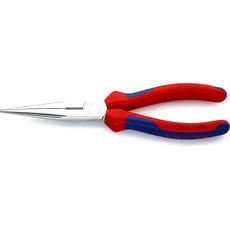
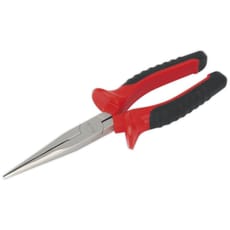
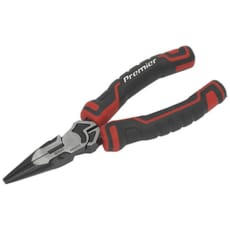
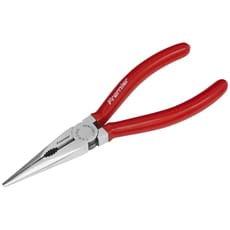
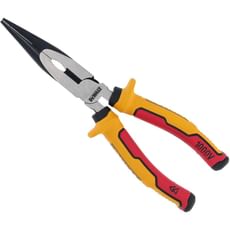
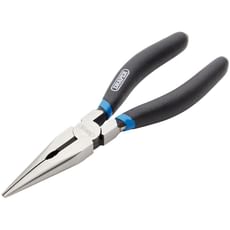
Long nose pliers, also known as needle nose pliers or snipe nose pliers, are precision hand tools characterised by their elongated, tapered jaws that taper to a point. These versatile pliers excel at accessing confined spaces, gripping small components, bending and shaping wire, and performing detailed work that standard pliers cannot reach. The extended jaw design provides excellent visibility and control when working with delicate materials or in tight electrical enclosures, junction boxes, and mechanical assemblies.
Tooled-Up.com stocks a comprehensive selection of long nose pliers from leading manufacturers including Knipex, Bahco, Facom, Draper, and DeWalt. The range encompasses standard models for general workshop use, insulated VDE versions for electrical work up to 1,000V, bent nose variants for angled access, and mini versions for electronics and jewellery work. Professional-grade options feature high-leverage designs that multiply gripping force, induction-hardened cutting edges for cleanly severing wire, and ergonomic handles with two-component grips for extended comfort during repetitive tasks.
Material construction varies according to application, with most professional long nose pliers manufactured from chrome vanadium steel or high-performance alloy steel for durability and strength. Jaw lengths typically range from 40mm on compact mini models up to 65mm on full-size versions, whilst overall tool lengths span from 115mm pocket-sized options to 200mm extended-reach variants. Many models incorporate serrated jaw surfaces for superior grip on round and flat materials, alongside integrated wire cutting blades positioned near the pivot point where leverage is greatest.
Jargon Buster
- VDE Insulated: Pliers tested and certified to IEC 60900 standards for safe use on live electrical equipment up to 1,000V. Essential for electricians working on 240v systems and industrial installations. The insulation is individually tested rather than batch-tested.
- High Leverage: Design feature incorporating extended handles or modified pivot positioning to multiply gripping and cutting force. Reduces hand fatigue and enables cutting through heavier gauge wire without requiring excessive grip strength.
- Serrated Jaws: Textured gripping surfaces on the inner jaw faces that prevent materials from slipping during manipulation. Half-round serrations accommodate both flat sheet materials and cylindrical wire or components.
- Induction Hardened: Heat treatment process applied to cutting edges that increases surface hardness to approximately 60 HRC whilst maintaining a tougher, more flexible core. Provides long-lasting sharpness without brittleness.
- Box Joint: Construction method where the joint connecting the handles and jaws features interlocking sections that distribute stress evenly and eliminate lateral play, resulting in precise jaw alignment throughout the tool's lifespan.
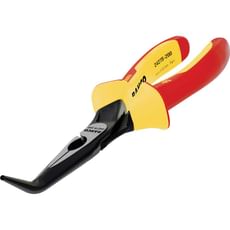
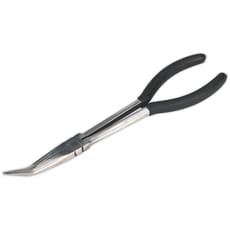
- Bent Nose: Variation where the jaws are angled typically 40-60 degrees from the handle axis, allowing access to components from different angles and improved visibility when working on flat surfaces or circuit boards.
Who Uses Long Nose Pliers?
- Electricians and Sparkies: Essential for pulling cables through conduit, forming wire loops for terminations, accessing components in consumer units, and working within tight electrical enclosures
- Automotive Technicians: Removing and installing circlips, retrieving dropped fasteners, accessing sensors in confined engine bays, and working with electrical connectors
- Electronics Technicians: Positioning and bending component leads on circuit boards, handling delicate wiring in control panels, and assembling small electronic assemblies
- Plumbers and Heating Engineers: Extracting broken valve stems, accessing fittings behind pipework, removing split pins, and working with compression fittings in awkward locations
- Jewellers and Craftspeople: Forming wire for jewellery making, positioning small findings, closing jump rings, and detailed metalwork requiring precision manipulation
- Maintenance Engineers: General workshop applications, machinery repair, accessing recessed fixings, and performing installations in industrial equipment
- DIY Enthusiasts: Home electrical work, hobby electronics, jewellery making, model building, and general household repairs requiring precision grip
How to Choose the Right Long Nose Pliers
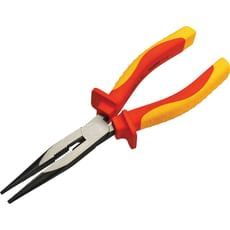
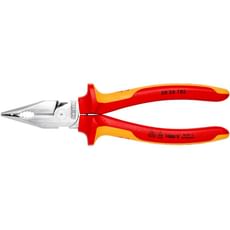
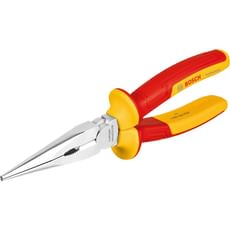
Electrical Safety Requirements: For any work on 240v electrical systems or live equipment, VDE insulated pliers certified to IEC 60900 are absolutely essential. The insulation on models available from Tooled-Up protects against electric shock up to 1,000V and features distinctive two-tone colour coding to indicate if the protective coating becomes damaged. Standard non-insulated pliers should never be used for electrical work.
Jaw Length and Access: Consider the confined spaces you regularly encounter. Longer jaws (60-65mm) provide superior reach into deep enclosures and behind obstructions, whilst shorter jaws (40-50mm) offer better control for precision work. Bent nose variants provide angled access and improved visibility when working on flat surfaces or approaching components from above.
Cutting Capability: Assess the wire gauges you typically work with. Basic models handle soft copper wire up to approximately 1.5mm diameter, whilst professional versions with induction-hardened cutting edges tackle harder materials and heavier gauges up to 2.5mm. High-leverage designs significantly reduce the hand force required for cutting operations.
Handle Comfort and Grip: For extended use, ergonomically shaped handles with two-component grips dramatically reduce hand fatigue. Brands like Bahco with their ERGO range and Knipex with multi-component handles provide superior comfort. Consider the handle length relative to your hand size – longer handles suit larger hands and provide additional leverage.
Build Quality and Materials: Professional-grade pliers manufactured by Knipex, Facom, and Bahco feature chrome vanadium or special tool steel construction with precise box joint assembly that eliminates wobble and maintains accurate jaw alignment. Phosphate or chrome-plated finishes provide corrosion resistance for prolonged tool life. Budget options suit occasional use, but tradespeople benefit from investing in premium brands that withstand daily site work.
Specialised Features: Evaluate whether you require specific capabilities such as compound action mechanisms that multiply gripping force, spring-loaded handles for reduced fatigue during repetitive operations, or miniature versions for electronics work. Some models incorporate integrated wire strippers or crimping sections behind the jaws for multi-functional capability.
Popular Accessories
- Tool Belts and Pouches: Snickers and DeWalt tool holders with dedicated pliers pockets keep long nose pliers accessible on site
- Wire Strippers: Complementary tools for preparing cable ends before manipulation with long nose pliers
- Side Cutters and Diagonal Cutters: Additional cutting tools for heavier gauge wire beyond long nose pliers capacity
- Circlip Pliers: Specialised pliers for internal and external retaining rings often used alongside long nose pliers
- Tool Storage Solutions: Stanley FatMax, DeWalt TSTAK, and Milwaukee PACKOUT systems with foam inserts for organised pliers storage
- Electrical Testing Equipment: Voltage testers and multimeters for verifying circuits are isolated before using insulated pliers
- Crimping Tools: For creating permanent wire terminations after positioning with long nose pliers
- Cutting and Bending Jigs: Guides for consistent wire forming when producing multiple identical components
Safety Information
Electrical Work: Only use VDE insulated pliers certified to IEC 60900 when working on or near live electrical equipment. Always verify circuits are isolated using appropriate testing equipment before commencing work. Inspect insulation before each use for cuts, abrasions, or damage that could compromise protection. Replace any pliers with compromised insulation immediately – electrical safety cannot be compromised.
Eye Protection: Always wear safety glasses when cutting wire, as cut ends can become projectiles travelling at considerable velocity. This is particularly important when working with spring-loaded wire such as piano wire or pre-tensioned materials that store energy.
Proper Tool Selection: Never exceed the cutting capacity specified by the manufacturer, as this can damage the cutting edges, cause the tool to slip unexpectedly, or result in hand injury. Use dedicated bolt cutters or power tools for materials beyond pliers capacity. Don't use pliers as hammers or pry bars, as this damages the precision joint and alignment.
Hand Position: Maintain fingers behind the handles during cutting operations to prevent pinching. Ensure a secure grip before applying force, and cut at right angles to the wire rather than at oblique angles which can cause the wire to shoot sideways. When working overhead, position yourself to avoid falling components or cut wire ends.
Maintenance: Keep the joint clean and occasionally apply a drop of light machine oil to maintain smooth operation. Store pliers in a dry location to prevent corrosion. Regularly inspect for wear, particularly at the cutting edges and joint pivot – worn tools require greater force and are more prone to slipping, increasing injury risk.
Frequently Asked Questions
What's the difference between long nose pliers and needle nose pliers?
These terms are interchangeable and refer to the same tool – pliers with elongated, tapered jaws that come to a point. "Long nose" is more common in UK trade terminology, whilst "needle nose" is frequently used in electronics and North American contexts. Snipe nose pliers is another equivalent term. The range at Tooled-Up includes various jaw lengths and angles under these naming conventions.
Can I use regular long nose pliers for electrical work?
Absolutely not for live work. Standard long nose pliers conduct electricity and provide no protection against electric shock. For any work on 240v systems or potentially live equipment, you must use VDE insulated pliers tested to IEC 60900 standards and rated for 1,000V. These feature thick insulation layers that are individually tested rather than batch-tested. Even when you believe circuits are isolated, unexpected backfeed or errors mean insulated tools are essential for electrical trades.
How do I maintain the cutting edges on my long nose pliers?
Avoid cutting hardened materials like piano wire, nails, or screws, which will chip or dull the cutting edges. Use the pliers only within their specified cutting capacity. Keep the joint clean and lightly oiled. If edges become dull, professional sharpening services can restore cutting performance on quality brands like Knipex and Bahco, though replacement is often more economical for budget models. Store pliers in a dry environment to prevent corrosion which degrades cutting performance.
What length long nose pliers should I choose?
Overall tool length typically ranges from 115mm (mini versions) to 200mm (extended reach models). For general electrical and mechanical work, 160mm represents an excellent compromise between reach and control. Electricians often carry both 160mm standard models and 200mm extended versions for deep junction boxes. Electronics technicians favour 115-140mm versions for precision. Consider jaw length separately – 50-60mm jaws suit most applications, whilst 40mm offers maximum control for delicate work.
Are expensive branded long nose pliers worth the investment?
For professional tradespeople using pliers daily, premium brands like Knipex, Bahco, and Facom deliver significantly longer service life, better ergonomics, and more precise performance. The superior materials, heat treatment, and manufacturing tolerances mean they maintain accurate jaw alignment and cutting sharpness through years of site work. For occasional DIY use, mid-range options from Draper or DeWalt provide good performance at lower cost. The key is matching quality to usage intensity – professionals quickly recoup the investment through durability and reduced fatigue.